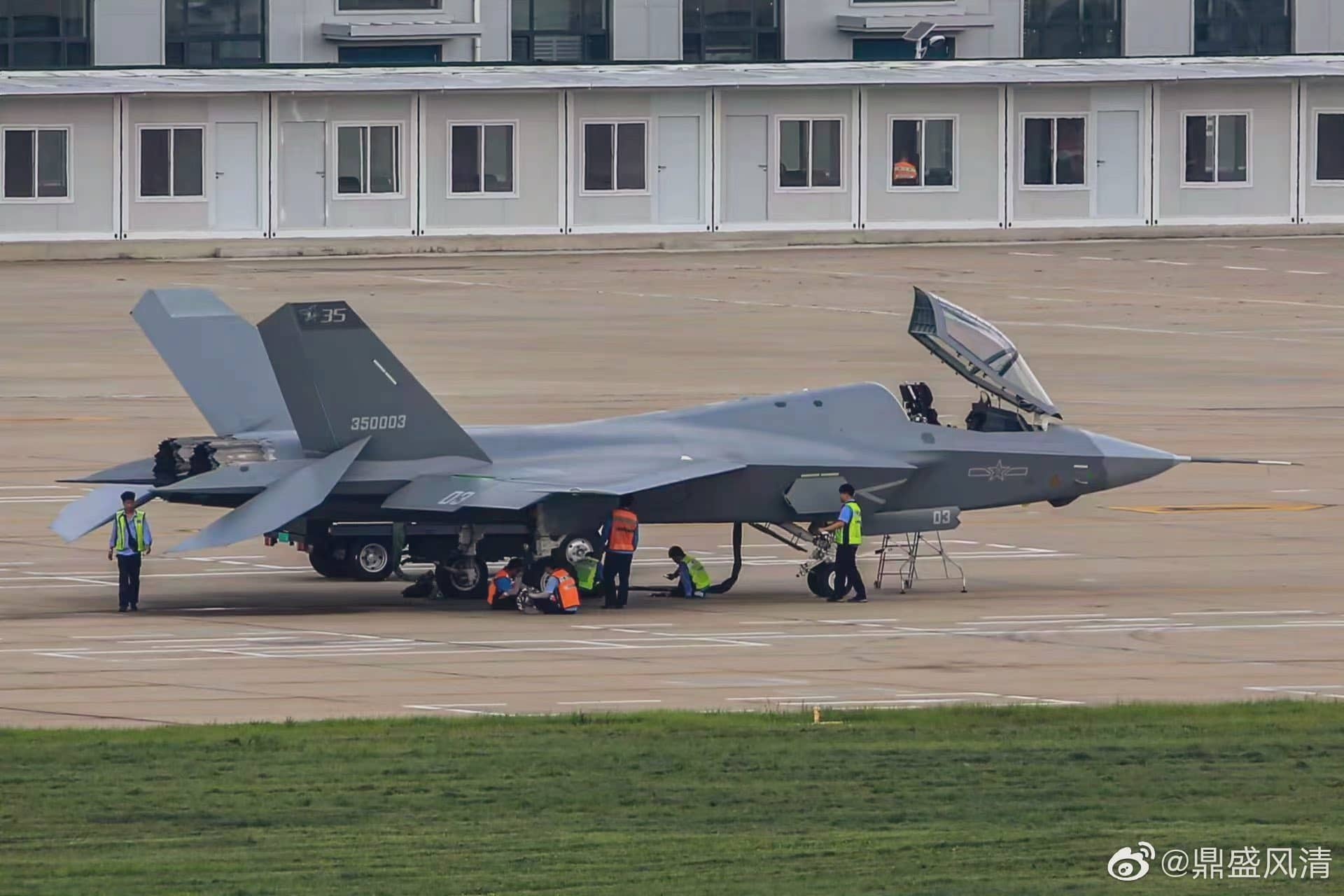








US Approves $24.3B F-35 Sale to Saudi Arabia Amid China Risk

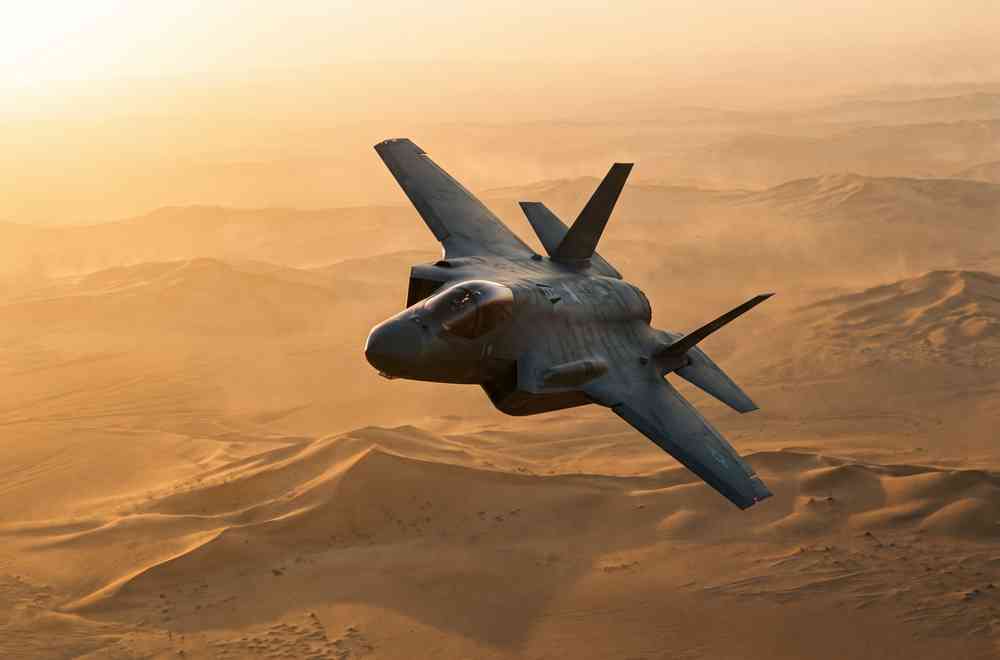
The State Department has approved a possible $24.3 billion sale of 48 F-35 Lightning II fighters to Saudi Arabia, a foreign military sale notification that would make the kingdom the first Arab country to fly the world's most advanced stealth jet. The Bureau of Political-Military Affairs notified Congress of the deal on September 17, formally starting a review period during which lawmakers can object before formal contract negotiations begin. Coverage of the announcement noted it marks a major policy shift, since Washington has for years been unwilling to export the advanced stealth fighters to any Arab state, and that it comes as the kingdom is in the midst of a reignited air war against Yemen's Houthi movement.
In its release, the department said the sale "will support the foreign policy and national security objectives of the United States by improving the security of a major non-NATO ally," and stated flatly that the package "will not alter the military balance in the region." That line carries weight: Washington has for decades declined to export F-35s to Arab states specifically to preserve Israel's so-called qualitative military edge, a legal requirement that Israeli forces stay a step ahead of their neighbors. This notification is the closest Saudi Arabia has come to acquiring fifth-generation fighters after more than a decade of pursuit.
The proposed sale covers 48 conventional-takeoff F-35As and 49 Pratt & Whitney F135-PW-100 engines, one held as a spare. The formal notification also lists cryptographic key loaders, electronic warfare database support and training simulators among the associated equipment, alongside years of maintenance and logistics backing. Lockheed Martin Aeronautics in Fort Worth and Pratt & Whitney in East Hartford would be the principal contractors. A congressional notification is not a signed contract, and even a smooth approval would likely mean a wait of several years before Riyadh receives its first jet — the deal has been under discussion since President Trump's pledge to approve it during Crown Prince Mohammed bin Salman's November 2025 visit to Washington.
Israel's government did not strongly object this time, a marked contrast to its past lobbying against F-35 sales to Turkey, though Jerusalem had pushed for the sale to be conditioned on Saudi normalization with Israel and it remains unclear whether Washington offered any private assurances on the military edge. A fellow at the Jewish Institute for National Security of America told reporters the arrangement is "categorically a bad idea" absent firm guardrails on Riyadh's technology ties with Beijing, while a Lockheed Martin spokesperson said only that the company looks forward to continued collaboration as the congressional review process advances.
The sharpest friction point is not Israel but China. The kingdom's deepening security and digital-infrastructure relationship with Beijing, including Huawei's cloud operations in Riyadh and joint exercises such as the Blue Sword naval drills, has fed a recurring intelligence warning: that F-35 technology could leak to Chinese intelligence services through Saudi Arabia's own networks. A Pentagon-linked report, described as more detailed than an earlier 2025 version, reportedly recommends that any facility hosting F-35 systems be restricted to American and Saudi personnel only, given particular concern over the jet's radar and surveillance technology.
Congress has already put those concerns in writing. In a November 2025 letter, the ranking Democrats on the House Select Committee on the Chinese Communist Party and two House Armed Services subcommittees — Reps. Raja Krishnamoorthi, Joe Courtney and Donald Norcross — cited the Defense Intelligence Agency's own warnings and invoked the precedent of Turkey's 2019 expulsion from the F-35 program over its purchase of Russia's S-400 system. They asked the administration to detail what consultations occurred, how reliant Saudi Arabia's defense ministry is on Huawei and China Telecom infrastructure, and whether Riyadh had been asked to curtail its military-technology cooperation with Beijing as a condition of the sale. Those questions remain publicly unanswered. A State Department official, responding to the espionage concerns, said all proposed sales are assessed under U.S. law in a process that accounts for "a broad range of political and economic considerations, including protecting the U.S. military's technological edge." A comparable F-35 sale floated for the UAE during Trump's first term ultimately collapsed after the Biden administration pressed Abu Dhabi for security assurances it was unwilling to give.
The timing is not incidental. Saudi Arabia is fighting an active, reignited air war against Yemen's Houthi movement, which this year renewed missile and drone strikes on Aramco energy infrastructure and Saudi cities after a 2022 truce broke down. A wave of strikes on Aramco facilities sparked fires and wounded 73 people, while Saudi air defenses — including a Greek-operated Patriot battery at the Yanbu export terminal — have intercepted incoming ballistic missiles aimed at oil sites. Against that backdrop, the State Department's own justification leaned on Saudi Arabia's need to deter current and future threats and improve interoperability with U.S. and allied forces, not just add prestige hardware.
The deal must still clear a formal review by Congress; even if lawmakers raise no objection, delivery of the first aircraft is not expected for several years.
The unresolved tension here is structural, not rhetorical. Washington's case for the sale rests on rewarding a partner under real fire and cementing defense-industrial ties before Riyadh looks elsewhere for capability. But every safeguard proposed so far, from restricting facility access to demanding Huawei's removal from Saudi networks, addresses a country that has shown no sign of loosening its China ties, only deepening them. The congressional review period exists precisely to test whether "will not alter the military balance" can survive contact with unresolved DIA warnings and an unanswered committee letter. Whether lawmakers use that leverage, or let the review lapse without objection, will determine if this becomes the moment the F-35 program's China exposure was finally addressed, or merely re-documented for the next Gulf sale.
Nothing here is final. The notification opens a congressional review window in which objections can still be filed, formal contract negotiations have not begun, and delivery — if the deal proceeds intact — is realistically years away. But the notification alone marks a genuine inflection point: the first tacit U.S. acknowledgment that an Arab air force will likely fly the F-35, with all the regional recalculation, intelligence risk, and diplomatic bargaining that entails.