





Essential Police Gear: Must-Have Equipment for Law Enforcement Officers


Law enforcement gear is more than a list of items on a belt. Officers operate in unpredictable, high-risk environments where the right gear is the difference between going home and not. Every piece of equipment on an officer’s duty belt, plate carrier, or gear bag has a specific function, from stopping ballistic threats to restraining suspects to providing immediate medical aid in the field. Choosing and maintaining that gear correctly is not optional. It is fundamental to officer safety and operational effectiveness.
This guide works as a practical police equipment list for patrol. It covers the essential police gear every officer should carry, from the duty belt and body armor that form the foundation of any loadout to communication devices, non-lethal tools, medical kits, and tactical lighting. Each section explains what the gear does, what to look for when selecting it, and where Chase Tactical options fit. If you are new to the category, this overview of what tactical gear is gives helpful background.
Police Equipment List: Essential Law Enforcement Gear Checklist
Essential law enforcement gear falls into nine categories. The checklist below shows the law enforcement equipment officers typically carry on duty and what each category is for. Exact loadouts vary by department and assignment, so always follow your agency’s approved equipment list.
| Category | Essential Items | Primary Purpose |
|---|---|---|
| Protective Gear | Body armor vest, plate carrier, riot suit, tactical helmet | Ballistic and blunt-force protection |
| Duty Belt | Holster, handcuffs, baton, radio pouch, spare magazine pouches, pepper spray | Carry and access all patrol tools |
| Restraint Tools | Handcuffs, zip ties, leg restraints | Suspect control and detention |
| Non-Lethal Force | Taser / CEW, pepper spray (OC spray), baton | Subject control without lethal force |
| Firearms & Ammunition | Duty firearm, spare magazines, ammunition | Use of force / lethal threat response |
| Medical / First Aid | IFAK / trauma kit, tourniquet, chest seal, trauma shears | Immediate field trauma response |
| Communication | Police radio, radio pouch, body camera | Coordination and evidence documentation |
| Tactical Lighting | Flashlight, weapon-mounted light | Low-light visibility and threat identification |
| Footwear & Clothing | Tactical boots, duty uniform, tactical gloves | Mobility, weather protection, hand safety |
| Storage & Carry | Utility pouches, ammo pouches, tactical bags, chest rig | Gear organization and accessibility |
1. Body Armor and Protective Gear
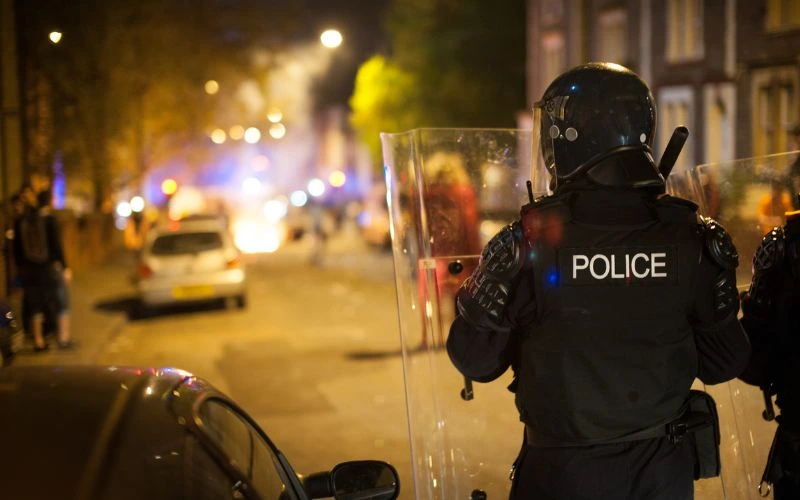
Protective gear is the foundation of any law enforcement loadout. It covers everything from ballistic vests and hard armor plates to riot suits and tactical helmets, each serving a distinct role depending on the officer’s assignment and threat environment. Body armor sits at the center of the group.
Body Armor Vests
Body armor is fundamental for law enforcement, providing protection against ballistic threats on patrol. Police body armor is tested to NIJ standards, and an NIJ rating refers to specific tested ballistic threats, not every possible projectile. Ballistic protection and stab resistance are also tested separately, so a vest rated for bullets is not automatically rated for edged weapons. The ergonomic design allows officers to wear it for extended shifts without discomfort. For a full breakdown, see our guide to body armor for law enforcement.
Most patrol officers wear Level IIIA soft body armor as their daily vest, because it protects against handgun threats while staying flexible and light enough for a full shift. Officers in tactical or high-risk roles add Level III or Level IV hard armor plates in a plate carrier for rifle-rated protection. Understanding which body armor level matches your patrol environment is the starting point for any protective gear decision.
Benefits of body armor on duty:
- Protects against the ballistic threats the armor is rated for, reducing the risk of serious injury
- Modern soft armor is designed to be light and breathable enough for daily wear on patrol
- Armor level can be matched to the officer’s assignment and threat environment
Chase Tactical’s TITAN Level III Ballistic Shield provides certified NIJ 0108.01 rifle protection in a lightweight UHMWPE design:
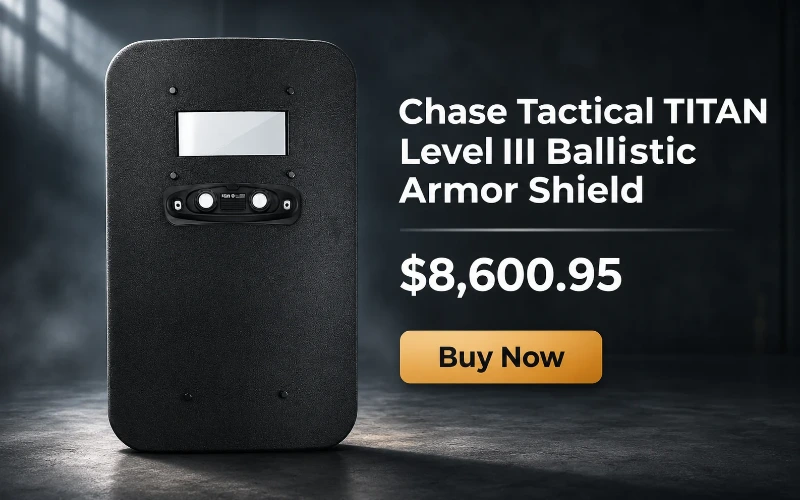
Plate Carriers and Chest Rigs
Plate carriers and chest rigs are essential for carrying body armor plates and additional gear, allowing officers to access equipment quickly while maintaining mobility. Chase Tactical offers durable options with MOLLE webbing for customizable loadouts. A plate carrier is designed to spread weight across the torso, which helps reduce fatigue and keeps a full range of motion during extended operations.
For patrol officers, a low-profile plate carrier worn over soft armor provides full-spectrum ballistic coverage: soft armor handles handgun threats while hard plates address rifle threats. For tactical units and active shooter response, a higher-capacity carrier with MOLLE-compatible pouches for spare magazines, medical supplies, and communication gear is the appropriate setup. Level IV plates are another option for active shooter response kits, and our guide to Level IV armor for law enforcement covers the details.
If you are comparing carriers, this breakdown of the best plate carrier for law enforcement is a good next step.
Key benefits on duty:
- MOLLE webbing allows customizable attachment of pouches, holsters, and accessories around the carrier
- Weight is distributed across the chest and shoulders, reducing lower back strain during long shifts
- Adjustable straps and padding provide a secure, comfortable fit across different body types
Riot Suits
Riot suits provide full-body protection in crowd control and riot response situations, protecting officers against blunt force trauma, thrown projectiles, and direct physical contact. The Chase Tactical Field Force Police Riot Suit offers full-body protection with a durable design covering the upper body, shoulders, forearms, thighs, groin, knees, and shins, which addresses the major impact zones. Our guide to riot gear for law enforcement explains what officers need for crowd control assignments.
- High-impact resistant materials and foam padding for durability and comfort during extended deployment
- Mesh lining for breathability during prolonged wear
- Includes storage and carry bag with riot gloves featuring Kevlar reinforcement
- Designed to allow full freedom of movement for crowd management maneuvers
Tactical Helmets
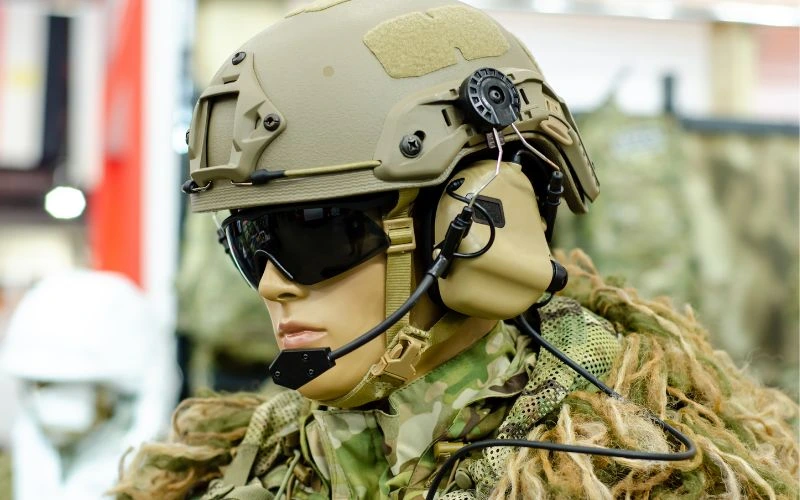
Tactical helmets provide critical head protection and enhance operational capabilities by allowing for the attachment of accessories such as night vision devices and communication systems. Chase Tactical’s helmets are available in ballistic and non-ballistic options, offering high-impact resistance and adjustable suspension systems for a secure and comfortable fit. These helmets are designed to protect against blunt force trauma and ballistic threats, which makes them useful in high-risk situations.
2. The Duty Belt: Core of Every Patrol Loadout
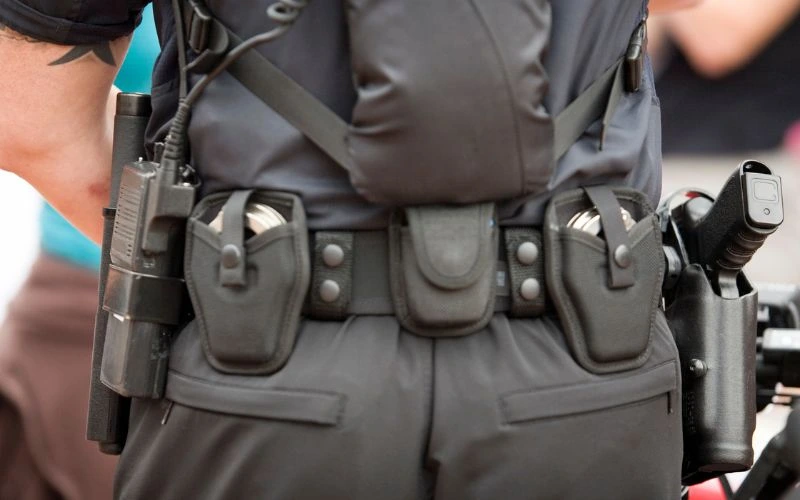
The duty belt is the operational center of a patrol officer’s gear and the core of police duty gear. It carries the firearms, restraints, communication tools, and non-lethal devices that officers rely on throughout their shift. A properly configured duty belt distributes weight evenly around the waist, keeps all essential tools accessible under stress, and keeps the officer’s hands free for movement and use of force when needed.
Made from reinforced nylon or leather, the duty belt is built to withstand the rigors of daily patrol use. It includes modular pouches and holsters that can be configured to match the officer’s specific loadout, a quick-release buckle for emergency situations, and additional attachment loops for supplemental gear. Adjustable sizing ensures a secure fit for officers of all builds.
What Goes on a Standard Duty Belt
- Firearm holster: Positioned for dominant-hand draw, typically with Level II or Level III retention to prevent unauthorized access
- Handcuff case: Double-lock handcuffs in a belt-mounted pouch for rapid deployment during an arrest
- Spare magazine pouches: One or two spare loaded magazines for the duty firearm
- Radio and radio pouch: Police radio for communication with dispatch and other units
- Baton and baton ring: Expandable or fixed baton for use-of-force situations
- Pepper spray / OC spray holder: Non-lethal chemical irritant for subject control
- Taser holster: Non-dominant side for cross-draw to prevent weapon confusion with the firearm
- Flashlight holder: Full-size flashlight for low-light environments and night patrol
- Glove pouch: Nitrile or tactical gloves for evidence handling and protection
- Medical pouch: Tourniquet or mini IFAK for immediate field trauma response
Benefits of a properly configured duty belt:
- Even weight distribution across the waist helps reduce lower back strain during long shifts
- All essential tools are within immediate reach without requiring the officer to search or unholster unnecessarily
- Modular design allows configuration to be adjusted for specific assignments such as patrol, traffic, and special events
- Quick-release buckle enables fast removal in emergencies
3. Restraint Tools: Handcuffs and Cuffs
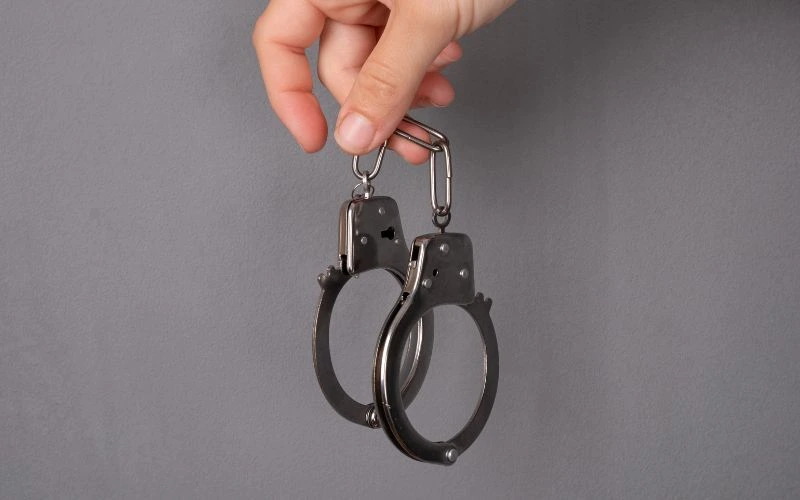
Handcuffs are one of the most fundamental items in essential police gear. They restrain individuals who are under arrest or pose a threat, limiting mobility and helping keep both the officer and the subject safe during arrest and transport. Modern handcuffs are commonly made from high-strength stainless steel, which provides durability and resistance to tampering.
A double-lock mechanism stops the ratchet from tightening further and secures the cuffs more effectively once applied. Size and weight are optimized for belt carry without adding unnecessary load. Handcuffs are typically carried in a dedicated pouch on the duty belt for one-handed deployment under stress. Training in correct application technique is essential: properly applied cuffs must be checked for fit and double-locked immediately after application.
Beyond standard handcuffs, officers may also carry flex cuffs (zip tie-style restraints) for mass-casualty or multi-arrest scenarios where rigid cuffs are insufficient in quantity, and leg restraints for subjects who present a kicking risk during transport. Each restraint type serves a specific use case, and officers should be trained on all options available to their department.
Safety Points of Having Handcuffs on Duty
- Handcuffs help prevent detainees from escaping custody, so they remain controlled until they can be properly processed.
- By restraining individuals, handcuffs reduce the risk of officers being assaulted or injured during an arrest or transport.
4. Firearms and Ammunition
The duty firearm is the primary tool of force available to law enforcement officers. Standard-issue firearms for patrol officers in the United States are typically semi-automatic pistols chambered in 9mm, .40 S&W, or .45 ACP, carried in a retention holster on the dominant side of the duty belt.
Ammunition selection for duty use is made at the department level and follows specific performance requirements, typically jacketed hollow point (JHP) rounds designed to expand on impact and reduce overpenetration risk. Officers carry at minimum one spare loaded magazine on the duty belt, and tactical officers may carry two or more for extended operations.
Proper maintenance of the duty firearm is critical. Officers must follow their department’s cleaning and inspection schedule, and any firearm that has malfunctioned, been dropped, or exposed to significant impact must be inspected by an armorer before returning to service. Holster fit must be verified whenever a new firearm or holster is issued, and the holster must retain the firearm securely through the full range of duty movement.
Firearm and ammunition essentials on duty:
- Department-issued semi-automatic pistol in an approved caliber
- Duty-grade jacketed hollow point ammunition, inspected periodically for corrosion or deformation
- Minimum one spare loaded magazine; two for tactical assignments
- Level II or Level III retention holster appropriate for the duty firearm model
- Regular cleaning and function-check schedule per department policy
5. Non-Lethal Force Tools: Taser, Pepper Spray, and Baton
Non-lethal force tools give officers the ability to control subjects and de-escalate dangerous situations without resorting to lethal force. These tools occupy a critical position in the use-of-force continuum and must be carried and maintained correctly to function reliably when needed.
Taser / Conducted Energy Weapon (CEW)
The Taser is a conducted energy weapon that discharges two probes connected by wires, delivering electrical pulses that cause temporary neuromuscular incapacitation and stop a subject’s voluntary muscle control. It allows officers to control a non-compliant subject from a distance, which reduces physical confrontation risk for both officer and subject.
Tasers are carried on the non-dominant side of the duty belt and must be cross-drawn, never on the same side as the duty firearm. This is a critical safety protocol that prevents weapon confusion under stress. Officers must complete department-approved CEW certification and refresher training to maintain authorization to carry.
Benefits of Tasers on duty:
- Enables officers to control a non-compliant subject without physical contact, reducing injury risk for both parties
- Provides a safer alternative to lethal force in situations where deadly force is not yet justified
Pepper Spray (OC Spray)
Pepper spray, or oleoresin capsicum (OC) spray, is a fast-acting non-lethal agent that incapacitates hostile persons by causing intense irritation to the eyes, nose, and upper respiratory system. It creates immediate disorientation and temporary vision impairment, giving officers the time needed to safely control and restrain a subject.
Advantages on duty:
- Fast-acting in most applications, providing immediate relief in hostile confrontations
- Non-lethal mechanism minimizes the risk of permanent injury while managing an active threat
- Compact, belt-mounted canister is always accessible without removing hands from the situation
Baton
The baton is a close-range impact tool used for subject control when other non-lethal options have failed or are not appropriate for the distance or situation. Most patrol officers carry an expandable (ASP-style) baton that collapses for compact carry on the duty belt and extends to full deployment with a single wrist motion. Fixed batons are used in riot control and correctional environments where a longer reach and greater rigidity are required.
Effective baton use requires specific training in target zones, deployment technique, and departmental use-of-force policy. Officers must carry the baton in an approved ring or holster on the duty belt with the handle oriented for the correct draw direction, and must complete periodic recertification in baton technique as required by their department.
6. Medical Kits and First Aid Supplies
A well-equipped medical kit is critical for immediate response to injuries and trauma in the field. Law enforcement officers are frequently the first to arrive at scenes involving gunshot wounds, stab wounds, and major trauma, often well before EMS. The ability to apply a tourniquet, pack a wound, or seal a chest wound in the first minutes after an injury is the difference between survival and preventable death.
Every officer should carry at minimum an Individual First Aid Kit (IFAK) on their person, not just in the vehicle. An IFAK for law enforcement should include a tourniquet (CAT or SOFTT-W), hemostatic combat gauze, a pressure bandage, a chest seal (vented), trauma shears, and nitrile gloves. Chase Tactical’s medical kits are designed for rapid field deployment, featuring quick-access pouches that can be opened with one hand under stress.
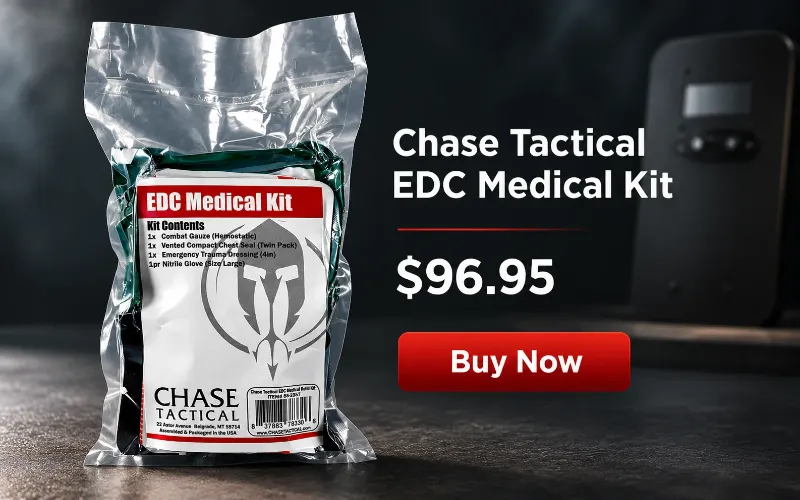
The Chase Tactical EDC Medical Kit is vacuum sealed with combat gauze, chest seal, trauma dressing, and gloves for compact, ready trauma response.
What an officer’s IFAK should contain:
- Tourniquet (CAT or SOFTT-W) for extremity hemorrhage control
- Hemostatic combat gauze for wound packing and hemorrhage control
- Pressure bandage / trauma dressing
- Chest seal (vented) for penetrating chest wounds
- Trauma shears for cutting clothing and gear to access wounds
- Nitrile gloves for barrier protection during patient care
- Nasopharyngeal airway (NPA) for airway management
7. Communication Devices: Radio and Body Camera
Communication equipment is mission-critical for law enforcement. Officers must be able to coordinate with dispatch, call for backup, and share situational information with other units in real time. Communication failures in the field directly increase officer risk. Every officer on patrol should carry a functioning police radio at all times, tested before each shift.
Police Radio
The police radio (portable transceiver) is the primary communication tool for patrol officers. It connects the officer to dispatch, supervisors, and other units on the same channel, allowing rapid coordination during calls for service, pursuits, and use-of-force situations. Radios are typically carried in a radio pouch on the duty belt or chest rig, with a shoulder-mounted speaker-microphone for hands-free communication.
Radio discipline, meaning proper channel use, clear transmission, and brevity, is as important as the equipment itself. Officers must verify battery charge and radio function at the start of every shift and carry a spare battery for extended deployments. A MOLLE radio pouch on the chest rig or duty belt keeps the transceiver accessible and protected during physical activity.
Body Camera
Body-worn cameras (BWC) have become standard equipment for many U.S. law enforcement agencies. They document officer interactions, use-of-force events, and evidence collection in real time, providing objective video records that protect both officers and the public. Most BWCs attach to the front of the uniform or plate carrier and activate automatically or via a manual button. Some models include a pre-event buffer, and audio capture varies by model and settings, so confirm how your department’s camera is configured.
Officers must follow department policy on camera activation, and many departments require automatic activation at the beginning of any enforcement contact. Camera batteries must be checked before each shift, and footage is typically uploaded to a secure cloud evidence management system at the end of the shift.
8. Flashlights and Tactical Lighting
Flashlights are essential police gear for every patrol officer, regardless of shift time. Tactical lighting is used for building searches, vehicle stops, suspect identification, and evidence documentation in low-light or no-light environments. An officer without a functioning flashlight is operationally compromised on any call that requires entry into a darkened structure or vehicle.
A full-size flashlight carried in a belt holster is standard for patrol. A weapon-mounted light on the duty firearm provides additional illumination during tactical entry situations, keeping both hands free for weapon manipulation. Officers in tactical units may additionally carry a handheld backup light and helmet-mounted light for hands-free operation during searches.
What to look for in a duty flashlight:
- Enough output for outdoor use and building searches; check the manufacturer’s lumen and runtime specifications
- Durable aluminum or polymer body with a stated water-resistance rating
- Multiple modes: high, low, and strobe for subject disorientation
- Belt-compatible holster for secure carry and one-hand access
- Rechargeable battery with sufficient runtime for a full shift
9. Footwear and Tactical Gloves
Tactical Boots
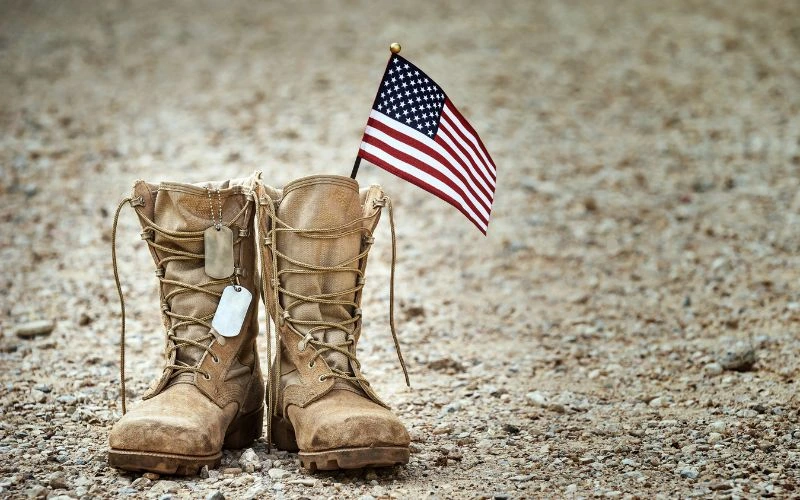
Law enforcement officers spend the majority of their shift on their feet, walking, standing, running, and navigating varied terrain. Tactical boots must provide ankle support for stability and injury prevention, slip-resistant soles for traction on wet or uneven surfaces, and durable construction that withstands the daily demands of patrol work. The right boots help reduce foot fatigue, which affects officer performance and alertness over long shifts.
For patrol officers, a lightweight boot with a composite or soft toe is generally preferred over a steel-toe work boot. A composite toe provides toe protection with less weight, and soft-toe boots allow faster movement during foot pursuits. Waterproof construction is important for officers in wet climates or for those who work outdoor assignments. Side-zip boots allow faster on/off during shift changes or medical calls.
What to look for in duty boots:
- Durable materials such as full-grain leather, 1000D nylon, or high-grade synthetic construction
- Ankle support for stability on varied terrain
- Slip-resistant outsole for wet surfaces and stairwells
- Waterproof and breathable lining
- Lightweight construction to reduce fatigue
- Composite or soft toe for mobility; steel toe optional for vehicle or building search work
- Cushioned insole for comfort during extended standing and walking
Tactical Gloves
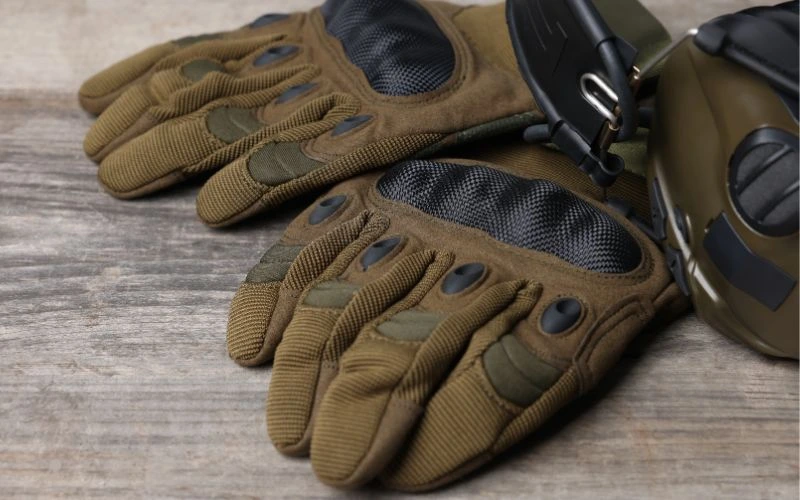
Tactical gloves are essential for protecting hands while maintaining dexterity. Chase Tactical’s gloves are made from durable, cut-resistant materials like Kevlar, featuring reinforced knuckles and fingertips for added protection. They are designed to provide a secure grip and comfortable fit, allowing officers to handle weapons and equipment easily. Breathable fabrics help with comfort during prolonged use.
What to look for in duty gloves:
- Cut-resistant fabric such as Kevlar for hands exposed to sharp edges
- Reinforced knuckles and fingertips
- Enough dexterity to handle a firearm, handcuffs, and a flashlight
- A secure grip and a comfortable, breathable fit
- A separate pair of nitrile gloves for evidence handling and medical care
10. Utility Pouches, Ammo Pouches, and Tactical Bags
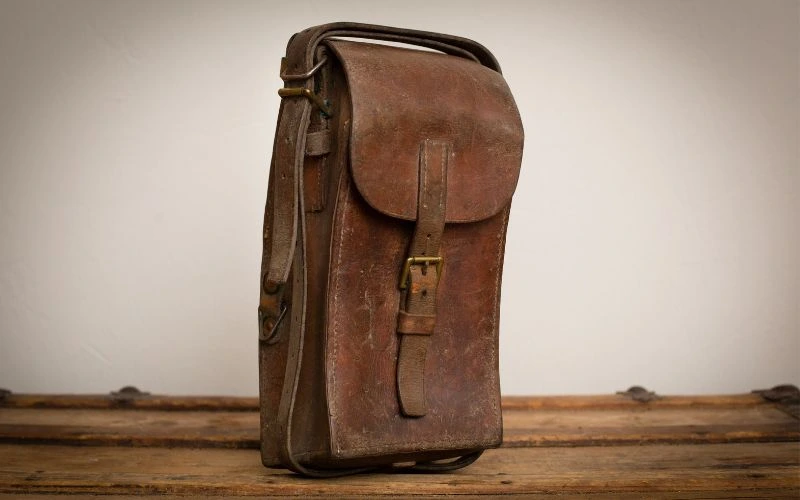
Utility and ammo pouches help keep gear organized and make sure essential items are easily accessible. Chase Tactical’s pouches are designed with MOLLE webbing for secure attachment to carriers and belts. They are made from durable materials and feature heavy-duty zippers and fasteners to withstand the rigors of the field. Available in various sizes, these pouches can accommodate different types of equipment and ammunition, making them versatile additions to any tactical setup.
Tactical bags and backpacks serve officers who need to transport gear between the vehicle and a scene, including evidence collection equipment, additional medical supplies, spare ammunition, and personal items. Officers should choose bags with dedicated compartments that keep items separated and organized, a MOLLE-compatible exterior for attaching additional pouches, and water-resistant materials to protect sensitive equipment. Some departments keep a grab-and-go bag in the patrol vehicle configured for active shooter response, with a plate carrier, Level IV plates, and a medical kit.
Pouch and storage essentials on duty:
- MOLLE-compatible attachment for versatile positioning on plate carriers, belts, and chest rigs
- Heavy-duty zippers and fasteners rated for repeated daily use under load
- Various sizes, including single-stack magazine pouches, double-stack pouches, and utility pouches for tools and accessories
- Quick-retrieval design for one-hand access to high-priority items under stress
- High-quality nylon or Cordura fabric for durability and weather resistance
11. Active Shooter Kits
Active shooter kits are designed for immediate response to active shooter scenarios, the highest-risk, time-critical law enforcement events that require officers to deploy rapidly with maximum protection and medical capability. Chase Tactical’s active shooter kits include plate carriers, armor plates, and trauma kits in a single grab-and-go package that can be deployed from a patrol vehicle.
Shop the MEAC Active Shooter Response Kit, which includes a plate carrier, Level IV armor plates, tourniquets, and trauma supplies designed for law enforcement active shooter response.
What an active shooter kit should include:
- Plate carrier with Level IV armor plates for higher-threat protection
- IFAK with tourniquet, chest seal, hemostatic gauze, and trauma shears
- Grab-and-go design for vehicle deployment, stored accessible and not buried in the trunk
- High-quality, department-appropriate materials rated for immediate use
12. Police Uniform and Patrol Clothing
The police uniform is the visible representation of law enforcement authority and the base layer of the officer’s protective system. A well-chosen duty uniform must withstand the physical demands of patrol, from sitting in a vehicle for hours to foot pursuits, while maintaining a professional appearance and supporting the gear worn over it.
Common uniform components include the duty shirt, duty pants or cargo pants, duty belt, boots, a badge and identification, and department patches. Duty shirts and pants for law enforcement are typically made from ripstop nylon or poly-cotton blends that resist tearing, hold their shape after repeated washing, and breathe well during active work. Reinforced knees in duty pants protect during kneeling on hard surfaces, and cargo pockets provide additional on-body storage without requiring belt pouches. Department uniform specifications vary, but the principle is consistent: function and durability first.
What to look for in duty uniforms:
- Ripstop fabric construction for tear resistance during physical engagement
- Articulated knees and gusset crotch for full range of motion
- Cargo pockets for on-body storage of gloves, notepad, or small tools
- Moisture-wicking and breathable construction for comfort during extended wear
- Reinforced seat and knee areas for high-wear zones
- Department-compliant color and configuration
13. Patrol Officer Loadout: What Gear Do Police Officers Carry on Duty?
Most of the gear in this guide comes together in the patrol loadout. Whether an officer works for a city police department or as a sheriff’s deputy, the core duty gear is similar, and the details change with the agency and the assignment. A simple way to think about a patrol loadout is by where each item is carried.
What gear do most patrol officers carry on duty?
- On the body: soft body armor, duty apparel such as the uniform shirt, pants, and pullovers, a badge and identification, duty boots, and a body camera where the agency issues one
- On the duty belt: firearm holster, spare magazine pouches, handcuffs, baton, pepper spray, Taser, radio, flashlight, and glove pouch
- In pockets and pouches: a medical pouch or IFAK, gloves, a notepad, and small tools
- In the patrol vehicle: a tactical bag, spare batteries, additional medical supplies, and a grab-and-go kit if the department provides one
Patrol gear should be comfortable enough to wear for a full shift, durable enough for daily use, and organized so that high-priority tools are reachable with one hand. The best police gear for one officer may not suit another, because fit, assignment, and department policy all matter. In the United States, the approved equipment list from your agency is always the starting point.
14. Tactical Gear for Law Enforcement: Patrol vs. Tactical Teams
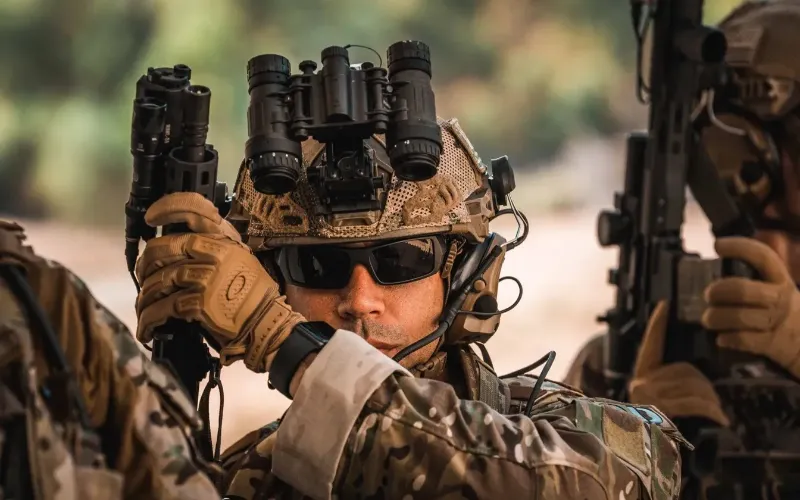
Tactical gear for law enforcement builds on the patrol loadout. Officers on tactical teams, including SWAT and other high-risk assignments, add protection, capacity, and lighting to what a patrol officer carries. This tactical police equipment is chosen for the assignment and approved by the agency.
- Protection: hard armor plates in a plate carrier worn over soft armor, a tactical helmet, and a riot suit for crowd control
- Capacity: a higher-capacity carrier with MOLLE-compatible pouches for spare magazines, medical supplies, and communication gear, with two or more spare magazines for extended operations
- Lighting: a weapon-mounted light, a handheld backup light, and a helmet-mounted light for hands-free searches
- Medical: an IFAK carried on the person, not only in the vehicle
- Footwear and hand protection: tactical boots and cut-resistant tactical gloves
The difference between patrol and tactical use is mostly about threat level and workload. A patrol officer needs gear that is light and comfortable all shift, while a tactical team member accepts more weight for more protection during a specific operation.
15. Law Enforcement Protective and Safety Equipment
Police department safety equipment is not limited to armor. Protective gear and safety equipment cover several different risks, and each one calls for a different tool. Grouping them by risk makes it easier to see what is missing from a loadout.
- Ballistic threats: soft body armor, hard armor plates, and ballistic shields, chosen by armor level and tested threat
- Blunt force and impact: tactical helmets and riot suits for crowd control and high-risk situations
- Cuts and abrasion: cut-resistant tactical gloves for hands exposed to sharp edges and rough surfaces
- Exposure and barrier protection: nitrile gloves for evidence handling and patient care, a form of personal protective equipment (PPE)
- Trauma response: an IFAK with a tourniquet, chest seal, and hemostatic gauze
- Visibility and communication: a flashlight for low-light work and a radio for calling backup
When you compare law enforcement protection equipment, check what each item is rated or tested for. A rating covers specific tested threats, so protection against one risk does not automatically cover another.
16. Law Enforcement Tools Officers Carry
Search interest in law enforcement tools usually comes down to one practical question: what does an officer actually have on hand during a shift? The tools below fall into six groups, and each one is covered in more detail earlier in this guide.
What tools do police officers use?
- Restraint tools: handcuffs, flex cuffs, and leg restraints
- Force options: Taser, pepper spray, and baton
- Communication tools: police radio and body camera
- Lighting tools: duty flashlight and weapon-mounted light
- Medical tools: tourniquet, trauma shears, and an IFAK
- Documentation and everyday tools: a notepad, spare batteries, and a handcuff key
Tools are only useful if the officer can reach them and has trained with them. Carry only what your assignment requires, keep each tool in the same place every shift, and follow department policy on what is approved.
17. Police Accessories and Duty Belt Add-Ons
Police accessories are the smaller items that make a loadout easier to carry, reach, and keep organized. They matter because a good duty belt or carrier still depends on the holders, cases, and attachments that hold everything in place. The same applies to the plate carrier and the duty belts used with it.
- Holders: flashlight holders, radio holders, and badge holders
- Cases: handcuff cases, magazine cases, and glove pouches
- Carrier add-ons: plate carrier shoulder pads and additional MOLLE pouches
- Uniform accessories: badges, identification, and department patches, plus morale patches only where department policy allows
- Comfort and protection: knee pads for assignments that involve a lot of kneeling
Before adding an accessory, check compatibility with your belt, carrier, and existing gear. More accessories also add weight and bulk, so choose the ones your assignment needs and leave the rest off the belt.
18. Law Enforcement Training Gear and Equipment
Law enforcement training equipment is where officers build familiarity with the gear they depend on. Training gear is set by the agency or academy, but the principle is consistent: train with the same duty belt, holster, radio, flashlight, and armor you will wear on patrol, so problems with fit and access show up before they matter on the street.
- Complete department-approved certification and refresher training for tools such as the Taser and baton
- Wear the full loadout during drills to check weight, comfort, and reach
- Practice drawing, deploying, and re-holstering from the same position every time
- Have an armorer inspect any firearm that has malfunctioned, been dropped, or taken a significant impact
Police training gear that matches duty gear builds muscle memory. Gear that is used for the first time on a call leaves less room for error.
19. How to Choose Law Enforcement Gear
The best gear is gear that is approved for your agency, fits you correctly, and works with the rest of your loadout. Use the checks below before you buy.
How do you find duty gear that meets law enforcement standards?
Start with your department’s approved equipment list and uniform policy, since many agencies set requirements for holsters, armor, radios, and uniform items. For protective gear, check the stated NIJ level and confirm the rating applies to the exact model you are buying, because ratings refer to specific tested threats and ballistic and stab protection are tested separately. If the documentation is unclear, ask the seller or your department’s armorer or equipment officer before you buy.
What should police officers look for when buying on-duty clothing?
Look for fabric that resists tearing and holds up to repeated washing, a cut that allows full range of motion while kneeling, running, and driving, and pockets that do not interfere with your duty belt or armor. Confirm the color and configuration match your department’s uniform specifications, and try items on over your armor and belt where possible, since fit changes once the full loadout is on.
Fit, Comfort, and Compatibility
- Size body armor and carriers for your build, with adjustable straps for a secure fit
- Check that holsters, pouches, and radio holders fit the exact firearm, radio, and light you carry
- Confirm belts, pouches, and carriers use compatible attachment systems such as MOLLE
- Wear new gear during training before relying on it on patrol
20. Where to Buy Law Enforcement Supplies and Products
Law enforcement supplies and products can be bought through department procurement, specialized tactical retailers, and direct from manufacturers. Department purchasing may be limited to approved items, so confirm what your agency allows before ordering anything for personal use.
When you compare options, look at features, compatibility with the gear you already carry, documentation for any protective rating, and price. It also helps to compare brands by how well their products work together, since a mismatched holster, belt, or carrier causes more problems than a small difference in specifications. Buying from a retailer that lists specifications and certification details for each product makes that comparison easier.
21. Maintaining and Replacing Your Police Gear
Equipment that is not maintained is equipment that will fail, often at the worst possible moment. Regular inspection and maintenance of all duty gear is as important as selecting the right gear in the first place. Every officer should follow a consistent maintenance schedule for every item in their loadout.
| Gear Item | When to Check | Key Checks |
|---|---|---|
| Duty firearm | After every use and on your department’s schedule | Function check, clean, inspect for damage, verify holster fit |
| Body armor / soft vest | Routine inspection and after any impact | Inspect panels for tears, moisture damage, delamination; follow the manufacturer’s replacement guidance |
| Hard armor plates | Routine inspection and after any ballistic hit | Inspect for cracks, coating damage; retire any plate that has taken a hit |
| Handcuffs | Routine inspection | Double-lock function, hinge or chain integrity, key operation |
| Taser | Before each shift | Battery charge, spark test, probe cartridge integrity |
| Radio | Before each shift | Battery charge, channel verification, speaker-mic connection |
| Medical kit / IFAK | After every use and on a set inspection schedule | Tourniquet function, expiry dates on all items, complete contents check |
| Flashlight | Before each shift | Battery charge / cell condition, lens integrity, switch function |
| Boots | Routine inspection | Sole condition, waterproofing, lace integrity, insole replacement |
Replacement timing depends on the manufacturer’s guidance, your department’s policy, and the condition of the gear.
Law Enforcement Gear FAQs
What is considered essential police gear?
Essential police gear includes everything an officer needs to safely perform patrol duties: body armor (soft vest and/or hard plates), a properly configured duty belt with firearm holster, handcuffs, baton, pepper spray, and Taser, a police radio and body camera, a tactical flashlight, an individual first aid kit (IFAK), tactical boots and gloves, and utility pouches for gear organization. The specific configuration varies by department assignment, but these categories form the foundation of every law enforcement loadout.
What gear do new law enforcement officers need?
Start with your department’s approved equipment list and find out what is issued and what you must buy yourself. Beyond that, new officers typically need body armor, a duty belt with holster and pouches, handcuffs, a flashlight, a radio holder, an individual first aid kit, duty boots, gloves, and a uniform that meets department specifications.
How can you tell if body armor meets law enforcement standards?
Check the NIJ level stated for the exact model and confirm which threats that rating covers. NIJ ratings refer to specific tested ballistic threats, not every possible projectile, and ballistic and stab protection are tested separately. If the documentation is unclear, ask the seller or your department’s equipment officer before you buy.
What type of bags should law enforcement officers use?
Officers use tactical bags with dedicated compartments for carrying gear such as spare batteries, flashlights, medical supplies, restraints, and personal equipment. Bags should be made from water-resistant materials, include MOLLE-compatible exterior webbing for attaching additional pouches, and provide easy single-hand access to high-priority items during high-stress situations. Some departments keep a dedicated grab-and-go bag in the patrol vehicle for active shooter response.
Are pepper spray and Taser devices effective in all situations?
Although pepper spray and Tasers are highly effective non-lethal tools, their effectiveness can be influenced by factors including the subject’s physical condition, clothing, intoxication level, and the distance and angle of deployment. Officers are trained to evaluate each situation and select the appropriate level of force in accordance with their department’s use-of-force policy. No single non-lethal tool is effective 100% of the time, which is why officers carry multiple options on the duty belt.
How often should police gear be updated or replaced?
Replacement timing varies by gear type, so follow the manufacturer’s guidance and your department’s policy. Soft body armor has a manufacturer-stated service life and should be replaced when it expires or becomes worn or damaged. Hard armor plates should be inspected regularly and retired after any ballistic impact or visible damage.
Duty boots should be checked for sole wear and structural integrity. Medical kit supplies such as tourniquets, gauze, and chest seals should be inspected on a regular schedule and replaced after any field use or when they expire. Firearm and Taser maintenance follows department-specific schedules, which often include armorer inspection.
How much does law enforcement gear cost?
The cost of a law enforcement loadout varies widely depending on whether the gear is department-issued or personally purchased. Department-issued gear is provided at no cost to the officer. For supplemental gear you buy yourself, cost depends mostly on the armor level, materials, and specifications, and on whether you also need plates, carriers, or medical kits. Chase Tactical offers law enforcement and military discounts on all products.
Where can law enforcement officers purchase duty gear?
Law enforcement officers can purchase duty gear through department procurement channels, specialized tactical retailers, and direct from manufacturers. Chase Tactical is a veteran-owned, service-disabled small business and a US-based manufacturer of NIJ-certified body armor and tactical nylon gear. All products are tested and used by the DoD, military, and law enforcement agencies worldwide. Free shipping is available on orders over $150, and military and first responder discounts are available site-wide.
Whether you are replacing worn gear or building a first loadout, Chase Tactical carries body armor, plate carriers, medical kits, pouches, and bags for law enforcement. Browse Chase Tactical gear to compare options, and check your department’s approved equipment list before you order.