








The Science Behind Ballistic Protection: How Body Armor Works

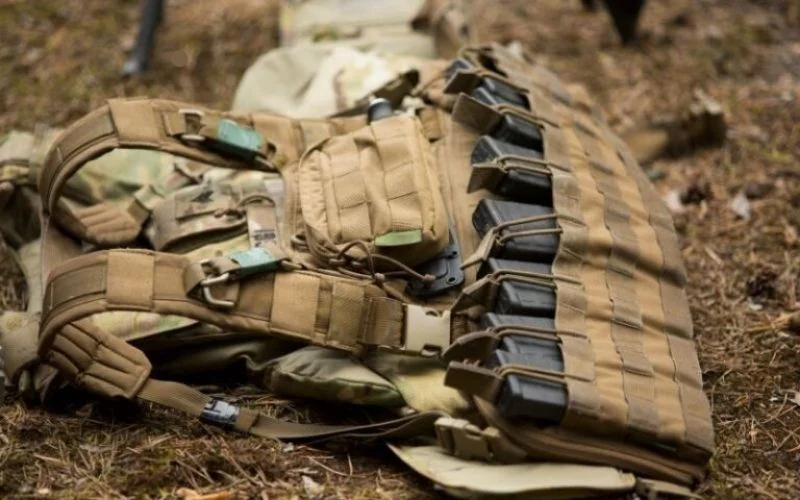
Body armor is a critical component of safety protocols for military personnel, law enforcement officers, and even civilians in high-risk environments. Understanding the science behind ballistic protection and how body armor works is essential for appreciating its role in modern security. This ChaseTactical blog delves into the intricate details of these ballistic protection systems, exploring the ballistic protection materials, design principles, and underlying armor sciences that make them effective.
How Does Body Armor Work?
Body armor functions through sophisticated engineering that combines ballistic protection materials and armor science principles. The fundamental mechanism involves energy absorption and dispersion—when a projectile strikes the armor, the kinetic energy must be managed to prevent penetration and minimize trauma. Modern body armor protection systems achieve this through the layered construction of high-performance fibers and composite materials designed specifically for ballistic protection.
The tactical armor plates are constructed from tightly woven, strong fibers arranged in a crisscross pattern to form a solid sheet. When a bullet strikes the armor, the energy is spread across multiple fiber strands and absorbed layer by layer, significantly reducing the impact force and minimizing blunt force trauma to vital organs. Each layer of the woven material in the armor plate absorbs some of the energy from the projectile, progressively slowing it down until it stops completely. The more layers of ballistic protection materials, the greater the protection provided.
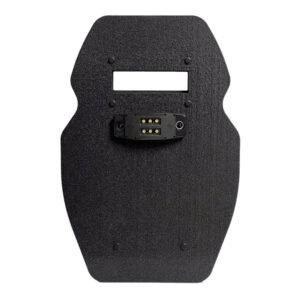
For professionals seeking comprehensive protection, understanding how body armor works extends beyond the materials themselves—it includes knowing how different protection systems complement each other. Ballistic shields and bulletproof vests serve different tactical purposes: shields offer mobile cover for advancing teams, while vests provide personal protection during extended operations.
Body Armor Protection Levels
Body armor is rated by performance standards established by the National Institute of Justice (NIJ). These standards establish different levels of body armor protection according to the types of ammunition that they can neutralize:
Level II protects against 9mm and. .357 Magnum rounds at a moderate velocity. Lightweight and flexible, it is best suited for covert operations.
Level IIIA (IIIA): Provides additional protection, which stops more velocity 9mm and.44 Magnum bullets. Used in law enforcement and city combat operations.
Level III: Hard armor plates that can stop rifle bullets such as 7.62mm. Usually deployed in military and tactical field missions.
What Are the Different Types of Ballistic Protection Materials?
Understanding ballistic protection materials is essential to appreciating modern armor technology. The materials used in contemporary bulletproof armor represent decades of advancement in material science and engineering, with each offering unique properties that contribute to overall protection effectiveness.
Aramid Fibers (Kevlar)
Kevlar, a type of aramid fiber, is renowned for its exceptional tensile strength-to-weight ratio. These synthetic fibers are woven into flexible fabrics that form the foundation of soft body armor. When a projectile strikes Kevlar, the tightly woven fibers work together to catch and deform the bullet, spreading the impact force across a wider area. The fiber’s molecular structure creates a web-like barrier that’s incredibly difficult to penetrate, making it ideal for protection against handgun rounds and fragmentation.
Ultra-High-Molecular-Weight Polyethylene (UHMWPE)
UHMWPE represents the latest generation of ballistic protection materials, offering superior protection at significantly reduced weight compared to traditional aramid fibers. This advanced polymer features extremely long molecular chains that create exceptional strength while maintaining flexibility. UHMWPE plates are increasingly popular in modern tactical armor systems because they provide rifle-rated protection without the weight penalty of steel or ceramic alternatives.
Ceramic Composites
Ceramic materials like boron carbide, silicon carbide, and aluminum oxide form the hard face of rifle-rated armor plates. These materials are extremely hard and designed to shatter incoming projectiles on impact. The ceramic layer breaks the bullet into smaller fragments, which are then caught by backing layers of aramid or UHMWPE fibers. This multi-material approach combines the hardness of ceramics with the energy-absorbing properties of synthetic fibers, creating ballistic protection systems capable of stopping high-velocity rifle rounds.
Steel Armor
Traditional steel armor plates offer reliable protection and are valued for their durability and cost-effectiveness. Modern steel armor typically features a hardened steel core with specialized coatings to prevent spalling—the dangerous fragmentation of bullet particles upon impact. While heavier than polymer or ceramic alternatives, steel plates remain popular in certain applications where weight is less critical than durability and multi-hit capability.
Key Armor Science Concepts That Influence Protection Systems
The effectiveness of ballistic protection systems relies on several fundamental concepts from physics and materials science. Understanding these principles reveals why modern body armor performs so effectively and how continuous improvements in armor sciences lead to better protection.
Energy Absorption and Dispersion
The primary goal of any body armor protection system is to manage the kinetic energy of incoming projectiles. When a bullet strikes armor, its kinetic energy must be absorbed and dissipated to prevent penetration and reduce blunt-force trauma. This is achieved through a combination of material deformation, energy transfer to the surrounding material, and controlled breaking of protective layers. The armor converts the bullet’s concentrated energy into heat and deformation across a much larger area.
Multi-Hit Capability and Armor Degradation
Understanding how armor performs under repeated impacts is crucial for tactical armor applications. Each impact degrades the armor’s protective capability to some degree—ceramic plates may crack, fibers may separate, and backing materials may compress. Quality ballistic protection systems are designed with sufficient material depth and redundancy to maintain protection even after multiple hits in proximity, though armor should always be replaced after stopping rounds.
Stand-Off Distance and Projectile Velocity
The distance between the armor and the body significantly affects protection. Most soft armor requires several inches of stand-off to spread impact forces before they reach the body effectively. This is why tactical armor systems incorporate spacers and cummerbunds to keep plates away from the torso. Additionally, projectile velocity dramatically affects penetration—the same armor that easily stops a subsonic round may fail against the same caliber at higher velocities.
Ballistic Shield Technology
Ballistic shields represent a specialized application of armor science, combining portability with protective coverage for tactical operations. Understanding ballistic shields: how they stop bullets reveals the engineering challenges of creating mobile protection that can withstand sustained fire. These systems typically use composite constructions that balance weight, coverage area, and threat protection in ways distinct from personal body armor.
Field Applications and Tactical Considerations
The practical deployment of ballistic protection systems requires understanding operational contexts. Ballistic shields in SWAT and tactical operations demonstrate how protection technology integrates with tactical doctrine, team movements, and mission-specific requirements. These real-world applications inform ongoing developments in armor sciences, ensuring that protection systems meet the actual needs of personnel in dangerous situations.
Soft Body Armor vs. Hard Body Armor
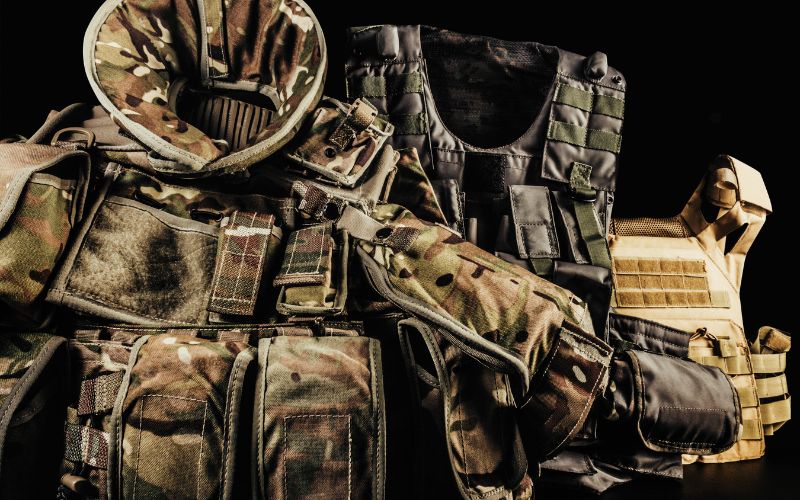
Body armor protection can be broadly categorized into soft and hard armor, each serving different purposes and offering varying levels of protection. This section explores these categories:
Soft Body Armor
Soft body armor is commonly used for protection against lower-velocity threats such as handgun rounds. It is made from woven fibers or layered materials like Kevlar and UHMWPE. The primary function of soft body armor is to absorb and disperse the bullet’s energy, preventing penetration. When a bullet strikes, the fibers absorb the impact energy and deform, spreading the force across a larger area. This reduces the blunt force trauma experienced by the wearer.
Hard Body Armor
Hard body armor, including rifle rounds, is designed to protect against higher-velocity threats. It typically consists of rigid plates from materials like ceramics or metals combined with composite materials. When a high-velocity projectile hits hard body armor, the ceramic layer breaks the bullet into smaller fragments. These fragments are then caught by the underlying composite layers, which absorb and dissipate the remaining energy. Hard body armor is heavier than soft but provides superior protection against high-energy impacts.
Concealed vs. Overt Body Armor
Tactical armor can be designed for concealed or overt use. Concealed body armor is typically lighter, more flexible, and suitable for covert operations and everyday use by law enforcement officers. Overt body armor is worn over clothing and is often used in high-risk situations where maximum protection is needed. It is more robust and can accommodate protective features like hard armor plates and equipment pouches.
Choosing The Right Armor
There are numerous choices when selecting bulletproof armor. Price, level of protection, weight, and coverage are all important factors. You need to consider your specific threat environment. Some users want concealability, while others require maximum ballistic protection and stab protection. Backpack insert body armor is a discreet option for those prioritizing portability and quick access in everyday scenarios.
For those looking for dependable Level IIIA bulletproof armor, many reliable products find a balance between performance, comfort, and price. Good brands usually display certification that meets NIJ performance standards, ensuring real-world protection.
Maintenance And Care Of Body Armor
- Inspect soft armor for signs of wear and tear, such as fraying or loss of flexibility.
- Check hard body armor plates for cracks or other damage.
- Keep body armor in a cool and dry place.
- Please keep it away from direct sunlight and chemicals.
- Follow the manufacturer’s instructions for cleaning, which typically involves gentle washing with mild soap and water.
Conclusion
The science behind ballistic protection and the intricate workings of body armor are a testament to advancements in materials science and engineering. Understanding these principles highlights the effectiveness of ballistic protection systems and underscores their importance in safeguarding lives. As technology continues to evolve, the future of ballistic protection promises even more sophisticated and reliable solutions, ensuring that those who put themselves in harm’s way have the best possible defense.
Frequently Asked Questions
What is the difference between Level II and Level IIIA armor?
Level II armor stops lower-velocity handgun rounds, such as 9mm, whereas Level IIIA is more resistant and stops 9mm and 44 Magnum rounds at higher velocities.
Can body armor stop stab threats as well as bullets?
Certain armor provides double protection, but basic ballistic panels often do not deflect knives or sharp blades. If necessary, consider armor with supplementary stab protection.
When should I replace my body armor?
Inspect the label for an expiration date. Soft body armor usually has a lifespan of 5 years. Also, check for obvious damage or wear, particularly after a blow or extended field use.
What ballistic protection materials are most effective?
The most effective ballistic protection materials depend on the threat level. For handgun protection, advanced aramid fibers like Kevlar and UHMWPE offer excellent lightweight protection. For rifle threats, ceramic composite plates combined with UHMWPE backing provide the best strength-to-weight ratio. Steel plates offer durability and multi-hit capability but at increased weight.
How does ceramic armor work in ballistic protection systems?
Ceramic armor works by shattering incoming projectiles upon impact. The extremely hard ceramic face breaks the bullet into smaller fragments, drastically reducing penetration capability. These fragments are then caught and absorbed by backing layers of synthetic fibers. This combination of hardness and energy absorption makes ceramic plates highly effective in modern ballistic protection systems.