







The Role Of Ballistic Shields In SWAT And Tactical Operations

SWAT teams rely on ballistic shields to move toward a threat while cutting exposure to gunfire, one of the most important pieces of equipment in a tactical unit’s kit. This guide covers the types of SWAT ballistic shields, the materials and NIJ protection levels behind them, and the tactics teams use to deploy them in high-risk warrant service, active shooter response, and hostage rescue.
What Is a SWAT Ballistic Shield?
A ballistic shield is a portable barrier designed to stop bullets and other projectile attacks. SWAT ballistic shields are built from advanced materials such as Kevlar, UHMWPE, and composite laminates that absorb and distribute the kinetic energy of an incoming round, preventing penetration. They come in many sizes, shapes, and configurations to suit the operation and level of protection required. For a detailed breakdown of the physics involved, see our guide on how ballistic shields stop bullets and other projectiles.
Ballistic shields are primarily used by SWAT teams, tactical units, and other law enforcement agencies during high-risk operations. They give officers a mobile protective barrier, allowing them to move toward a threat, engage a suspect, or extract a hostage with significantly reduced exposure to gunfire. In a dangerous confrontation, a ballistic shield can be the difference between life and death.
Types of Ballistic Shields Used by SWAT
Not all SWAT shields are the same. Departments select specific shield types based on the anticipated threat, the operating environment, and mission requirements.
Level IIIA Entry Shields
The most common SWAT shield. Lightweight and hand-carried, Level IIIA shields stop common handgun threats including 9mm and .44 Magnum. Their compact profile suits dynamic entries, doorway clearance, and CQB environments where speed matters as much as protection.
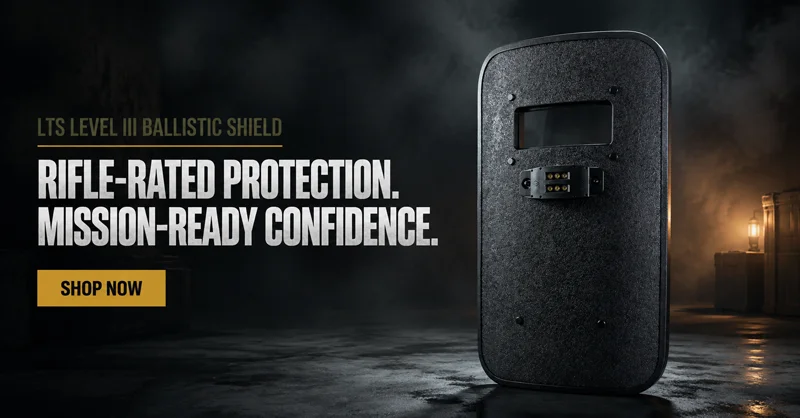
Level III Rifle-Rated Shields
Designed for high-threat environments where rifle fire is likely, such as active shooter incidents or operations against heavily armed suspects. Heavier than IIIA shields, they trade some mobility for the ability to stop rifle rounds including 7.62mm FMJ.
Level IV Mobile Barricade Shields
Wheeled shields used as mobile barricades rather than hand-carried protection. Level IV shields stop armor-piercing rounds but are too heavy for an operator to carry. They are rolled into position to create a fixed protective barrier during standoffs or negotiations.
CQB Compact Shields
Smaller-profile shields optimized for close-quarters battle. Their reduced footprint allows officers to move quickly through tight corridors, stairwells, and vehicle operations where a standard shield would impede movement.
Ballistic Shields vs. Riot Shields
Riot shields and ballistic shields serve different purposes. Riot shields, typically transparent polycarbonate, are designed for blunt force and projectile deflection during crowd control, but they are not rated to stop ballistic threats. SWAT ballistic shields are specifically engineered and NIJ-tested to stop bullets at defined velocities. Using a riot shield in a ballistic threat environment provides inadequate protection.
Ballistic Shield Materials and Construction
The material composition of a ballistic shield determines its protection level, weight, and durability. Modern SWAT shields use a layered approach, with each material performing a specific role in stopping a threat. Understanding the science of ballistic protection helps departments make informed decisions when selecting shields for specific threat environments.
- UHMWPE (Ultra-High-Molecular-Weight Polyethylene): The most advanced and lightweight ballistic material available. Extremely long polymer chains create exceptional tensile strength. UHMWPE shields can achieve Level III rifle protection at a fraction of the weight of steel alternatives.
- Kevlar / Aramid Fiber: The standard material for Level IIIA handgun-rated shields. Woven aramid fibers absorb and redistribute bullet energy across a wide area, preventing penetration. Multiple layers are laminated together to build up the required protection rating.
- Polycarbonate Viewports: Ballistic-rated transparent windows set into the upper face of the shield. These allow the operator to maintain visual awareness while remaining behind cover. Viewport glass is independently tested to match the shield’s ballistic rating.
- Ceramic Composites: Used in rifle-rated and Level IV shields. A hard ceramic strike face shatters the bullet on impact; a UHMWPE or aramid backing layer catches the fragments. This multi-material approach is what makes rifle-rated protection achievable at manageable weights.
Departments comparing shields before a purchase can also review our ballistic shield buying guide for a side-by-side look at how these materials affect price, weight, and protection level.
NIJ Protection Levels for SWAT Ballistic Shields
All law enforcement ballistic shields in the U.S. are rated to NIJ Standard 0108.01, the National Institute of Justice’s testing protocol for ballistic resistance. The NIJ rating tells you exactly which threats a shield is certified to stop.
| NIJ Level | Threats Stopped | Typical Use |
|---|---|---|
| Level IIIA | 9mm, .357 SIG, .44 Magnum | Standard SWAT entry operations |
| Level III | 7.62mm FMJ rifle rounds | High-threat warrant service, active shooters |
| Level IV | .30-06 AP armor-piercing rounds | Mobile barricade, extreme-threat scenarios |
Approximately 84% of SWAT teams rely on Level IIIA shields for general operations because they offer the best balance of protection and mobility against the most common handgun threats encountered in law enforcement. Rifle-rated Level III shields are deployed when intelligence suggests armed suspects may be carrying long guns.
Chase Tactical’s NIJ-certified ballistic shields are independently tested through NVLAP-accredited laboratories to NIJ 0108.01 and are available in Level IIIA and Level III ratings, battle-tested by law enforcement SRT units and U.S. military forces worldwide. Departments looking at specific models can start with the LTS Level III shield for rifle-rated entries or the FRS Level III shield for a lighter rifle-rated option.
Find the Right NIJ Protection Level for Your Mission
What Can a Ballistic Shield Stop?
A ballistic shield stops whatever threat its NIJ rating covers, and no single shield stops every type of ammunition. A Level IIIA shield is rated to stop handgun rounds such as 9mm, .357 SIG, and .44 Magnum, which accounts for the majority of threats SWAT teams face during standard entries. A Level III shield is rated to stop 7.62mm FMJ rifle rounds, which is what departments reach for when intelligence points to a rifle-armed suspect.
Level IV shields add protection against .30-06 armor-piercing rounds, though that added capability comes with a weight that rules out hand-carrying. A shield’s rating does not extend to threats outside its tested calibers, so departments size and select a shield to the specific threat profile of the operation rather than treating any one shield as universal protection.
Weight, Size, and Maneuverability
Shield selection involves a direct trade-off between the level of protection and the operator’s ability to move efficiently. Heavier shields slow down entries and increase fatigue during extended operations.
- Level IIIA shields typically weigh 14-22 lbs, allowing rapid movement through doorways and stairwells.
- Level III rifle-rated shields typically weigh 18-30 lbs, requiring more physical endurance and reducing movement speed.
- Size selection follows the environment: smaller shields (approximately 20″ x 30″) for tight CQB corridors and vehicle operations; larger shields (24″ x 48″) for open-area advances and hostage situations requiring maximum body coverage.
Operator fatigue is a real tactical factor. Departments incorporate shield carry endurance into their training rotations, and most teams rotate the shield operator during prolonged standoffs to maintain peak responsiveness.
SWAT Ballistic Shield Tactics: How Teams Use Shields in Operations
Ballistic shields are important equipment that increases safety and efficiency in tactical operations. They help officers approach dangerous situations with reduced exposure to gunfire and other threats. Shields offer protection while facilitating the maneuverability needed to close distance on a threat, which is central to how SWAT teams apply shield tactics across every mission type below.
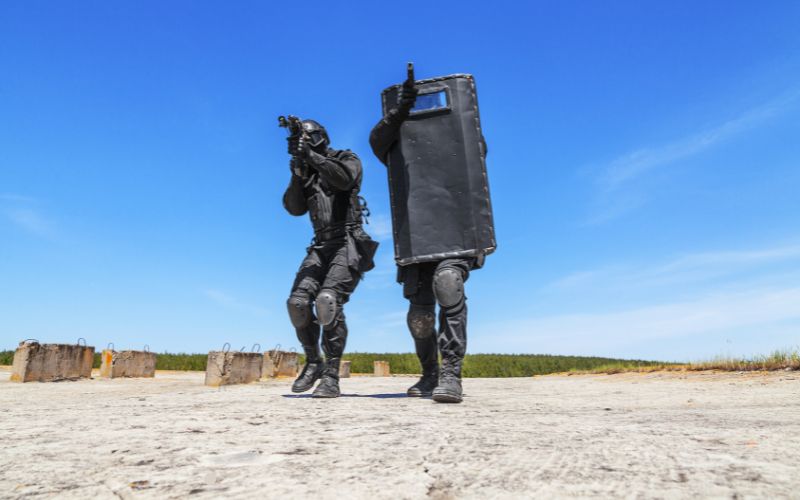
Several officers working in tandem often use ballistic shields. This collaborative use protects the entire team while advancing toward a suspect or securing a dangerous area. Many SWAT officers position themselves in a protective “wall” formation, moving in tandem, a technique particularly effective in hostage rescue operations or when entering a building with an unknown threat.
Close-Quarters Combat (CQC)
Tactical operations are often executed in close-quarters combat environments, where officers may face suspects at point-blank distances in cramped spaces. In those situations, ballistic shields protect against sudden gunfire, stabbings, and close-range physical attacks. The shield deflects bullet penetration and neutralizes various physical threats including edged weapons used at proximity.
Compact shields are specifically designed for these CQB conditions, protecting the operator while allowing effective engagement in doorways, corridors, and stairwells. Learn more about how police shields enhance safety in high-risk situations.
High-Risk Warrant Service
The most frequent SWAT shield deployment. Officers approach a target structure under shield cover, with the shield operator leading the stack through the threshold. The shield provides immediate protection against any armed occupant responding to the breach, allowing the team to enter and clear the structure.
Barricaded Suspect and Hostage Rescue
When a suspect barricades themselves inside a structure, with or without hostages, negotiators and entry teams use shields to maintain a protected perimeter. If negotiations fail and an entry is required, the shield operator leads the team toward the threat. In hostage rescue, the shield provides cover for both the officers and any civilians being extracted.
Active Shooter Response
Active shooter incidents are dynamic and unpredictable. Shields allow first responders and SWAT to advance toward the threat rather than taking static cover, reducing casualties by stopping the shooter faster. The shield operator leads the contact team directly toward gunfire, providing mobile cover while other team members engage.
Crowd Control and Civil Unrest
Ballistic shields are versatile across tactical situations. During crowd control or civil unrest operations, officers form a shield line to create a physical and ballistic barrier between themselves and a volatile crowd. Unlike riot shields, SWAT-rated ballistic shields provide protection against both thrown projectiles and firearms if a crowd situation escalates to an armed threat. For a closer look at what departments issue alongside shields for these operations, see our guide to riot gear for law enforcement.
Training for Effective Ballistic Shield Use
Owning a ballistic shield provides no tactical advantage without proper training. Every SWAT officer who serves as a shield operator requires dedicated instruction in both solo and team shield deployment. Civilians and security professionals can also benefit from structured ballistic shield training to develop safe and effective handling skills.
Core training elements include: establishing a proper static hold (shield held away from the body, slight downward cant), lateral and forward movement drills, pivoting and doorway entry techniques, firearms integration (drawing and firing while maintaining shield coverage), reloading behind the shield, and low-light operations with integrated lighting.
Team training focuses on stack formations, coordinated movement through structures, communication protocols behind the shield, and rotating the shield operator during extended operations. Departments that incorporate regular shield training into their rotation maintain faster, safer entries than those that treat shields as passive equipment.
Ballistic Shields vs. Other Protective Equipment
Ballistic shields and body armor serve complementary but distinct roles. Body armor, worn on the officer, provides continuous ballistic protection while allowing full freedom of movement, making it essential for patrol and extended operations. Ballistic shields provide mobile cover that protects the officer’s entire front and anyone sheltering behind them during specific moments of advance or engagement in a high-risk scenario.
The two are not interchangeable: a shield cannot be worn, and body armor cannot stop rifle rounds at the levels of protection a dedicated shield can. In SWAT operations, officers typically deploy both, wearing body armor as a baseline while using a ballistic shield during the active entry phase. For a full comparison of when to use each, see Ballistic Shields vs. Bulletproof Vests: When to Use Each.
Ballistic Shields vs. Riot Shields: What Sets Them Apart
Ballistic shields and riot shields are often confused because they look similar from a distance, but they are built for different jobs. A riot shield is a lightweight polycarbonate shield designed to deflect thrown objects and absorb baton or impact blows during crowd control. It is not tested to any NIJ ballistic standard, so the honest answer to whether a riot shield stops bullets is no, it does not.
A SWAT ballistic shield is a different piece of equipment entirely. It is built from Kevlar, UHMWPE, or ceramic composite layers and independently tested to NIJ Standard 0108.01, which is what allows it to be rated to stop 9mm, .44 Magnum, or 7.62mm rifle rounds depending on the level. Some departments deploy a ballistic shield in a crowd-control role specifically because a standard riot shield offers no protection if the situation escalates to gunfire. If there is any chance of an armed threat, a NIJ-rated ballistic shield is the right tool, not a riot shield.
Ballistic Shields vs. Ballistic Blankets
Ballistic blankets serve a related but distinct purpose. A ballistic blanket is a flexible Level IIIA soft-armor panel built to be draped over an object, a vehicle interior, or a person rather than carried in front of an advancing operator; Chase Tactical’s own ballistic blankets are tested to NIJ 0108.01 for protection against handgun rounds as well as shrapnel and fragments.
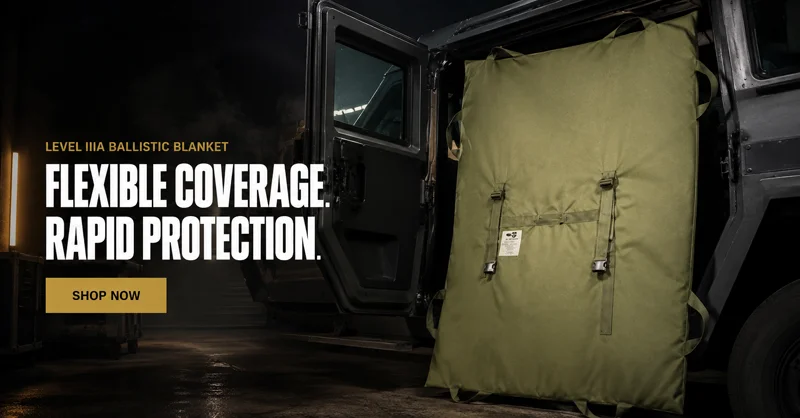
A ballistic shield, by contrast, is built to be carried and advanced with during an entry or approach. The choice between the two comes down to the scenario: a shield for an operator who needs to close distance on a threat, a blanket for covering something or someone that is not moving.
Conclusion
Ballistic shields are among the most life-critical pieces of equipment in a SWAT officer’s kit. Selecting the right shield, matched to the correct NIJ protection level, built from the right materials, and equipped with the features your operational environment demands, is a decision that directly affects mission outcomes and officer survivability. Whether conducting a high-risk warrant service, responding to an active shooter, or extracting a hostage, ballistic shields give tactical teams the mobile protection they need to advance under fire.
For departments and operators evaluating options, see the full range of NIJ-certified SWAT shields, or start with our ballistic shield buying guide to compare models by weight, size, and protection level. For a deeper look at how shield technology has evolved, read How Ballistic Shields Evolved Military and Police Tactics.
Frequently Asked Questions
Are all SWAT ballistic shields bulletproof?
What materials are used in SWAT ballistic shields?
What NIJ protection level do most SWAT shields use?
Do ballistic shields stop rifle rounds?
Yes, some of them are even designed to stop rifle rounds. Shields rated Level III or above can protect against rifle ammunition. They are well suited for operations involving armed suspects.