




Tactical Gloves by Role for Shooting, Patrol, Medical, and Cold Weather

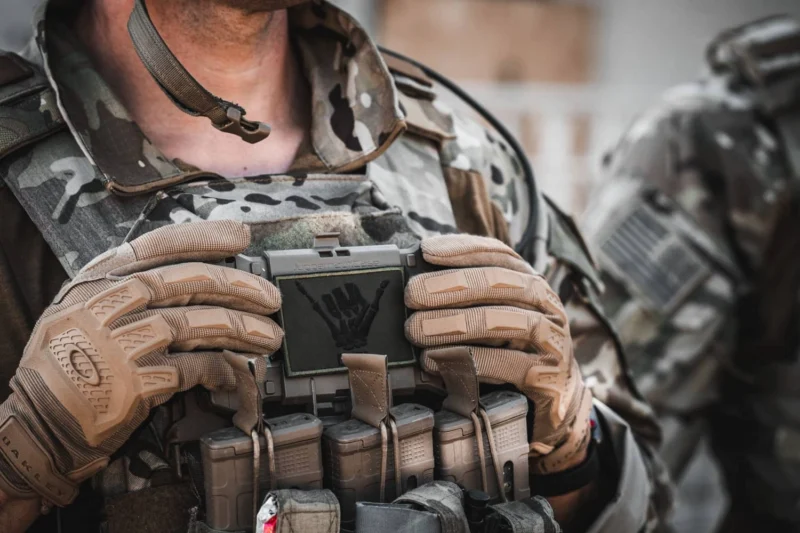
Not every job needs the same glove. A patrol officer, a shooter on the range, a medic working a trauma call, and an operator in sub-freezing weather are all solving different problems with their hands, and a glove built for one role often falls short in another. This guide breaks tactical gloves down by role so you can match the fit, material, and features to what you actually need. Browse the full lineup of tactical gloves to compare current options as you read through each role below.
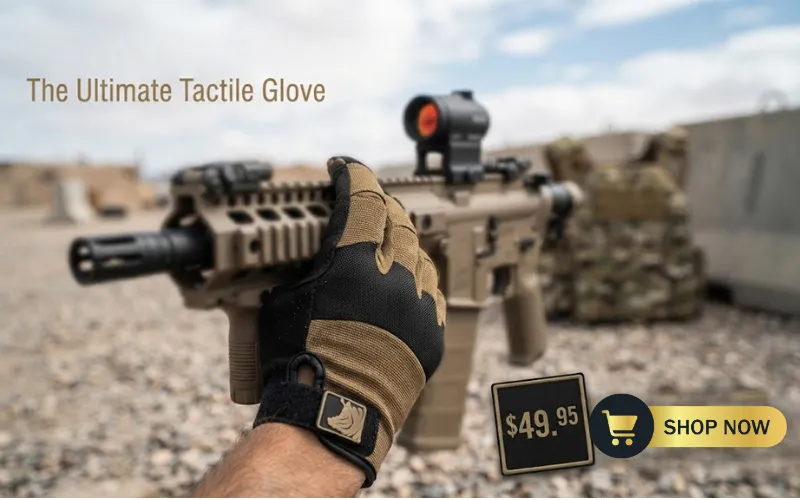
Range and Shooting Roles
Trigger feel is the priority here. A shooting glove needs a thin, sensitized trigger finger and a single-layer palm so the shooter can maintain the same feedback on the grip and trigger as bare-handed shooting, without sacrificing protection from hot rails or rough surfaces. Touchscreen-compatible fingertips also matter for shooters running optics apps or GPS devices mid-session. For a deeper look at what separates a shooting-capable glove from a general-purpose one, see our guide on whether tactical gloves work for shooting.
Patrol and Law Enforcement Roles
Patrol work covers a wider range of tasks in a single shift than range work does: vehicle stops, restraint application, evidence handling, and general duty tasks. A patrol glove needs enough dexterity for radio and phone use, along with sufficient abrasion resistance to withstand pavement, cuffing, and daily wear. Cut resistance is worth prioritizing for officers who regularly search vehicles or persons. Our essential police gear guide covers where gloves fit into a full duty loadout.
Medical and Trauma Response Roles
Medics and combat lifesavers need dexterity above almost everything else, since fine-motor tasks like IV placement, tourniquet application, and wound packing suffer if the gloves are too thick or too stiff. A close-fitting glove with minimal bulk in the fingertips lets a medic keep working through a full trauma sequence without stopping to remove gloves for delicate tasks, which matters when seconds are the difference in a field response.
Cold Weather Operations
Cold changes the priority list entirely. Dexterity still matters, but insulation and wind resistance become equally important, since numb fingers slow down every task from weapon manipulation to radio operation. Layering strategies, a thinner contact glove under a heavier shell, let operators keep some dexterity while adding warmth as conditions demand, rather than committing to one bulky glove for the entire operation.
Features That Matter Across Every Role
- Touchscreen compatibility: Conductive material on the thumb and index finger lets you use a phone, GPS, or an optic app without removing the glove, which is useful in nearly every role.
- Reinforced stitching: High-stress areas, the palm seams and finger joints especially, should hold up to repeated flexing without fraying.
- Breathable liner: Ventilated forschette material between fingers reduces sweat buildup during long wear, which matters for both hot-weather patrol shifts and extended range sessions.
For a broader look at glove construction and materials across all these use cases, see our full tactical gloves guide.
Frequently Asked Questions
Can one pair of tactical gloves work for both shooting and patrol duty?
Yes, for many users, a full-dexterity glove with a sensitized trigger finger works well for both roles, though officers with heavy vehicle or evidence handling duties may want a more abrasion-resistant option for patrol.
Why do medics need thinner gloves than patrol officers?
Medical tasks like IV placement and wound packing require fine motor control that a thicker, more abrasion-resistant patrol glove does not provide.
How should I layer gloves for cold-weather operations?
A thinner contact glove under a heavier insulated shell lets you retain some dexterity while adding warmth, rather than relying on one bulky glove for the entire operation.
Do touchscreen-compatible gloves reduce grip or trigger feel?
Not on well-designed gloves. The conductive material is typically isolated to the thumb and index fingertip, leaving the palm and trigger finger materials unchanged.