







Bug Out Bag Checklist: Everything You Need for 72 Hours

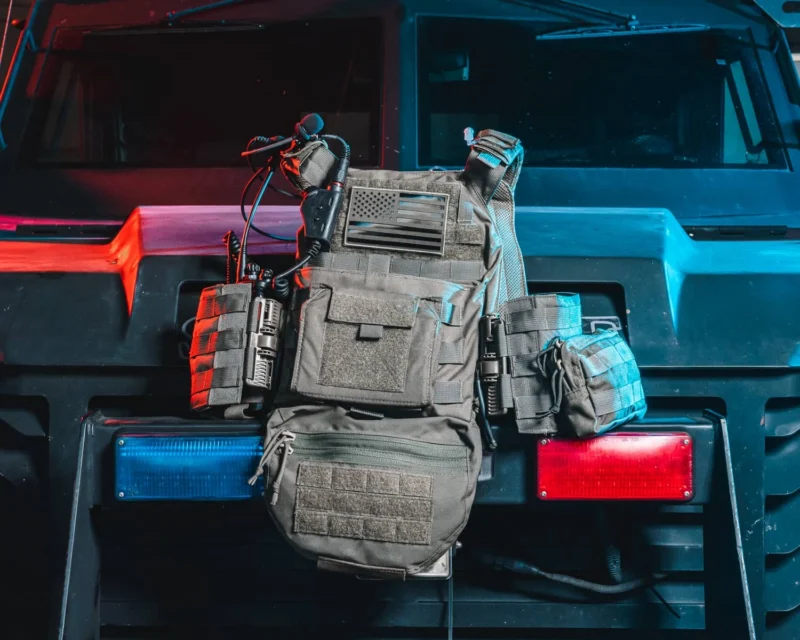
A bug-out bag only works if it is packed before you need it. This list breaks a 72-hour bag down by category, water, shelter, medical, tools, and communication, so you can build or audit your kit in one pass rather than guessing at what to include. If you want the full reasoning behind each category, our military-grade bug out bag guide goes deeper into material choices and mission-specific additions.
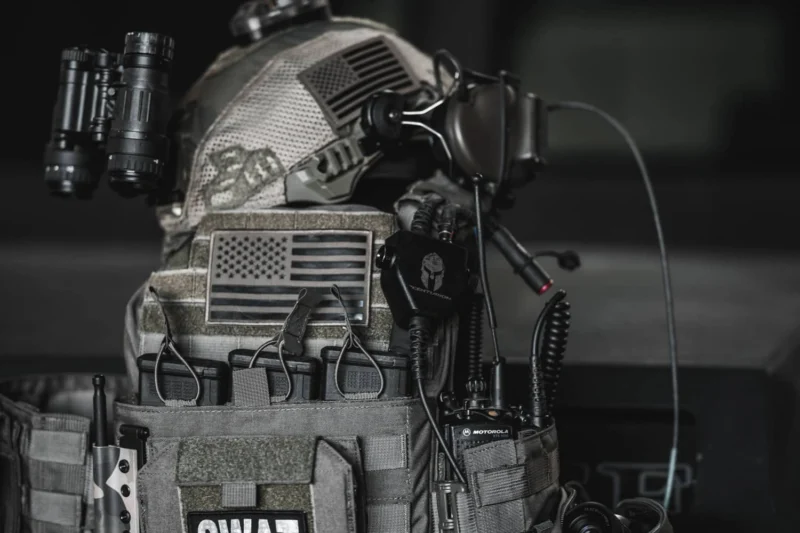
The Bag Itself
Everything else on this list depends on starting with a bag that can carry it. Look for high-denier nylon construction, padded straps that distribute weight across the shoulders, and enough internal organization that you are not digging blind during an emergency. Most 72-hour setups land in the 30- to 50-liter range, large enough for multi-day essentials without becoming unmanageable on foot. Browse Chase Tactical backpacks and gear bags or read our full tactical backpack guide for sizing and feature tradeoffs.
Water
- A durable water bottle or hydration bladder, 2 to 3 liters minimum
- A compact water filter or purification tablets for resupply
- A collapsible water container for camp or vehicle storage
Water is the single resource you cannot substitute for. Build in both a carry capacity and a resupply method, since a 72-hour bag that only holds water and has no way to purify more runs dry fast in an extended scenario.
Shelter
- A lightweight tarp or emergency bivvy
- A compact sleeping bag rated for cold weather
- Paracord or similar cordage for shelter setup and general use
Shelter items should be small and easy to set up quickly. A tarp-and-cordage combination covers most weather scenarios without the bulk of a full tent, and an emergency bivvy adds a layer of warmth that takes up almost no pack space.
Medical
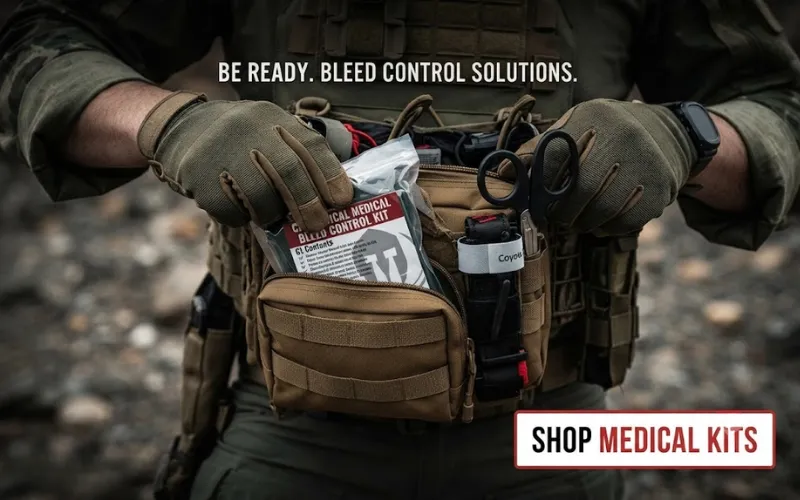
- A trauma-capable first aid kit, not just adhesive bandages
- Any personal prescription medications, rotated regularly
- Basic over-the-counter medication for pain, allergies, and stomach issues
Medical supplies are the category people most often under-pack. A kit built for scrapes will not help with a serious laceration or a sprain during evacuation. Build toward a trauma-capable kit and rotate both medication and supplies on a schedule so nothing expires unnoticed in the bottom of the bag.
Tools and Navigation
- A fixed-blade or multitool for general use
- A fire starter, ideally more than one method
- A physical map and compass as a non-battery backup to GPS
- A headlamp or flashlight with spare batteries
Redundancy matters most in this category. Anything that depends on a battery, a GPS signal, or a single ignition method should have a low-tech backup packed alongside it.
Communication
- A hand-crank or battery-powered NOAA weather radio
- A whistle or signaling device
- A charged power bank for phones and small electronics
In a regional emergency, cell networks are often the first thing to fail. A standalone radio that can pull NOAA weather alerts independent of cell service closes that gap. Our survival radio guide walks through what to look for, and our emergency communication methods guide covers backup options beyond a single radio.
Shop Trauma-Ready First Aid Kits
Food and Cooking
- Calorie-dense, non-perishable food for 72 hours
- A compact stove or means to heat water
- A lightweight mess kit or single container for eating and cooking
Personal and Miscellaneous
- A change of weather-appropriate clothing, including socks
- Basic hygiene items
- Cash in small denominations, since card networks may be unavailable
- Copies of key identification and documents in a waterproof pouch
Military vs. Civilian Priorities
Not every bag needs the same emphasis. A civilian bug-out bag leans toward comfort and general-purpose utility for hurricanes, evacuations, or extended power outages, while a military-style bag adds items like tactical medical trauma kits and more rugged construction built to keep up with an operational pace. If you are deciding which approach fits your situation, our military vs. civilian bug out bag comparison breaks down the differences in materials, capacity, and intended use.
Frequently Asked Questions
How much should a bug-out bag weigh?
Most 72-hour bags land between 20 and 30 pounds fully packed. Heavier loads are difficult to move quickly on foot, so prioritize items that serve multiple purposes.
How often should I check my bug-out bag?
Check it at least every six months. Rotate food, water, and any medication, and confirm batteries and fire starters still work.
Do I need a bug-out bag for every family member?
Yes, ideally scaled to each person’s size and needs. Children’s bags can be lighter and simpler, but every family member should have a bag they can carry themselves.
What is the biggest mistake people make when packing a bug-out bag?
Packing based on what feels comforting rather than what is actually needed. Redundant water purification, trauma-capable medical supplies, and reliable communication tend to matter more than extra gadgets.