








Best Plate Carrier for Law Enforcement: A Duty Officer’s Buying Guide

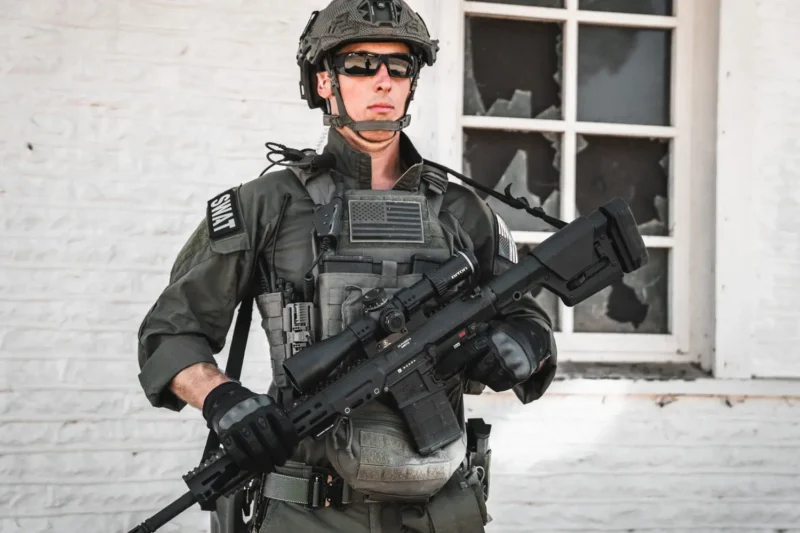
A duty plate carrier has different priorities than a range or training rig. It needs to survive a full shift, allow fast access to a duty belt and radio, and come off in seconds if a medic needs to reach an officer’s chest. This guide covers what actually matters when choosing a plate carrier for patrol, tactical, or active-shooter response roles, and how Chase Tactical’s carrier lineup fits each use case.
What to Look for in a Law Enforcement Plate Carrier
Weight and Shift Comfort
Patrol officers wear their carrier for an entire shift, often eight to twelve hours, so weight and breathability matter as much as protection. A carrier built from lightweight Cordura with a mesh cummerbund and padded straps reduces fatigue over a long tour in a way that a heavier tactical-first design does not.
Front Access to Gear
Officers need fast access to the chest area for radio checks, camera activation, and gear staged on the front panel. A carrier with a large front hook-and-loop field and vertical clip attachment points lets you mount a placard or a weapon-specific pouch panel without digging through layers of MOLLE straps.
Quick-Release Capability
A standard carrier can take 30 seconds or more to remove, which is too slow if an officer goes down and needs immediate access to the chest. A quick-release cummerbund system brings that down to a few seconds, and it is worth treating as a requirement rather than an upgrade for any duty carrier. Our quick-release plate carrier guide covers how these systems work and what separates a genuine emergency release from a carrier that is simply easy to put on.
MOLLE Compatibility for Mission-Specific Loadouts
Patrol and tactical roles call for different loadouts, and a carrier with MOLLE webbing on the cummerbund and back panel lets a department standardize on one carrier for both roles, adjusting the pouch configuration rather than issuing separate carriers for each assignment.
Plate Compatibility and Protection Level
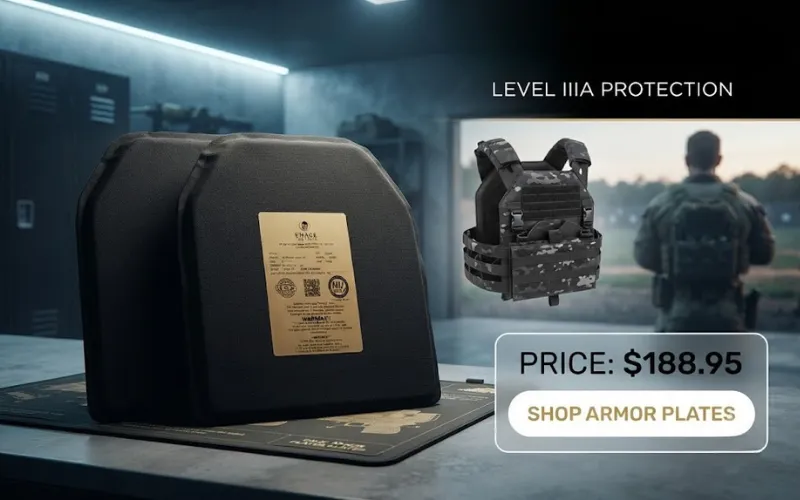
The carrier itself provides no ballistic protection. It exists to hold plates in the correct position, so confirm the carrier accepts the plate size and cut your department has standardized on, typically 10×12 shooter cut for both soft and hard armor. For a full breakdown of protection levels and which threats each one addresses, see our guide to body armor levels police use and our Level III vs. Level IV comparison.
Matching the Carrier to the Role
Patrol Officers
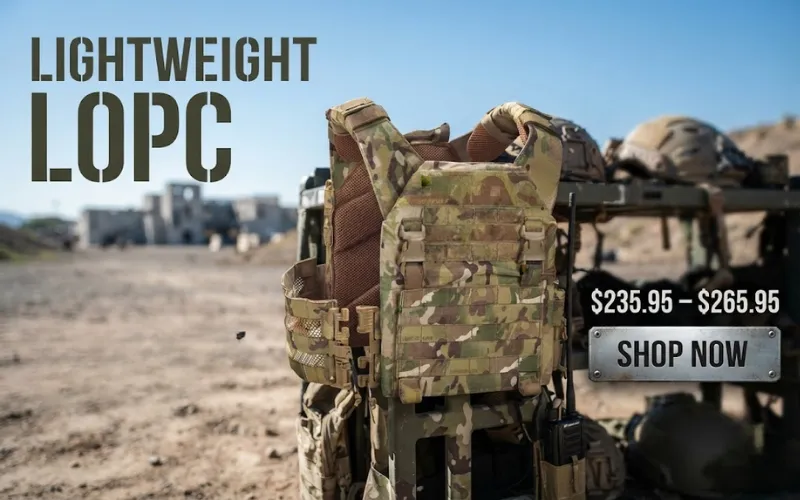
Most patrol officers are best served by a lightweight, low-profile carrier worn over soft armor, prioritizing all-shift comfort and a low visual profile under a uniform shirt or jacket. The Chase Tactical LOPC fits this role well, with a breathable mesh cummerbund and adjustable padded straps built for extended wear.
Tactical and SWAT Units
High-risk entry and active shooter response calls for a carrier capable of carrying heavier hard plates and a full MOLLE-mounted loadout, including spare magazines, trauma gear, and communication equipment. Weight and bulk become secondary to protection level and gear capacity in this role.
Plainclothes and Undercover Roles
Officers who need concealment under civilian clothing should consider a low-visibility slick carrier with minimal external bulk, elastic side adjustment, and a low infrared signature, rather than a MOLLE-heavy design.
Frequently Asked Questions
What level of body armor should a patrol officer wear?
Most patrol officers wear NIJ 0101.06 Level IIIA soft armor as their daily vest, since it protects against the handgun threats most commonly encountered on patrol while remaining lightweight enough for a full shift.
Do law enforcement plate carriers need a quick-release system?
A quick-release cummerbund is strongly recommended for any duty carrier, since it allows medics to access an injured officer’s chest in seconds rather than the 30 or more seconds a standard carrier can take.
Can the same plate carrier work for both patrol and tactical roles?
Yes, if the carrier is MOLLE-compatible and supports both soft and hard armor plates. Departments can standardize on one carrier and adjust the pouch loadout and plate configuration by role rather than issuing separate carriers.
What plate size is standard for law enforcement carriers?
10×12 shooter cut is the most common size for both soft and hard armor plates in law enforcement use, though officers should always confirm sizing against their specific carrier and body measurements.