





Tactical Gloves: A Must-Have For Performance And Protection


Tactical gloves are purpose-built gloves that protect your hands from cuts, abrasion, impacts, heat, and cold while keeping the grip and dexterity you need to handle firearms, tools, and equipment. Military personnel, police officers, range shooters, first responders, and outdoor users rely on them because ordinary work gloves are usually too bulky for precise tasks.
A good pair only performs well when it fits and is worn correctly. This guide covers what tactical gloves are made of, the features that matter, how to wear tactical gloves for a secure and comfortable fit, the main glove types, how to choose the right pair, and how to care for them so they last.
What Are Tactical Gloves Used For?
Tactical gloves are used anywhere your hands need protection without losing feel. Common uses include:
- Military operations: Handling weapons, gear, ropes, and vehicles in rough terrain and changing weather.
- Law enforcement: Patrol work, searches, and handling equipment where cuts and abrasions are a risk. Gloves are part of most lists of essential law enforcement gear.
- Shooting and range training: Protecting hands from heat and abrasion while keeping trigger control.
- Medical and rescue work: Medics and rescuers often wear tactical gloves for extraction and scene work, then switch to medical gloves for patient care. See our guide to tactical gear for EMS for the wider kit.
- Outdoor and emergency use: Hiking, climbing, camping, and emergency preparedness.
Tactical Gloves vs Regular Work Gloves
So what are tactical gloves compared with the work gloves you can pick up at a hardware store? Both protect your hands, but they are built for different jobs. Work gloves are usually made for heavy lifting and rough material handling, so they tend to be thick and loose. Tactical gloves are designed around precision and control, so you can run a pistol, operate a radio, or tie a knot without taking them off.
- Fit: Tactical gloves sit close to the hand like a second layer of skin, while work gloves often leave extra room in the fingers and palm.
- Dexterity: Thin palms, flex joints, and a sensitized trigger finger let you feel what you are holding. Most work gloves trade that feel for bulk.
- Grip: Tactical gloves place grip material exactly where your hand meets a weapon or tool, which helps in wet and dusty conditions.
- Protection profile: Tactical gloves add targeted padding over the knuckles and edges of the hand without covering the whole glove in heavy material.
- Extra features: Touchscreen fingertips, pull loops, and low-profile closures are common on tactical gloves and rare on standard work gloves.
If your tasks involve fine motor control under pressure, a tactical glove is the better choice. For a wider look at how the two categories compare, read our breakdown of the difference between tactical and regular gear.
The Evolution of Tactical Gloves
The origins of protective tactical gloves date back to early warfare, when soldiers relied on basic leather gloves for protection against the elements and battlefield hazards. These gloves offered durability, insulation, and some dexterity but lacked the features required for modern combat. During World Wars I and II, soldiers needed better hand protection in increasingly complex environments, which pushed glove design toward more functional patterns.
As warfare advanced, so did glove technology. Materials like Kevlar and synthetic leather led to specialized gloves that were more protective, lighter, padded, and suited to different conditions. Today, tactical gloves are used well beyond the military, including police work, outdoor sports, and DIY projects. Whether you need fingerless gloves for dexterity, camouflage for concealment, or insulated gloves for extreme climates, modern pairs are built to protect your fingers and support the task at hand.
What Are Tactical Gloves Made Of?
Most tactical gloves combine several materials, each placed where it does the most work. The palm needs grip and abrasion resistance, the back of the hand needs flexibility and some impact protection, and the fingers need sensitivity. Common materials include:
- Synthetic leather: Durable and abrasion resistant with good grip. Clarino is a well-known synthetic leather used on palms and fingers, including on the trigger finger of the PIG gloves we carry.
- Natural leather: Strong grip and toughness, though usually less breathable than synthetic options.
- Synthetic suede: Soft and flexible. Conductive versions allow touchscreen use.
- Ballistic nylon: Tough woven nylon used on knuckles and the back of the hand for abrasion and light impact protection.
- Kevlar: Adds cut resistance and heat resistance in gloves designed for higher-risk tasks.
- Neoprene: Flexible and water resistant, often used in cuffs or wet-weather gloves.
- Mesh or microfiber: Improves airflow so hands stay drier and cooler.
- Silicone grip prints: Printed onto palms and fingers to improve hold on tools and weapons.
The right mix depends on your environment. A range glove favors thin palms and ventilation, while a cold-weather glove adds insulation and a heavier shell.
Key Features Of Tactical Gloves

Tactical gloves are built to be functional without giving up comfort or protection. The features below separate a reliable pair from ordinary gloves, and they are also what you should check when you try a pair on.
Durable Construction
Tactical gloves need to stand up to hard use while allowing full hand movement. Abrasion-resistant materials such as synthetic leather, synthetic suede, and ballistic nylon make them suitable for field work and outdoor survival missions. Reinforced stitching, such as bar tacking and reverse stitching at stress points, helps prevent tearing and fraying.
Improved Grip
In high-risk situations, a sure grip on tools, weapons, or equipment is essential. Tactical gloves use textured palms or silicone grip prints placed where your hand makes contact with firearms, tactical tools, or climbing equipment. A single-layer palm is common on dexterity-focused gloves because it keeps only one layer of material between your hand and the grip. For a deeper look at grip and control, read our guide to high-performance shooting gloves.
Touchscreen Compatibility
Phones, GPS units, and tablets play a large role in modern military equipment and police work, so you should be able to use devices without taking your gloves off. Many tactical gloves use conductive material on the thumb and index finger, which lets you operate a touchscreen while keeping your hands covered. This matters most in operations where communication is constant, such as search and rescue.
Breathability and Comfort
Comfort decides whether you keep your gloves on during long shifts. Ventilation holes, mesh panels, flex joints, and moisture-wicking materials help keep hands dry. Sweaty hands slip inside the glove and lose grip, so breathable gloves help you stay focused in hot climates and high-stress situations.
Knuckle Protection
Knuckle protection guards against impacts, abrasion, and blunt trauma, which matters in close quarters and rough terrain. Protection ranges from thin padding under ballistic nylon to hard knuckle shells. Padded knuckles keep the glove flexible, while hard knuckles give more impact protection at the cost of some bulk.
Dexterity
The best tactical gloves give strong protection without blocking fine motor skills such as operating small controls, reloading, or performing first aid in the field. Thin, tough materials and a close fit create a “second skin” feel so you can handle objects precisely. If you regularly handle firearms or technical equipment, prioritize gloves built for full dexterity.
How to Wear Tactical Gloves
Even a well-made glove will slow you down if it is the wrong size or worn loosely. Follow the steps below each time you gear up, and you will get the grip, dexterity, and protection the glove was designed to give.
1. Choose the Right Size
Measure around the widest part of your dominant hand, across the knuckles and excluding the thumb, then compare that number with the size chart for the glove you are buying. Sizing varies between models, so always use the chart for that specific glove. If you fall between sizes, think about how you will use the glove: a snug fit suits shooting and fine work, while a little extra room helps if you plan to wear a liner in cold weather.
2. Inspect the Gloves Before Use
Check for loose stitching, worn palms, holes in the fingertips, and damaged closures. Small tears grow quickly under load, and a weak seam can fail when you need grip the most.
3. Put Them On One Finger at a Time
Use the pull loop or cuff to open the glove, then slide your fingers in one at a time rather than forcing your whole hand in. Work each finger all the way to the tip. This avoids stretching the material unevenly and stops seams from twisting across your knuckles.
4. Secure the Wrist Closure
Once your fingers are seated, fasten the wrist. Gloves with a hook closure should be snug enough to stop the glove from shifting, but not so tight that they restrict blood flow or wrist movement. Slip-on gloves with an elastic wrist should sit flat with no gaps. A secure wrist keeps debris out and keeps the palm aligned with your grip.
5. Check the Fit and Test Your Dexterity
A correct fit has your fingertips reaching the end of each finger with little or no loose material, and no tightness across the knuckles when you make a fist. Before relying on the gloves, test them with the tasks you will actually perform:
- Make a full fist and open your hand several times.
- Grip and manipulate your firearm or primary tool.
- Pick up small items like a magazine, a coin, or a zipper pull.
- Use your phone or radio if the gloves are touchscreen compatible.
If you feel bunching in the palm, pressure at the fingertips, or the trigger finger feels dull, try a different size or model.
6. Break Them In
New gloves can feel stiff. Wear them during training, dry practice, and everyday tasks so the material shapes to your hand before you depend on them in the field.
7. Wear Them With the Rest of Your Gear
Decide whether your glove cuffs sit under or over your sleeves, and make sure they do not snag on your plate carrier, pouches, or holster. When you take your gloves off, stow them in the same place every time, such as a pouch or a glove clip on your belt, so you can find them fast. Our guide to tactical belt setup covers how to organize those attachment points.
Common Mistakes to Avoid
- Sizing up “just in case,” which leaves loose fingertips and poor trigger feel.
- Over-tightening the wrist closure until your hand tires or goes numb.
- Wearing gloves for the first time on a mission or qualification day.
- Using one pair for every condition instead of matching gloves to the climate and task.
- Ignoring worn palms or torn seams until the glove fails.
Where Tactical Gloves Should Fit, Flex, and Protect
Knowing how to wear tactical gloves is easier when you know what each zone of the glove is supposed to do. Use the checks below when you try on a new pair or adjust one you already own.
Fingertips and Trigger Finger
Your fingertips should reach the end of each glove finger with no empty space. This is where tactile feel matters most, especially on the trigger finger and thumb. Wrap-over or fold-over fingertips keep seams off the tip of the finger, which improves comfort and precision.
Palm and Grip Zones
The palm should lie flat against your hand with no bunching when you grip a pistol, rifle, or tool. Grip prints and reinforced panels belong on the palm, the inside of the fingers, and the thumb crotch, because those are the tactile areas that control what you hold.
Knuckles and Edges of the Hand
Padding is most important over the knuckles and along the outer edge of the hand, since these areas take the most impacts and scrapes in close quarters and rough terrain. The padding should line up with your knuckles when you make a fist, not sit above or below them.
Ventilation Areas
Ventilation is usually found between the fingers, on the inside forschettes, and through small holes in the palm and fingers. These zones release heat and moisture, so check that they are not blocked by a liner or tight cuff if you want your hands to stay cool.
Wrist and Closure
The wrist is where you adjust the fit. A hook closure or elastic cuff should sit just below the wrist bone, so it holds the glove in place and supports the palm alignment without limiting how far your wrist can bend. Adjust the closure after your fingers are fully seated, then flex your wrist up, down, and side to side to confirm it stays secure.
Where to Test Flexibility and Dexterity
The best place to test a glove is in the setting where you will use it. Run a few dry drills at home or on the range: draw and grip your firearm, change a magazine, open a pouch, and use your phone. If any task feels clumsy, the size or the glove style is not right for your usage.
Types Of Tactical Gloves
Many types of tactical gloves exist, and each is built for specific needs. Knowing the main categories helps you pick the right glove for the job. For a detailed breakdown by job, see our guide to tactical gloves by role.
- Combat gloves: Worn by military and police personnel on high-risk missions. They focus on durability, impact resistance, and protection against cuts and abrasions, often with padded or hard knuckles.
- Shooting gloves: Light and thin for maximum grip and tactile feedback, often with a sensitized trigger finger for better trigger control. If you are unsure whether your current pair is suitable, read can tactical gloves be used for shooting.
- Patrol gloves: Built for police officers who need comfort for long shifts, basic protection, and enough dexterity for field tasks and searches.
- Utility gloves: Versatile gloves for use on and off the range, balancing durability, comfort, and dexterity for everyday tasks.
- Cold-weather tactical gloves: Insulated for cold missions without giving up too much flexibility or grip. Many use synthetic insulation such as Thinsulate to stay warm while remaining light.
Combat and Military Gloves for Defense and Security Use
Combat gloves are the most protective group within tactical gloves. They are worn by military personnel, security teams, and emergency response units who face high-risk scenarios involving impacts, cuts, and heat. Because the mission level is higher, these gloves balance protection and dexterity differently from a range or utility glove.
What Military and Combat Gloves Are Made Of
Military gloves use the same core materials as other tactical gloves, but in heavier layers and with more reinforcement. Common combinations include leather or synthetic leather palms for grip and durability, flame-resistant fabrics on the back of the hand, Kevlar or other cut-resistant liners in high-wear zones, and padded or molded knuckle protection. Reinforced stitching and double-layer palms help them survive rough terrain and hard use.
Types of Combat Gloves
- Hard knuckle gloves: Use rigid knuckle guards for the highest impact protection in close quarters, with some loss of flexibility.
- Padded knuckle gloves: Use foam or padding under a tough outer layer, which keeps the glove more flexible for shooting and fine tasks.
- Flame-resistant gloves: Built for crews who work around heat, fire, or vehicles where flash protection is a concern.
- Cut-resistant defense gloves: Add cut-resistant layers for searches, breaching, and handling sharp objects in security and emergency response roles.
- Cold-weather combat gloves: Add insulation and a weather-resistant shell for winter operations.
If you work in patrol or security, compare these options with the rest of your duty kit. Our guide to tactical gear in law enforcement shows how gloves fit into a complete setup.
How to Choose the Best Tactical Gloves
With so many options, start by matching the glove to how you will actually use it. These criteria narrow the field quickly:
- Purpose: Police officers may put durability and knuckle protection first. Shooters usually want thin palms and trigger sensitivity. Hunters and outdoor users often prefer breathability and grip.
- Fit and sizing: Performance drops when a glove does not fit. Measure your hand as described above and use the model’s size chart. Most tactical gloves come in standard small to 2X-large sizing and are designed to fit close to the hand.
- Material: Leather excels in durability and grip, while synthetic materials offer better breathability and flexibility. Consider your working conditions before deciding.
- Climate: Working in extreme heat or cold? Choose ventilated, lightweight gloves for warm weather and insulated gloves for cold conditions.
- Features: Decide which features you need, such as touchscreen fingertips, padded knuckles, a pull loop, or a hook or elastic wrist closure.
Wearing Tactical Gloves in Different Weather and Environments
Climate changes how a glove performs, so the same pair rarely works well in every season. Use these considerations to match your gloves to the environment you operate in.
Hot Weather and Direct Sunlight
In heat, sweat is the main problem. Choose lightweight gloves with ventilation holes, mesh panels, and moisture-wicking materials to keep hands cool and maintain grip. Gloves also protect your hands from hot metal surfaces, such as weapons and vehicles that sit in direct sunlight.
Cold Weather and Winter Use
Winter gloves need insulation, but too much bulk ruins dexterity. Many users wear a thin, close-fitting tactical glove as a base layer and add an insulated outer glove or mitten when they are not handling weapons or tools. If you plan to layer, size your gloves so the outer pair fits over the inner pair without pressure on the fingers.
Wet Conditions and Water
Most dexterity-focused tactical gloves are not waterproof. Ventilation holes and breathable materials let water in as well as letting sweat out. Neoprene and gloves with a waterproof liner hold up better in rain and water work, while silicone grip prints help keep your hold on wet surfaces.
Rough Terrain and Outdoor Use
Climbing, crawling, and moving through rocky or wooded terrain puts heavy wear on palms and fingertips. Look for reinforced palms, bar-tacked stress points, and abrasion-resistant materials, and plan where your gloves will ride in your complete tactical loadout when you take them off.
How to Care for Tactical Gloves
Proper care keeps your gloves flexible, grippy, and safe to use. Always follow the care label first, then use these general practices:
- Brush off dirt and debris after each use.
- Hand wash in cool water with mild soap unless the label allows machine washing.
- Air dry away from direct heat and strong sunlight, which can stiffen or crack materials.
- Store gloves flat in a dry place rather than balled up in a wet bag.
- Inspect seams, palms, and closures regularly.
Replace your gloves when the palm material wears thin, seams split, the closure no longer holds, or the touchscreen fingertips stop responding. For broader tips on keeping your kit in shape, read our guide to tactical gear maintenance.
Why Choose Chase Tactical Gloves?
Chase Tactical carries the Patrol Incident Gear (PIG) Full Dexterity Tactical glove line for military, law enforcement, and shooting users who need dexterity without giving up protection.
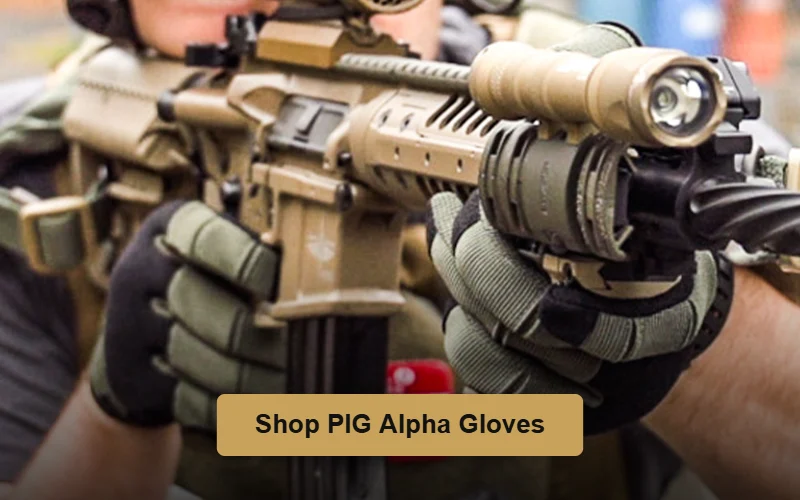
- PIG Alpha Full Dexterity Tactical Gloves Gen 2: Conductive thumb and trigger finger for touchscreen use, a single-layer multi-piece palm, a sensitized trigger finger made from thin Clarino material, padded knuckles in stretch 1000D ballistic nylon, ventilation holes in the palms and fingers, a low-profile hook closure, and a micro suede nose wipe.
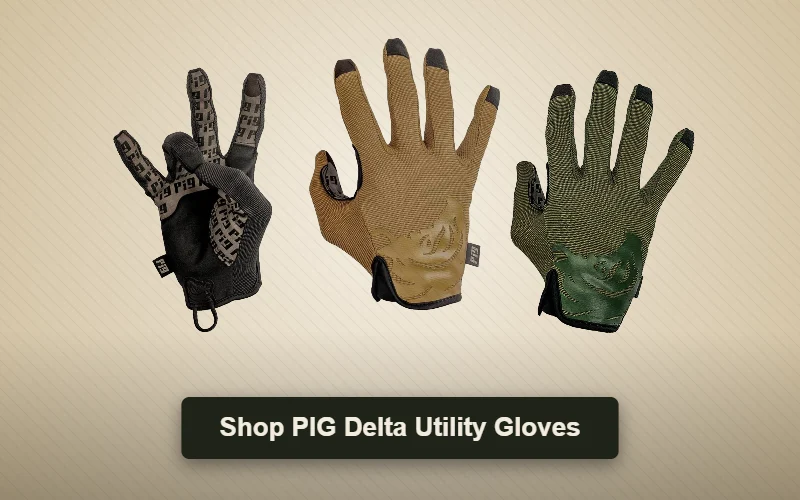
- PIG Delta FDT Utility Gloves: A slip-on glove with a touchscreen-compatible forefinger and thumb, a silicone printed palm grip, fold-over fingertips, and an elastic wrist for quick on and off.
Both are offered in sizes small through 2X-large, include flex joints and a bar-tacked paracord pull loop, and are backed by the limited lifetime warranty listed on their product pages. They pair well with the rest of your tactical gear.
Conclusion
Tactical gloves protect your hands while keeping the grip and dexterity you need in high-pressure situations. Choose a pair that matches your role and climate, size it carefully, put it on one finger at a time, secure the wrist, and test your dexterity before you rely on it. With regular inspection and proper care, a good pair will keep your hands protected and ready for action. Browse the PIG gloves above to find the right fit for your mission.
Frequently Asked Questions
How should tactical gloves fit?
Tactical gloves should fit snugly, with your fingertips reaching the end of each finger and little loose material in the palm. You should be able to make a full fist without tightness across the knuckles, and the wrist closure should stop the glove from shifting without cutting off circulation.
How do I find my tactical glove size?
Measure around the widest part of your dominant hand across the knuckles, not including the thumb, and compare it with the size chart for the specific glove. Sizing can differ between models, so do not assume your size in one glove matches another.
How do you put on tactical gloves properly?
Open the glove with the pull loop or cuff, slide in one finger at a time until each fingertip is seated, then fasten the wrist closure. Finish by making a fist and handling your gear to confirm the fit.
What are tactical gloves made of?
Tactical gloves are usually made from a mix of synthetic leather, natural leather, synthetic suede, ballistic nylon, mesh, and sometimes Kevlar or neoprene. Many add silicone grip prints on the palm and padding over the knuckles.
Are tactical gloves compatible with touchscreens?
Many are. The PIG Alpha Gen 2 and PIG Delta FDT Utility gloves use conductive material on the thumb and trigger finger, so you can operate touchscreen devices without removing them.
Can tactical gloves be used for shooting?
Yes. Full-dexterity tactical gloves with a thin palm and a sensitized trigger finger are designed to protect your hands while keeping trigger control and grip.
Can tactical gloves be used in cold weather?
Some tactical gloves are designed specifically for cold temperatures and use insulation such as Thinsulate to stay warm without losing much flexibility. Lightweight, ventilated gloves are better suited to warm weather.
How do you clean tactical gloves?
Follow the care label first. In general, brush off dirt, hand wash in cool water with mild soap, and air dry away from direct heat and strong sunlight.
When should tactical gloves be replaced?
Replace them when the palm wears thin, seams split, the closure stops holding, or the touchscreen fingertips no longer respond. Worn gloves lose grip and protection when you need them most.
How tight should tactical gloves be?
Tactical gloves should be snug but not restrictive. They should not slide when you grip a weapon or tool, and you should be able to make a full fist and bend your wrist freely without pressure points or numbness.
Are tactical gloves waterproof?
Most tactical gloves are not waterproof, especially full-dexterity models with ventilation holes. They dry quickly and keep grip in light rain, but gloves with neoprene or a waterproof liner are better for wet conditions.
Can you wear a watch with tactical gloves?
Yes. Most users wear their watch over the glove cuff or above it on the forearm. Short-cuff gloves make this easier, so check that the cuff and closure do not press the watch into your wrist.
What is the difference between tactical gloves and combat gloves?
Combat gloves are a type of tactical glove built for higher-risk military and security use. They usually add heavier knuckle protection, cut-resistant layers, or flame-resistant materials, while general tactical gloves focus more on dexterity and everyday field use.