



OD Green vs. Ranger Green: Which Is Better for Your Mission?

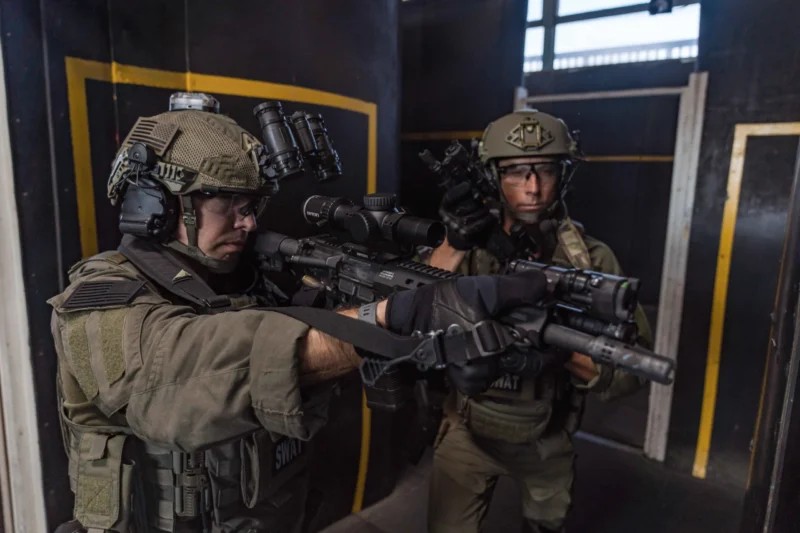
When comparing OD Green and Ranger Green, the right choice depends on your operational environment, not personal preference. OD Green thrives in bright, lush, vegetated settings, while Ranger Green excels in darker forests, shadowed terrain, and urban landscapes. Each color serves a distinct tactical purpose, and choosing the right one can make the difference between staying concealed and standing out.
Quick answer: OD Green (short for Olive Drab Green) is a warm, yellow-brown military green built for daylight, vegetated terrain. Ranger Green is a cooler, gray-toned green built for shadowed forests, urban settings, and low-light operations. Neither is a single fixed hex code; both vary slightly by manufacturer, fabric, and dye lot, which is why the comparison below focuses on how each one actually performs in the field.
This guide breaks down everything you need to know from color science to real-world performance so you can make the right call.
Want the full picture first? This is a supporting article. For a complete breakdown of how OD Green compares across every major military color, including Coyote Brown, Desert Tan, Foliage Green, and more, read our comprehensive guide: OD Green vs. Other Military Colors: A Complete Guide
Historical Background
OD Green, short for Olive Drab Green, dates back to World War I, when it was developed to reduce visibility on European battlefields. Blending naturally with forested and rural landscapes, it became the standard utility uniform color across all U.S. military branches from 1952 through 1989.
During World War II, the shade darkened to OD No. 7 to adapt to the diverse terrains encountered in global operations. Each branch later fine-tuned the color to suit its specific mission requirements. For a closer look at how the shade itself evolved, see our breakdown of OD Green’s color history.
Ranger Green emerged later as a modern alternative, specifically developed for Special Operations Forces, reflecting the shift toward darker, more mixed-environment deployments. Where OD Green defined an era, Ranger Green represents the evolution of military color science into the 21st century.
For the full history of OD Green’s role in military uniforms, see: The Significance of OD Green in Military Uniforms.
Color Composition: A Comparative Analysis
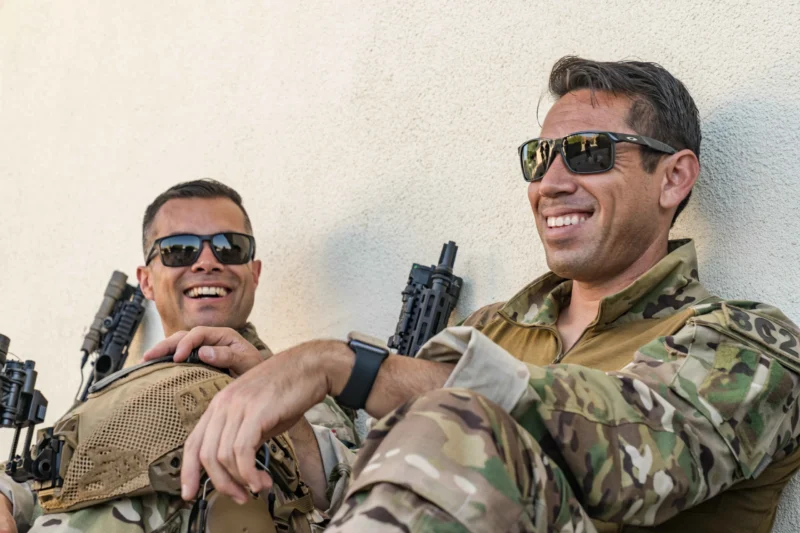
The fundamental difference between these two colors lies in their undertones:
- OD Green carries yellow-brown undertones, producing a warm, earthy, olive-drab character. It appears more saturated, particularly in indirect or overcast light.
- Ranger Green features gray undertones, giving it a cooler, more subdued appearance. It sits between olive and coyote brown on the color spectrum, flatter and less vibrant than OD.
| Feature | OD Green | Ranger Green |
| Undertones | Yellow-brown (warm) | Gray (cool) |
| Saturation | Higher, warmer in overcast light | Lower, flat and muted |
| Color Family | Olive Drab | Between olive and coyote brown |
| Visual Character | Earthy, organic | Subdued, modern |
Neither color is tied to one universal, official hex or RAL code. Because OD Green and Ranger Green are defined by military and manufacturer spec sheets rather than a single civilian color standard, the exact shade can shift slightly between fabric types, dye lots, and brands. If you are trying to color-match gear across a kit, compare actual product photos or swatches from the same manufacturer rather than relying on a single code.
Visual and Environmental Performance
OD Green reads as warm and organic, slightly brighter in sunlight, and well-suited to environments dominated by green, earthy tones. Ranger Green reads cooler and grayer, blending more naturally with concrete, shadow, and desaturated terrain.
How Lighting Conditions Affect Each Color
Lighting dramatically changes how these colors perform:
- Overcast/Indirect Light: OD Green appears warmer and more visible. Ranger Green stays flat and inconspicuous.
- Direct Sunlight: OD Green’s warm tones can appear brighter. Ranger Green maintains a consistent muted look.
- Dusk and Dawn: Ranger Green’s gray undertones give it a clear advantage as shifting light flattens colors across the spectrum.
- Night Operations: Ranger Green’s composition blends more effectively into dark environments.
Camouflage Effectiveness
OD Green is purpose-built for lush, vegetated environments, temperate forests, jungles, and green-heavy terrain. Its earthy tones reduce light reflection and blend naturally with mid-toned foliage.
Ranger Green is optimized for darker, denser terrain and low-light conditions. Its desaturated, gray-toned composition makes it more adaptable across shifting environments, particularly where shade and shadow dominate.
Terrain Compatibility and Operational Suitability
Forest and Jungle Performance
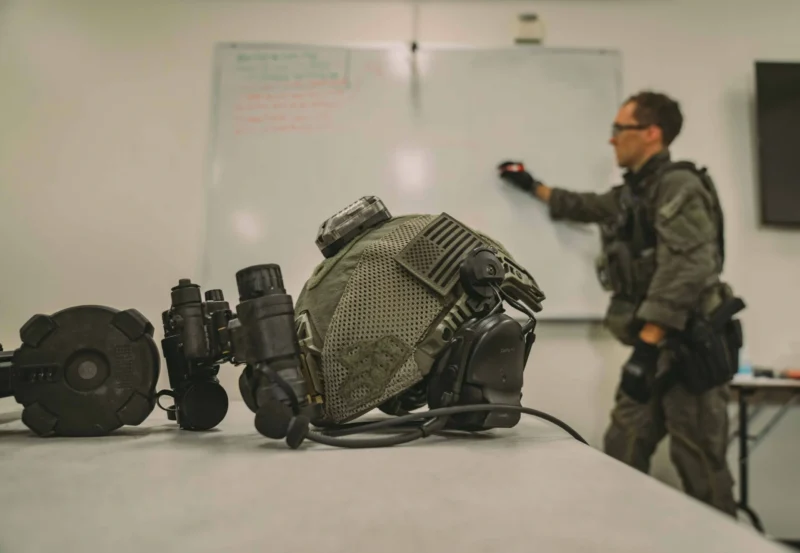
OD Green thrives in bright, temperate forests and jungles. Its yellow-brown undertones mirror the organic warmth of dense, mid-toned foliage. If your operation takes you into sun-lit vegetation, OD Green is the stronger performer.
Ranger Green is built for darker forests, dense canopies, shadowed understory, and low-light woodland conditions. Its cooler tones absorb shadow rather than reflecting light, giving operators an edge in environments where visibility is already reduced.
Urban Warfare Advantages
In urban environments, Ranger Green is the clear choice. Its cooler gray undertones harmonize with concrete, asphalt, and architectural surfaces. OD Green’s warm olive hue stands out against urban materials, reducing concealment effectiveness in city or infrastructure settings. Operators building an urban or low-light loadout often start with a low-visibility plate carrier in Ranger Green before matching the rest of the kit.
| Feature | Ranger Green Advantage |
| Urban Blending Capability | Superior, cooler gray undertones match concrete |
| Low-Profile Concealment | Effective across mixed terrains |
| Night Operation Performance | Blends with urban darkness |
| Lighting Adaptability | Excels at dusk and dawn |
| Tactical Gear Compatibility | Pairs well with black and coyote |
Shadowed Terrain Performance
Ranger Green is the dominant choice for shadowed terrain:
- Low-Light Superiority: Its desaturated tones blend naturally into shadow-heavy environments, especially during dusk and dawn.
- Dense Foliage Compatibility: Designed for darker, denser environments where shadows provide the primary cover.
- Flat Color Consistency: The gray component keeps Ranger Green flat and inconspicuous in indirect light, while OD Green can appear comparatively bright.
How Camouflage Effectiveness Is Compared in the Field
Camouflage effectiveness comes down to contrast: how much a color’s brightness and hue stand out against the specific background around it. A color that blends well in one setting can create sharp contrast in another, which is why neither OD Green nor Ranger Green is universally more effective. Each is built around a different set of backgrounds.
OD Green’s warmer, more saturated hue keeps contrast low against mid-toned, sunlit foliage, but that same saturation can create noticeable contrast against gray concrete, dark shadow, or low-light backgrounds. Ranger Green works in the opposite direction: its flatter, grayer tone reduces contrast in shadow, dusk, and urban settings, but it can stand out slightly more against bright, saturated green vegetation than OD Green does.
In practice, camouflage effectiveness also depends on factors beyond color alone. Pattern, fabric texture, and how a solid color is broken up by gear, straps, and equipment silhouette all play a role. Color selection sets the baseline; how you configure the rest of your kit finishes the job.
Shop Gear in the Color That Fits Your Mission Chase Tactical carries plate carriers, modular chest rigs, pouches, and nylon gear in both OD Green and Ranger Green. Built to the same standard trusted by military and law enforcement professionals.
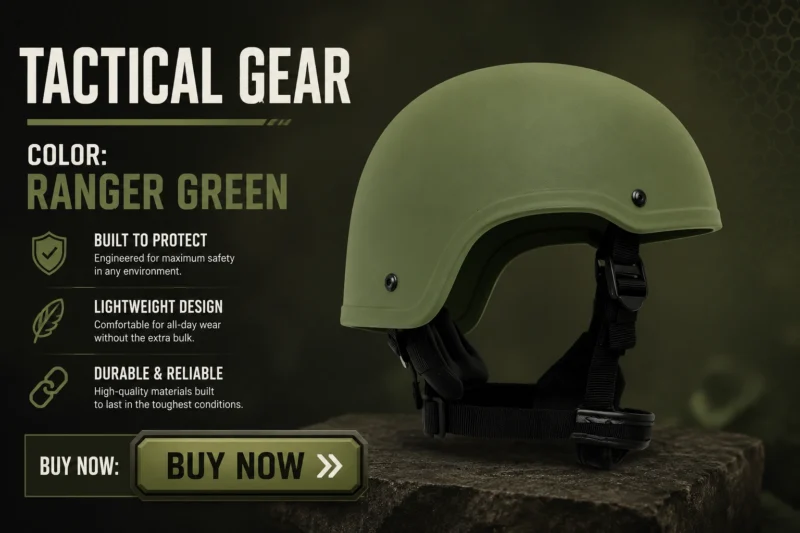
How Ranger Green Compares to Other Tactical Colors
OD Green and Ranger Green are only two entries in a much wider family of military greens and neutrals. Here is a quick reference for the comparisons operators ask about most, alongside OD Green vs Ranger Green:
- Ranger Green vs Olive Drab: Olive Drab is the warm, yellow-brown family that OD Green itself belongs to, so the two read similarly in the field. Ranger Green’s cooler gray undertone is what separates it from both.
- Ranger Green vs Coyote Brown: Coyote Brown runs warmer and more tan than Ranger Green, and it is built for arid, desert environments rather than the forested or urban settings Ranger Green favors.
- Ranger Green vs Foliage Green: Foliage Green sits closer to OD Green on the warm, vegetated end of the spectrum, while Ranger Green stays cooler and more muted for shadow and mixed terrain.
For a full side-by-side across these and other shades, including Desert Tan, see our complete military color comparison guide.
More Color Comparisons: Olive Green, Army Green, and Other Shades
A few other neutrals and shades, like Khaki, Olive Green, Army Green, Taiga Green, and MAS Grey, come up often when operators compare tactical colors alongside OD Green and Ranger Green:
- Ranger Green vs Olive Green: “Olive Green” is a broad, informal term many people use interchangeably with Olive Drab or OD Green. Like OD Green, it leans warm and yellow-toned, so the same undertone contrast with Ranger Green’s cooler gray applies here.
- Ranger Green vs Army Green: “Army Green” is a general term rather than one standardized shade, and it typically falls into the same warm, olive-leaning family as OD Green. Ranger Green stands apart with its cooler, grayer character.
- Ranger Green vs Taiga Green: Taiga Green is a European tactical shade with a slightly cooler, more neutral cast than classic Olive Drab, putting it closer to Ranger Green than to OD Green, though the two are not identical.
- Ranger Green vs MAS Grey: MAS Grey is a distinctly gray, low-saturation tactical color. It sits further toward the gray end of the spectrum than Ranger Green, which still carries a subtle green cast beneath its cool undertone.
As with RAL 7013, none of these are exact matches. Treat them as general reference points for undertone and contrast, not as interchangeable colors or fixed shades.
Military and Tactical Applications
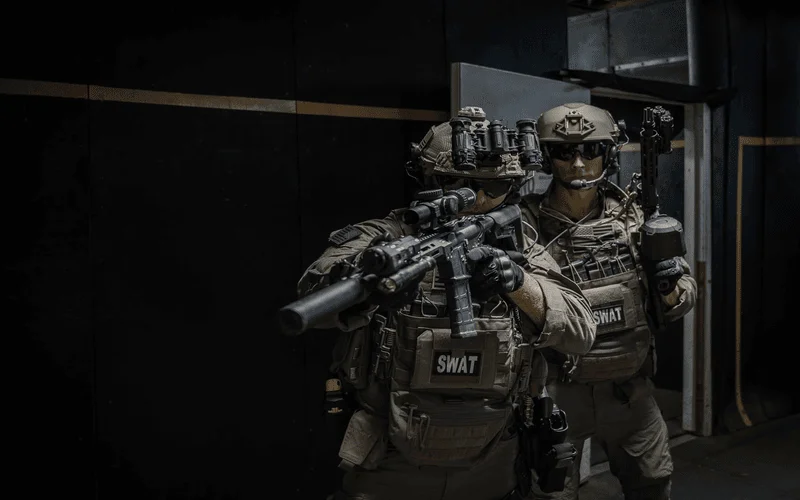
OD Green has long served as the U.S. military’s general-use standard, proven across decades of operations in temperate and woodland environments. Ranger Green was developed for Special Operations Forces who operate across mixed, shadowed, and urban terrain with less predictable lighting conditions.
What this means practically:
- Choose OD Green for temperate forest, jungle, or open woodland operations in daylight conditions.
- Choose Ranger Green for shadowed forests, urban environments, low-light operations, or missions that cross multiple terrain types.
Neither color is optimized for desert or arid environments, where dedicated options like Desert Tan and Coyote are the appropriate choice.
Ranger Green and OD Green in Military Uniforms
Uniform applications are where most people first encounter these colors. OD Green served as the base uniform color for U.S. forces from the Korean War era through the Vietnam War and into the late 1980s, appearing on fatigues, field jackets, and load-bearing equipment across that entire span. Its warm, earthy tone was a practical match for the woodland and jungle environments those uniforms were designed around.
Ranger Green came later, adopted as a base uniform and gear color for Special Operations units whose missions crossed more varied terrain, including urban and low-light settings that OD Green was never optimized for. Today it appears on combat uniforms, load-bearing vests, and duty gear across military, law enforcement, and civilian tactical markets.
Neither uniform color is unique to one branch or unit, and both are produced by multiple manufacturers. That is part of why shade can vary slightly from one uniform or kit to another even within the same designation.
Durability and Aging
Both colors handle extended field use, but they age differently:
- OD Green fades over time, shifting from its warm tone toward a more muted appearance. This gradual change can actually improve terrain adaptability as the color softens.
- Ranger Green resists noticeable fading. Its cooler, grayer undertones maintain a consistent, subdued look through extended use and environmental exposure.
For fabric longevity, material type plays a significant role. OD Green tends to retain its earthy quality across fabric types, while Ranger Green’s consistency makes it a reliable long-term option for tactical gear that will see heavy use.
Gear Compatibility: Pairing Your Color System
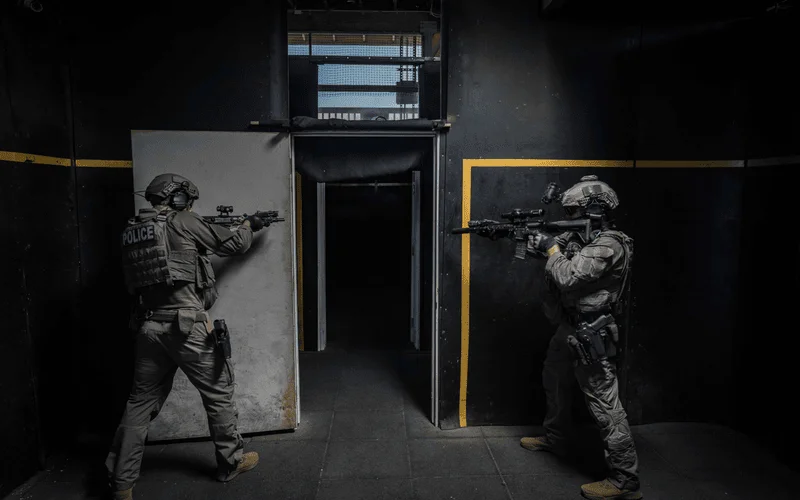
Color coordination across your kit matters for cohesion and concealment. Here is how each color works with common tactical gear palettes:
- OD Green pairs naturally with black, coyote brown, and desert tan, a classic military-heritage combination.
- Ranger Green complements black, coyote, and foliage green for a modern, mixed-terrain load-out.
Chase Tactical offers a wide selection of OD Green and Ranger Green tactical gear, including plate carriers, chest rigs, and tactical nylon built for operators who need a color-matched kit across all components. If you are starting from scratch, our guide to building a complete tactical loadout and our advice on choosing the right chest rig for your mission both walk through how color fits into the bigger picture.
Making the Right Choice for Your Mission
| Situation | Recommended Color |
| Temperate forest, daytime operations | OD Green |
| Jungle or lush vegetated terrain | OD Green |
| Shadowed or dense forest | Ranger Green |
| Urban or mixed urban-woodland | Ranger Green |
| Low-light, dusk, or dawn operations | Ranger Green |
| Night operations | Ranger Green |
| Desert or arid environments | Neither, use Desert Tan or Coyote |
Conclusion
Choosing between OD Green and Ranger Green is not a matter of preference; it is a mission-driven decision. OD Green delivers in bright, green, vegetated terrain where its warm, earthy tones blend naturally with mid-toned foliage. Ranger Green takes over in darker environments, shadowed forests, urban settings, and low-light conditions where its cooler, muted composition keeps you concealed when it matters most.
Think about the terrain you will operate in, the lighting conditions you will face, and how your color choice works across your full kit. Both options are proven, field-tested colors available in Chase Tactical’s full lineup of plate carriers, chest rigs, and tactical nylon. Pick the one that matches your environment, then gear up accordingly.
Frequently Asked Questions
How do OD Green and Ranger Green affect thermal imaging visibility?
Neither color significantly reduces thermal imaging detection on its own. Both exhibit low IR signatures, but managing your thermal signature requires insulation or thermal-disruption measures beyond color selection alone.
Can these colors be used in desert environments?
No. Neither OD Green nor Ranger Green is optimized for desert terrain. For arid environments, Desert Tan and Coyote are the appropriate choices. Browse Coyote tactical gear from Chase Tactical for arid-environment options.
What are the maintenance requirements for these colors on fabric?
OD Green is relatively low-maintenance and fades naturally, which can improve camouflage over time. Ranger Green, particularly on Cordura nylon, requires minimal care and holds its muted appearance longer. Standard washing works for both; for OD Green, washing can accelerate fading to improve terrain blending.
How do these colors respond to long-term UV exposure?
OD Green maintains its earthy tone with minimal fading under UV exposure. Ranger Green’s cooler undertones similarly hold up well, keeping a consistent, subdued appearance through extended outdoor use. Both resist visible wear and dirt effectively.
Are there civilian applications for these colors?
Yes. Both OD Green and Ranger Green are widely used beyond the military in civilian outdoor gear, hunting equipment, and everyday carry apparel. Their muted tones make them versatile for outdoor environments and urban setups alike.
Is Ranger Green the same as Olive Drab?
Not exactly. Olive Drab is the broader, warm-toned family that OD Green belongs to. Ranger Green is a separate, cooler, gray-toned shade developed later for Special Operations Forces, so the two are related in category but distinct in appearance and use case.
How does Ranger Green compare to Coyote Brown?
Coyote Brown is warmer and more tan than Ranger Green and is built for arid, desert environments. Ranger Green stays cooler and grayer, which is why it performs better in forested, shadowed, and urban settings rather than open desert terrain.
Is there an official color code for Ranger Green, such as RAL 7013?
There is no single official hex or RAL code that every manufacturer uses for Ranger Green. RAL 7013 is sometimes referenced as an approximate civilian paint match, but exact shade can vary by manufacturer, fabric, and dye lot, so treat any RAL comparison as a rough reference rather than an exact one. For an accurate match, compare product photos from the same manufacturer you plan to buy from.