






Tactical Tools: Manual, Diagnostic & First Responder

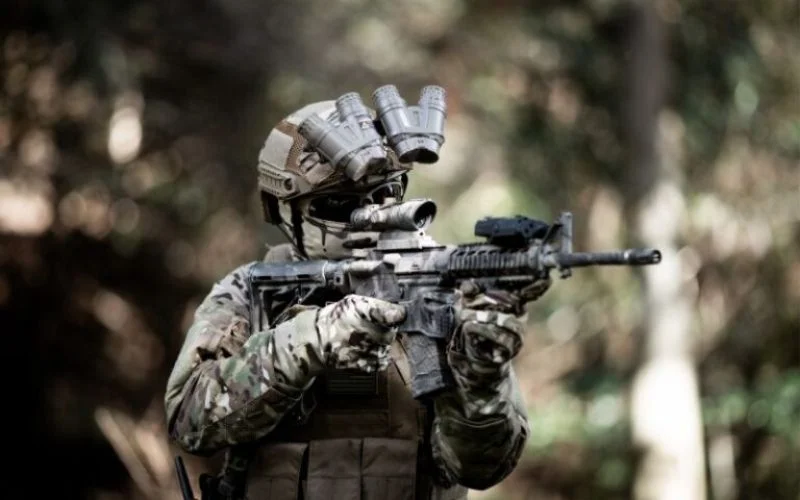
Tactical tools give military units, law enforcement agencies, and emergency response teams the ability to force entry, clear hazards, and manage high-risk incidents with confidence. These tools, from bolt cutters to Halligan bars, provide essential capabilities for forcible entry and breaching obstacles, while diagnostic and protective gear support the law enforcement teams and EOD technicians who rely on them daily.
Choosing the right tool for a given situation, and training with it regularly, is what separates a hesitant response from a controlled one. This guide breaks down the tactical tools that matter most, how military and first responder teams train with them, and what belongs in a well-built kit.
Which tools should first responders prioritize for everyday carry?
First responders should prioritize lightweight, multi-function items: a reliable flashlight, a multitool, a folding knife with a sheath, and quick-access pouches for medical supplies and radio batteries. These items support everyday tasks, cutting seatbelts, forcing small latches, or providing light in low-visibility conditions, and they fit into standard uniform pockets, holsters, or belts for rapid access.
What are the essential tactical tools for military and first responder teams?
Below are the core items every team should consider. A balanced tactical kit blends manual, hydraulic, and electronic tools with personal gear (vests, uniforms, backpacks) and small accessories (compass, pouches, holsters) that keep tools organized and mission-ready.
1. Electronic diagnostic tools
Electronic diagnostic tools are relied upon by EOD and bomb technicians to detect and analyze electronic components from a safe distance. They enable quick, informed decisions with shielding protocols and remote detonation detection features. Often stored in tactical backpacks or protective pouches, these devices form the backbone of a first responder detection toolkit. Regular calibration, battery checks, and training keep them reliable. Without them, safe render-safe procedures would be nearly impossible.
2. Ballistic armor & shields
Ballistic armor and handheld shields provide vital protection during high-risk rescues, active-threat incidents, and extraction missions. Lightweight vests and scalable plate systems allow responders to adapt quickly to different situations. The best setups integrate with uniforms, tactical belts, and holsters so movement is never compromised. Regular inspections and replacement cycles are necessary to ensure dependable protection. Armor is not optional gear; it is the frontline defense in tactical operations.
3. Bolt cutters
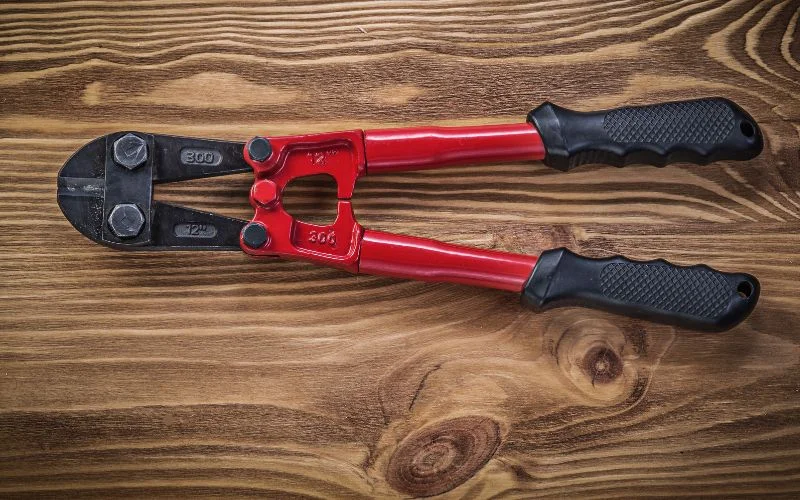
Bolt cutters are the simplest yet most effective tools for slicing through chains, padlocks, or heavy wire. Compact models fit neatly into a pouch or vehicle kit, while professional-grade cutters offer maximum leverage and blade durability. In many firefighter or EMS cases, they provide a faster, less destructive solution than heavier breaching equipment. Training on proper use reduces injury risks and preserves the blades for repeated missions. They remain an indispensable first responder tactical tool.
4. Thermal imaging cameras
Thermal imaging cameras reveal hidden heat signatures through smoke, darkness, or obstacles, making them essential in rescue and fire operations. Firefighters and EMS teams use them to locate victims, pinpoint hotspots, or identify concealed hazards with precision.
Rugged models can be mounted on tactical helmets or stored in gear pouches for quick deployment. Battery life and resolution make the difference between success and guesswork. With them, responders gain clarity in low-visibility environments where every second counts.
5. BreakRakes (window/debris tools)
BreakRakes are specialized tools designed to shatter windows and clear shards quickly, giving responders a safe entry point. Their lightweight build makes them easy to carry in backpacks or vehicle compartments, while the toothed head ensures effective glass removal. They reduce the risk of injury to both rescuers and victims during egress or rescue operations. Beyond windows, they can be used for clearing debris in compromised structures, which makes this versatile tool a staple on any firefighter’s tools list.
6. Halligan bars
The Halligan bar is a classic forcible entry tool known for its fork, adze, and spike, offering multiple options in one durable design. It is particularly effective for prying open doors, twisting locks, or breaking into frames with controlled force. Many responders pair it with an axe for a powerful breaching strategy, often stored on vehicles or carried with other gear. Built from heat-treated alloy, it withstands repeated stress without failure. Its reliability has made it iconic among tactical tools.
7. Lock-picking sets (trained use only)
Lock-picking sets allow trained law enforcement or rescue specialists, including the dedicated entry teams some military and municipal units maintain, to gain entry without damaging property. They typically include a variety of picks, tension tools, and wrenches that fit neatly into compact pouches.
Effectiveness depends heavily on operator training, making regular practice essential. When time or stealth matters, they can save minutes and preserve doors or vehicles that would otherwise need to be broken. Properly used, they provide a quiet, professional alternative to destructive methods, a skill set covered in the essential gear guide for law enforcement.
8. Hydraulic tools (jacks, spreaders)
Hydraulic tools like spreaders and jacks bring immense force for vehicle extrication and structural stabilization. They deliver a high power-to-weight ratio, making them critical for auto rescues and collapse incidents. Portable units powered by battery or fuel fit into modular cases for rapid deployment. Routine checks of seals, hoses, and fluids keep them safe and functional in high-stress situations. With them, responders can lift, cut, or spread materials quickly while minimizing further damage.
9. Compact entry tools & multitools
Compact entry tools are the everyday essentials, multi-tactical tools, knives, flashlights, and compasses that fit neatly into pouches, belts, or holsters. They handle hundreds of small but crucial tasks, from cutting seatbelts to tightening gear or signaling in low light. Their portability ensures responders remain agile without carrying excessive weight.
Pairing a multitool with dependable medical trauma shears and a compact radio pouch rounds out a loadout that covers cutting, communication, and quick medical response. Durability and secure sheaths prevent accidental loss or injury during missions, and replacing blades, batteries, and accessories regularly ensures these small tools are always mission-ready.
10. Tools used in military and first responder training
Before any tool reaches the field, military units and first responder teams put it through repetition in training. Recruits and veterans alike drill forcible entry with bolt cutters and Halligan bars, practice remote assessment procedures with electronic diagnostic tools, and run scenario-based exercises that pair hydraulic spreaders with simulated extrication tasks.
This hands-on repetition builds the muscle memory needed to use each tool correctly under pressure, and training sessions are also when worn or damaged equipment gets identified and replaced before a real incident. Ongoing training, not just equipment selection, is what keeps a tactical tools kit truly mission-ready.
How military units apply tactical tools in the field
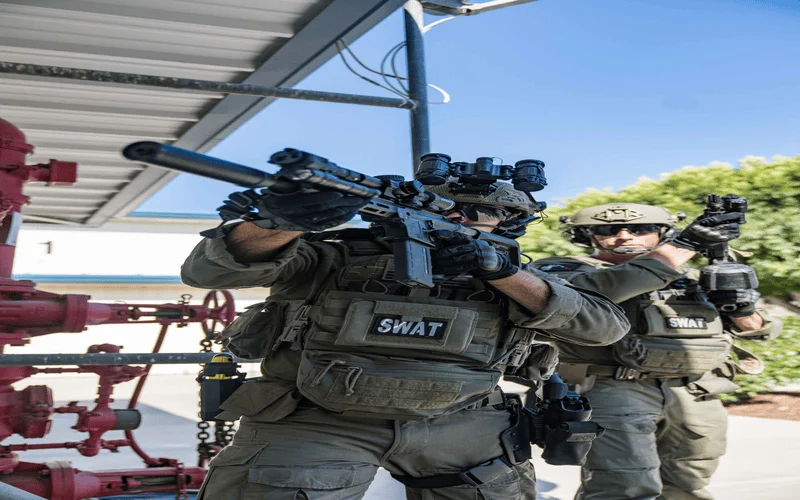
Military units carry many of the same tools covered above, but they equip and deploy them differently than a municipal fire department or a patrol officer. Forcible entry gear like bolt cutters and the Halligan bar shows up on breach teams tasked with clearing structures, while lock-picking sets are issued to trained military entry specialists who need to gain access without alerting anyone to their presence, one reason this kind of gear is often searched for as military locksmith or military entry equipment.
Electronic diagnostic tools travel with EOD units into outdoor, uneven terrain where a wired connection or clear line of sight is not always available, which is why battery life and ruggedized housings matter as much as detection range. A tactical equipment training routine that includes full-loadout drills helps confirm that every tool in a kit is exactly where an operator expects it to be before it is needed in the field.
Building a tactical tool kit: individual carry vs. bulk agency orders
A personal tactical tool kit and an agency-wide order solve different problems. For individual carry, the goal is a compact set that covers cutting, illumination, and quick medical response without adding unnecessary weight, the flashlight, multitool, knife, and medical trauma shears already covered in this guide.
For agencies equipping an entire team, the priority shifts to standardization: every member carrying the same core tools so replacement parts, training, and inspections stay consistent across the roster. Government and agency ordering through an established supplier makes it easier to keep that standardization in place as a department scales up or replaces worn gear on a set schedule, and pairing hard tools with utility pouches keeps a shared kit organized rather than scattered across individual bags.
What makes a tactical tool durable and reliable?
Not every tool marketed as tactical is built to hold up under repeated field use, which is part of why buyers searching for premium or tough tactical tools often struggle to tell the difference. Durability usually comes down to materials: heat-treated alloy in a Halligan bar, stainless steel in bolt cutter blades, and abrasion-resistant nylon in pouches and carry systems.
Newer materials and modular designs are pushing this further, trading bulk for lightweight strength without sacrificing reliability. Precision matters too: tools that lock securely, cut cleanly, or read consistently reduce the chance of a failure at the worst possible moment. Routine inspection, the same maintenance habit mentioned throughout this guide, is what actually keeps a durable tool reliable over years of use rather than a single field season.
Conclusion
Whether you are assembling a firefighter’s tools list, an EOD kit, or a compact first responder tools pack for patrols, prioritize reliability, maintainability, and ergonomics. The tools of distance, shielding, and time help responders operate with control instead of guesswork, and combining the right manual kits (bolt cutters, Halligan bars, tactical hammers) with electronic diagnostics and compact gear lets teams act faster and safer. Thoughtful integration of equipment, training, and inventory management makes the difference between improvisation and predictable success in the field.
Frequently Asked Questions
What are the key components of a first responder detection toolkit?
Core components include portable electronic diagnostic tools (spectrum/EM sensors), thermal imaging, chemical detection strips or meters, and remote interrogation devices, along with PPE, distance tools (probes), and clear shielding.
How do the tools of distance, shielding, and time help responders?
They reduce exposure: distance keeps personnel away from hazards, shielding blocks or redirects threats, and time allows controlled, deliberate decisions (often using remote diagnostics) that reduce panic and mistakes.
Which compact items should every responder carry on their belt or vest?
A dependable flashlight, a folding multitool, a small fixed or folding knife (with sheath), a radio, basic medical shears, and small pouches for spare batteries and gloves.
What force protection tools help when conditions change quickly on the ground?
Force protection improves when responders combine tools that create distance, shielding, and time: remote diagnostic devices to assess a threat before approaching, ballistic shields or armor for physical protection, and quick-access compact tools like multitools and flashlights that adapt as a situation develops. Keeping a small set of dependable, well-maintained tools within reach lets a team adjust quickly without stopping to search for the right piece of gear.
What accessories should I consider to complement a multi-tool for first responder tasks?
A multitool works best paired with a dedicated flashlight, a fixed or folding knife with a sheath, medical trauma shears, and a secure pouch or holster that keeps it accessible under a vest or belt. Spare batteries and a compact radio pouch round out a setup that covers cutting, illumination, and communication in one loadout.
How are tactical tools different from everyday tools?
Tactical tools are built to a higher standard for repeated, high-stress use: reinforced materials, tighter tolerances, and designs tested for forcible entry, diagnostics, or protection rather than occasional household tasks. A hardware store bolt cutter may handle a stuck padlock once, but a tactical-grade cutter is built to do that job reliably, mission after mission.