







Difference Between Tactical Vest and Plate Carrier

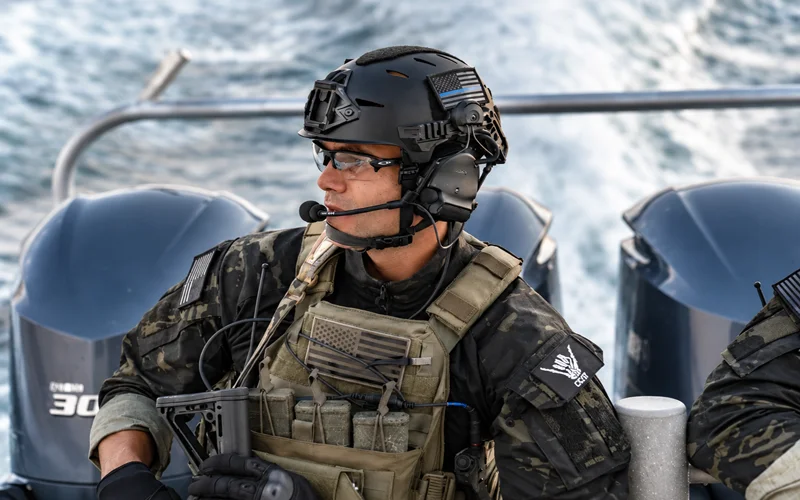
Tactical gear has surged in popularity among military personnel, law enforcement officers, survivalists, hunters, and airsoft players alike. Two of the most commonly confused pieces of equipment are the tactical vest and the plate carrier. While both are worn over the torso, they serve very different purposes, and choosing the wrong one for your loadout can be a costly mistake.
This guide breaks down the difference between a tactical vest and a plate carrier, the different tactical vest types you’ll come across, and the protection levels, weight, mobility, and configurations that separate them, so you can make the right call for your mission. Looking for a plate carrier that fits your mission? Browse Chase Tactical’s NIJ-certified plate carriers: built for military, law enforcement, and civilian protection.
What Is a Tactical Vest?
A tactical vest is a piece of equipment worn over the torso designed to carry gear, supplies, and tools essential for specific missions or activities. Typically constructed from high-durability nylon or polyester, tactical vests are valued for their lightweight build, versatility, and modular configurations that can be adapted to different roles.
These vests come with a variety of pouches, holsters, and compartments for carrying:
- Magazines
- Radios
- Flashlights
- Utility pouches
- Medical supplies
- Personal items
Many tactical vests also feature integrated webbing: typically MOLLE or PALS webbing along the front and sides, allowing users to attach additional pouches without altering the base vest structure. This makes them a flexible choice for roles that don’t require ballistic protection but demand efficient gear organization.
Tactical vests are often used by:
- Police units during patrols
- Airsoft and paintball players
- Search and rescue teams
- Military in training or non-combat roles
Since they do not carry armor plates, they are light and comfortable, which makes them suitable for long-term wear.
Types of Tactical Vests
Not every tactical vest is built the same way. Most fall into a handful of common types, each suited to a different role:
- MOLLE/PALS modular vests: built around webbing that lets you add, remove, or reposition pouches as mission needs change.
- Chest rig style vests: a lighter, harness-based design that sits over the shoulders and focuses on ammo and essential gear rather than full torso coverage.
- Fixed-pouch vests: ship with compartments already built in, trading some customization for simplicity and a lower price point.
- Plate carrier-compatible vests: a hybrid design that can accept a soft armor insert or a light plate, sitting between a standard vest and a full plate carrier.
- Concealable vests: a slimmer profile meant to be worn under a jacket or uniform shirt for low-visibility roles.
Choosing between these vest types comes down to the same questions as vest vs. plate carrier: how much gear you need to carry, how fast you need to move, and whether any ballistic protection is part of the job.
What Is a Plate Carrier?

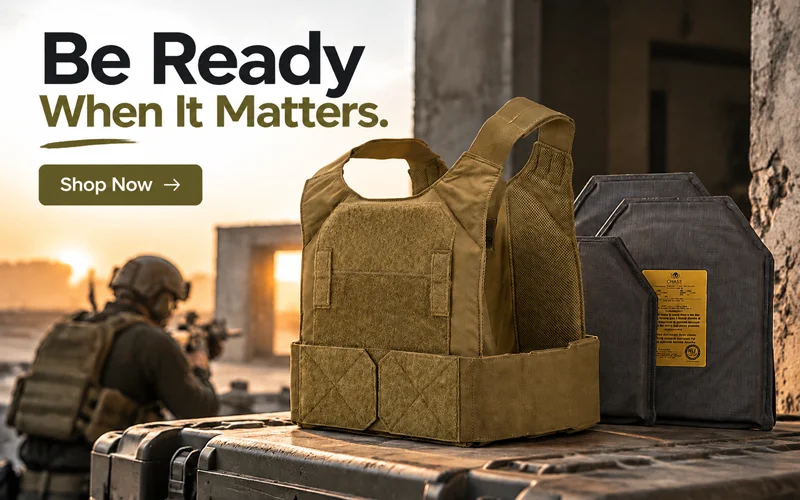
A plate carrier is a vest specifically engineered to hold hard body armor plates. The plates, typically ceramic, steel, or composite, are designed to stop or deflect projectiles, including rifle rounds and shrapnel, depending on their NIJ protection level.
Unlike a standard tactical vest, the plate carrier’s primary function is ballistic defense. It is built for high-threat environments where bullets or explosions are a real possibility. For a deeper look at how military units configure theirs, see what plate carrier the Army uses.
Plate carriers are commonly used by:
- Frontline soldiers
- SWAT teams
- Security guards in hostile areas
Most modern plate carriers feature adjustable shoulder straps, cummerbunds for a secure side fit, padded panels to reduce fatigue, and MOLLE systems for attaching mission-specific pouches. These design elements allow operators to dial in both protection and gear-carrying capacity across a wide range of configurations.
Bulletproof Vest vs. Plate Carrier: Clearing Up the Terminology
People often use terms like bulletproof vest, flak jacket, and plate carrier as if they describe the same piece of gear, but each refers to a different type of protection. A bulletproof vest usually refers to soft body armor woven from aramid fibers such as Kevlar.
It is worn close to the body and is built to stop handgun rounds and fragmentation, not rifle fire. A flak jacket is an older military term for gear designed to stop shrapnel and blast fragments, not bullets, and predates today’s rifle-rated carriers.
A plate carrier is the modern solution built specifically to hold hard armor plates rated to stop rifle rounds, something a soft bulletproof vest or a flak jacket cannot do on its own. This distinction matters when you’re comparing protection levels: if the threat includes rifle fire, only a plate carrier fitted with the correct NIJ-rated plates is built for it.
Can You Wear a Plate Carrier Without Plates?
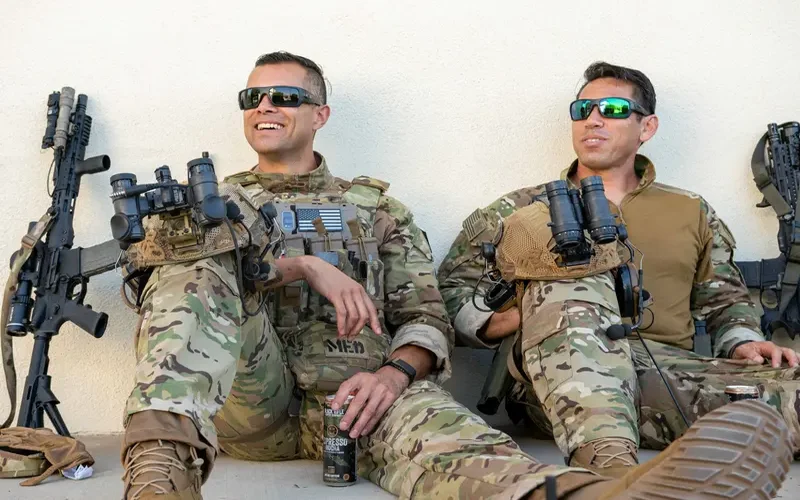
A plate carrier can technically be worn without plates inserted, but doing so removes its entire purpose. Without hard armor plates in the front and back pockets, the carrier itself is just fabric, webbing, and straps. Some operators run a plate carrier empty during training to build up load-bearing endurance gradually, or to use its MOLLE webbing purely for gear organization in a low-threat setting, much like a tactical vest is used.
Outside of training or gear-carrying use cases, a plate carrier without plates offers no ballistic protection, so it should never be treated as a substitute for actual armor in a real threat environment. For guidance on getting the fit and plate placement right, see our how to wear a plate carrier guide.
What are the Key Differences Between Tactical Vests and Plate Carriers?
Although the two may look alike, the primary point of difference is what they protect against. A tactical vest helps carry equipment but doesn’t protect against bullets. A plate carrier does both: it carries equipment and has armor protection. It’s essential to know the difference between these two gears. Below, we provide a clear overview of these differences.
1. Purpose and Primary Function
The tactical vest is built for gear organization and field access, not ballistic defense. It is ideal for operators who need to move quickly and carry multiple items without the burden of added armor weight.
The plate carrier, by contrast, is built to keep the wearer alive. It holds hard armor plates designed to stop rifle rounds and shrapnel. While it can also carry gear via MOLLE pouches, protection is always the primary objective.
2. Weight and Mobility
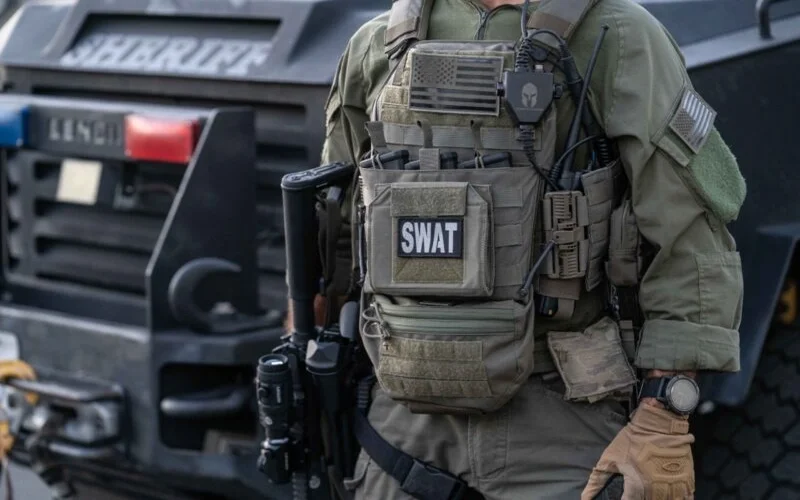
A tactical vest’s greatest advantage is mobility. Without heavy armor plates, it places minimal strain on the shoulders and back, allowing for fast movement, agility, and extended wear without fatigue. This makes it a strong choice for roles where speed and endurance matter more than ballistic protection.
A plate carrier is noticeably heavier once plates are inserted. The added weight is the tradeoff for stopping bullets, and it’s a tradeoff worth making in the right environment. Mobility is reduced, but manufacturers mitigate this by using ergonomic shoulder pads, padded back panels, and well-fitted cummerbunds that evenly distribute the load across the torso.
3. Level of Protection
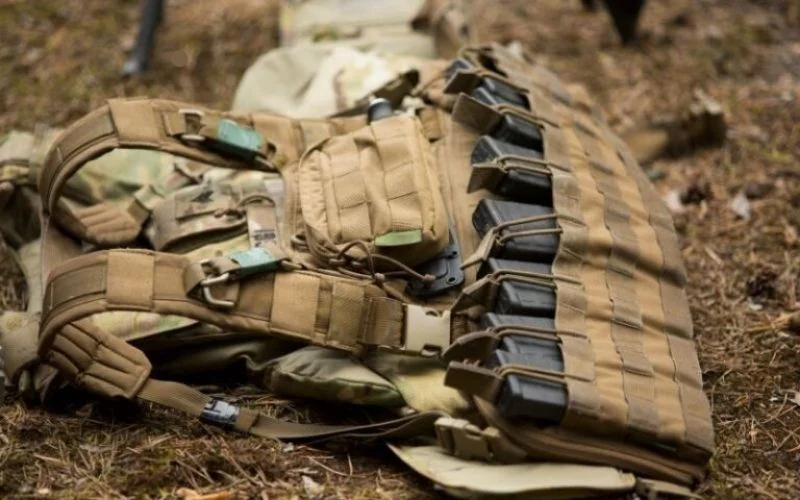
Tactical vest: Offers little to no ballistic protection unless specifically lined with Kevlar. Even then, soft armor alone is not rated to stop rifle rounds. It may resist slashes or abrasion, but it should never be relied upon for protection in high-threat environments.
Plate carrier: Protection depends entirely on the armor plates inserted. NIJ-rated plates range from Level III (stops 7.62mm rifle rounds) to Level IV (stops armor-piercing projectiles). Soft armor side panels can be added to extend coverage. Understanding NIJ protection ratings is essential before selecting plates for your carrier.
4. Modularity and Gear Carrying
Both vests use webbing to attach pouches and accessories, but the implementation differs. Tactical vests often have fixed, built-in pouches alongside PALS webbing on the exterior. Plate carriers rely almost entirely on MOLLE-compatible webbing systems, giving the operator full control to customize their loadout: adding, removing, or repositioning pouches as mission requirements change. This modularity is one of the plate carrier’s biggest advantages in the field.
5. Configurations for Different Environments
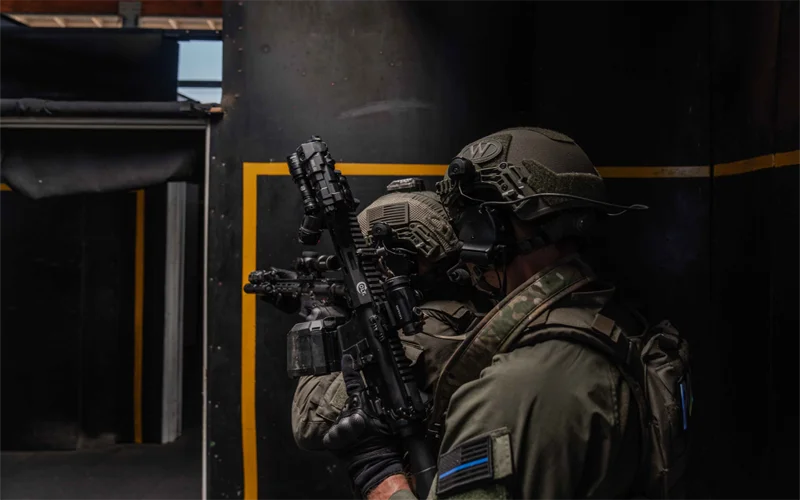
One underappreciated factor is how each vest adapts to different environments. Tactical vests typically come in a fixed configuration: what you buy is largely what you get. Plate carriers offer far more flexibility, with operators able to run minimalist setups (just plates and a few pouches) or full loadout configurations with mag pouches, IFAK, comms, and more. For a look at how carrier profile affects that flexibility, see our comparison of low-profile vs. full tactical plate carriers.
6. Cost and Accessibility
Because they don’t include armor, tactical vests are generally less expensive. You can get a decent vest at a low cost. Plate carriers are more costly. High-quality armor plates are expensive. Some military-grade plate carriers can cost hundreds of dollars. But with higher cost comes higher protection.
7. What About Chest Rigs?
A third option worth knowing is the chest rig, a stripped-down, harness-style carrier focused entirely on ammo and gear access with no armor capability. If you’re trying to decide between all three options, our guide on choosing the right chest rig for your mission covers the trade-offs in detail.
Tactical Vest or Plate Carrier: Which One Is Right for You?
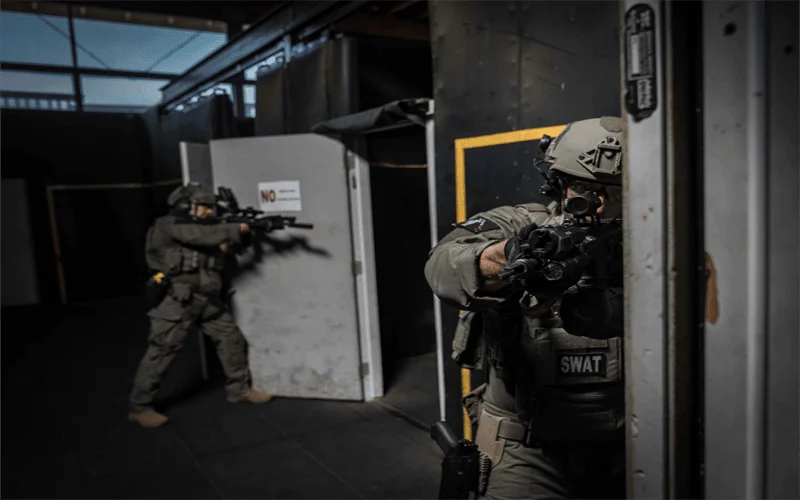
Choose a tactical vest if your priority is gear organization, mobility, and comfort in low-threat environments. It’s the right choice for training exercises, airsoft, patrol duties, search and rescue, and any role where ballistic protection isn’t required.
Choose a plate carrier if you’re entering an environment where projectiles are a real threat. The added weight is justified: your life depends on it. Match your plates to the threat level, configure your loadout to your mission, and always verify your plates meet NIJ certification standards before fielding them.
Never treat a tactical vest as a substitute for a plate carrier in a live-fire environment. And don’t over-equip with a plate carrier when a lighter vest would serve you better; unnecessary weight reduces mobility and accelerates fatigue.
Final Thoughts
The difference between a tactical vest and a plate carrier comes down to one word: protection. Tactical vests carry your gear. Plate carriers stop bullets. Both have a rightful place in tactical operations. The key is knowing which one, and which vest type, belongs in your loadout and why.
Frequently Asked Questions
Can a tactical vest hold armor plates?
Most tactical vests are not designed for armor plates. They lack the space and support for the added weight. Only plate carriers are designed to safely hold heavy armor plates.
What are the different types of tactical vests?
Tactical vests generally fall into a few types: MOLLE/PALS modular vests, chest rig style vests, fixed-pouch vests, plate carrier-compatible vests, and concealable vests. Each type balances gear capacity, weight, and mobility differently, so the right one depends on your mission and how much protection you need.
Are plate carriers uncomfortable to wear?
They can be heavy, especially with plates. However, many models feature padded shoulders and back panels to reduce strain. Proper adjustment helps improve comfort.
Is a tactical vest good for airsoft or paintball?
Yes. Tactical vests are ideal for such games. They help carry extra gear and keep things organized without needing body armor.
Are all plate carriers bulletproof?
No. Plate carriers by themselves are just carriers. They need to be fitted with armor plates for protection. Without plates, they offer little to no defense.
What NIJ protection level do I need for my plate carrier?
It depends on the threats you expect to face. NIJ Level III plates stop common rifle rounds, such as 7.62mm FMJ. Level III+ adds protection against higher-velocity rounds, such as M855 Green Tip. Level IV plates are rated to stop armor-piercing rounds, including .30 cal AP. Always match your protection level to your specific threat environment and verify NIJ certification before purchasing.
What is a cummerbund on a plate carrier?
A cummerbund is the side panel of a plate carrier that wraps around the torso and secures the vest in place. It typically features MOLLE webbing for attaching side pouches and can be fitted with soft armor side panels for additional ballistic coverage. A well-fitted cummerbund improves stability, weight distribution, and overall comfort during extended wear.
What is the difference between a plate carrier and a chest rig?
A chest rig is a lightweight harness designed purely for carrying ammunition and small accessories: it offers no ballistic protection. A plate carrier is heavier but can carry hard armor plates to stop rifle-caliber rounds. If protection is a requirement, only a plate carrier fits the bill. See our full breakdown of chest rig vs. plate carrier for more details.
Is a bulletproof vest the same as a plate carrier?
No. A bulletproof vest typically refers to soft body armor that stops handgun rounds and fragmentation, while a plate carrier holds hard armor plates rated to stop rifle rounds. If rifle fire is a possibility, a plate carrier with the correct NIJ-rated plates is the only one of the two built for it.