






U.S. Destroys 16 Iranian Vessels Amid Mine-Laying Threat in Strait of Hormuz

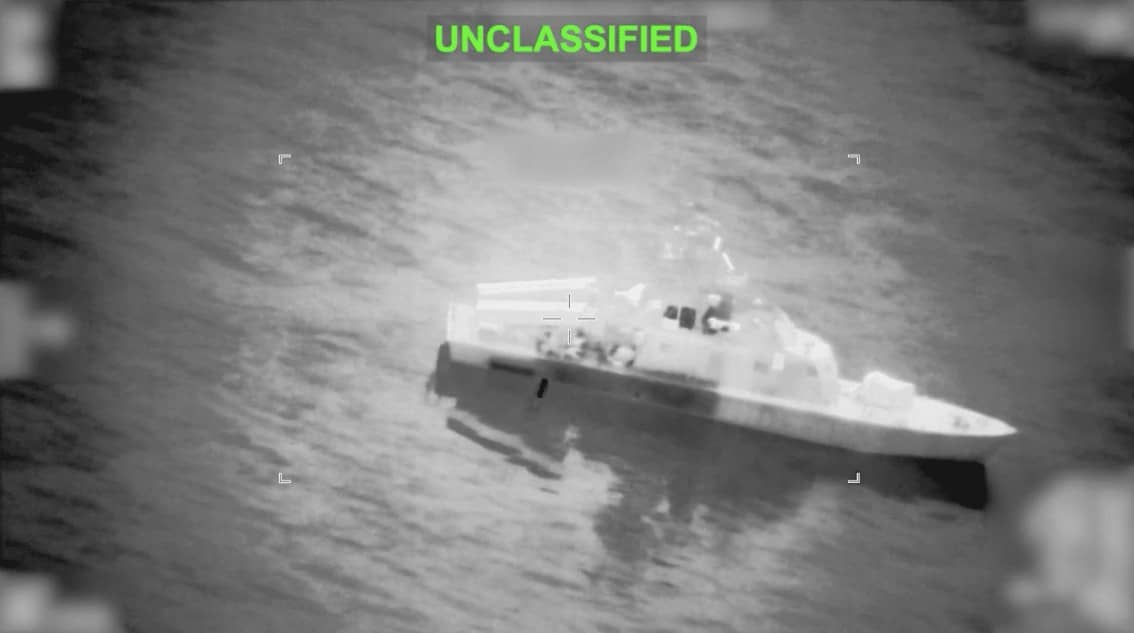
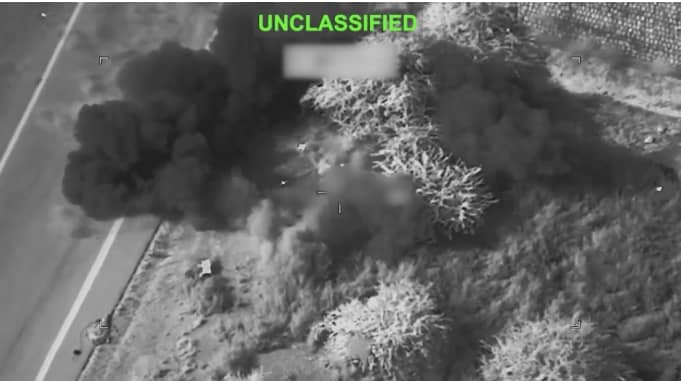
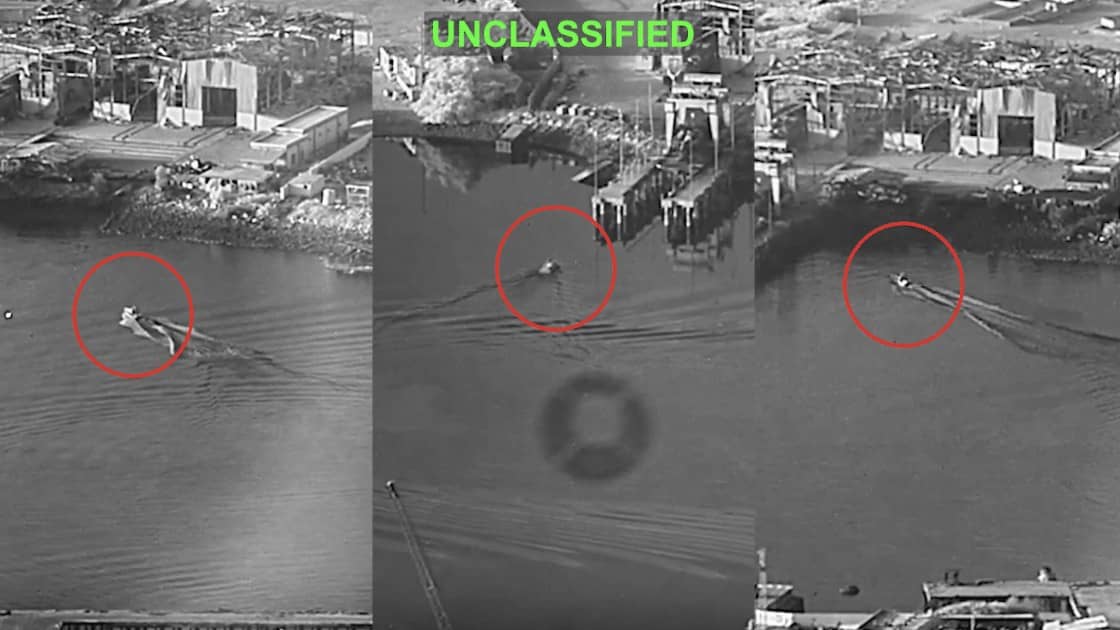
The U.S. forces destroyed 16 Iranian mine-laying vessels on Tuesday, responding to intelligence that Tehran began laying mines in the Strait of Hormuz, a vital waterway for global oil shipments.
“I am pleased to report that within the last few hours, we have hit, and completely destroyed, 10 inactive mine laying boats and/or ships, with more to follow!” Trump wrote on Truth Social on Tuesday.
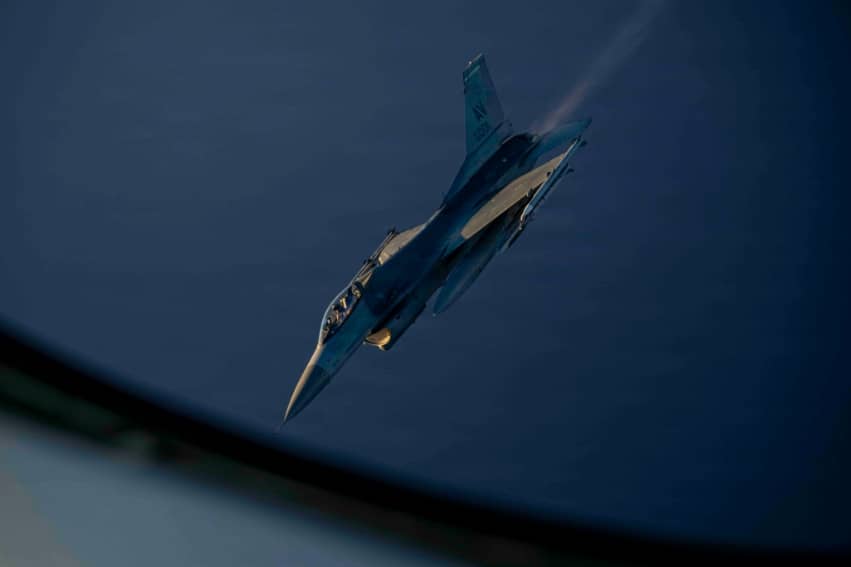
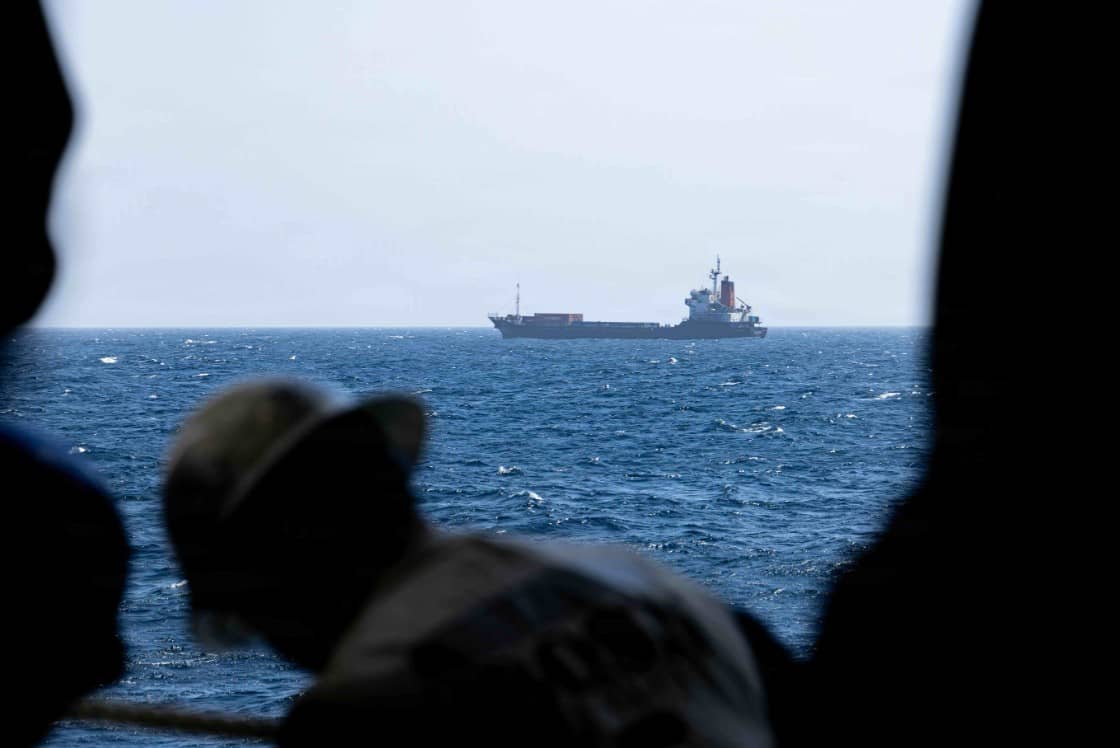
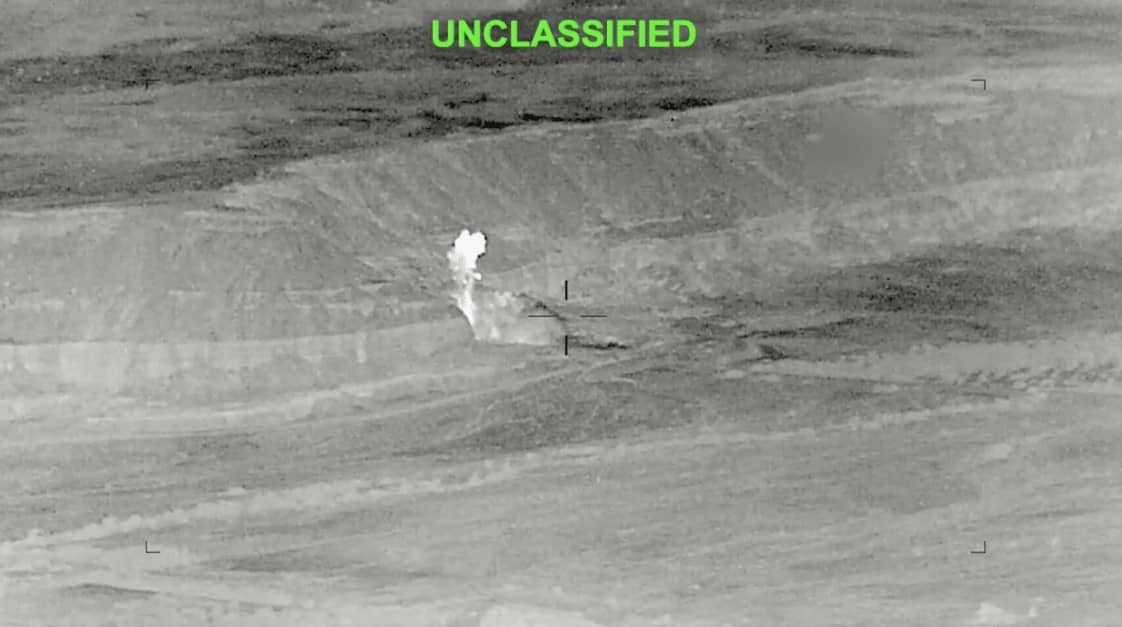
The United States Central Command (CENTCOM) later said that the U.S. forces struck 16 minelayers near the Strait of Hormuz.
U.S. forces eliminated multiple Iranian naval vessels, March 10, including 16 minelayers near the Strait of Hormuz. pic.twitter.com/371unKYiJs
— U.S. Central Command (@CENTCOM) March 10, 2026
U.S. forces are degrading the Iranian regime's ability to project power at sea and harass international shipping. For years, Iranian forces have threatened freedom of navigation in waters essential to American, regional and global security and prosperity. pic.twitter.com/gIBN02mowh
— U.S. Central Command (@CENTCOM) March 10, 2026
A senior U.S. official told Axios the strike targeted inactive ships as a preemptive measure.
Trump warned on Monday that any action by Iran to stop the flow of commercial traffic in the Strait of Hormuz would provoke a massive U.S. response.
“If Iran does anything that stops the flow of oil within the Strait of Hormuz, they will be hit by the United States of America twenty times harder than they have been hit thus far,” he wrote on Truth Social.
He reiterated his warning on Tuesday, telling Iran it would face “military consequences” at a level “never seen before” if any mines were placed in the strait.
“If, on the other hand, they remove what may have been placed, it will be a giant step in the right direction,” Trump added. He also emphasized that the United States is deploying the same technology and missile capabilities used against drug traffickers to “permanently eliminate any boat or ship attempting to mine the Hormuz Strait.”
Sources cited by CNN said that Iran’s mine-laying activity so far appears limited, with only a few dozen mines reportedly deployed in recent days.
One source noted that Iran still retains roughly 80–90 % of its small boats and minelayers, which have yet to be deployed. While the total number of mines Iran possesses is uncertain, estimates suggest its stock ranges from 2,000 to 6,000.
The U.S. strikes on minelaying boats come amid soaring fuel costs, driven by the ongoing conflict between Iran and the U.S., and its allies in the Middle East.
Economists warned that continued disruptions to oil production in the Gulf and shipments through the Strait of Hormuz, a vital route for a fifth of the world’s oil, could trigger an energy crisis not seen since the 1970s.
Meanwhile, Iran’s head of the National Security Council, Ali Larijani, pushed back against Trump’s recent warnings, writing on X that “Iran does not fear your empty threats.”
الشعب الإيراني العاشورائي لا يخشى تهديداتكم الجوفاء؛
— Ali Larijani | علی لاریجانی (@alilarijani_ir) March 10, 2026
فقد عجز الأكبر منكم عن محوه…
فاحذروا أن تكونوا أنتم من يزول. pic.twitter.com/dmxd4kKTmi
“Even those bigger than you could not eliminate the Iranian nation. Be careful not to get eliminated yourself,” he added.