








How Level III Armor Plates Offer Protection in Combat


You’re in a high-stakes environment where every decision counts, and Level III armor plates become your lifeline. These plates are engineered to stop rifle rounds, including the 7.62×51 mm NATO, giving you an edge in combat. Lightweight yet reliable, they allow you to move swiftly while offering reliable protection. But what makes them truly indispensable in tactical scenarios?
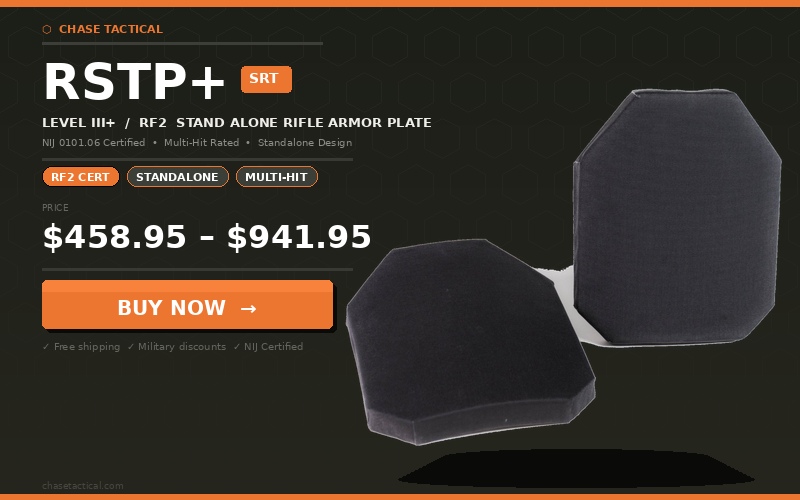
Need reliable rifle protection? Shop the Chase Tactical RSTP SRT Stand-Alone Armor Plate. It’s engineered for multi-hit capability and superior ballistic performance in combat situations.
Understanding Level III Armor Certification
Level III armor certification is all about meeting stringent standards. According to NIJ 0101.06 standards, the armor must withstand six hits from 7.62×51 mm NATO M80 ball FMJ lead-core ammunition, similar to .308 Winchester, at a velocity of around 2,750 feet per second.
This testing ensures the armor can also handle typical .223, 5.56, and 7.62×39 FMJ rounds. Rigorous tests, including ballistic, heat, water submersion, and drop tests, are conducted by independent labs. Compliance checks verify workmanship and performance, with inspections conducted over a 5-year period to assess reliability. Although Level III armor is effective against many threats, it is not designed to defeat armor-piercing ammunition, which requires a higher level of protection, such as Level IV plates.
Materials Used in Level III Armor Plates

Level III armor plates are made of three primary materials: steel, ceramic, and ultra-high-molecular-weight polyethylene (UHMWPE).
Steel Armor Plates
Steel plates are durable and economical, offering multi-hit protection with AR500 steel, but they’re heavy and prone to spalling, so they require a polyurea spray coating for safety.
AR1000 Steel: An Upgraded Option
If you want steel protection without the usual drawbacks of standard AR500, the Chase Tactical AR1000 is worth a look. It’s built from Ultra High Hardness (UHH) steel and finished with a Rhino eXtreme anti-spall coating, and it was the first steel plate of its kind to achieve NIJ 0101.06 compliance while also meeting DEA compliance, giving law enforcement and military personnel a certified, budget-friendly Level III+ option backed by a multi-year ballistic warranty.
Ceramic Materials
Ceramic materials like alumina, silicon carbide, and boron carbide are lighter and naturally spall-resistant. They absorb energy by breaking up bullets, though they can be brittle and may not handle multiple hits as well as other materials.
UHMWPE (Polyethylene)
UHMWPE is the lightest option, boasting a high strength-to-weight ratio. It functions in extreme temperatures without brittleness, absorbing bullets entirely without spalling. Level III armor provides a balance of protection and mobility, making it suitable for police officers, security personnel, and civilians.
Each material balances trade-offs in weight, durability, and cost, but all effectively stop Level III threats.
Threat Protection Capabilities

Level III armor plates offer reliable defense against a range of rifle threats. They’re officially recognized by the NIJ for stopping six shots of 7.62x51mm M80 NATO Ball at 2,780 FPS from 51 feet. These plates are specifically designed to handle intermediate rifle calibers, such as the .308 Winchester FMJ, making them effective in combat scenarios.
What Are Level III Plates Rated For?
Level III plates, also written as Level 3 plates, are rated under NIJ 0101.06 to stop six rounds of 7.62x51mm M80 NATO ball ammunition at roughly 2,780 feet per second, fired from 51 feet away. That six-shot rating is what separates them from Level IIIA soft armor, which only stops handgun rounds, and from Level IV, which is tested against a single armor-piercing round rather than six rifle hits.
Key Protection Capabilities:
Rifle Threats: Level III plates defeat 7.62x39mm MSC rounds and stop 5.56x45mm M193 at up to 3,200 FPS in select plates.
Handgun Overmatch: Effortlessly handles 9mm, .45 ACP, and .40 S&W rounds, surpassing Level IIIA capabilities.
Special Threats: Some Level III+ variants stop M855/SS109 green tips at 2,750 FPS, though not rated for true armor-piercing rounds.
You’ll also see Level III plates sold with an RF2 designation, such as the CT RSTP Level III RF2 ICW Armor Plate, and cut as either SAPI or Shooter Cut. RF2 refers to the rifle threat class the plate is rated against, while the cut determines how much side and shoulder coverage you get and how the plate fits inside your carrier.
How Plate Choice Changes Across Combat Roles
Every Level III plate meets the same NIJ 0101.06 threat standard, but which material and cut makes sense depends heavily on the role you’re filling. Here’s how that decision typically plays out across common combat and operational profiles:
- Dismounted patrol / QRF: Hours of continuous movement make the total system weight the deciding factor. UHMWPE or ceramic-hybrid plates in the 2.5-4.4 lb range keep fatigue manageable across a full shift without giving up rifle-rated protection.
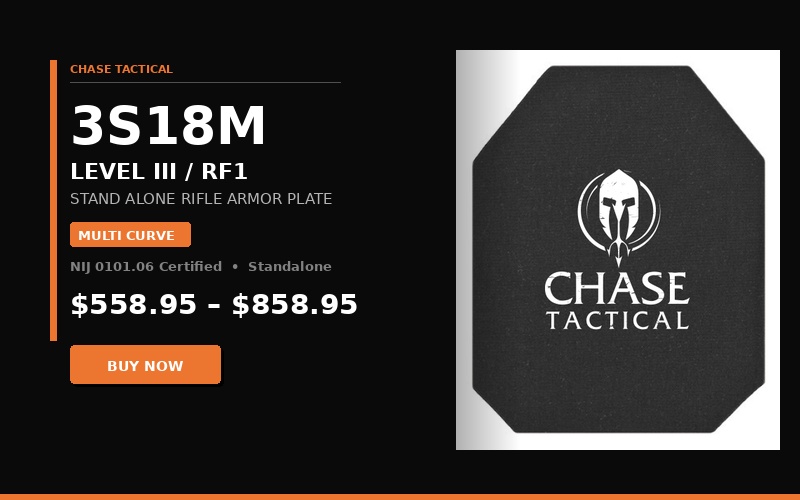
- CQB and entry work: Mobility and range of motion matter more than raw weight savings here. Multi-curve plates that conform to the body reduce bulk during dynamic movements, such as clearing rooms or transitioning between firing positions.
- Vehicle-mounted / convoy security: Since the vehicle carries most of the load, weight is less of a constraint. Steel plates’ lower cost and higher multi-hit durability make more sense here than they would for a foot patrol.
- Static or perimeter security: Similar to vehicle-mounted roles, prolonged standing rather than sustained movement reduces the penalty of a heavier plate, so steel remains a cost-effective option.
- Extended field deployment: Multi-day operations compound fatigue from any added weight. This is where the lightest viable option, typically UHMWPE, earns its higher price tag.
Multi-Hit Performance Features
Level III armor plates are designed to withstand multiple rounds in the same area, which is essential for extended firefights. Not all Level III plates are multi-hit-rated, so check the manufacturer’s specifications. Multi-hit plates are made of materials such as ceramic and UHMWPE for enhanced durability.
Level III protection is certified to resist .308 M80 Ball threats according to NIJ testing standards, providing reliable performance in sustained engagements.
Material selection impacts both weight and protection:
- AR500 Steel: Approximately 8.5 lbs per plate, durable but heavy
- Dyneema UHMWPE: Around 2.5 lbs, lightweight with excellent protection
- Ceramic Hybrid: About 3.4 lbs, balanced weight-to-protection ratio
Multi-hit performance boosts operator confidence in unpredictable combat scenarios, ensuring protection during sustained engagements.
Weight and Mobility Considerations
When considering Level III armor plates, you’ll find that lightweight polyethylene offers a significant advantage in reducing fatigue and enhancing mobility. Level III plates vary in weight by material, as shown in the breakdown above, with lighter options significantly contributing to endurance during prolonged use.
Lightweight Polyethylene Advantage
Polyethylene armor plates are up to 60% lighter than traditional steel or ceramic options. Weighing around 2.5 pounds each, they drastically reduce fatigue compared to the roughly 8.5-pound weight of steel armor. You’ll move freely during extended operations without compromising protection, which is exactly the weight range covered by Chase Tactical’s own 3i7M Ultra-Lightweight Rifle Plate and 3i10M Lightweight Rifle Plate.
Key benefits include:
- Reduced Fatigue: Lightweight design minimizes strain, allowing for longer wear without exhaustion
- Enhanced Agility: Quick movement is essential in high-stress situations, enabling faster maneuvers
- Tactical Efficiency: Unobtrusive nature ensures plates don’t hinder movements during engagement
Balancing Protection and Agility
While protection remains a priority, balancing it with agility is vital for operational success. Steel plates are the heaviest at around 8.5 lbs, which reduces endurance during extended missions. Modern ceramic composite plates offer a lighter option at around 3.4 lbs while maintaining multi-hit capability.
Remember, wearing two plates doubles the weight, which can increase fatigue during long operations. Tactical missions often require quick movements, so opting for lighter plates can be essential with your plate carrier.
Enhanced Maneuverability Design
Advancements in materials like UHMWPE and ceramic composites have revolutionized Level III+ armor plates. UHMWPE plates weigh around 2.5 lbs, significantly lighter than steel, while ceramic composites come in at around 3.4 lbs. Multi-curve designs conform to your body, enhancing comfort during dynamic movements like crawling or sprinting. These features ensure you maintain protection without sacrificing agility or endurance in tactical operations.
Limitations of Level III Armor
Level III armor plates offer solid protection against many standard rifle rounds, but their limitations become evident when faced with specialized threats. Armor-piercing rounds, such as .30-06 and M855 green-tip penetrators, exceed the protective capabilities of their targets, creating critical vulnerability gaps. High-caliber ammunition, such as .50 BMG and magnum-class cartridges, penetrates these plates, compromising their protective integrity.
Additionally, close-range shotgun projectiles, particularly slugs, can cause significant blunt force trauma, as Level III armor isn’t designed for such threats. The armor also permits up to 44mm of back face deformation, potentially leading to blunt force trauma even if the round is stopped.
Furthermore, Level III plates are rated for a limited number of impacts, making them less reliable against sustained fire from armor-piercing weapons or emerging threats.
Comparisons With Other Armor Levels
Understanding how Level III armor plates stack up against other armor levels helps you make informed protection decisions.
Level III vs. Level IIIA: Level IIIA focuses on stopping handgun rounds, while Level III is rated for larger rifle rounds, such as the 7.62×51 M80 Ball. Level IIIA cannot stop rifle rounds like Level III, making it less suitable for environments where rifle threats are prevalent.
Level III vs. Level IV: Level IV provides superior protection against armor-piercing rounds, but it’s heavier and often more expensive than Level III. If you need armor-piercing protection, see Level IV body armor options.
Level III vs. Level III+: Level III+ bridges the gap, offering better protection against specific threats such as M855 rounds, which standard Level III may not consistently stop.
| Level | Stops | Typical Weight | Wear Profile |
|---|---|---|---|
| IIIA | Handgun rounds (9mm, .44 Magnum, .45 ACP) | Thin, soft panel; the lightest of the three | Worn alone, often concealed under clothing |
| III | Rifle rounds up to 7.62×51mm M80 Ball | 2.5–8.5 lbs depending on material (see Weight and Mobility section above) | Hard plate, worn in a carrier over soft armor or alone if stand-alone rated |
| IV | Armor-piercing rounds, including .30-06 M2 AP | Heaviest of the three; ceramic or steel construction | Hard plate, worn in a carrier; reserved for the highest threat environments |
What Level Plates Does the Military Use?
NIJ Level III is a civilian and law enforcement classification, so it’s worth clarifying how it lines up with what the military actually issues.
SAPI: The Original Military-Issue Plate
The U.S. military began fielding SAPI (Small Arms Protective Insert) plates in the late 1990s. SAPI roughly corresponds to NIJ Level III protection, built to defeat 7.62x51mm ball and fragmentation threats, and it was standard issue in the Interceptor Body Armor and early Improved Outer Tactical Vest systems.
ESAPI: Today’s Standard-Issue Plate
Since the mid-2000s, the Army has fielded ESAPI (Enhanced SAPI) as its standard-issue plate, including in the current Soldier Plate Carrier System. ESAPI uses boron carbide ceramic and is built to a military specification that’s closer to NIJ Level IV, since it’s tested against armor-piercing rifle rounds rather than standard ball ammunition.
Neither SAPI nor ESAPI is sold to civilians. What you’ll find at retail, including from Chase Tactical, are NIJ-listed Level III or Level IV plates cut in the same SAPI shape so they fit military-pattern carriers and vests. If rifle-rated protection at a manageable weight is your priority, that civilian-available Level III tier, not ESAPI, is the one to shop for.
Ideal Use Cases for Level III Armor Plates

Level III armor plates offer a versatile option for various high-risk environments:
Law Enforcement: Police and SWAT teams trust these plates during operations against rifle threats, as they protect against 7.62x51mm NATO rounds. Multi-hit capability provides crucial protection under heavy fire.
Military and Combat Zones: Soldiers benefit from their ability to stop M80 NATO rounds. Lightweight polyethylene versions offer excellent mobility in extended operations, and as covered above, the right cut and material still depend on whether the role is dismounted patrol, vehicle-mounted, or static security.
Private Security: Contractors in volatile regions rely on them for defense against advanced weaponry, balancing protection and weight for extended wear.
Civilian Home Defense: Civilians seeking home defense find these effective against common threats such as 5.56 FMJ rounds. Legal in most US states, they provide reliable protection for personal security.
Level III Armor Plate Cost and Value
Price for Level III plates tracks pretty closely with material. Steel options like AR500 and the AR1000 sit at the most affordable end, which is part of why they remain popular for training, vehicle-mounted roles, and a first plate carrier setup. Ceramic composite plates cost more but shave several pounds off each plate, and UHMWPE commands the highest price of the three, a premium buyers pay for the lightest possible system weight.
Whatever material you choose, confirm the plate is listed on the NIJ Compliant Product List before you buy. NIJ 0101.06 certification, along with compliance markings like DEA approval, is what separates a genuinely tested plate from an uncertified import, and it’s the quickest way to verify a seller or manufacturer is legitimate. A meaningful ballistic warranty, typically several years on the ballistic core, is another sign you’re buying from a manufacturer that stands behind its own testing.
Legal Considerations for Owning Level III Armor Plates
Federal law places no general restriction on civilians buying, owning, or wearing body armor, including Level III plates, and there’s no background check or registration requirement for the purchase. The one federal restriction, under 18 U.S.C. § 931, bars anyone convicted of a violent felony from purchasing, owning, or possessing body armor at all.
A small number of states add their own layer on top of federal law. Connecticut and New York, for example, place added restrictions on retail body armor sales, while the other 48 states generally follow the federal standard. Law enforcement, military, and private security use is unaffected in every state. If you’re unsure how your state handles body armor sales, check your state’s current statute before ordering online.
Conclusion
In choosing Level III armor plates, you’re opting for reliable protection in combat scenarios. These plates provide excellent defense against standard rifle rounds, and their multi-hit capability ensures you stay safe under fire. The lightweight design doesn’t compromise your mobility, allowing you to move swiftly during operations. However, remember that while Level III is reliable, it has limitations against higher-level threats. Always assess your environment to ensure you’re using the right armor for your mission.
Frequently Asked Questions
How do I maintain and store Level III armor plates?
Inspect your plates quarterly for damage, clean with mild soap, and avoid submersion. Handle carefully to prevent drops and store them flat, separated, in a cool, dry place. Follow manufacturer guidelines and replace expired plates promptly.
What is the lifespan of Level III armor plates?
Level III armor plates last from 5 to 20 years, depending on material and care. Store them in cool, dry areas, away from sunlight. Regular cleaning and inspections, following manufacturer guidelines, help extend their lifespan.
Can Level III armor plates be used in water-based environments?
Yes, you can use Level III armor plates in water-based environments. They’re buoyant, water-resistant, and designed for maritime conditions, offering reliable protection without sinking. Their construction ensures they remain durable and effective even when wet.
Are Level III armor plates customizable for fit and comfort?
Yes, you can customize Level III armor plates for fit and comfort. Choose from various sizes, shapes, and materials for a personalized fit. Multi-curve designs and proper plate pocket sizing ensure a snug, secure, and comfortable experience.
What’s the difference between Level III and Level III+ armor plates?
Level III+ offers enhanced protection against specific threats, such as M855 green-tip rounds, that standard Level III may not consistently stop. Level III+ bridges the gap between Level III and Level IV, providing additional coverage against steel-core ammunition while maintaining a lighter weight than Level IV plates.
Can Level III plates stop armor-piercing rounds?
No, standard Level III plates are not designed to stop true armor-piercing rounds like .30-06 M2 AP. For armor-piercing protection, you need Level IV plates. Some Level III+ variants offer limited protection against steel-core ammunition, but not full armor-piercing rounds.
How much do Level III armor plates cost?
Cost tracks with material. Steel plates like the AR1000 are the most affordable, ceramic composite plates cost more for reduced weight, and UHMWPE commands the highest price for the lightest possible system weight. Always confirm a plate is NIJ 0101.06 listed regardless of price point.
What level plates does the military use?
The military doesn’t use NIJ-rated plates directly. It fields SAPI, which roughly corresponds to Level III, and now primarily ESAPI, a boron carbide plate built to a spec closer to Level IV. Civilians buy NIJ-listed Level III or Level IV plates cut in the same SAPI shape instead.
Is it legal to buy Level III body armor plates?
Yes, in nearly every state. Federal law under 18 U.S.C. § 931 only bars people convicted of a violent felony from purchasing, owning, or possessing body armor. Connecticut and New York add extra restrictions on retail sales, so check your state’s current rules if you live in either one.