








Plate Carrier Backpacks: Best Options for Tactical Use in 2026


Flexibility and ruggedness are essential in the world of tactical gear for both adventure lovers and professionals. If you’re looking for a practical and innovative solution for carrying gear, consider a design that combines a backpack with a plate carrier. This type of setup is not just for the military but also for hikers, campers, and hunters who need a durable, versatile way to transport useful equipment, whether heading into the field, preparing for deployment, or building a combat-ready loadout.
Types Of Backpacks That Fit Well With Plate Carriers
Any backpack can be attached to a plate carrier at any time, but some are better suited. Capacities typically range from 10L compact hydration packs up to 56L utility packs, so choosing the right size depends on mission duration and how much gear you need to carry. These include the following:
1. Hydration Packs
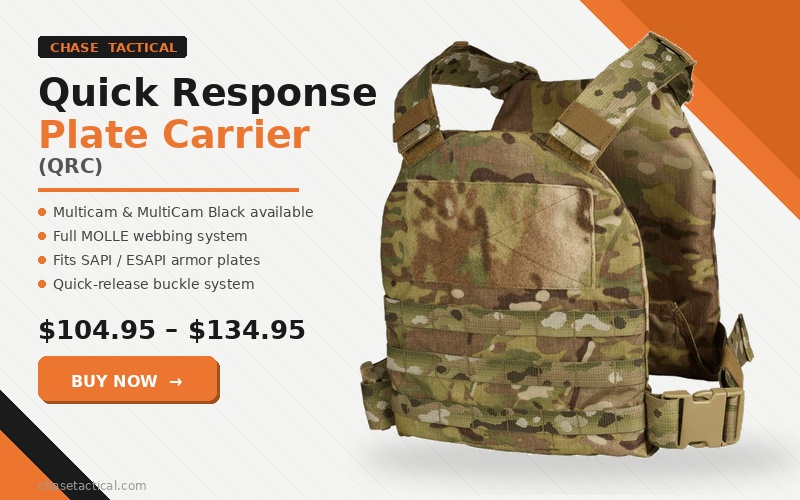
Hydration packs are designed for use outdoors or in tactical applications. Many of these hydration packs have MOLLE webbing, allowing easy attachment to a plate carrier. Assault packs are generally thin and will not add much bulk or weight.
2. Assault Packs
Miniature backpacks are designed with efficiency in mind for short missions, typically in the 10L–25L range. They have the perfect balance between bulk storage and a compact design. They carry a survival kit, a first aid kit, spare rifle magazines, and other must-haves for when you need to move fast without sacrificing the essentials.
3. Utility Backpack
Utility packs are designed for users who need a little more storage capability. They are larger than hydration and assault packs and are meant for longer excursions, commonly ranging from 36L to 56L for multi-day field operations. Some designs come with a quick-release option, allowing the user to detach the pack quickly. If you’re unsure which capacity suits your mission length, our guide on best military backpack sizes breaks down exactly what to carry by operation type.
Who Uses Plate Carrier Backpacks
Plate carrier backpacks serve a wide range of users across military, professional, and civilian environments. Understanding who relies on them and why helps you determine which configuration best fits your needs.
Military and Law Enforcement
For military personnel and law enforcement officers, a plate carrier backpack is a mission-essential piece of equipment. It consolidates ballistic protection with storage for ammunition, communications gear, medical supplies, and breaching tools. During extended deployment, these bags eliminate the need for separate carry systems and keep operators combat-ready at all times.
Hunters and Outdoor Enthusiasts
Hunters operating in remote terrain increasingly rely on plate carrier backpacks for their rugged construction and modular design. MOLLE-compatible bags allow gear to be arranged according to the day’s requirements, while durable Cordura nylon withstands brush, rain, and rough handling in the field.
Preppers and Emergency Responders
For preppers and emergency responders, a plate carrier backpack functions as an all-in-one, versatile system. The level IIIA ballistic protection provides a layer of defense in unpredictable situations, while the storage capacity ensures critical supplies, such as food, water, medical kits, and communication tools, are always accessible.
What are the key Features To Look For In A Backpack and Plate Carrier Setup?
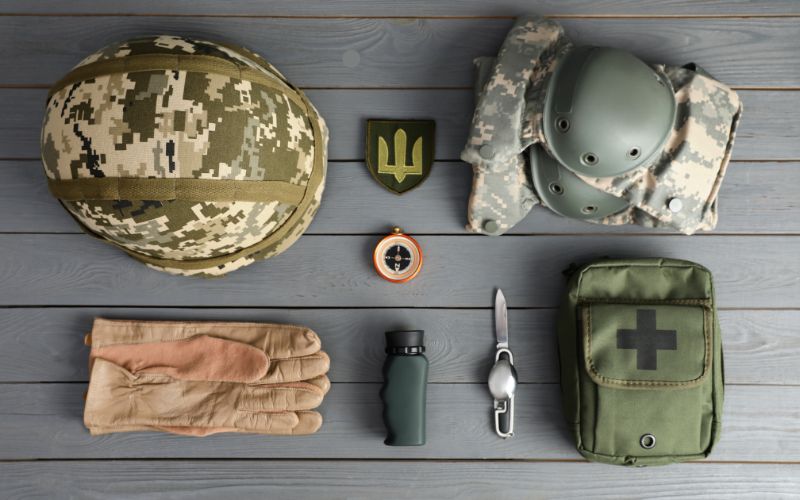
- MOLLE Compatibility: One of the most important features is MOLLE compatibility. MOLLE webbing lets you attach pouches and gear directly to your backpack and plate carrier, giving you more options to customize your setup to your specific needs.
- Tough Materials: The backpack and the plate carrier should be made of high-quality, rugged materials like Cordura nylon, which is close to being tear-, water-, and abrasion-resistant. This is more important when tolerating heavy outdoor activities and wear.
- Quick Release Mechanism: Backpacks with quick mechanisms are in demand. This is crucial during emergencies when you must shed your pack whenever you want to.
- Weight Distribution Features: A backpack with padded and STM or waist straps helps ensure smooth weight distribution. This is important for comfort, especially when carrying heavier loads.
Advantages Of A Backpack And Plate Carrier Combo
A backpack and a plate carrier are extremely useful, robust, and efficient gear-carrying solutions, particularly in military and outdoor environments. Some benefits are as follows:
Improved Mobility and Accessibility
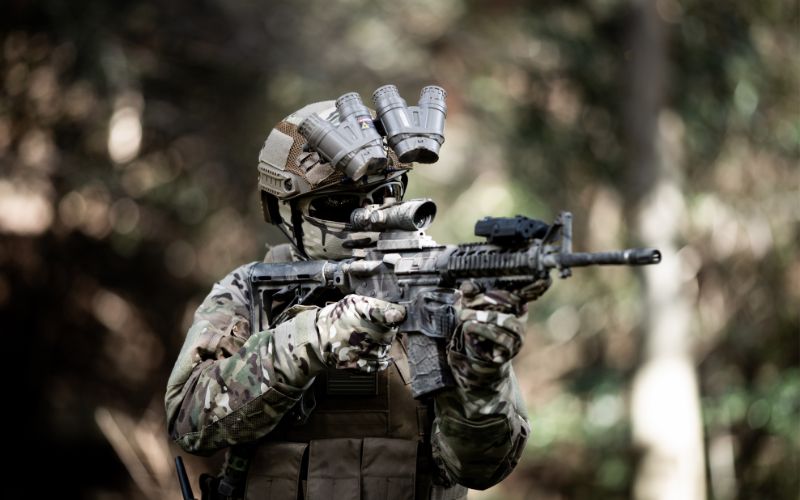
You can run through diverse terrains and multitask freely with both hands. The plate carrier has front access to your important tactical tools, and a backpack can carry more gear. Not sure whether a backpack or a chest rig better fits your setup? Our full breakdown of the chest rig vs backpack comparison covers the tradeoffs for every mission type.
Balanced Load Distribution Improves Comfort
Carrying weight evenly across your body reduces strain and fatigue. Plate carriers are designed to distribute the weight of armor plates across the torso and shoulders. When you add a backpack, you’re distributing even more weight, making it essential to ensure that everything is balanced and comfortable. This can help prevent back and shoulder pain, enabling you to carry your gear longer.
Enhanced Storage and Organization
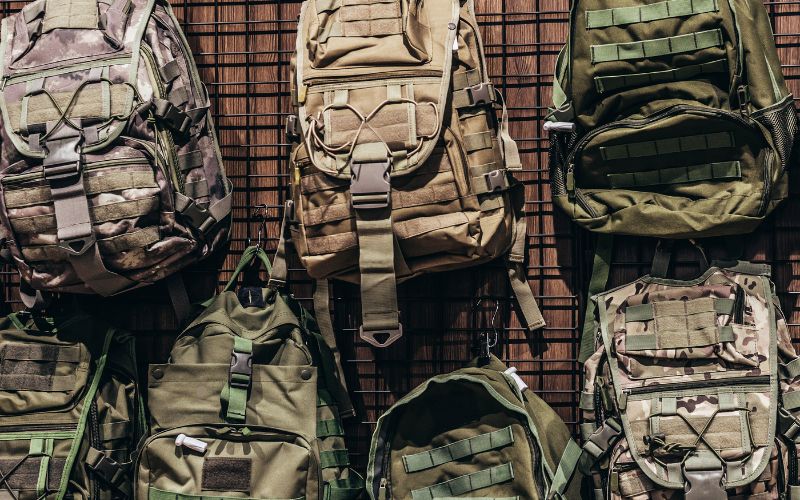
A plate carrier provides limited space for carrying equipment. When you add a backpack, you expand your storage significantly, allowing you to organize gear based on urgency and accessibility. Frequently used items can remain in the front pouches or side pockets, while bulkier or less-used items can be stored in the backpack.
Modular Design for Customization
One of the most impressive aspects of plate carrier backpacks is their modular design. This allows users to personalize their loadout and have everything they require for various missions or outdoor activities. Whether for additional ammunition, medical kits, or necessary equipment, compartments in these plate carrier backpacks are designed to provide easy storage solutions for all your necessities.
Comfortable and Adjustable Fit
These backpacks are vital for the military because they feature adjustable shoulder straps that provide a secure fit regardless of the user’s size or preference. This flexibility makes them ideal for extended use in the field, as the straps can be adjusted to distribute weight evenly. Most plate carrier backpacks are also constructed from lightweight materials, combining comfort and durability. This allows you to carry your equipment without unnecessary strain.
Ballistic Protection and Camo Advantage
Plate carrier backpacks offer level IIIA ballistic protection, which is vital in risky environments and essential for deployment in areas with elevated threat levels. These versatile systems protect the wearer from specific types of ammunition, providing peace of mind in potentially dangerous situations. Additionally, their camo patterns enable the wearer to blend in with their environment, providing a combat advantage in the field.
How To Attach A Backpack To A Plate Carrier
Now that we’ve covered the benefits and key features, let’s examine how to attach a backpack to your plate carrier securely.
Step 1: Choose the Right Backpack and Plate Carrier
Ensure the compatibility of your tactical backpack and your plate carrier. Check if the plate carrier has MOLLE webbing or other attachment points at the back panel. The backpack should have MOLLE straps attached to connect; however, if it does not have MOLLE straps, you can utilize carabiners, buckles, or specialized attachment straps.
Step 2: Positioning of the Backpack Relative to the Plate Carrier
A backpack should be centered above the back of the plate carrier and evenly secured. Centering a backpack so that it properly touches the packer ensures it has an equal lie, preventing any complaints of hanging that could be uncomfortable or unforgiving.
Step 3: Securing the Backpack via MOLLE Straps or Webbing
If the backpack and plate carrier both have MOLLE webbing, then interlace the straps through both pieces and close them by pushing them tight into each other. Ensure that every strap is threaded through multiple loops on the backpack and the plate carrier to provide maximum stability.
Step 4: Test for Stability and Comfort
Place the plate carrier over the backpack and adjust the straps to fit comfortably. Take a walk and swing your arms to ensure that everything is comfortable and does not restrict your movement.
Step 5: Adding Accessories and Adjustments
Once your backpack is attached by binding it to the MOLLE webbing, you can add any additional pouches or plate carrier accessories.
Maintenance Tips For Long-Lasting Durability
Before covering maintenance, it’s worth understanding how your pack handles moisture in the field. Our guide on waterproof vs water-resistant tactical backpacks explains which material is the better choice depending on your deployment environment.

- Clean often: Dirt and moisture can destroy materials over time. Clean your plate carrier and backpack after every trip, especially if you have been in wet or muddy conditions.
- Check the straps and buckles: Before every trip, ensure that all plate carrier backpack attachment points, shoulder pads, straps, and buckles are secure and in good condition.
- Proper storage: Store your equipment in a cool, dry place. Avoid compressing the straps or pouches, as this will eventually stretch the fabric out of shape.
Conclusion
Combining a backpack with a plate carrier enhances your setup’s functionality and durability, making it a versatile solution for tactical operations, recreational use, or emergency deployment. Whether hiking, hunting, or running a combat-ready loadout, this combination keeps you hands-free and well-organized, ready for whatever the field demands.
Frequently Asked Questions
Can I attach any backpack to a plate carrier?
In practice, it is best to use a molle backpack for a plate carrier or a similar attachment system to ensure strong and stable connectivity. Ordinary backpacks may not be durable enough or compatible with this application.
Does attaching a backpack to my plate carrier make it too heavy?
Weight is based on the size and amount of contents in a backpack. Lighter packs, such as hydration or plate carrier assault packs, are small enough so the pack can be attached without sacrificing comfort. Balance is key; avoid overloading.
What makes a molle plate carrier backpack different from a regular backpack?
A molle plate carrier backpack is specifically designed with attachment points to secure it to a plate carrier, offering better load distribution and quick access to gear like magazines and hydration bladders.
Can I customize my plate carrier backpack with patches or additional gear?
Yes! Most plate carrier backpacks feature Velcro sections and MOLLE webbing, allowing you to add patches, pouches, and other accessories for enhanced functionality.
Are plate carrier backpacks suitable for everyday use or just tactical missions?
While primarily designed for tactical use, the durability and versatility of plate carrier backpacks make them practical for hiking, outdoor activities, or even daily commuting.