








Why Plate Carrier Backpacks Are Vital for Tactical Use

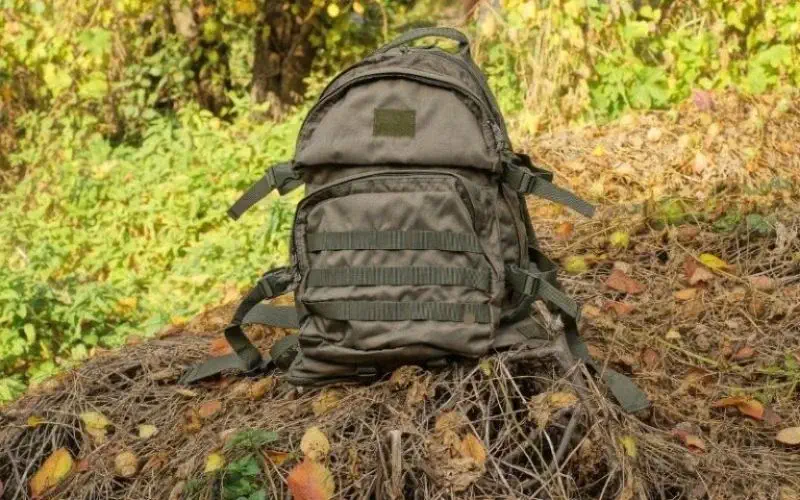
Everything a soldier wears serves an important purpose in tactical operations. Among the various equipment available to military personnel, first responders, and outdoor adventurers, nothing matches the versatility and reliability of a plate carrier and a backpack. While plate carriers are mainly designed to protect the wearer with ballistic plates, adding a backpack increases functionality and storage, making them a must-have for those who operate in demanding environments.
This article will discuss why plate carrier backpacks are essential in tactical operations, including their benefits, design considerations, and applications.
The Role Of A Plate Carrier In Tactical Operations
A plate carrier is a body armor designed to hold ballistic plates and protect the wearer from gunfire and shrapnel. Modern plate carriers are lightweight, modular, and customizable but on their own, they’re not built to carry much beyond the plates themselves.
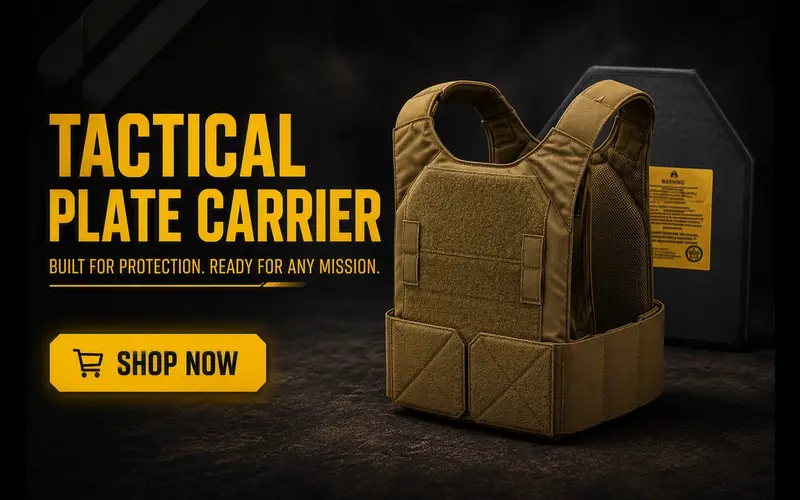
Plate carriers offer several advantages:
Ballistic Protection: They shield vital organs from bullets and fragmentation.
Modularity: MOLLE (Modular Lightweight Load-carrying Equipment) systems allow users to attach pouches, holsters, and other gear.
Comfort and Adjustability: Advanced designs ensure a snug fit, reducing fatigue during prolonged operations.
Reasons Why A Plate Carrier Backpack Is Essential for Tactical Operations
While plate carriers provide protection, they were not designed to carry a lot of gear. Plate carrier backpacks are a key part of your loadout, integrating seamlessly with vests to boost functionality and survivability in the field. A plate carrier backpack complements the system and provides several benefits that enhance operational efficiency:
Consolidated Gear Storage for Mission Efficiency
One major plus of a plate carrier backpack is that it can combine everything mission-critical into one system. For tactical operations, you need more than just ballistic plates. You also need extra ammunition, medical supplies, communication tools like radios with radio molle pouches, hydration systems, breaching and repair tools, and survival kits for longer missions.
A plate carrier backpack keeps these essentials secure and accessible, reducing the need for separate bags or equipment. By keeping everything within arm’s reach, tactical operators can focus on their objectives without worrying about logistics.
The Power of the Back Panel
One major advantage of a plate carrier backpack is its back panel. This layer adds strategic value and is designed to carry additional armor or mission-critical gear. It also provides modularity that can be customized depending on mission needs.
Protection Without Compromise
Modern carriers often support Level IIIA ballistic panels, offering protection from handgun rounds without adding excessive weight. This setup provides full-body defense without slowing mobility when used correctly with a front-and-back plate system.
Versatility in the Field
Adaptability can mean the difference between success and failure in environments like a combat zone or during real-time deployment. These backpacks integrate with your vest to become part of your tactical layer system, enabling fast transitions between transport and combat-ready setups.
Enhanced Mobility and Ergonomics

Carrying separate gear bags can make moving difficult and cause uneven weight distribution, leading to fatigue or injury. A plate carrier backpack solves this problem by attaching directly to the plate carrier, helping distribute weight evenly across the shoulders and back. Features like padded shoulder straps, adjustable buckles, and ergonomic designs improve comfort during extended operations.
This streamlined configuration reduces bulk and enhances mobility for military and law enforcement operators who are always moving, enabling them to traverse challenging terrain or urban environments.
Easy Access to Essential Gear
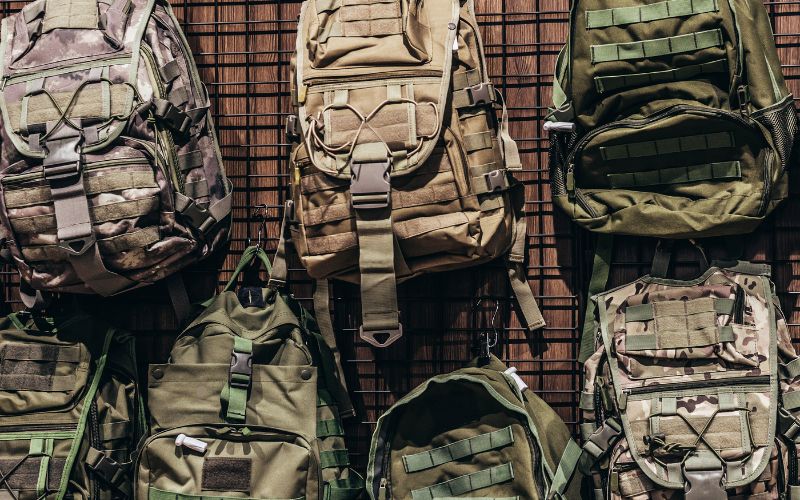
Tactical situations rarely have the luxury of time. Plate carrier backpacks are designed with access in mind. Features include:
- Rapid-release buckles: These allow the tactical backpack to be removed quickly in emergencies.
- External pockets: Offer quick access to commonly used items.
- Customizable pouches: Let operators organize gear by priority.
For instance, medics can use a plate carrier backpack for trauma kits in a dedicated, easily accessible pouch. Similarly, soldiers can store extra magazines or grenades in compartments that allow rapid retrieval without fumbling under pressure.
Hydration and Sustainability for Extended Missions
Dehydration and exhaustion can significantly impact performance in long tactical operations. Most plate carrier backpacks have integrated hydration systems, such as bladder compartments and hose routing. This allows operators to drink without stopping to get to the water bottles, thus maintaining their operational pace and readiness.
These packs can also carry rations, batteries, and additional clothing for extended missions, ensuring operators are prepared for prolonged engagements or unexpected delays.
Modular and Mission-Specific Customization

One of the key advantages of plate carrier backpacks is their modularity. Most designs integrate MOLLE webbing, Velcro panels, and attachment points, allowing users to adapt their setup to specific mission requirements. For example:
Reconnaissance missions: Requires storage for surveillance equipment such as cameras, drones, or maps.
Combat operations: Demand extra space for ammunition and weapon accessories.
Search and rescue missions: Benefit from compartments for medical kits, ropes, and safety gear.
This flexibility ensures operators stay well equipped with the right tools without carrying unnecessary weight.
Reduced Gear Profile for Tactical Advantage
A large tactical backpack can be a liability in tight spaces or urban combat. A plate carrier backpack is designed to stay low-profile so it won’t snag on obstacles or impede movement. This is important in operations where stealth and maneuverability are key, such as room clearing or navigating dense forests.
Applications Of Plate Carrier Backpacks
Plate carrier backpacks show up across a wide range of users, from military and law enforcement to search-and-rescue teams, hunters, and preppers. For a full breakdown of who uses them and what to look for by use case, see our plate carrier backpacks buying guide.
Conclusion
A plate carrier backpack is more than an accessory; it is a force multiplier that enhances operational efficiency, comfort, and versatility. It combines the protection of a plate carrier with the storage and functionality of a backpack, thus helping operators prepare for various combat and search-and-rescue scenarios.
When choosing a plate carrier backpack, make compatibility, durability, and accessibility your top priorities. Whether you are a military member, a law enforcement officer, or just an outdoor enthusiast, investing in a high-quality backpack may make all the difference at a critical moment.
Frequently Asked Questions
What is the primary purpose of a plate carrier backpack?
A plate carrier backpack adds storage to a plate carrier for gear such as ammunition, medical supplies, and hydration systems. It is designed to streamline operations and improve load distribution.
Can I use any backpack with my plate carrier?
Not all backpacks are compatible with plate carriers. Look for backpacks designed specifically for tactical use, featuring MOLLE webbing, quick-release systems, and other attachment mechanisms to integrate seamlessly with your plate carrier.
Is a plate carrier backpack suitable for civilian use?
Yes, plate carrier backpacks are versatile and can be used by outdoor enthusiasts, preppers, and anyone requiring a durable and modular storage system for challenging environments.