







Iran’s Precise Strikes on Secret CIA Sites Raise Suspicion of Russian Help

The precision and effectiveness of Iran’s recent missile strikes on covert CIA facilities in the Gulf have prompted U.S. intelligence officials to investigate whether Russia helped identify the targets, Reuters reported.
At least two CIA sites were hit by Iranian drones in March, including a CIA station inside the U.S. Embassy in Riyadh, Saudi Arabia, and another facility in eastern Iraq. Sources said additional CIA-related locations may have been targeted but did not provide further details.
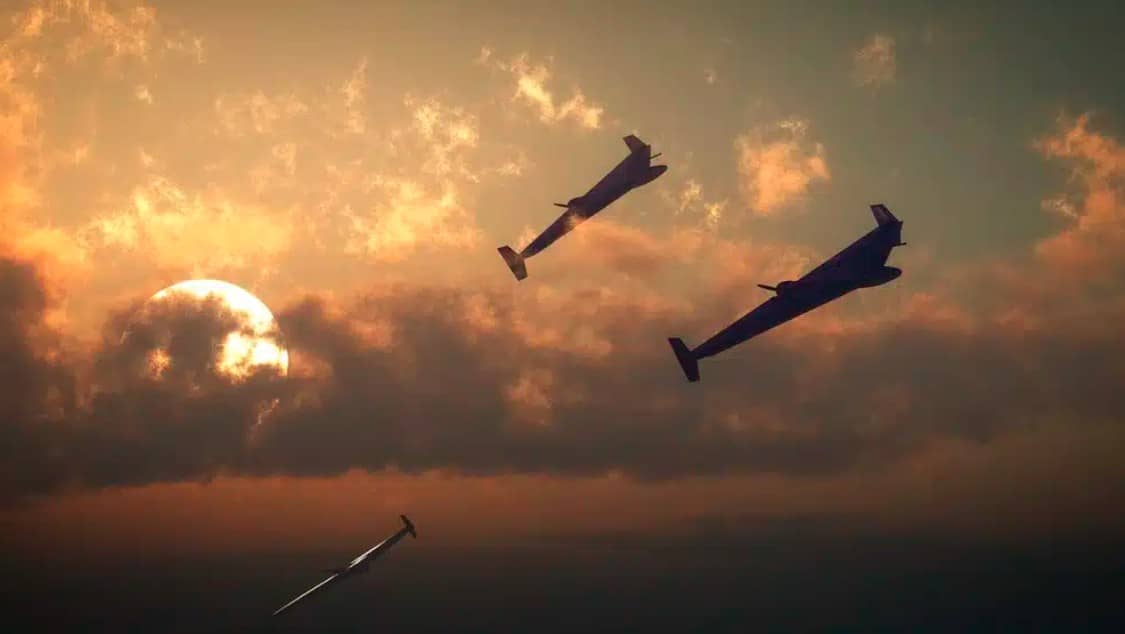
According to a Western intelligence agency memo reviewed by regional officials, Russia may have helped Iran improve the accuracy and resilience of its Shahed-136 drones by supplying the Kometa-M satellite navigation system, which experts say is more precise and resistant to jamming than Iran’s domestically developed systems.
The Kremlin has denied previous reports of supplying the technology, calling them “fake news.”
Nicole Grajewski, an assistant professor at Sciences Po’s Centre for International Research, said Russian involvement in Iranian targeting operations was a “realistic” possibility given the sophistication of recent attacks.
“This was kind of what was suspected because a lot of the attacks that Iran did were far more advanced than what they’ve done before,” Grajewski told Al Jazeera.
“Iran doesn’t have great space-based capability, unlike Russia,” she said. “Compared to Russia, Iran doesn’t have enough military-grade satellites for basic stuff… it seems likely that they struck some of the deal with the Russians.”
The possible Russian role comes as Moscow and Tehran deepen military ties following Russia’s invasion of Ukraine in 2022.
Iran has supplied Russia with weapons, including Shahed drones and ballistic missiles, while both countries have expanded cooperation aimed at countering U.S. influence.
Daniel Hoffman, a former CIA station chief and undercover operations officer, said Russian assistance in targeting CIA facilities would align with the interests of both countries.
“They share an interest in trying to reduce or eliminate U.S. influence altogether in their self-designated spheres of influence,” he told Reuters.
The White House referred questions to the CIA, which declined to comment. Iran’s mission to the United Nations, Russia’s Defense Ministry and the Saudi government did not respond to requests for comment.
Intelligence analysts note that the March strikes represent a notable escalation in Iran’s ability to project power against high-value Western targets in the region. The use of upgraded navigation systems, if confirmed, would mark a qualitative leap beyond previous Iranian drone campaigns that often suffered from guidance failures or electronic countermeasures. Regional security officials have privately expressed concern that such technology transfers could embolden further Iranian operations against U.S. and allied assets across the Gulf and Levant.
The deepening partnership also carries broader strategic implications. Russia, constrained by sanctions and battlefield attrition in Ukraine, has increasingly relied on Iranian munitions while offering Tehran access to advanced electronics, satellite data, and possibly targeting intelligence in return. This transactional relationship allows both sides to challenge American intelligence networks without direct confrontation. Former U.S. officials warn that successful strikes on CIA facilities risk prompting a more aggressive American posture in the region, potentially including enhanced defensive measures around embassies and intelligence outposts or expanded sanctions on dual-use technology suppliers.
Meanwhile, Saudi and Iraqi authorities face delicate balancing acts, seeking to protect their sovereignty while managing relations with both Washington and Tehran. As investigations continue, the episode underscores how the Ukraine conflict has accelerated military collaboration between Moscow and Tehran, with consequences that now reach far beyond Eastern Europe into the heart of U.S. intelligence operations in the Middle East.