








Does Plate Thickness Affect Ballistic Protection?

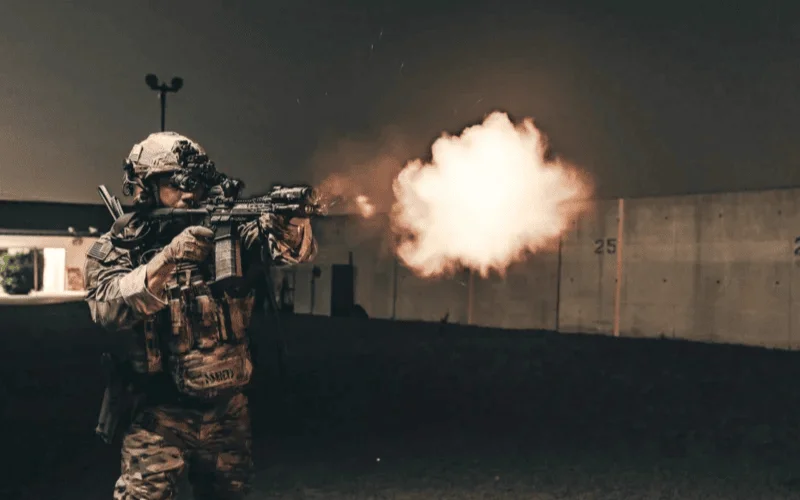
When considering ballistic protection, plate thickness plays a critical role in overall performance. Thicker plates generally offer better resistance against projectiles by absorbing more energy. However, it’s not just about piling on the layers; there’s a fine balance to strike. Optimal protection involves more than just thickness; it also requires the right material and design choices to maintain mobility and effectiveness. Thickness requirements also shift depending on whether you run Level III or Level IV body armor.
Optimized Multi-Curve Protection
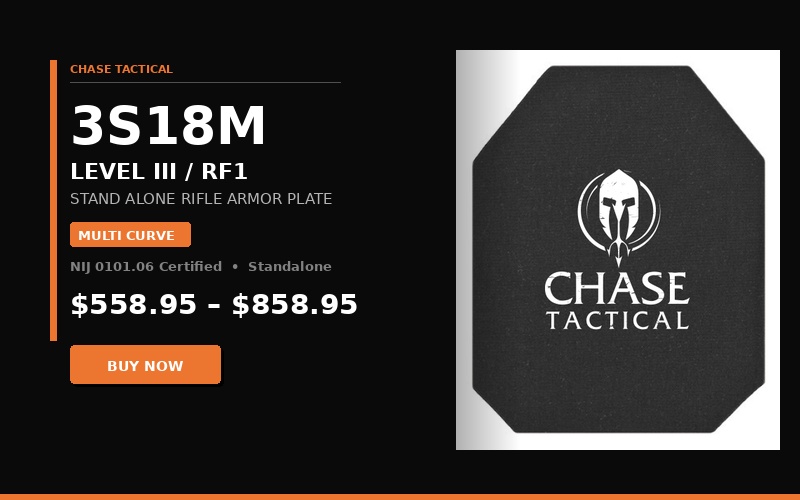
The Chase Tactical 3S18M Level III RF1 Stand-Alone Rifle Armor Plate demonstrates expert thickness optimization through its multi-curve design. This plate balances NIJ RF1 certified protection against common rifle threats with reduced weight and enhanced ergonomics. The multi-curve profile maximizes coverage while distributing weight efficiently across your torso for extended wear comfort.
Impact of Plate Thickness on Ballistic Resistance
Increasing thickness enhances protection across different materials, but the relationship isn’t always linear. Using multiple layers can effectively double the protection. For instance, clamping two equal-thickness layers together significantly improves resistance. Polycarbonate’s resistance increases with the number of layers, though manufacturing standards typically cap single layers at 0.5 inches.
When dealing with steel, opting for high-hardness varieties significantly reduces the required thickness compared to structural steel while providing the same level of protection. This choice not only decreases weight but also maintains performance. Ultimately, selecting the right material and thickness is essential to efficiently achieve the desired ballistic resistance.
How Thick Are Armor Plates by Material?
Thickness only makes sense in the context of material. A quarter inch of hardened steel and a full inch of polyethylene can stop the same rifle round, so comparing plates by thickness alone tells you very little. The table below shows the typical ranges you will see across the main plate materials and where each one usually lands on protection level and weight.
| Plate material | Typical thickness | Weight profile | Common ratings |
|---|---|---|---|
| Steel (AR500-550) | Roughly 0.2 to 0.3 inch plus coating | Heaviest per protection level | Level III / RF1 |
| Ceramic composite | Typically 0.7 to 1.1 inch | Moderate | Level III and IV / RF2, RF3 |
| UHMWPE (polyethylene) | Typically 0.9 to 1.3 inch | Lightest | Level III / RF1 |
| Hybrid ceramic-polyethylene | Typically 0.8 to 1.1 inch | Light to moderate | Level IV / RF3 |
The pattern here is consistent: the thinnest plates are the heaviest, and the thickest plates are the lightest. Steel gets away with minimal thickness because of its density and hardness, while polyethylene needs bulk to do the same job at a fraction of the weight. Ceramic sits in the middle and pairs a hard strike face with a composite backer, which is what makes it the standard choice for the highest threat ratings. For a deeper comparison of how these two materials trade off, see our guide on steel vs ceramic body armor.
How Plate Curvature Affects Fit and Ballistic Protection
Curvature does not change how much material a plate needs to defeat a given round; thickness and material chemistry handle that. What curvature changes is how the plate sits against the torso, which affects coverage, fit inside a carrier, and comfort during movement. A flat panel offers a large strike face but stands away from the body along the sides, leaving gaps under the arms and near the belt line. A single curve wraps around the chest in one plane, while a bi-curve or multi-curve panel follows the chest and rib cage in two planes, closing that gap without adding thickness.
Because curvature is a shaping choice rather than a material choice, two plates with identical thickness and the same NIJ rating can feel very different depending on curve profile. Shooters cut plates, which trim material from the top corners for shoulder mobility while shouldering a rifle, follow the same principle: the cut changes fit and coverage, not the ballistic chemistry underneath. For a full breakdown of curve types and when each one makes sense, see our guide on single-curve and multi-curve armor plates.
Spallation and Its Relationship With Thickness
Critical Thickness Importance
Spallation occurs when material ejects from the back of armor plates after a projectile strike. The plate’s thickness directly affects the amount of material displaced during impact. Thinner plates are at greater risk of spallation and are less effective at absorbing projectile momentum.
There’s a critical thickness threshold that can significantly reduce spallation risks. For instance, soft aramid fabric alone would need far more thickness than any wearable vest provides to stop a 7.62mm rifle round, which is why rifle protection always comes from hard plates rather than soft armor. Thicker structures distribute impact energy better, minimizing localized damage. Knowing the right thickness for your specific ammunition is essential in maintaining effective ballistic protection.
Spallation Mitigation Strategies
To effectively mitigate spallation, integrate material thickness with protective enhancements. Anti-spall coatings, like polyurea compounds, trap fragments on steel armor. Coating thickness varies by manufacturer, and heavier builds contain fragments more effectively at a small weight cost. Spall liners, made from high-tensile materials such as Kevlar, effectively absorb and contain fragments.
Ceramic armor requires a soft backer to capture spalling, ensuring debris stays contained. Polyurea coatings on ceramics enhance mass efficiency and reduce impact intensity. For superior protection, consider the balance between plate thickness and the use of advanced spallation-mitigation strategies.
Fragmentation Protection at Different Plate Thicknesses
Fragmentation protection is a different question from spallation. Spallation is material breaking off the back of the plate after impact, while fragmentation protection describes how well the plate stops threats like shrapnel, secondary debris, and lower-velocity rounds such as FMJ handgun ammunition before they reach the wearer. Any hard plate thick enough to carry a Level III or Level IV rating against rifle rounds will comfortably stop these lower-energy fragmentation threats, since the resistance needed to defeat rifle fire far exceeds what fragmentation requires.
Thickness matters more for soft armor and hybrid designs meant to add fragmentation resistance without much bulk, since a standalone rifle-rated hard plate is already over-built for fragments relative to its rating. If fragmentation and shrapnel are your main concern rather than direct rifle fire, a soft Level IIIA panel or a lightweight in-conjunction plate can deliver adequate protection at a fraction of the thickness and weight of a rifle-rated hard plate.
Hybrid Composite Plates Versus Non-Hybrid Solutions
Impact Energy Absorption
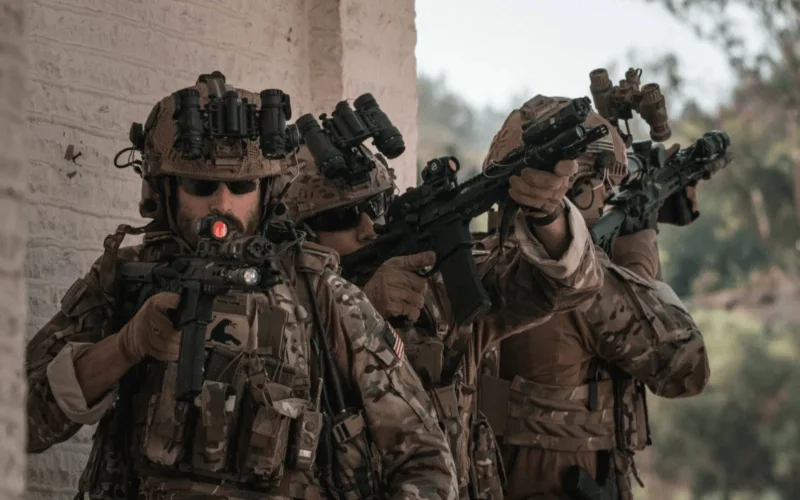
Hybrid composite plates excel at absorbing impact energy compared to their non-hybrid counterparts. These hybrid plates, particularly those with optimized fiber ratios, outperform non-hybrid Kevlar plates by absorbing more energy through mechanisms like matrix fracture, fiber shear, and delamination.
Metal-matrix composites (MMCs) in hybrid configurations further enhance resistance to armor-piercing rounds. Understanding what Level IIIA armor protects against helps you appreciate the advanced protection these hybrid systems provide. In contrast, non-hybrid plates generally absorb less energy and add unnecessary weight. They also exhibit severe delamination, which, while beneficial for energy absorption, compromises multi-hit resistance.
Layer Thickness Optimization
Hybrid solutions outperform non-hybrid alternatives at equivalent thicknesses. For instance, hybrid plates made with advanced fibers excel in ballistic performance, outperforming single-material systems. By integrating components like glass fiber layers, three-component hybrids improve quality ratings and reduce material usage.
Variations in face-sheet thickness in hybrid structures improve ballistic resistance without increasing mass. Two-component systems achieve ideal quality ratings, while three-component designs effectively distribute thickness across layers, maximizing protection and efficiency. When comparing single-curve and multi-curve armor plates, thickness optimization is even more critical for comfort and coverage.
Weight Reduction Benefits
By combining fibers like carbon, Kevlar, and UHMWPE, hybrid plates optimize energy absorption and maintain low specific gravity, unlike the 7.8 of steel. This translates to a lighter load, enhancing mobility and reducing fatigue during extended wear.
The reduced weight boosts agility and speed while maintaining necessary protection standards aligned with National Institute of Justice guidelines. For operators requiring extended wear comfort through layered protection, this weight reduction is crucial for mission success.
Steel Plate Configurations for Protection

Understanding the relationship between steel type, thickness, and ballistic performance is essential. AR500-550 steel plates typically rely on roughly a quarter-inch of hardened steel for rifle-rated protection, with an anti-spall coating applied to the strike face to mitigate fragmentation.
Thickness increases weight without linear gains in protection, so balance is key. SAPI-series plates show that thicker plates can stop more rounds but also weigh more, impacting mobility. Consider your protection needs, weight tolerance, and potential threats when choosing the right configuration.
SAPI and ESAPI Plate Thickness Standards
SAPI and ESAPI refer to the U.S. military’s Small Arms Protective Insert and Enhanced Small Arms Protective Insert plate programs, and the terminology still comes up across the commercial market even though NIJ ratings use different labels. SAPI-pattern plates typically pair a ceramic strike face, often boron carbide or silicon carbide, with a UHMWPE or aramid composite backer, and they generally land in the same 0.7 to 1.1 inch range as the commercial Level III and Level IV ceramic plates shown in the material table above. See our guide on ballistic plate materials for tactical gear for more on how strike-face material drives that range.
ESAPI plates add thickness and weight over standard SAPI to defeat armor-piercing (AP) rifle threats, which is why AP-rated ceramic plates trend toward the thicker end of the ceramic range. When comparing SAPI-style plates across manufacturers, thickness alone will not tell you the protection level: two plates cut to the same SAPI pattern can carry different NIJ ratings depending on strike-face material and backer thickness, so confirm the rating and test data rather than matching thickness to a milspec cut.
Role of Composite Backing in Ballistic Performance
Composites offer remarkable energy absorption capabilities by absorbing impact energy through fiber deformation and resin bonding. Hybrid composites outperform non-hybrid plates by absorbing substantially more impact energy before failure.
This impressive energy absorption enhances protection while reducing the weight of materials such as UHMWPE, which has a specific gravity of less than 1, making it significantly lighter than steel. This weight reduction boosts mobility and payload capacity without sacrificing safety. Additionally, composites excel at reducing spall and improving multi-hit performance, especially in hybrid forms that meet NIJ standards.
Ceramic Layer Thickness and Its Effects
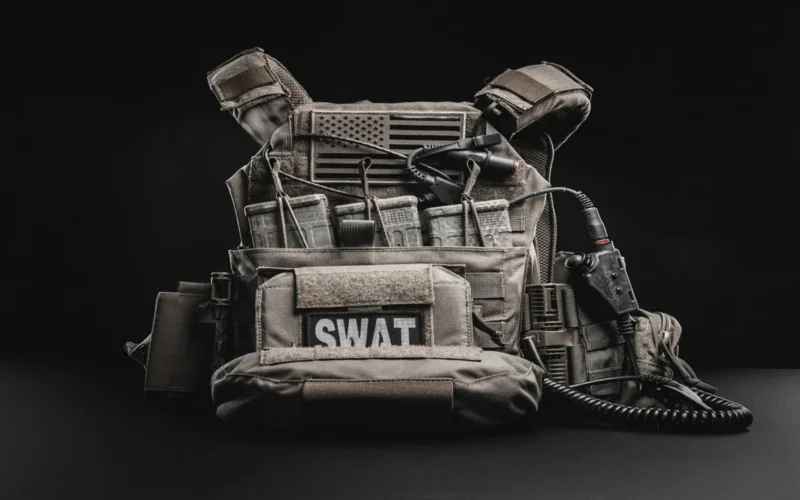
Greater thickness in ceramic body armor plates increases material density in the impact zone, significantly reducing the projectile’s speed and penetration capability. The thickness directly affects how much energy the ceramic can absorb during an impact.
However, simply increasing thickness isn’t always the best solution. Multi-layered gradient systems outperform single-thickness ceramic setups, suggesting that well-engineered design can reduce the need for maximum ceramic thickness. Additionally, the thickness of the adhesive layer affects how the ceramic withstands ballistic damage.
Plate Thickness by NIJ Protection Level
The National Institute of Justice rates body armor by the threats it must stop, not by how thick it is. Two plates at the same rating can differ in thickness by half an inch or more depending on material. What the rating does control is the minimum performance, so thickness becomes a design output rather than a spec you shop for directly.
Under the long-running NIJ 0101.06 standard, Level IIIA soft armor stops common handgun threats up to .44 Magnum, including 9mm rounds, using thin, flexible layers of woven aramid or laminated polyethylene. Level III hard plates are rated against 7.62mm rifle rounds, and Level IV body armor plates must defeat armor-piercing rifle ammunition. The newer NIJ 0101.07 standard renames these tiers: HG1 and HG2 cover handgun protection, while RF1, RF2, and RF3 cover ascending rifle threats.
Thickness tracks those tiers in a predictable way. Handgun-rated soft armor stays under half an inch and remains flexible enough for concealment. Rifle-rated plates jump sharply in thickness because stopping a rifle round requires either very hard, dense material or a much deeper section of composite to spread the impact. Armor-piercing threats push designs toward ceramic strike faces backed by composite layers, which is why Level IV and RF3 plates sit at the thicker end of every manufacturer’s lineup.
The practical takeaway: choose the rating first based on the threats you actually face, then compare plates within that rating on thickness, weight, and cut. A thinner plate at the same certified rating is a genuine ergonomic win with no protection penalty.
Optimizing Thickness for Weight and Protection Balance
Finding the sweet spot between weight and protection requires careful engineering. You can achieve superior protection-to-weight ratios by enhancing multi-layer configurations. Pairing different materials at optimal thicknesses yields optimal performance based on the threat level.
Use advanced optimization algorithms and finite element simulations to systematically identify perfect thickness combinations. Carefully calibrate back plate thickness to maintain the elastic limit without compromising structural integrity. Multi-curve plates exemplify this balance, providing Level III protection while maintaining reasonable weight through optimized thickness distribution.
Advances in Alloy Development
Advances in alloy development are reshaping body armor technology. Aluminum-lithium alloys offer high strength and energy absorption with less weight, while new 7XXX series alloys resist armor-piercing rounds and fragments, outperforming previous standards.
Aluminum composite systems can deliver better protection-to-weight performance than traditional steel across several threat categories. Nano- and advanced-steel alloys, such as high-hardened steel, require less thickness while still providing protection. Emerging nanomaterials, including graphene oxide coatings and auxetic structures, further enhance ballistic resilience.
Matching Thickness to Your Threat Assessment
Military personnel and law enforcement officers approach this decision differently because their threat profiles differ. A patrol officer facing predominantly handgun threats is often better served by thin, concealable Level IIIA soft body armor worn for a full shift than by a rifle plate left in the trunk. Active shooter response teams and military units operating against rifle threats accept the added thickness and weight of hard plates because the threat demands it.
Your plate carrier setup matters here too. Thicker plates change how a carrier sits on the torso, how much the cummerbund needs to expand, and how pouches stack on the front panel. If you are moving between vehicle work, structure clearing, and long foot movements, a thinner plate at the same rating pays off every hour you wear it. Run an honest threat assessment, pick the NIJ rating that covers it, and then let thickness and weight break the tie between certified options.
Choosing a Thinner Level III Plate Without Losing Protection
Level III is the rating where thickness varies most between manufacturers, since steel, UHMWPE, and hybrid ceramic-polyethylene builds can all meet the same standard at very different profiles. If a thin plate that still clears Level III is your priority, UHMWPE stand-alone plates are usually the thinnest reliable option among non-steel builds, and they are thin enough to fit slim, low-profile carriers without the buildup you get from steel or ceramic. Steel plates can also run thin (see the material table above), but the added weight often offsets the thickness savings for all-day wear.
A hybrid ceramic-polyethylene Level III plate splits the difference: it adds a thin strike face over a polyethylene backer, staying close to UHMWPE thickness while gaining some of the multi-hit durability a hard strike face provides. Multi-curve shaping, like the profile used on the Chase Tactical 3S18M discussed above, further reduces how much a plate’s profile adds to its apparent bulk, since a curved plate sits closer to the body than a flat plate of the same thickness. Before choosing on thickness alone, compare specs against our guide on the difference between lightweight and standard armor plates.
Conclusion
In evaluating ballistic protection, plate thickness plays a vital role in overall performance. While thicker plates can enhance resistance to projectiles, they also add weight, impacting mobility. Finding the right balance between protection and practicality requires careful consideration of materials, design, and configuration. By using advanced materials, hybrid designs, and optimal configurations, you can achieve superior protection without excessive bulk. Remember, The relationship between plate thickness and ballistic protection explains why plates at the same rating can differ so much in bulk and weight.
Frequently Asked Questions
How does plate curvature affect ballistic protection?
Plate curvature enhances ballistic protection by distributing impact forces effectively and improving energy absorption. Curved plates hug your body, reducing trauma, maintaining optimal protection during movement, and enhancing comfort.
What role does plate material density play in protection?
Plate material density directly impacts protection, weight, and mobility. Lower-density materials like UHMWPE offer lightweight protection that enhances mobility. Higher-density materials, such as steel, provide strong protection but can increase fatigue over time.
Does plate flexibility influence ballistic resistance?
Plate flexibility influences ballistic resistance by enhancing energy dispersion and comfort. Flexible materials, such as Kevlar composites, conform to body shapes, absorbing impact effectively and reducing the risk of injury while maintaining protection levels.
Is there an optimal plate thickness for protection?
There is no single optimal thickness. The right thickness depends on the threat level you need to stop, the plate material, and how long you wear the armor. A ceramic Level IV plate around an inch thick stops armor-piercing rifle rounds, while a much thinner steel plate covers Level III threats at a higher weight cost.
Can thin plates stop high-caliber rounds?
Thin plates can stop high-caliber rounds only when they are made from high-hardness steel or advanced composites certified for that threat. Thickness alone does not determine stopping power. An unrated thin plate offers no reliable protection against rifle fire, so always match the plate’s NIJ rating to the threat.
How thick is a SAPI or ESAPI plate?
SAPI and ESAPI plates generally run in the same 0.7 to 1.1 inch range as commercial ceramic Level III and Level IV plates, with ESAPI variants trending toward the thicker end to defeat armor-piercing threats.