








What Level IIIA Armor Protects Against: Real-World Threat Breakdown

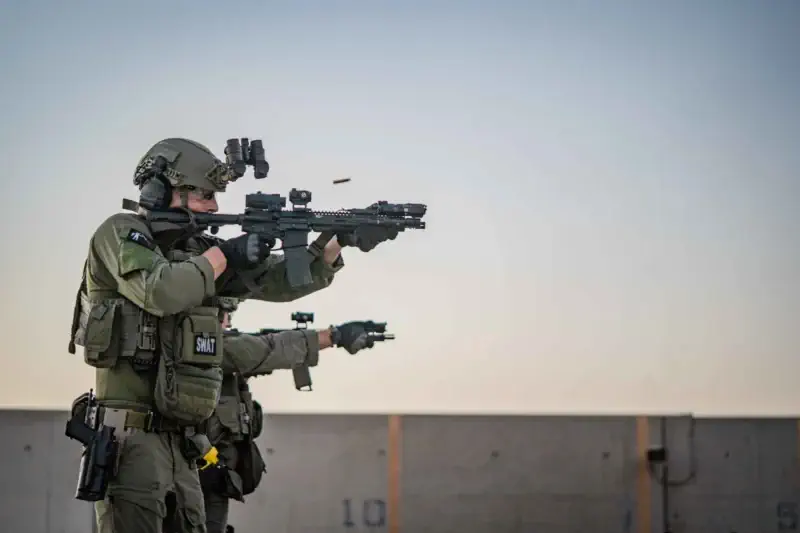
Level IIIA armor is your reliable shield against common handgun threats, offering protection from .44 Magnum SJHP, .357 SIG FMJ, and more. It’s built for multiple impacts, making it a top choice for law enforcement and personal defense. Remember, it doesn’t stop armor-piercing rounds or rifle ammo. Understanding how it performs in real-world scenarios ensures you make the right choice.
Looking for certified ballistic protection? Our soft body armor and plate carriers offer NIJ-certified Level IIIA protection with superior comfort and concealability for everyday carry and tactical operations.
Understanding Level IIIA Ballistic Threats
Level IIIA armor offers robust protection against common handgun threats. It stops rounds like .44 Magnum SJHP and .357 SIG FMJ Flat Nose at high velocities. It’s effective against 9mm FMJ, .40 S&W FMJ, and .357 Magnum JSP. Armor plates are constructed from ballistic-resistant materials that absorb and dissipate projectile energy.
While it withstands multiple hits, its effectiveness can decrease with consecutive impacts. It maintains a lightweight, concealable form for everyday protection. Understanding body armor protection levels helps choose the right level for your environment.
Key Features and Construction of Level IIIA Armor

Level IIIA armor features advanced ballistic materials like polyethylene, Kevlar, and Dyneema. These materials are chosen for their lightweight yet durable properties, ensuring flexibility without compromising protection.
Advanced Ballistic Materials
Level IIIA armor uses advanced ballistic materials for optimal protection. Kevlar and Twaron offer high tensile strength and energy absorption through rigid structures. Ultra-High Molecular Weight Polyethylene (UHMWPE) provides a superior strength-to-weight ratio. Multiple woven layers are compressed under high heat for enhanced protection. Advanced coatings and spall guards protect against environmental factors and bullet fragmentation. The NIJ certifies Level IIIA armor to ensure it meets pistol-rated threat standards.
Lightweight and Flexible Design
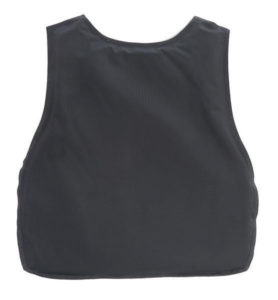
Level IIIA armor offers a lightweight and flexible design ideal for discreet wear. Soft panels, just 0.2–0.3 inches thick, fit comfortably under clothing. Made from Kevlar or Dyneema woven into multiple layers for energy absorption, standard panels weigh under 1 pound. This lightweight construction allows integration into vests, backpacks, and more without compromising mobility. Level IIIA’s concealability ensures protection without drawing attention, perfect for covert applications and everyday carry.
Protection Capabilities Against Handgun Rounds
Level IIIA armor stops most common handgun calibers like 9mm and .45 ACP, while handling high-velocity threats such as .44 Magnum. Its multi-hit resistance withstands successive impacts without compromising protection.
Stopping Power Highlights
Level IIIA armor offers exceptional stopping power against handgun rounds. It’s rated to stop high-velocity rounds like .44 Magnum jacketed soft point and .357 SIG. Common calibers such as 9mm, .45 ACP, and .357 Magnum are effectively halted. Level IIIA manages handgun velocities up to about 1,400 feet per second, balancing protection and weight. While it doesn’t stop armor-piercing rounds, it covers most typical threats, providing reliable defense with excellent coverage and mobility.
Multi-Hit Resistance
Level IIIA armor effectively withstands multiple hits. It’s tested to withstand 6 shots from calibers like the .44 Magnum and .357 SIG, meeting NIJ Standard-0101.06 certification. The material, Kevlar or UHMWPE, spreads impact force across a wider area, maintaining integrity after hits. However, closely grouped impacts can compromise effectiveness. Additionally, Level IIIA armor offers greater concealability and lighter weight than rifle-rated armor.
Coverage and Flexibility
Level IIIA armor offers extensive coverage and flexibility. It typically shields the chest, back, and sides, ensuring critical areas are secure while allowing freedom of movement. Soft armor panels crafted from Kevlar or UHMWPE give a snug fit, enhancing comfort and protection. Rated to stop the majority of handgun threats, it’s effective against calibers like 9mm and .45 ACP. While it won’t stop rifle rounds, it stands strong against most close-range handgun and shotgun threats.
Testing Standards and NIJ Certification
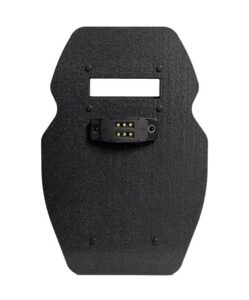
Level IIIA armor undergoes rigorous testing outlined by the National Institute of Justice (NIJ). This involves firing specific handgun rounds at precise velocities and distances to ensure performance under real conditions. Independent NIJ-approved labs conduct these tests to minimize bias. Manufacturers must submit models for testing under the NIJ Compliance Testing Program.
Certification confirms the armor meets protection criteria with follow-up inspections and random testing. Remember, uncertified products don’t guarantee true Level IIIA protection. Always verify NIJ certification when purchasing ballistic armor to ensure legitimate protection.
Material Characteristics and Durability
Level IIIA armor is primarily made from advanced fibers such as Kevlar, Twaron, and UHMWPE. Kevlar offers excellent tensile strength and heat resistance. UHMWPE excels with a superior strength-to-weight ratio and impact resistance. These materials are combined with waterproof shells to guard against environmental damage. The multi-layered composition absorbs and dissipates kinetic energy, maintaining integrity after multiple impacts.
However, Kevlar requires protection from UV rays and moisture, while UHMWPE and titanium resist moisture and corrosion. Proper storage and maintenance extend the armor’s lifespan, typically around five years.
Design Considerations for Practical Use
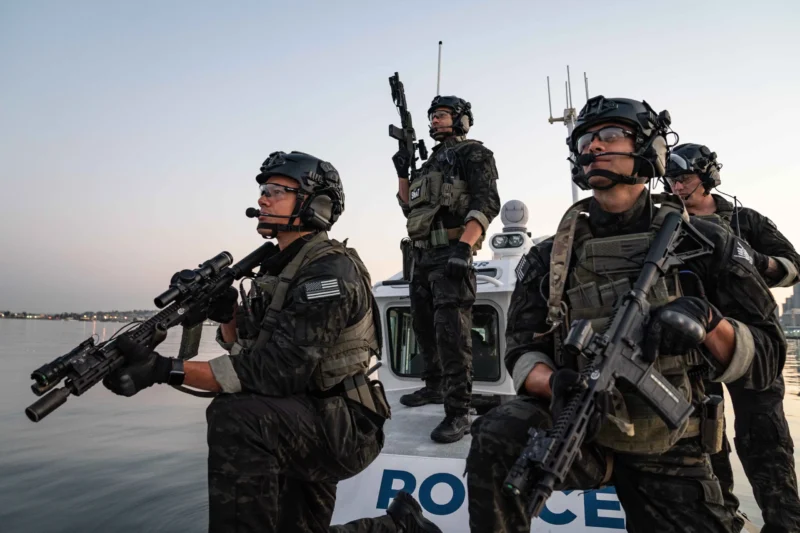
When considering Level IIIA armor, balance protection with comfort and mobility. Its soft, flexible design contours to your body, reducing fatigue during long use. Lightweight materials like Kevlar enhance mobility, allowing quick movements and natural motion. Concealable forms support undercover operations without drawing attention. Modern designs integrate seamlessly with tactical equipment, allowing you to add pouches, holsters, and other gear without compromising protection.
Limitations and Environmental Factors
Level IIIA armor has limitations that must be acknowledged. The armor degrades with heat and humidity, weakening ballistic resistance over time. High temperatures compromise fibers, while moisture absorption leads to damage. UV exposure also deteriorates fabric, so proper storage in cool, dry environments is essential. Although it stops most handgun rounds, it doesn’t protect against rifle or armor-piercing bullets. Regular inspections and maintenance ensure longevity, with a typical lifespan of about five years. For rifle protection, consider upgrading to Level III or IV hard plates.
Real-World Application and User Scenarios

Level IIIA armor plays a fundamental role in various scenarios. For law enforcement, it provides a significant barrier against handgun threats during patrols and tactical missions. First responders, like paramedics and firefighters, wear it for protective shielding in potentially violent situations. Civilians and security professionals find Level IIIA armor indispensable, balancing protection and comfort. Understanding the principles of lightweight military gear helps optimize your armor setup for extended wear and operational effectiveness.
Maintenance and Care Guidelines
Proper maintenance extends the life of Level IIIA armor and ensures consistent protection store armor in cool, dry locations away from direct sunlight. Inspect panels regularly for wear, tears, or deformation. Clean soft armor with mild soap and water, air drying completely. Never machine wash or use harsh chemicals. Replace panels every 5 years, or sooner if damaged, even if there is no visible impact.
Conclusion
Choosing Level IIIA armor prioritizes safety against common handgun threats like .44 Magnum and 9mm FMJ. This armor’s robust design handles multiple impacts, making it reliable for law enforcement and personal defense. Remember, it doesn’t protect against rifle or armor-piercing rounds. Always consider the environment and specific threats you face. With Level IIIA, you’re prepared for many real-world scenarios while staying aware of its limitations. Invest in NIJ-certified armor and maintain it properly for maximum protection.
Frequently Asked Questions
Can Level IIIA armor stop rifle rounds?
No, Level IIIA armor is designed only for handgun threats. For rifle protection, you need Level III or IV hard plates, which can be combined with Level IIIA soft armor.
How long does Level IIIA armor last?
Level IIIA armor typically lasts 5 years with proper care. Replace it sooner if exposed to impacts, extreme conditions, or visible damage during inspections.
Is Level IIIA armor concealable under regular clothing?
Yes, Level IIIA panels are 0.2-0.3 inches thick and weigh under 1 pound, making them easily concealable under dress shirts, jackets, or everyday wear.
Does Level IIIA armor protect against knife attacks?
Standard Level IIIA armor offers limited protection against knives. For stab protection, look for armor with specialized stab-resistant inserts that meet NIJ standards.