






Tactical Firearms Explained: Types, Training, and Safety Guide (2026)

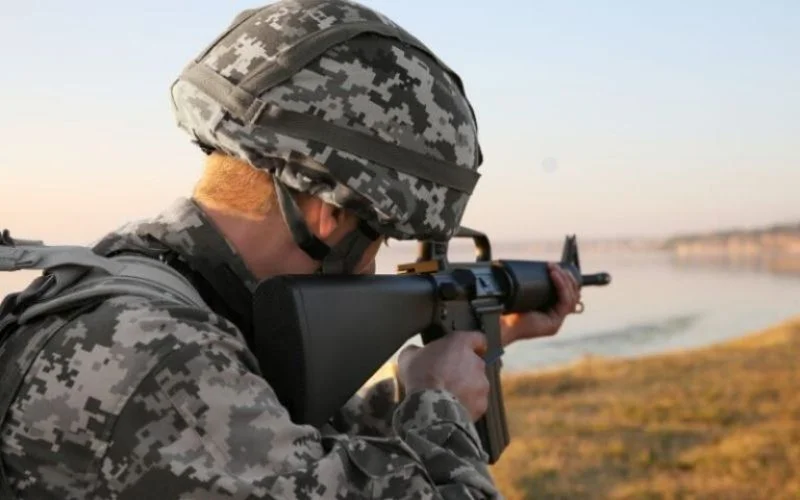
What is a tactical weapon? A tactical firearm is a purpose-built weapon designed for high-pressure operational use in military combat, law enforcement duty, or civilian self-defense. What separates it from a standard sporting firearm is a specific set of design features: accessory rails, higher-capacity magazines, durable construction, and ergonomic controls built for rapid deployment under stress.
Understanding what actually makes a firearm “tactical” matters whether you’re evaluating options for self-defense, law enforcement, or military use. This guide covers the main types of tactical firearms, the features that earn a gun the tactical designation, the training that goes with owning one, and the safety practices every shooter should follow.
Types of Tactical Firearms
Tactical firearms come in various forms, each designed for specific purposes and scenarios. Understanding firearm types helps choose the right one for home defense, professional use, or recreational shooting. Here, we’ll explore some of the most common types of tactical firearms, focusing on their unique features and applications.
Use the table below to quickly compare the main types of tactical firearms before diving into each:
| Type | Best For | Common Examples | Key Feature |
| Handgun | EDC, home defense, LE | Glock 17, Sig P320 | Compact, concealable; 15–17 round capacity |
| Rifle (Tactical) | Precision, mid-range | AR-15, AK-47 | Modular; accepts optics, suppressors, stocks |
| Shotgun | CQB, home defense | Mossberg 590, Remington 870 | Devastating spread at close range |
| Submachine Gun | CQC, LE/military | MP5, Uzi | Fires pistol cartridges; fully automatic |
| Assault Rifle | Combat, suppression | M16, AK-47 | Selective fire; intermediate cartridge |
| Sniper Rifle | Long-range precision | M24, Barrett M82 | Heavy barrel, high-magnification optic |
| Machine Gun | Suppressive fire | M249 SAW, M60 | Belt-fed; sustained automatic fire |
Handguns
Handguns are versatile, compact firearms that are easy to carry and conceal. They are ideal for close-quarter situations and are commonly used for self-defense and law enforcement.
Handguns come in two main types:
- Revolvers
- Semi-automatic
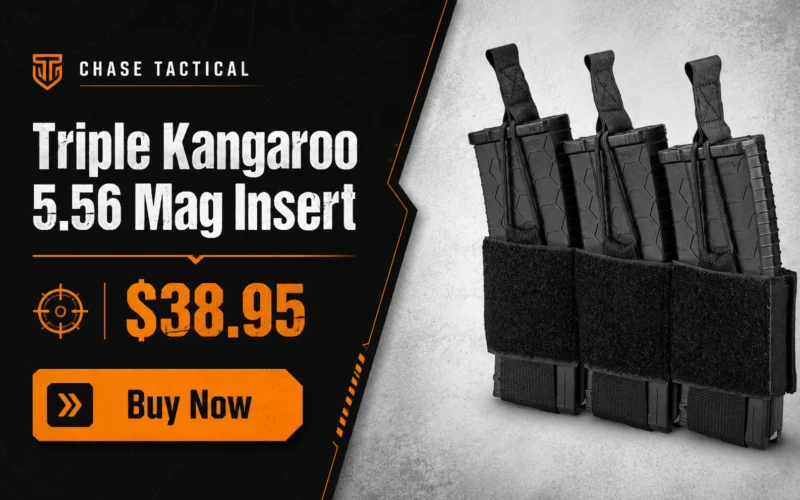
Revolvers are popular for their reliability and simplicity, featuring a rotating cylinder that holds the ammunition. On the other hand, semi-automatic pistols use a magazine to feed ammunition, offering faster reload times and higher ammunition capacity. For those who carry extra magazines, products like the CT Triple Kangaroo 5.56 Mag Insert can be essential for quick and efficient reloads.
Rifles
Rifles are long-barreled firearms designed for precision and range. They are commonly used in hunting, target shooting, and military operations. Tactical rifles, such as the AR-15, offer customizable features and are highly accurate, making them popular among enthusiasts and professionals. These firearms use various types of ammunition, including full metal jackets and hollow-point bullets, each serving different purposes. Add accessories like the Rifle Insert Anti-Spall Sleeve to enhance the protection level.
Shotguns
Shotguns are powerful firearms designed to fire a spread of pellets, making them effective for close-range targets. They are often used in home defense, law enforcement, and certain hunting applications. Tactical shotguns typically feature shorter barrels and higher-capacity magazines, enhancing maneuverability and firepower. Shotguns’ versatility allows them to be used with different ammunition variants, such as buckshot, birdshot, and slugs. A shotgun shell pouch can be highly useful for carrying extra ammunition.
Submachine Guns
Submachine guns are compact, fully automatic firearms designed for rapid fire. They are commonly used by military and law enforcement for close-quarter combat. These firearms are chambered for pistol cartridges, offering high rates of fire and easy handling. The iconic Uzi and MP5 are examples of submachine guns known for their reliability and effectiveness in tactical situations.
Assault Rifles
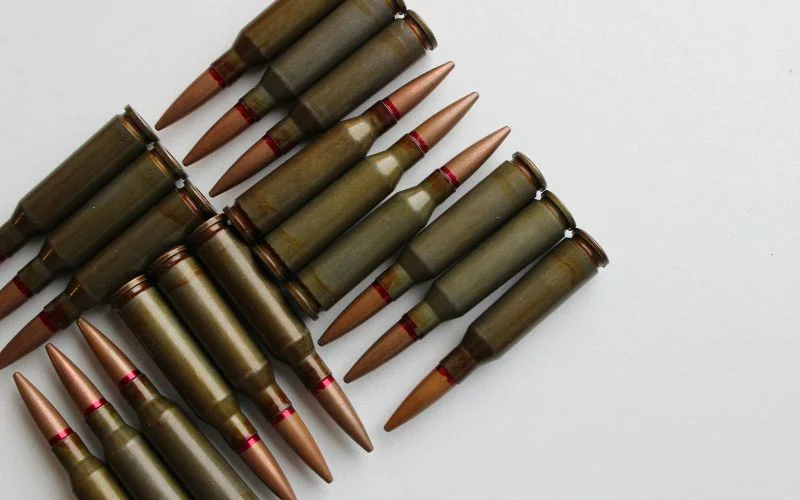
Assault rifles are guns that can shoot one bullet at a time or keep shooting as long as the trigger is pulled. They are standard issue in many military forces around the world. Assault rifles like the AK-47 and M16 are known for their durability, accuracy, and adaptability in various combat scenarios.
They use intermediate cartridges, balancing power and control for effective performance at both close and medium ranges. Consider equipping yourself with a MEAC Active Shooter Response Kit or a QRC Active Shooter Armor Kit for active-shooter scenarios.
Sniper Rifles
Sniper rifles are designed for long-range precision shooting. These rifles feature high-powered optics, heavy barrels, and specialized ammunition to ensure accuracy over extended distances. Used primarily by military snipers and law enforcement sharpshooters, sniper rifles require advanced training and expertise. Popular models include the M24 and the Barrett M82, which are known for their exceptional range and stopping power.
Machine Guns
Machine guns are automatic firearms capable of delivering sustained and continuous fire. Military forces typically use them to provide suppressive fire and support infantry operations. Machine guns like the M249 and M60 offer high rates of fire and significant firepower, making them crucial in various combat scenarios. Due to their complexity and the tactical considerations involved in their use, these firearms require specialized training.
Ammunition and Calibers for Tactical Firearms
The ammunition a tactical firearm is chambered for affects everything from felt recoil to effective range, and it shapes how much extra gear you need to carry alongside it. Most tactical platforms are built around a handful of well-established calibers rather than exotic options:
- 9mm – the standard chambering for tactical handguns and many submachine guns, valued for manageable recoil and widely available ammunition.
- 5.56x45mm/.223 Remington – the standard chambering for AR-platform tactical rifles used by law enforcement and military units.
- 7.62x39mm – the chambering used in the AK-47 and similar platforms, known for reliability across a wide range of conditions.
- .308 Winchester/7.62x51mm – a larger rifle caliber used in designated marksman rifles and some sniper rifles for extended range.
- 12-gauge – the standard for tactical shotguns, loaded with buckshot for close-range engagements or slugs for longer-range accuracy.
Matching the right ammunition to your firearm and its intended use, whether that’s home defense, range training, or professional deployment, matters as much as the firearm itself. Carrying enough of it also matters: a mag pouch keeps reloads accessible without adding unnecessary bulk to a loadout.
What Makes a Firearm ‘Tactical’?
The term ‘tactical’ is often used loosely, but it refers to a specific set of design features that separate these weapons from standard sporting firearms. A firearm earns the tactical designation when it combines several of the following characteristics:
- Modularity – accessory rails (Picatinny/M-LOK) for lights, optics, suppressors, and grips
- Higher-capacity magazines – typically 15–30 rounds vs 5–10 in standard firearms
- Durable construction – polymer frames, corrosion-resistant coatings for field conditions
- Ergonomic controls – ambidextrous safeties, extended mag releases, adjustable stocks
- Reliability under stress – tested to cycle in dirty, wet, and extreme-temperature environments
Not every ‘tactical-looking’ firearm is purpose-built for tactical use. Before purchasing, verify compliance with NIJ or military specifications and confirm the weapon meets the demands of your intended application. For a closer look at how a dedicated tactical platform differs from a general-purpose gun, see our comparison of tactical and standard firearms.
Tactical Firearm Accessories and Attachments
Modularity is what turns a base tactical firearm into a complete weapon system. The most common attachments fall into a few categories:
- Optics – red dot sights for fast target acquisition at close range, magnified scopes for precision at distance.
- Weapon lights – mounted on a rail to identify targets and illuminate low-light environments without taking a hand off the firearm.
- Suppressors – reduce muzzle report and flash, though legality varies by jurisdiction (see the FAQ below).
- Slings – single-point or two-point slings free up both hands while keeping a rifle or shotgun secured and ready.
- Foregrips and vertical grips – improve control and stability during rapid or sustained fire.
Most of these attach through a Picatinny rail or M-LOK slots built into the firearm’s handguard, which is part of what separates a tactical platform from a standard sporting gun. Adding accessories should match your actual use case: a home-defense handgun rarely needs the same loadout as a rifle built for a professional deployment.
Tactical Firearm Deployment and Strategy
In professional deployment, tactical firearms are selected to match the threat environment. Law enforcement typically carries semi-automatic handguns and patrol rifles (usually AR-platform chambered in 5.56mm or .223). Military units may add squad automatic weapons and designated marksman rifles to extend the team’s range and suppressive capability.
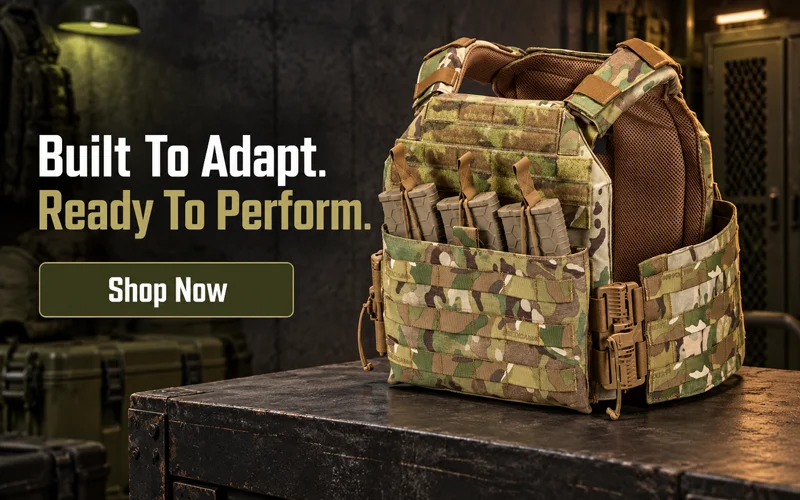
The effectiveness of any tactical firearm in the field depends on three factors working together: weapon selection, supporting gear (plate carriers, IFAK, mag pouches), and the operator’s training level. Chase Tactical builds nylon gear and armor systems specifically designed to work alongside tactical firearms in real operational environments.
How Tactical Firearms Are Used in Professional Settings
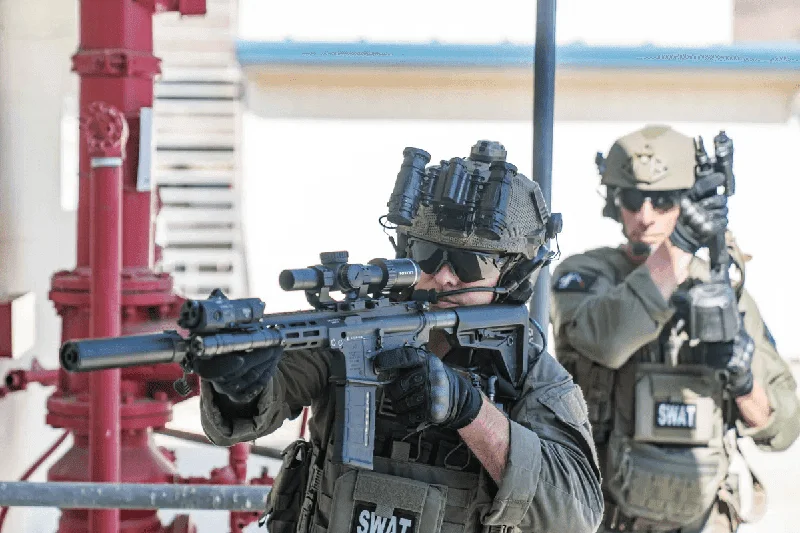
Military and law enforcement agencies rely on tactical firearms daily, but how they’re deployed depends on the mission. Patrol officers and SWAT teams typically carry semi-automatic handguns and AR-platform rifles chambered in 5.56mm or .223, prioritizing accuracy and rapid target transitions in populated environments. Military units add designated marksman rifles and squad automatic weapons when the mission calls for extended range or sustained suppressive fire.
In counterterrorism and active-shooter response, speed and coordination matter as much as the firearm itself. Rapid-reaction teams train to clear structures, confront threats, and control unpredictable environments, which is why the firearm is only ever one piece of the equation. Chase Tactical builds nylon gear and armor systems designed to work alongside tactical firearms in exactly these operational environments, from plate carriers and chest rigs to mag pouches and IFAKs.
Tactical Firearm Training
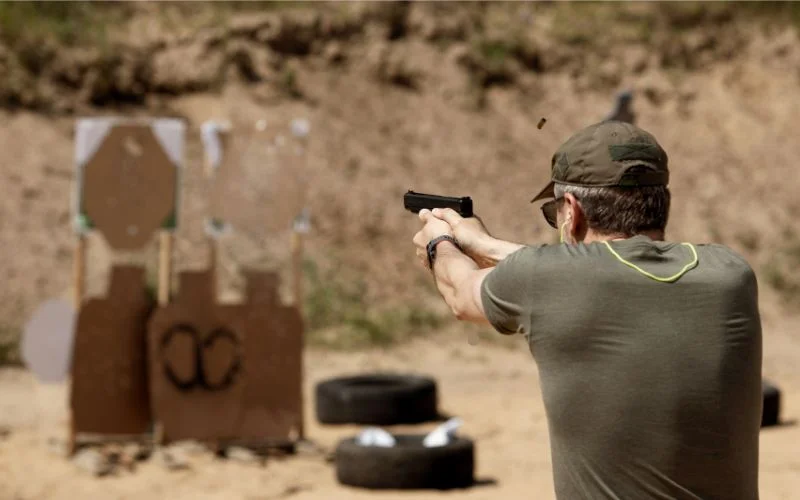
Proper training is essential for anyone using tactical firearms, ensuring both effectiveness and safety. Tactical firearm training encompasses a variety of skills, from basic handling to advanced combat techniques. This part of the article will explore the key aspects of training, providing insights into what you need to know to become proficient with your firearm.
Basic Firearm Handling
Basic firearm handling is the foundation of all tactical training. It includes learning how to load, unload, and handle your firearm safely. It’s important always to point the gun in a safe direction, keep your finger off the trigger until you’re ready to shoot, and know how your gun works. Familiarizing yourself with your weapon’s operation in tactical operations, including its safety features and maintenance requirements, is crucial for effective use.
Shooting Stances And Grips
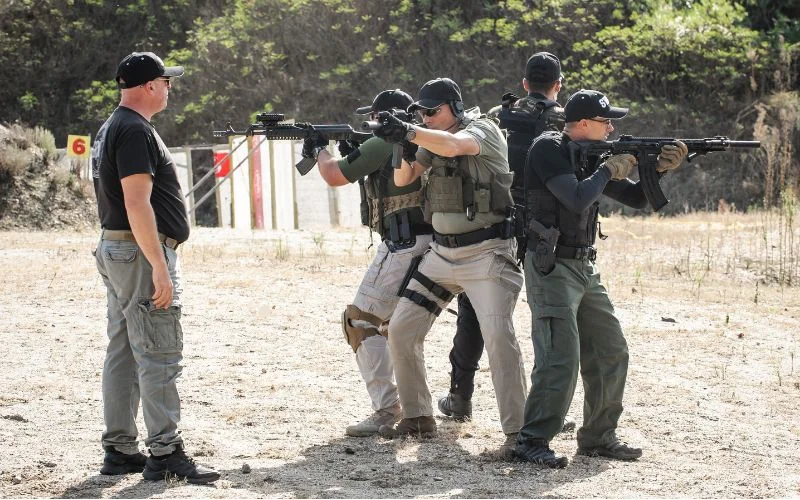
Proper shooting stances and grips are vital for accuracy and control. Different stances, like the Weaver and Isosceles, provide stability and balance, enhancing your shooting performance. A correct grip ensures better recoil management and quicker target reacquisition. Training should focus on finding the best stance and grip for you, enabling comfortable, consistent shooting.
Target Acquisition And Accuracy
Target acquisition and accuracy are critical components of tactical firearm training. This involves learning to quickly identify and engage targets while maintaining precision. Techniques such as sight alignment, sight picture, and trigger control are essential for consistently hitting your target. Regular practice of tactical tools, including dry firing and live range sessions, helps improve accuracy and speed in target acquisition.
Stress Management
Stress management is crucial to tactical training, as real-world situations can induce stress. Training often includes scenario-based exercises that simulate high-pressure environments. Remaining calm and focused under stress helps you make better decisions and perform better. Techniques like controlled breathing and mental visualization can help manage stress and improve effectiveness.
Close-Quarter Combat
Close-quarter combat (CQC) training prepares you for engagements in confined spaces. This includes techniques for room clearing, engaging multiple targets, and using your environment to your advantage. CQC training emphasizes speed, precision, and teamwork, often incorporating elements of hand-to-hand combat and defensive tactics. Mastery of CQC skills is essential for anyone involved in tactical operations. Utilizing chest rigs can enhance your effectiveness in CQC scenarios.
Advanced Shooting Techniques
Advanced shooting techniques take your skills to the next level, focusing on rapid target engagement, shooting on the move, and engaging multiple targets. This includes drills such as double taps, Mozambique drills, and failure-to-stop drills. Advanced training hones your reflexes and improves your ability to respond quickly and accurately to dynamic situations.
Continuous practice and refinement of these techniques are key to maintaining proficiency. Additionally, consider equipping yourself with Level IV Rifle Armor Plates for added protection during training and real-life scenarios.
The Four Rules Of Firearm Safety
The Four Rules of Firearm Safety are universal guidelines that every shooter must follow:
- Treat every firearm as if it is loaded.
- Never point a gun at anything you do not intend to shoot.
- Make sure to keep your finger away from the trigger until you are ready to shoot.
- Be sure of your target and what is beyond it.
These rules form the cornerstone of safe firearm handling, preventing accidents, and ensuring responsible use.
Safe Storage Of Firearms
Proper firearm storage is essential to prevent unauthorized access and accidents. Firearms should be stored unloaded, in a locked container or safe, and separate from ammunition. Using trigger locks or cable locks adds an extra layer of security. Educating family members, especially children, about firearm safety and the importance of not handling tactical gear without supervision is crucial.
Cleaning And Maintenance Of Firearms
Regular cleaning and maintenance of your firearm ensures its proper function and longevity. Always ensure the gun is fully unloaded before cleaning. Follow the manufacturer’s instructions for disassembly, cleaning, and lubrication. Regular inspection for wear and damage, and prompt replacement of worn parts are crucial.
What To Look At When Selecting A Tactical Gun
- Purpose: Are you looking for home defense, sport shooting, or professional use? This will help narrow your choices.
- Price: Tactical firearms and accessories range from budget-friendly to premium. Decide on a budget that aligns with your needs.
- Training: Owning a firearm requires knowledge and practice. Enroll in training sessions to learn proper handling and safety measures.
- Rights and Regulations: Understand your rights relating to guns and local legislation. Make sure to check all the applicable ATF federal firearms regulations before buying.
Frequently Asked Questions
What is a tactical weapon?
A tactical weapon, or tactical firearm, is a purpose-built gun designed for high-pressure operational use in military, law enforcement, or civilian self-defense settings. It’s distinguished from a standard firearm by features like accessory rails, higher-capacity magazines, and ergonomic controls built for rapid deployment.
What is the caliber that beginners should opt for?
A 9mm is the best caliber for newcomers because it has minimal recoil and is widely available.
How would I determine the right kind of holster for my firearm?
Consider gun models like the Sig Sauer or Glock. Ensure the holster has an excellent fit and is accessible.
Are suppressors legal?
Suppressor ownership is not legal in all areas. Check the laws in your jurisdiction and comply with local requirements before purchasing.
What is the difference between a tactical and a standard firearm?
A tactical firearm is purpose-built for operational use, featuring a modular design with Picatinny or M-LOK accessory rails, higher-capacity magazines, and ergonomic controls optimized for rapid deployment. A standard firearm is designed for general use, such as hunting or sport shooting, prioritizing simplicity and reliability over combat adaptability. Both categories overlap: a standard rifle can be used tactically, but it will not have the built-in accessory compatibility and reinforced durability of a dedicated tactical platform.
What tactical gear should I pair with my firearm?
The firearm is only one component of a complete tactical system. For most LE and civilian applications, pairing your firearm with a plate carrier, magazine pouches, and an IFAK (Individual First Aid Kit) significantly improves both protection and operational readiness. Chase Tactical’s nylon gear is designed to integrate with standard plate dimensions and MOLLE systems, ensuring compatibility across most tactical configurations.
What ammunition do tactical firearms use?
Tactical handguns are typically chambered in 9mm, tactical rifles in 5.56x45mm/.223 Remington or 7.62x39mm, and tactical shotguns in 12-gauge loaded with buckshot or slugs, depending on the platform and its intended use.
What accessories can I add to a tactical firearm?
Most tactical firearms accept optics, weapon lights, slings, and foregrips through a Picatinny rail or M-LOK slots, letting you configure the setup for your specific use case, from home defense to professional deployment.