


A Brief History of the Olive Drab Green Color or OD Green Color

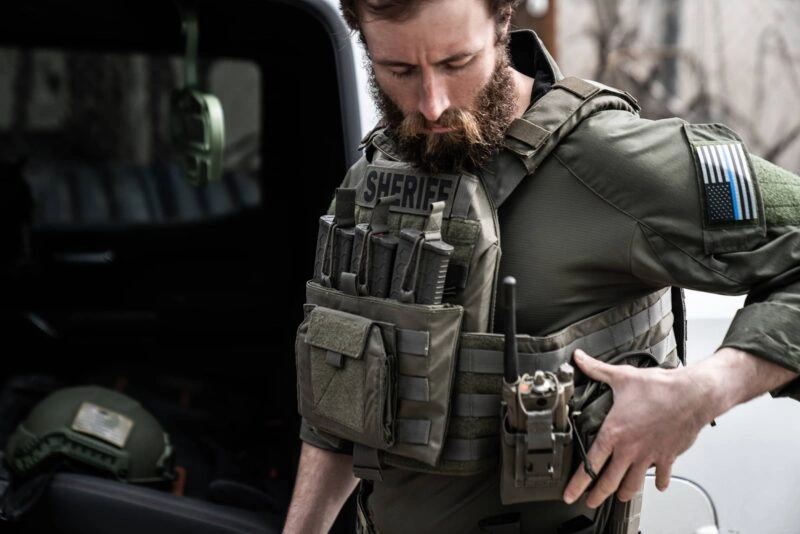
The olive drab, or OD Green, color associated with military uniforms has a longer history than most people realize, one that began on a very specific battlefield.
Olive drab green is not the most common color in the world, so how did military uniforms come to be this color? This OD green color is actually a combination of yellow and green, and it first came about because it was a good color to make the uniforms more camouflaged. It was, in fact, a color that looked like the color of an olive, hence the name.
The term “olive green” has been used since the 12th century, but it was not until 1902 that the U.S. Army officially adopted a new field color and named it “Olive Drab.” The decision was driven by the Anglo-Boer War, where British soldiers in brightly colored uniforms proved easy targets for Boer snipers a lesson that changed how every major military thought about uniform design. With the military’s fondness for abbreviations, olive drab quickly became “OD,” and was applied to virtually everything the Army owned, from tanks and helmets to field equipment.
During World War I (1914–1918), American troops wore OD green uniforms across the European theater, where the earthy tone blended effectively with the mixed woodland and open terrain of Western Europe. By World War II, the Army standardized Olive Drab Shade 51 for the M1941 field uniform one of the most iconic military shades of the 20th century. After the Korean War, the designation shifted to OG-107 (Olive Green Shade 107), which remained the standard color of all U.S. military service branches from 1952 until 1989.
The Name “Olive Drab”
Several years after the Vietnam War, the color of most military products around the world was changed somewhat, but today many military people still call it the olive drab or OD green color. It seems people cannot get away from the term “olive drab.”
Olive drab green isn’t just used in the military. Artists have been making paintings with this shade of green, as well as many other shades, for a very long time. In the early 1900s, Thomas Wilmer Dewing painted Symphony in Green and Gold, and let’s not forget Claude Monet’s Bridge Over a Pond of Water Lilies, a famous painting from 1899.
It seems that greenish-yellow shades and other shades of green are popular with a lot of people.
The OD Green Color: Does the Color Green Mean Anything?
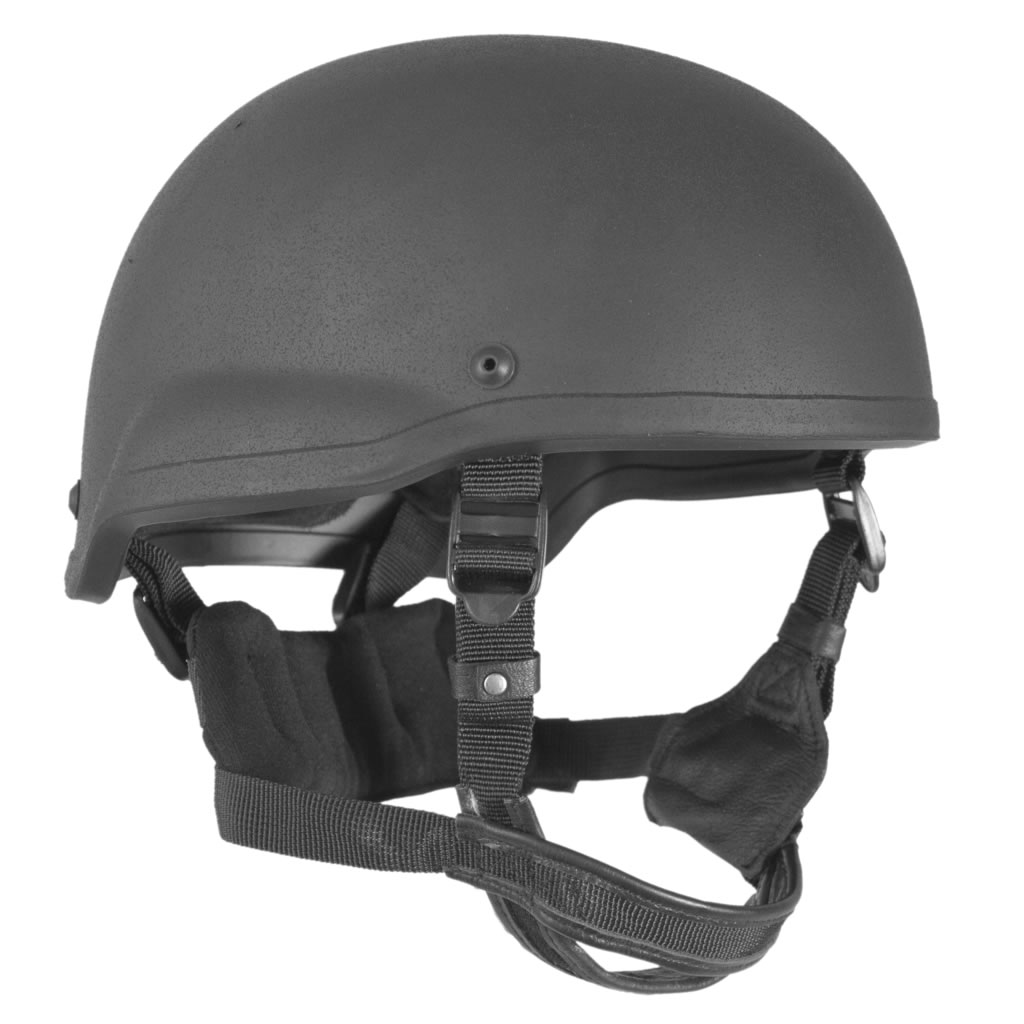
STRIKER Level IIIA ACH Mid Cut Ballistic Helmet
The STRIKER Level IIIA ACH Mid Cut Ballistic Helmet is designed according to the latest US Military requirements, utilizing the most advanced protection against handgun ammunition.
Not only does olive drab green have its own symbolisms, but the color green in general symbolizes life, renewal, growth, rebirth, and of course, nature. Olive green has been known to symbolize hope, wisdom, compassion, and harmony.
Olive green can also symbolize sophistication, as evidenced by the fact that numerous high-end luxury items are made in this color. And here’s another tidbit you probably didn’t know: since an olive branch symbolizes peace, so does the color olive drab!
There Are Different Shades of Olive Drab Green
Olive drab is a yellow-green color, but it also comes in many shades. This includes the following:
Basic Olive Green
Basic olive green is a darker yellow-green color. It is a bold color that works well with colors such as blue and various shades of green and brown.
Dark Olive Green
This is a darker shade of basic olive green and looks like the color of an unripe olive. It looks great when paired with colors such as red and yellow, as well as more neutral colors such as beige, white, and even black.
Shop all Tactical Gear available in Olive Drab / OD Green Color
Drab Green
This color is actually a very dull light-brown color, and many military uniforms are still being made in this color. The term “drab green” has been around since the late 18th century.
Light Olive Green
This is a rather soft type of olive green and goes great with natural colors such as tan and beige, but it also looks good with some darker colors such as maroon.
Black Olive Green
Also called “black olive,” it is a dark grayish-yellow color and looks similar to Kalamata olives. When you first look at it, it simply looks like a dark-gray color.
Olive Drab Green In Fashion And Clothing
While originally intended for military purposes, Olive Drab Green soon entered the civilian world. By the mid-20th century, the color was mainstream in civilian clothing, particularly among outdoor users and those who adopted a utilitarian, rugged look. Military-type jackets, trousers, and accessories fashioned from rugged olive drab materials were in high demand in fashion circles.
Olive Drab remains a versatile staple in today’s outdoor and everyday apparel lines. It is used in jackets, backpacks, shoes, helmets, and hats. The earthy, foliage-inspired tone pairs easily with most other colors, particularly neutrals like tan, black, coyote brown, and white making it simple to incorporate into casual or professional wear without it reading as an overly military choice.
OD Green Color Code and Specifications
The standard OD green shade is formally defined by Federal Standard FS 34087 (Dark Olive Drab), the U.S. government’s official color specification system used for uniform and equipment procurement since the mid-20th century. This reference ensures consistency across manufacturers, materials, and production runs. When sourcing OD green paint, fabric, or gear items for matching across a kit, always cross-reference against the applicable Federal Standard.
In digital design and product development, OD green is most commonly represented as:
- HEX #4A4E28 — RGB: 74, 78, 40 (standard OD green shade)
- HEX #556B2F — RGB: 85, 107, 47 (slightly brighter military variant, also used in CSS as “dark olive drab”)
- RAL 6014 (Yellow Olive) — the European military vehicle paint equivalent
One important caveat: no single hex code perfectly represents every OD green product. The shade has varied across manufacturers, eras, and materials throughout its history. Wartime production in the 1940s resulted in visible differences between fabric-dyed uniforms and vehicle paint, as dyeing processes and quality control varied significantly. What unifies them is the consistent muted, yellow-green profile darker and more earthy than standard olive or forest green, and less saturated than Army Green.
Other Items Made in Olive Drab
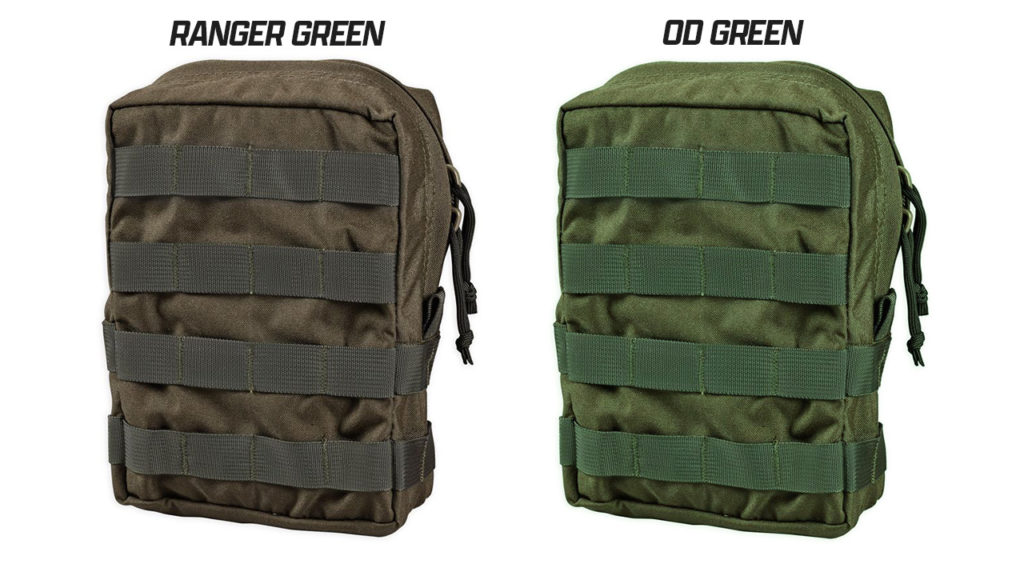
The OD green color is not just found in military uniforms and paintings, however. The military, for example, uses this color in numerous items, from tactical gear to foot lockers and so much more. The military often uses two shades of green: Ranger green, which has more brown tones and is therefore less “bright;” and olive drab, which has a lot of green in it and is a little brighter than Ranger green. Tactical gear can be made in either of these colors.
Because Ranger green is less bright than olive drab, the color is often used when making items to wear in rural and urban areas. In the military, there are three types of OD green color; they are known as #3, #7, and #9. But olive drab is available in colors that range from khaki to a dark rich green. So, olive drab green is actually a phrase for several types of military-style greens that are used in the making of uniforms and so much more.
The Use of OD Green in Different Countries
The use of OD green is not limited to the United States. This color is widely used by militaries across the globe, including Canada, Europe, and Australia. Each of these regions has adapted OD Green to its specific needs. For instance, in Canada, OD green is used in a wide range of army products, including boots, jackets, and field equipment designed to withstand harsh climates.
In Europe, particularly in countries with dense forests, OD green is a preferred choice for military uniforms and tactical gear as it blends well with the natural environment. Meanwhile, in Australia, where the landscape varies from desert to jungle, OD green is used alongside other colors to create camouflage patterns suitable for diverse terrains.
Modern Applications of OD Green
Today, OD green extends well beyond military issue into everyday civilian use. Outdoor enthusiasts favor it for its ability to blend into natural surroundings, making it a popular choice for camping gear, hiking apparel, and hunting equipment. Many options are available in OD green, from pants and jackets to chest rigs and boots. Its association with durability and ruggedness has also made it a recurring choice in premium goods, from watch straps to leather accessories.
OD Green vs. Other Military Greens
OD green is often confused with similar tactical colors, but each serves a distinct purpose. Forest Green leans bluer and cooler it reads as a purer green rather than the brownish, earthy yellow-green of OD. Ranger Green is darker, more gray-toned, and better suited to low-light and urban environments where OD's warmer tone would stand out. Army Green (#4B5320) is a slightly more saturated mid-tone olive that falls between the two.
When selecting tactical gear, the practical difference in color-matching accessories across a loadout matters. OD green plate carriers and pouches will not pair cleanly with Ranger Green carriers, as the contrast between warm and cool tones is visible in daylight. For a full breakdown of how OD green compares against Ranger Green, Coyote Brown, Multicam, and other modern tactical colors, see our complete OD Green vs. Other Military Colors guide.
OD Green in Interior Design
OD Green has moved well beyond military and outdoor apparel into residential interior design. Its muted, earthy profile works as an accent wall color, cabinet finish, or upholstery choice in spaces that pair with natural textures like wood, linen, and stone. Interior designers commonly pair it with warm neutrals, cream, beige, and cognac leather to create calm, grounded rooms that feel neither cold nor overdone.
The color's low saturation means it reads as a sophisticated neutral rather than a bold statement, making it flexible across both modern and traditional aesthetics. In furniture and home goods, OD green frequently appears in matte paint finishes and velvet upholstery, where its natural, organic character adds warmth without visual weight.
OD Green Fabric and Materials
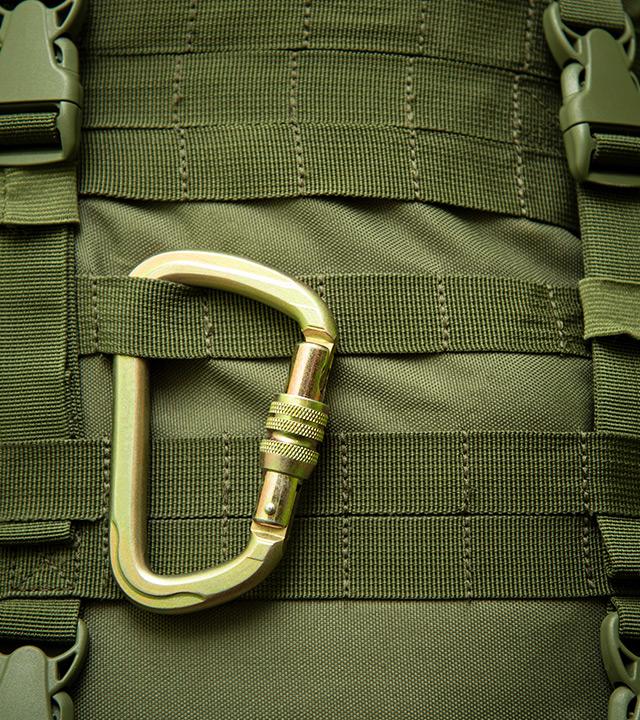
OD green tactical gear is produced across a range of materials, each suited to specific field and carry conditions. 500D and 1000D CORDURA nylon are the most common for plate carriers, magazine pouches, and backpacks they hold OD dye consistently and resist abrasion under heavy use. Cotton ripstop is the standard for uniforms and field jackets, offering breathability alongside tear resistance. Polyester blends are well-suited to lightweight base layers and softshell apparel where stretch and moisture-wicking matter more than raw durability.
For care: machine-wash OD green nylon gear on cold with mild detergent; avoid bleach; line-dry. For cotton ripstop, wash cold and tumble dry low to minimize shrinkage. Avoid storing OD green gear in prolonged direct sunlight UV exposure fades the color over time, particularly on cotton fabrics. Inspect MOLLE webbing and stitching periodically if gear is in regular rotation.
Our 2 cents
While olive green and olive drab are associated with the military, this is not the only place to find this color. It is rather prevalent in paintings, civilian clothing, first aid kits, dog collars, watches and other types of jewelry, and even purses and other types of bags.
While everyone thinks they know what is meant by the term “OD,” the truth is that OD green is not just one shade of green. It includes many different shades, which are all used for specific purposes.
Frequently Asked Questions
Why Is OD Green Commonly Used In The Military?
OD Green is favored in the military because it blends well with natural environments, providing effective camouflage. The U.S. Army officially adopted it in 1902, and it went on to become the dominant color of American military clothing through World War I, World War II, the Korean War, and the Vietnam War era.
What Does The Color Green Symbolize?
Green, including Olive Green, symbolizes life, renewal, growth, nature, and peace. Olive Drab Green, specifically, is also associated with wisdom, sophistication, and harmony.
Why Is OD Green Sometimes Referred To As "Drab"?
The term "drab" refers to the dull, muted quality of the color, which helps it blend into natural surroundings for effective camouflage. The word traces to the 16th-century French word drap, meaning cloth, and originally described the flat, unbleached tone of undyed fabric — over time coming to mean any muted, yellowish-brown hue.
What Is The OD Green Color Code?
The standard OD green is defined by Federal Standard FS 34087 (Dark Olive Drab). Its most common digital representations are HEX #4A4E28 (RGB: 74, 78, 40) for the standard shade, and HEX #556B2F for the slightly brighter military variant. The European RAL equivalent is RAL 6014 (Yellow Olive), used in military vehicle finishes.
Why is Olive Drab Green the most popular in outdoor clothing?
Olive Drab Green is popular outdoors for its usability, versatility, and understated sophistication. It complements nature and is famous for its long-wearing quality, making it a perfect choice for hiking, camping, and similar harsh activities. Moreover, it easily goes along with various colors, making it a favorite among outdoor clothing ranges.
How Is OD Green Different From Ranger Green?
OD green is a warmer, more yellow-toned color, while Ranger Green is darker, more gray, and less saturated. OD green performs best in forested, temperate environments where its foliage-matching tone blends with natural vegetation. Ranger Green is better suited to low-light, overcast, or urban settings. Both are available across Chase Tactical's plate carrier and nylon gear lineup.