




Cuban President Warns of ‘Bloodbath’ If U.S. Takes Military Action Against Cuba


Cuba’s President Miguel Díaz-Canel on Monday warned that any U.S. military action against Cuba would “trigger a bloodbath with incalculable consequences.”
In a social media post, he said Cuba is not a threat and does not have “aggressive intentions” against any country, but has the “absolute legitimate right” to defend itself against U.S. attacks.
“The threats of military aggression against Cuba from the world’s greatest power are well-known,” Díaz-Canel said. “The threat itself already constitutes an international crime. If it were to materialize, it would trigger a bloodbath with incalculable consequences, plus the destructive impact on regional peace and stability.”
Las amenazas de agresión militar contra #Cuba de la mayor potencia del planeta son conocidas.
— Miguel Díaz-Canel Bermúdez (@DiazCanelB) May 18, 2026
Ya la amenaza constituye un crimen internacional. De materializarse, provocará un baño de sangre de consecuencias incalculables, más el impacto destructivo para la paz y la estabilidad…
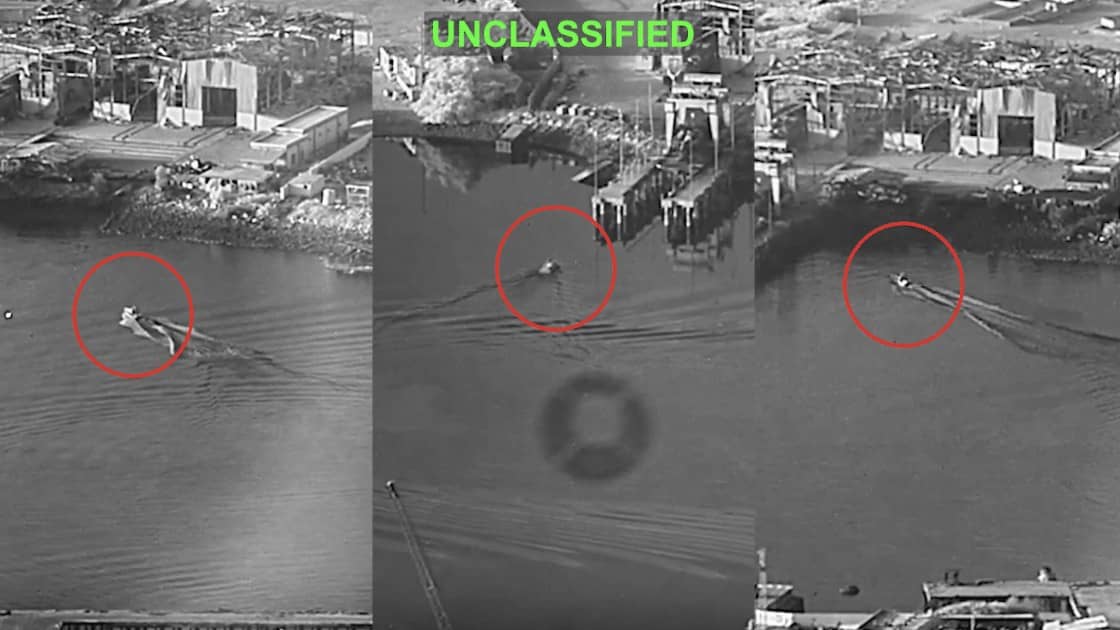
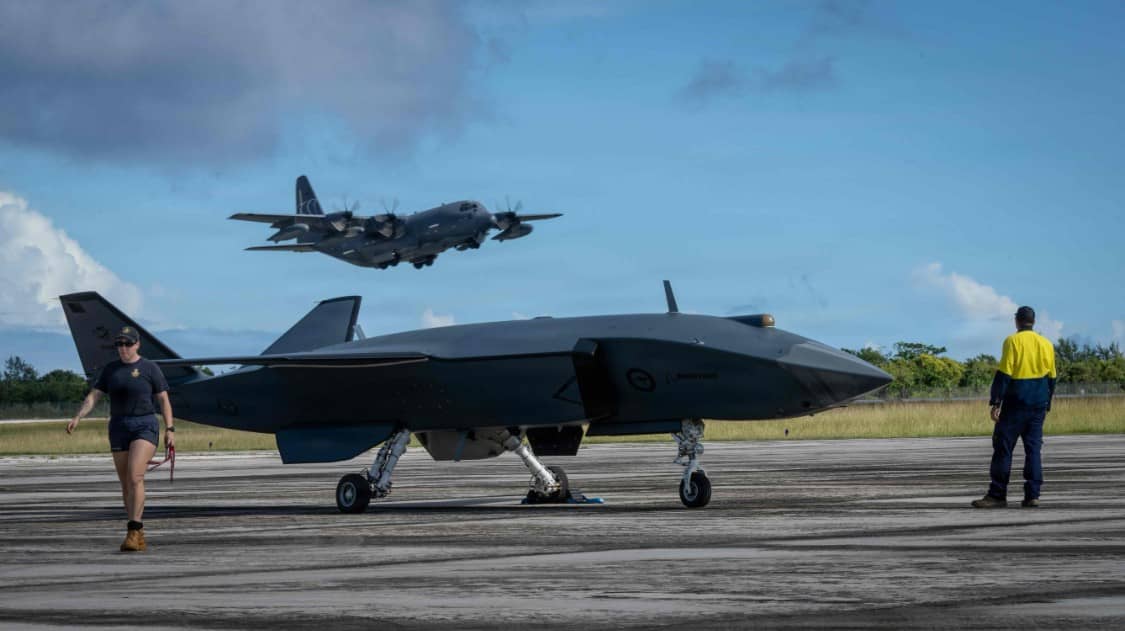
His comments follow an Axios report published Sunday, citing classified intelligence, that said Cuba had acquired more than 300 military drones and had discussed plans to use them to attack the U.S. naval base at Guantánamo Bay, U.S. military vessels and Key West, Florida. The report also says the Cuban military is studying Iranian methods for countering U.S. forces.
On Sunday, Cuban Foreign Minister Bruno Rodríguez denied the allegations and accused the U.S. of fabricating a “fraudulent case” to justify economic sanctions and potential military intervention against Cuba.
Sin excusa legítima alguna, el gobierno de #EEUU construye, día tras día, un expediente fraudulento para justificar la guerra económica despiadada contra el pueblo cubano y la eventual agresión militar.
— Bruno Rodríguez P (@BrunoRguezP) May 17, 2026
Medios de prensa específicos le hacen el juego, promoviendo calumnias y…
“Cuba neither threatens nor desires war. It defends peace and prepares itself to confront external aggression in the exercise of the right to legitimate self-defense recognized by the UN Charter,” Rodríguez said.
The tensions between Cuba and the U.S. escalated in January after the U.S. administration restricted oil shipments to Cuba as part of a broader pressure campaign aimed at encouraging political change in the communist-led government.
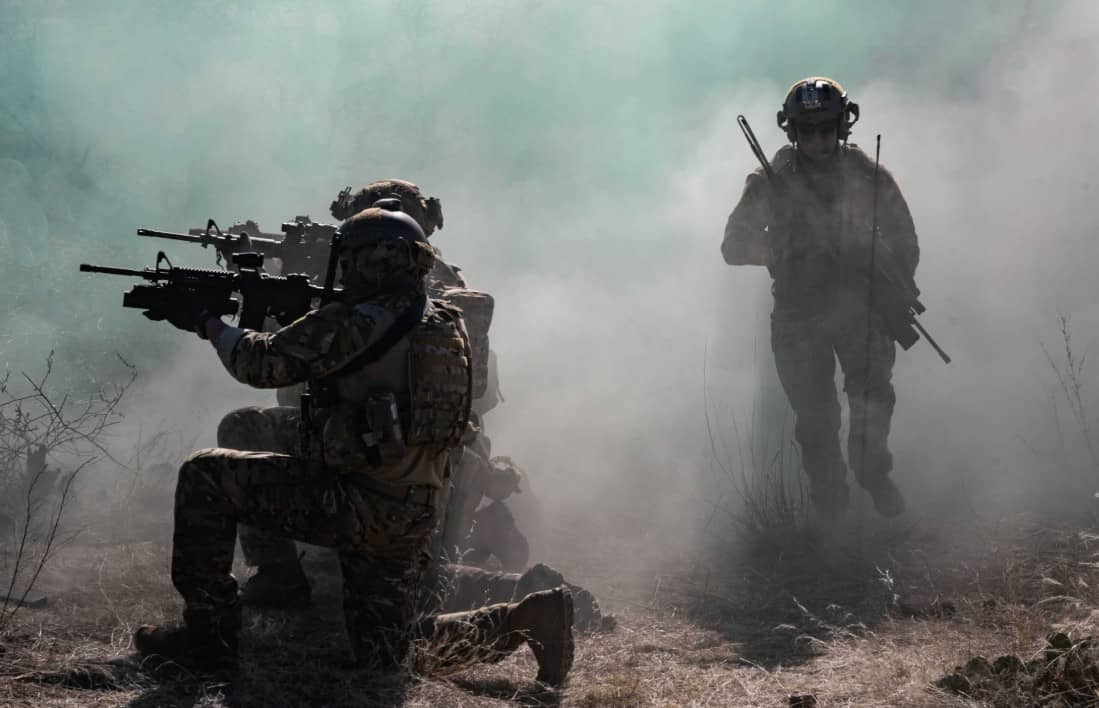
According to a USA Today report in April, the Pentagon has been quietly expanding contingency planning for a possible U.S. military operation in Cuba, in the event President Donald Trump orders direct intervention on the island.
Trump has previously suggested the U.S. could take a more direct role in Cuba’s future. At one point, he said he expects soon to have the “honor” of “taking Cuba, in some form.” In April, he also said the U.S. “may stop by Cuba” after the war in Iran is resolved.
A CNN report on Sunday said residents in Havana are increasingly preparing for the possibility of a U.S. invasion. “The building manager told me she had been tasked with “orders from above” — like all office buildings in the city, it is owned by the state — to come up with a plan for the building in case of an imperialist attack. As in an American attack,” the author wrote.
The Trump administration has not announced any military plans against Cuba in recent weeks. However, Politico reported Monday that officials have increasingly been considering military options.
The shift comes as officials express frustration that an expanded pressure campaign, including tightened economic restrictions and limits on fuel supplies, has not produced the political or economic reforms sought from Havana.
“President Donald Trump and his aides have grown frustrated that the U.S. pressure campaign, which includes starving the island of fuel, has not led Cuba’s leaders to agree to significant economic and political reforms. So they’re taking the military option more seriously than previously,” the report states.
The White House has not yet commented on the report.