








Molle Vs. Velcro Attachments for Plate Carrier


When you build out a plate carrier, the attachment system you choose, MOLLE webbing or Velcro, shapes how the whole rig performs. MOLLE provides a robust, secure setup that is well-suited to heavy tactical gear and precise organization. Velcro works well when you need rapid access and flexibility. The right pick comes down to the weight you carry, how often you reconfigure, and the environment you operate in. Below, we break down each attachment system, compare them head-to-head, and show how to combine them for a 2026-ready loadout.
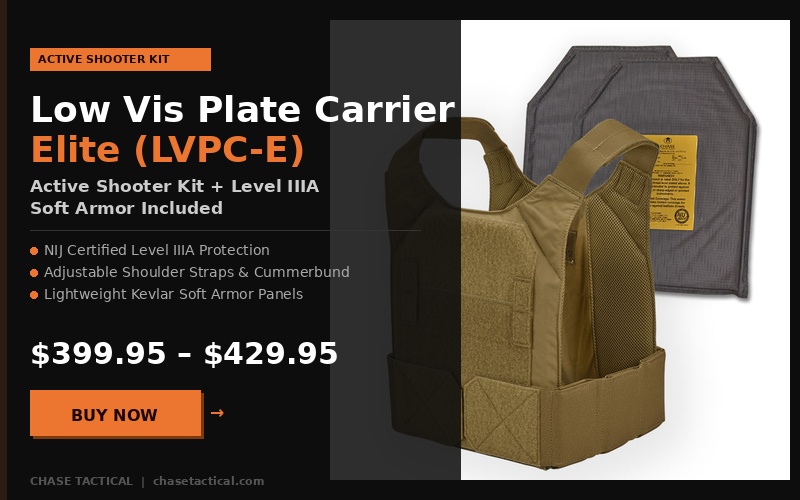
MOLLE Attachments

MOLLE webbing is the load-bearing backbone of most plate carriers. It uses a grid of heavy webbing that lets you attach your plate carrier accessories (link updated: the old /the-best-plate-carrier-accessories-for-2024 URL 301-redirects to this canonical URL, now pointing directly to avoid the redirect hop) securely, exactly where you want them. If you want the full background on how the webbing standard works, see our guide on the differences between MOLLE and PALS.
MOLLE lets you place your tactical accessories exactly where you want them, with fast access in motion. The webbing carries gear of different sizes, providing stability and versatility that matter when you are moving. It keeps your plate carriers balanced and secure, which is the difference between effective, usable ballistic protection and gear that shifts under load.
Pros:
- Extremely secure: Great retention for combat scenarios.
- Highly customizable: You can place pouches, accessories, or patches wherever needed.
- Durable construction: Built for field abuse and heavy deployment.
Cons:
- Weaving MOLLE straps through webbing takes time.
- It’s not ideal for quick changes or on-the-fly adjustments.
Exploring Velcro Attachments
The MOLLE attachments give you structure and stability, while the Velcro attachment adds a different level of fluidity to your plate carrier arrangement. You can quickly and easily reposition gear on your plate, changing pouch placement to suit your needs at any time. This is highly beneficial when you have to access something you use regularly in a handful of moments during a mission. You can recreate your setup in moments, so everything is where you want it.
However, Velcro attachments have limitations. They lose their stickiness over time, making them less effective at securing heavy items. If you tend to lug around heavier gear, there are better options than Velcro for attaching gear.
Despite these drawbacks, Velcro may be the answer if you’re looking for an arrangement that allows rapid alteration and easy access to the most frequently used gear. Just remember the conditions and weight of the gear you expect to endure.
Pros:
- Press to attach or remove.
- It is ideal for accessories like patches, organizers, or admin pouches.
- Lightweight and user-friendly.
Cons:
- It is less secure than MOLLE in rugged conditions.
- Over time, Velcro can lose its grip due to dirt or wear.
- Noise factor: Not great for silent deployment.
MOLLE And Velcro Comparison

When choosing MOLLE attachments versus Velcro on a plate carrier, different systems have advantages and disadvantages in terms of usage. Here’s a comparison of the two:
| Factor | MOLLE | Velcro |
| Retention / security | Excellent under load and rough use | Moderate, weakens over time |
| Speed of changes | Slow, straps must be woven | Instant, press on and off |
| Weight and profile | Adds bulk and webbing | Low profile and lighter |
| Noise on deployment | Quiet once set | Loud to detach |
| Long-term durability | Years of hard use | Grip fades with dirt and wear |
| Best for | Magazines, trauma kits, heavy pouches | Placards, patches, admin pouches |
Security and Durability
MOLLE: The most important reason for its superior security is the woven webbing. It excels at keeping it firmly in place with other tactical gear without worrying about coming loose under tension or when used in rough environments. MOLLE gear is perfect for heavy gear, as everything will be intact and stable.
Velcro: Velcro is very easy to use. It does not rival MOLLE in terms of durability or long-term reliability. Velcro will lose its stickiness and even compromise the security of the items attached, especially in the long run, by dirt, water, or abrasion.
Adaptability and Flexibility
MOLLE: A plate carrier with MOLLE gives you a customizable structure, as you can place the pouches and gear in any order. It is both organized and exact, ideal for complex setups that require careful consideration, and has the flexibility to accommodate gear of various sizes easily.
Velcro: Velcro Sparkles on flexibility and quick repositioning. Its ease of adjustment will allow you to make fast changes in your presentation or even reconfigure things on the fly.
Ease of Use and Convenience
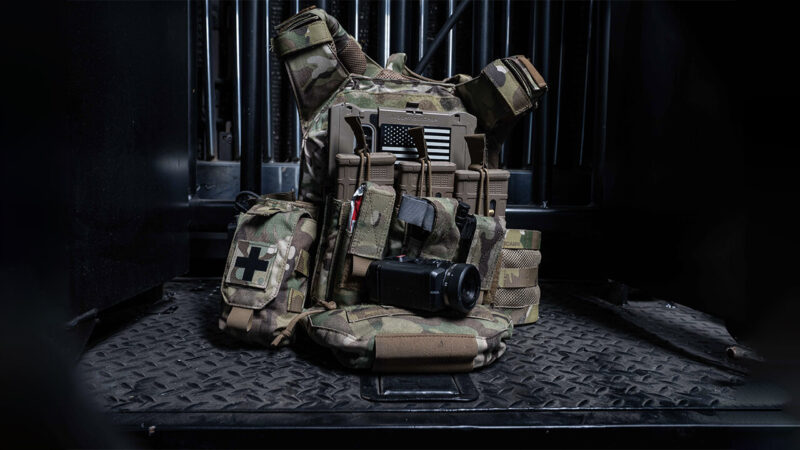
MOLLE: Arming up or altering tactical equipment using the MOLLE system is much more laborious and time-consuming because the webbing requires straps to be woven through. While this is secure, it could be faster, making it more user-friendly for rapid exchanges.
Velcro: It is very fast and convenient to use. Gear attachment and detachment only take a few seconds, making it convenient for users who need quick access or instant changes to their loadout.
Weight and Profile
MOLLE: The MOLLE adds bulk and weight to your overall setup because it forms a webbing structure. The added weight is minimal in most cases, but it does add to a bulkier profile when carrying a full loadout.
Velcro: Velcro has a lower profile and weighs less on your carrier, making it ideal for those looking for something lighter and more streamlined.
Long-Term Reliability
MOLLE: Known to withstand the test of time and continue to endure wear and tear. Even after months or years of being used under great adversity, MOLLE has remained durable and secure, making it a popular choice for long-term reliability.
Velcro: Velcro is instantly handy, but its reliability drops with frequent use. Grip wears off quickly with extensive exposure to dirt, moisture, or continuous friction.
MOLLE vs. Velcro: Which One Wins?
Both systems have their place depending on your mission, environment, and gear type.
Choose MOLLE if:
- You need maximum retention and durability.
- You carry heavier items like rifle magazines, pistol pouches, or AR-related accessories.
- You’re creating a rugged, combat-ready loadout.
Choose Velcro if:
- Speed and ease of use matter more than security.
- Your plate carrier needs regular configuration.
- You prioritize lightweight, low-profile setups for urban or short-term use.
Combining Both for the Ultimate Loadout
The best setups often mix both systems. Many modern plate carriers offer MOLLE on the back or sides with Velcro panels on the chest for patches or quick-access pouches. This hybrid approach provides MOLLE with utility and the accessibility of Velcro.
Modern carriers also further blur the line. Laser-cut MOLLE replaces stitched webbing with slots cut from a single laminate panel, reducing weight and bulk while remaining compatible with standard MOLLE straps. Velcro placard systems let you swap a whole front panel of pouches in seconds, then lock it down with MOLLE or buckles for retention. If you run a mixed kit, mount load-bearing items like magazines and trauma gear on MOLLE, and keep patches, ID, and admin pouches on the Velcro field.
Look for products that support modularity and adaptability. You can even find tactical vests and chest rigs with interchangeable Velcro and MOLLE panels, letting you build your dream loadout from the ground up.
Conclusion
MOLLE and Velcro are two attachment systems commonly used on plate carriers. Your needs should determine what you choose to use. If there is a definite need for solid, stable weight distribution for heavy gear, then MOLLE is the way to go. But if instant access and rearrangement of equipment is your utmost priority, then Velcro’s the primary choice. Consider the heavy gear you carry, the stability requirements, and the environment you will be working in. Ultimately, you must pick the system that best fits your operational needs and personal requirements.
Frequently Asked Questions
Is MOLLE or Velcro better for a plate carrier?
It depends on your mission. MOLLE wins for secure retention and heavy gear, while Velcro wins for speed and quick repositioning. Many operators run both, with MOLLE on the sides and back for load-bearing pouches and a Velcro panel on the front for placards and patches.
Does Velcro hold gear as securely as MOLLE?
No. Velcro is fast and convenient, but it loses grip over time as dirt, moisture, and wear build up. For heavy items like rifle magazines or trauma kits, MOLLE webbing gives far better retention and weight distribution.
Can I use Velcro and MOLLE attachments on the same plate carrier?
Yes. Many modern plate carriers combine both systems, with MOLLE webbing for load-bearing pouches and a Velcro field for placards and quick-access items. This hybrid setup balances secure retention with fast configuration.
Is MOLLE better for carrying heavy gear like AR magazines?
Yes. MOLLE provides greater retention and better weight distribution, making it the right choice for carrying rifle magazines, pistol pouches, and other heavy-duty equipment.