







Ukraine’s AI ‘Terminator’ Drones Score First Autonomous Kills

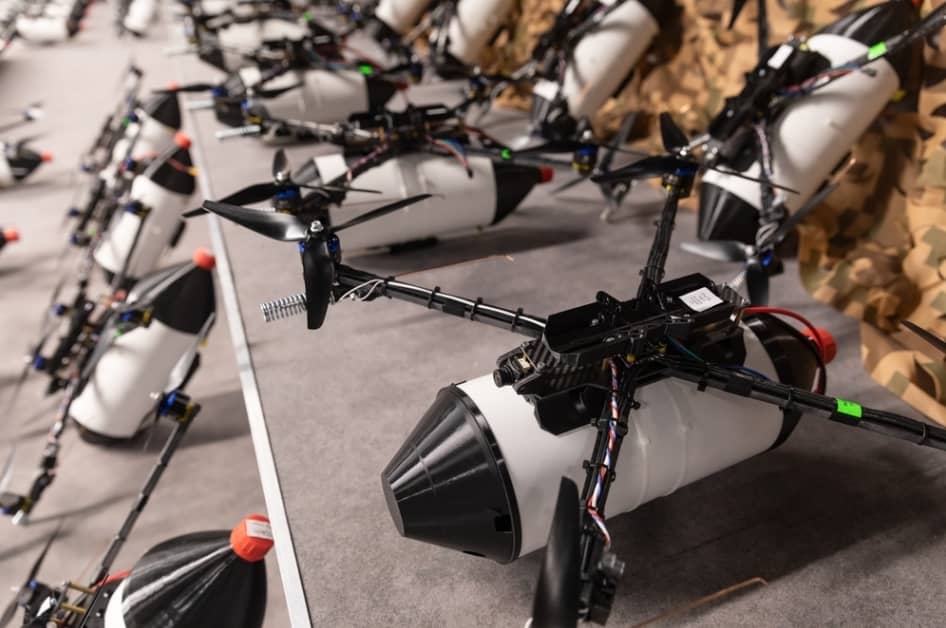
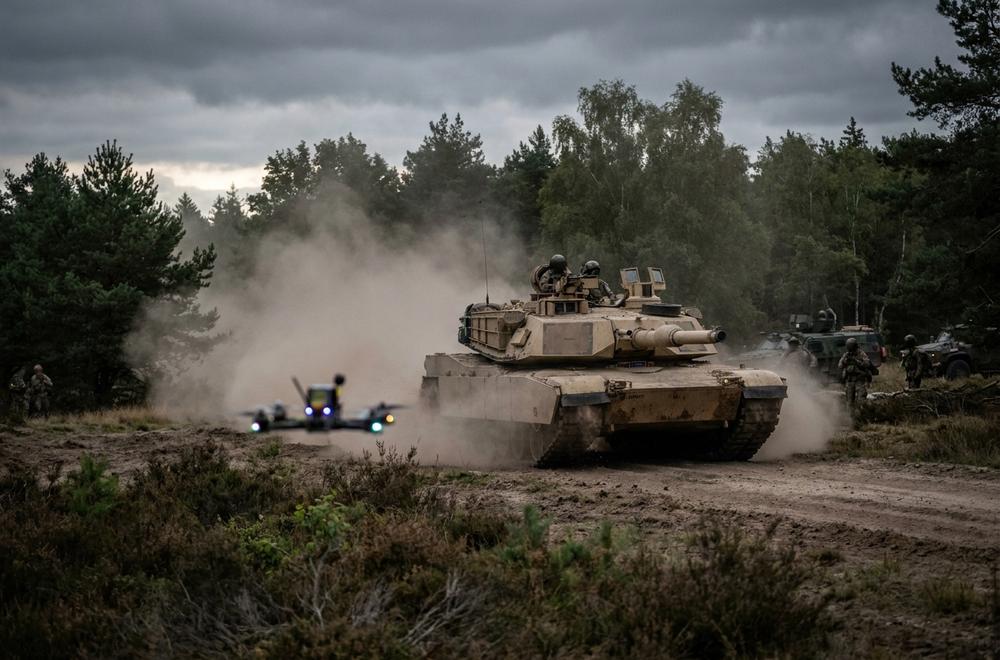
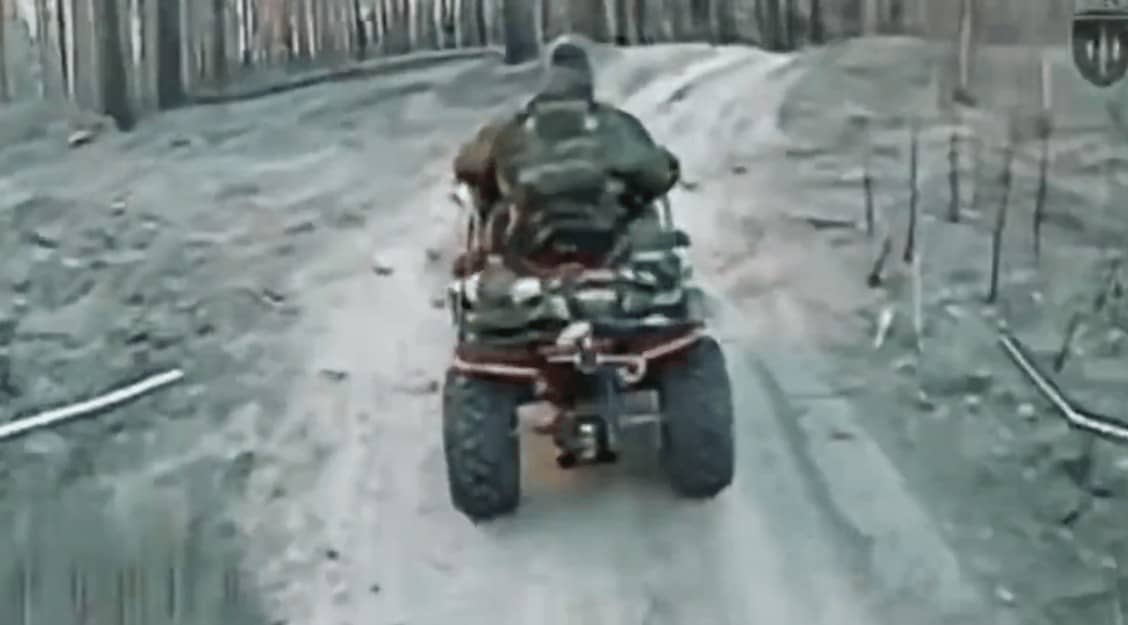
Fully autonomous drones operating without human oversight killed Russian soldiers during a battlefield test in Ukraine about two years ago, according to Ukrainian drone developer Alexander Kokhanovskyy. Kokhanovskyy, CEO of the Ukrainian drone maker Aero Center, said 10 AI-controlled quadcopter drones were used in a one-time test conducted near the cities of Bakhmut and Chasiv Yar during a Ukrainian counteroffensive. The drones were programmed to fly several kilometers to a designated area before activating what he described as a “Terminator mode,” in which onboard AI independently identified and engaged targets. “We tried it,” Kokhanovskyy told New Scientist at a press event hosted by the Ukrainian Embassy in London. “It’s a test. We never implemented it [more widely].” According to Kokhanovskyy, the drones flew between 3 and 5 kilometers (1.9 and 3.1 miles) over roughly 10 minutes before switching to autonomous operation.
“We just launch it and we know everything will be dead – everything that will be found there in this particular area will be dead,” he said. “There is no connection to the drone at all, you cannot see the video, nothing… Everything it sees will be killed.” After the test, human-operated drones were deployed to assess the area and verify the results. According to Kokhanovskyy, the casualties included “a couple of soldiers, one truck.” Although no footage captured the autonomous drones striking the targets, investigators concluded that the drones were responsible for the deaths and destruction. The reported incident marks the first publicly acknowledged case of a fully autonomous weapon selecting and engaging human targets without direct human control.
Expanding the Battlefield: Drones as Game-Changers in Modern Warfare
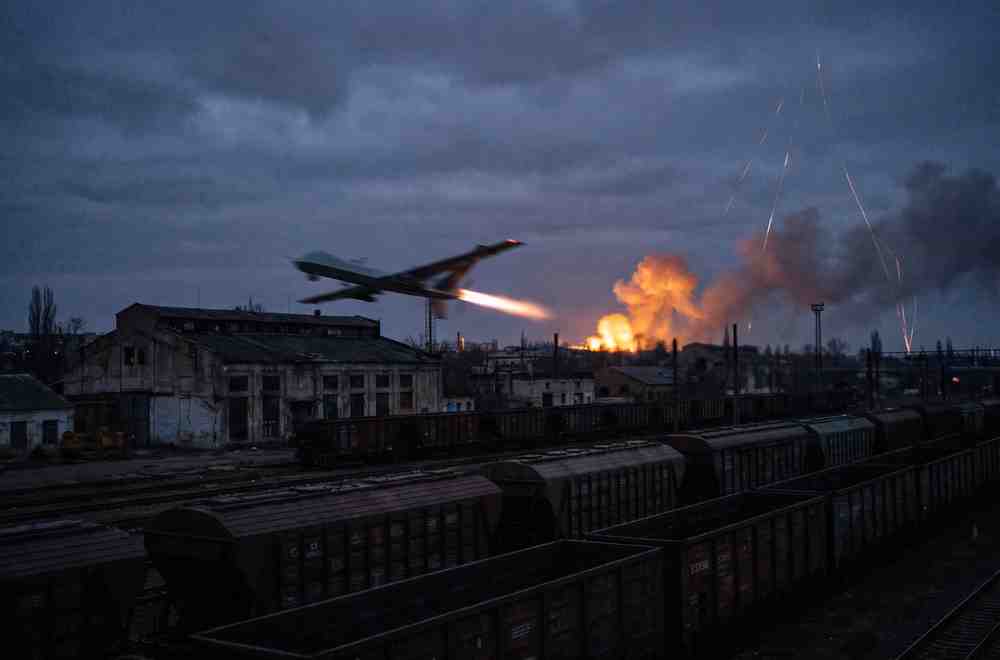
This revelation comes as Ukraine has transformed into a global laboratory for drone innovation amid its grinding war with Russia. Both sides have deployed thousands of unmanned systems for reconnaissance, kamikaze strikes, and electronic warfare, but the vast majority still rely on human operators for final targeting decisions. The “Terminator” test, however, crossed a critical threshold by removing that human link entirely—likely as a direct response to Russia’s heavy use of GPS jamming and radio frequency interference that routinely severs operator-drone connections.
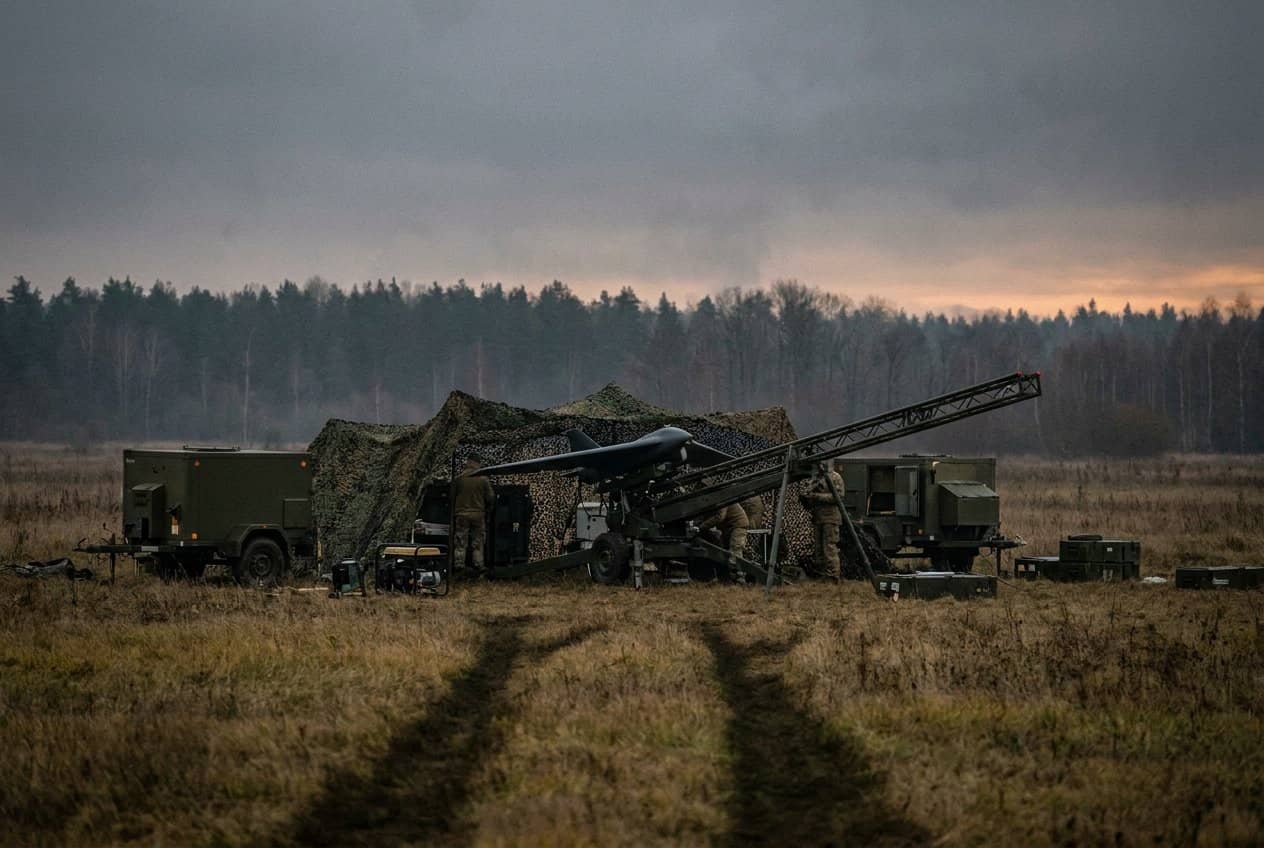
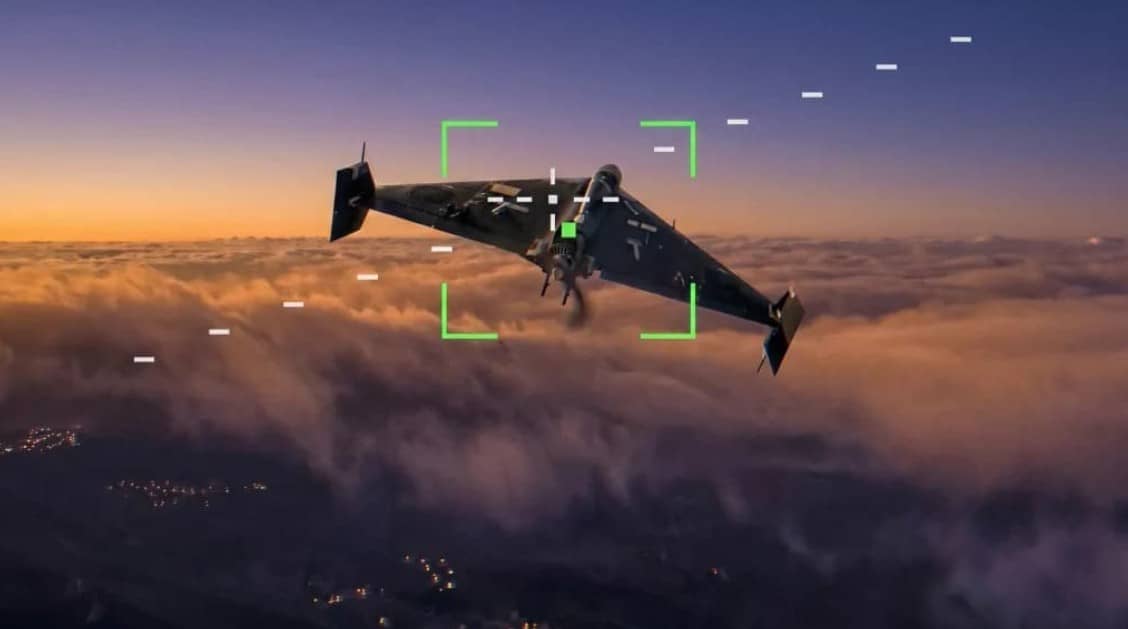
Autonomy offers clear tactical advantages. In jammed environments, fully independent drones can continue missions where traditional FPV systems fail. Kokhanovskyy’s Aero Center is also developing autonomous interceptor drones aimed at neutralizing incoming Russian Shahed kamikaze threats before they reach civilian areas. This reflects Ukraine’s broader push to leverage asymmetric technology against a numerically superior adversary.
Yet the development raises profound ethical and legal questions. International humanitarian law emphasizes “meaningful human control” over lethal decisions to ensure compliance with principles of distinction (between combatants and civilians) and proportionality. Fully autonomous systems risk eroding accountability—who is responsible if an AI misidentifies a civilian target? Critics warn of a “responsibility gap” and the dehumanization of warfare, where algorithms reduce complex moral judgments to data processing.
Ukraine’s own regulations currently prohibit fully autonomous lethal strikes in the final engagement phase, requiring human verification. Kokhanovskyy openly expressed his desire to operate without such restrictions, highlighting the tension between battlefield necessity and ethical safeguards. The Ukrainian Ministry of Defence has remained silent on the test.
As drone technology advances rapidly, this incident may foreshadow a not to distant future where AI-driven swarms dominate conflicts. Nations worldwide are watching closely, with debates intensifying at the UN and elsewhere over potential bans or regulations on lethal autonomous weapons systems (LAWS). For Ukraine, the test underscores both its ingenuity in defense innovation and the sobering reality that the next evolution of warfare is already here—raising urgent questions about how humanity will govern machines capable of independent killing.