







Ballistic Helmet Ratings Explained: NIJ Standards and Levels

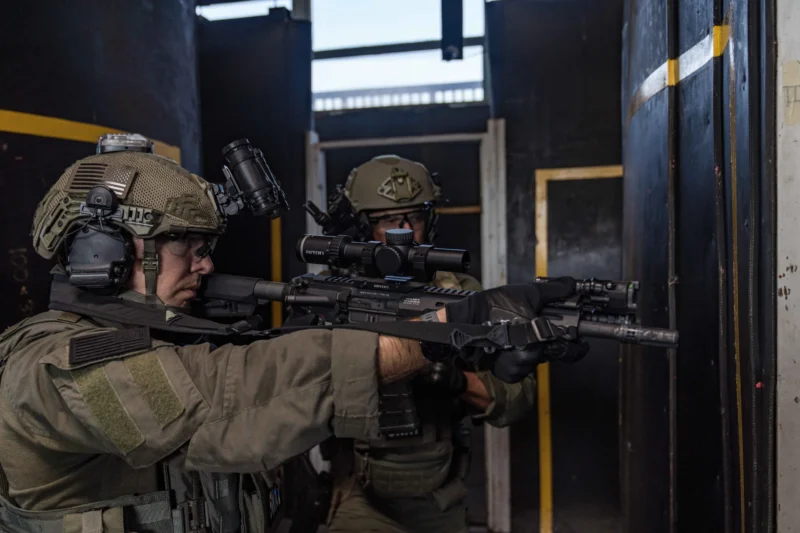
A ballistic helmet is not a safety helmet. It is not a bump helmet. It is not a piece of ceremonial headgear. A ballistic helmet is a rated, certified piece of personal protective equipment engineered to stop projectiles that would otherwise end a mission permanently. Understanding what those ratings mean is not optional for military operators, law enforcement, or anyone deploying into a lethal threat environment.
This guide breaks down the NIJ standards that govern ballistic helmets, what each protection level actually stops, and what Chase Tactical carries for professionals who cannot afford to guess.
What Is NIJ Certification for Helmets?
The National Institute of Justice (NIJ) is the research arm of the U.S. Department of Justice. It sets the performance standards for ballistic-resistant equipment used by U.S. law enforcement and military personnel. When a helmet carries an NIJ certification, it means it has been independently tested and confirmed to stop specific projectiles at specific velocities under standardized conditions.
Without NIJ certification, a helmet’s protective claims are marketing, not evidence. Operators in the field need evidence.
The current ballistic helmet standard that matters most is NIJ Standard 0106.01, which governs the testing protocol for ballistic helmets. Helmets tested under this standard must withstand projectile penetration and back face deformation within defined limits.
For a deeper look at NIJ’s full testing methodology and certification database, the NIJ’s official website is the authoritative reference.
The One Rating That Matters for Ballistic Helmets: Level IIIA
If you have spent time researching helmets and seen ratings like “Level I,” “Level IIA,” or “Level II,” those classifications were retired with the older NIJ 0101.06 body armor standard. Specifically for ballistic helmets, the rating you will see on professionally certified combat helmets is Level IIIA.
Level IIIA: What It Stops
Level IIIA is the highest ballistic protection rating currently applied to helmets. It is tested against:
- 9mm full metal jacket round nose at approximately 1,400 feet per second
- .44 Magnum semi-jacketed hollow point at approximately 1,400 feet per second
Level IIIA is designed to defeat high-velocity handgun rounds and fragmentation. This is the protection tier used in Advanced Combat Helmets (ACHs) issued to U.S. military personnel and widely adopted by SWAT units and law enforcement entry teams.
Chase Tactical’s ACH helmets carry Level IIIA ratings. These are not approximations. They are tested and certified helmets built to the standard required by military and law enforcement procurement.
ACH Helmets vs. Bump Helmets: A Critical Distinction
This is where confusion costs lives. Both helmets look similar in photos. They are not the same piece of equipment.
ACH (Advanced Combat Helmet) – Ballistic Rated
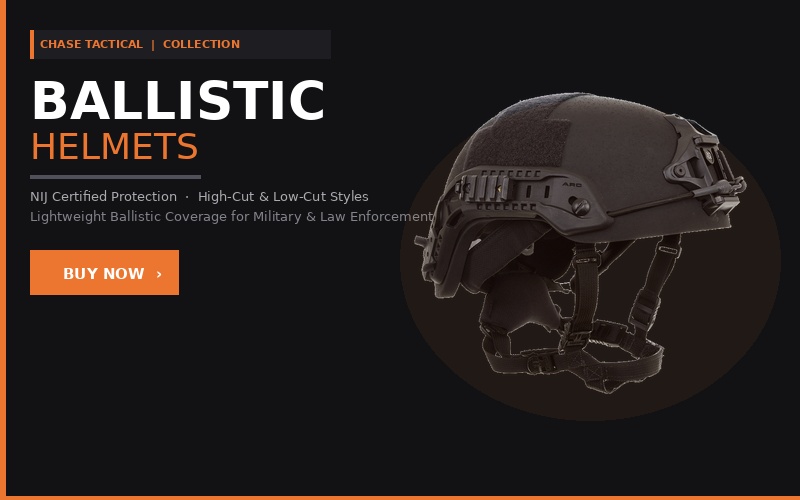
The ACH is a cut-shell ballistic helmet built from high-performance materials that absorb and redirect ballistic energy. Chase Tactical’s ACH helmet is Level IIIA rated, meaning it provides certified protection against the handgun threats and fragmentation described above. ACH helmets also feature rail systems for mounting accessories such as night vision devices, cameras, and communication gear.
Bump Helmets – Non-Ballistic
Bump helmets are designed for impact protection only. They protect against collision, falls, and physical impacts during rappelling, breaching, or fast-rope operations. They carry zero ballistic rating. Chase Tactical carries bump helmets specifically for roles where ballistic protection is not the requirement, but head protection from physical hazards is.
Ordering the wrong helmet for the wrong threat environment is an operational failure. If the threat involves projectiles, the ACH is the correct answer.
What Ballistic Helmets Do Not Stop
Level IIIA helmets are not rated against rifle fire. This is not a product failure. It is physics. Rifle rounds at rifle velocities carry energy levels that would require armor mass incompatible with a wearable helmet.
Level IIIA does not protect against:
- 5.56mm NATO rifle rounds
- 7.62mm rifle rounds
- Armor-piercing projectiles of any caliber
Operators working in rifle-threat environments rely on Level III and Level IV armor plates for torso protection, not helmet ratings, to address those threats. Understanding where a helmet’s protection ends is as important as understanding where it begins.
Helmet Accessories and Integration
A ballistic helmet in a professional kit does not operate alone. Chase Tactical’s ACH helmets include rail systems that integrate with mission-critical accessories. MOLLE compatibility throughout the Chase Tactical line means your helmet setup connects into a cohesive kit that includes plate carriers, chest rigs, and MOLLE pouches.
Common helmet accessory categories that integrate with rail-equipped ACH helmets include:
- Night vision device mounts
- Helmet-mounted lights
- Camera mounts for documentation
- Communication system integration
- Counterweight pouches for balance with front-mounted equipment
The modularity that defines Chase Tactical’s product line extends to the helmet tier. Your helmet is a platform, not just a piece of head protection.
Helmet Fit and Retention
A ballistic helmet that does not fit correctly does not perform correctly. Ballistic testing assumes proper fit. In the field, an improperly fitted helmet can shift during movement, reduce coverage of critical areas, or fail to maintain position under impact.
Key fit considerations:
- Circumference measurement should match the helmet size designation
- Retention system must be adjusted to hold the helmet firmly without restricting circulation
- Padding system distributes impact energy and should seat the helmet level on the skull, not tilted forward or back
- Chin strap should be snug, not loose, during all activities
If the helmet moves under physical exertion without deliberate adjustment, it is not fitted correctly.
Maintenance and Service Life
Ballistic helmets are not maintenance-free. The protective shell can be damaged by impacts, UV exposure, solvents, and improper storage.
Field maintenance rules:
- Inspect the shell after every mission for cracks, dents, or delamination
- Do not use petroleum-based solvents on the shell surface
- Store away from prolonged direct sunlight when not in use
- Do not drill, modify, or sand the shell without the manufacturer’s guidance
- Inspect suspension and retention systems for wear before each use
A helmet that has absorbed a significant impact should be inspected and potentially retired before returning to service. Ballistic materials can sustain internal structural damage not visible to the naked eye.
Conclusion
A ballistic helmet is one of the most consequential decisions in a professional’s protective kit – and one of the most misunderstood. The difference between a Level IIIA-rated ACH helmet and a non-ballistic bump helmet is not a matter of aesthetics or preference. It is a certified, tested distinction that determines whether your head is protected against a live threat or it is not.
The NIJ standard exists for a reason: to remove guesswork from a decision that cannot be taken back. When you select a ballistic helmet, that rating should be the first question you answer – not the last. Chase Tactical’s ACH helmets meet the Level IIIA standard that U.S. military and law enforcement personnel deploy with in real threat environments. That is not a marketing claim. It is a certification. Know your rating. Know your threat. Match the two correctly, every single time.
FAQs
Does Level IIIA helmet protection equal Level IIIA soft body armor protection?
The rating standard is the same threat level, but helmets and body armor are tested and certified under different NIJ standards. Both Level IIIA helmets and Level IIIA soft armor address handgun-level threats, but the specific NIJ testing protocols differ for each product category.
Can I use a bump helmet in a ballistic environment?
No. Bump helmets carry zero ballistic rating. They protect against physical impact only. In any environment where projectiles are a threat, a certified ballistic helmet is required.
What does “ACH” stand for, and who uses it?
ACH stands for Advanced Combat Helmet. It is used by U.S. military personnel and has been widely adopted by SWAT units, law enforcement entry teams, and security contractors operating in high-threat environments.
Are Chase Tactical helmets NIJ certified?
Chase Tactical’s ACH helmets are Level IIIA-rated ballistic helmets. For current product specifications and certification details, review the product listings at chasetactical.com.
Do ballistic helmets expire?
Manufacturers and military standards suggest a service life for ballistic helmets, typically 5 to 10 years, depending on material, use, and storage conditions. Helmets that have absorbed significant impacts or show visible structural damage should be evaluated for replacement regardless of age.