








How Ballistic Shields Evolved Military And Police Tactics

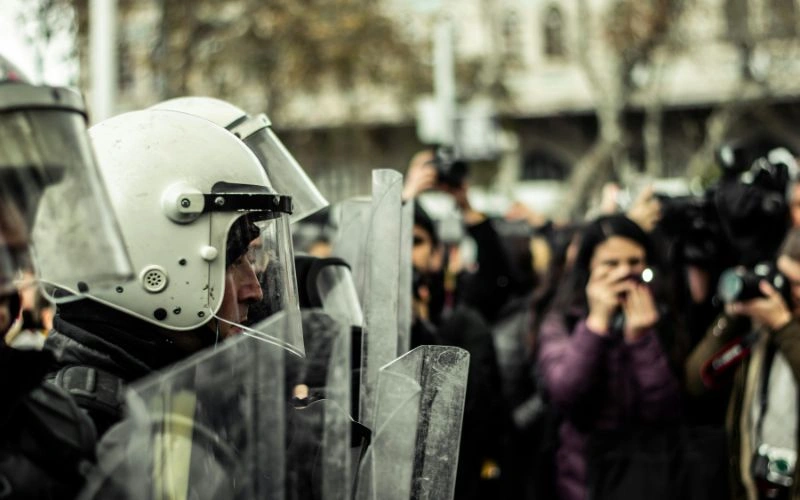
Ballistic shields have transformed military and police tactics, providing advanced protection in dangerous situations. From their early use in combat to their role in modern law enforcement, ballistic shields have greatly enhanced safety and strategic responses. Let’s explore how these essential tactical tools have evolved and changed how officers and soldiers operate in high-risk environments.
Origins Of Ballistic Shields
Since ancient times, Shields have been used for protection in wars, starting with basic bronze shields. Over the centuries, shields have evolved to block arrows, spears, and swords. However, these early versions were bulky and unsuitable for modern combat situations.
With the emergence of firearms, the need for shields capable of stopping bullets led to the creation of ballistic shields. Unlike traditional shields, ballistic shields are designed to absorb the impact of bullets, shrapnel, and other projectiles, protecting in modern warfare and law enforcement.
The Evolution of Ballistic Shield Design
The early ballistic shields were very heavy and composed of materials like steel. Though they could protect one against the attack, they were awkward and difficult to handle.
Today’s ballistic shields are made of the latest advanced materials, such as Kevlar, polyethylene, and ceramic plates. Such materials offer the best protection and are lighter in weight and manageable. New designs also have ergonomic handles, adjustable straps, and bulletproof windows for greater flexibility and safety.
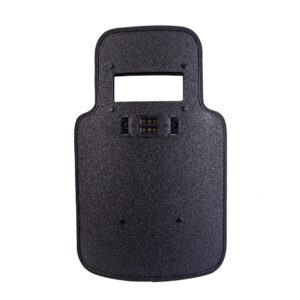
This has enabled the soldiers and officers to carry these shields for extended periods and utilize them faster during dangerous missions.
Impact Of Ballistic Shields On Military Tactics
Ballistic shields have also significantly influenced military tactics.
Increased Officer Safety
Ballistic shields have greatly enhanced the safety of military and law enforcement personnel in high-risk environments. By offering protection against rifle threats and other forms of assault, ballistic shields for law enforcement ensure officers can safely navigate dangerous situations, reducing the risk of casualties and injuries. This increased protection allows SWAT team shield operators to engage in operations with greater confidence, knowing they have a reliable form of defense.
Improved Tactical Mobility
A key advantage of the SWAT ballistic shield is its ability to provide mobility without compromising safety. Unlike traditional barricades, these shields allow officers and soldiers to move dynamically during operations. They offer the perfect balance between security and maneuverability, enabling shield operators to execute tasks such as entry and engagement while remaining protected. The strategic deployment of these shields provides essential flexibility in high-pressure situations, allowing for swift and calculated movement during critical missions.
Strategic Offensive Use
The integration of ballistic shield tactics has enabled law enforcement and military personnel to adopt more offensive strategies during high-risk operations. Whether in hostage rescue or tactical raids, SWAT team shields allow officers to advance under cover, remaining protected while still engaging with suspects. This tactical advantage alters the way operations are conducted, enabling officers to approach threats safely and execute strategic advances with precision.
Effective Crowd Control
In situations where protests or riots turn violent, ballistic shields for law enforcement become vital for maintaining order. These shields withstand projectiles and other threats, providing a crucial line of defense for officers. Equipped with a law enforcement ballistic shield, officers can confidently manage aggressive crowds, reducing the risk of injury, stop bullets, and protect themselves from physical attacks. The size and deployment of these shields enable officers to manage volatile situations more effectively while maintaining safety.
Hostage and Rescue Operations
In high-risk hostage scenarios, ballistic shields and bulletproof vests allow law enforcement to approach suspects without exposing themselves to danger. With the ability to move through hostile environments while protected, shields significantly improve the chances of a peaceful resolution. Featuring viewports and level IIIA protection, shields provide operators with visibility and safety, ensuring they can assess and secure the situation while minimizing risks.
Revolutionary Changes in Police Operations

The innovations of ballistic shields for law enforcement have revolutionized how officers handle dangerous operations. While in the olden days, officers relied majorly on body armor for protection, the ballistic shield supplements them, offering much-needed protection during risky operations such as a shootout or when rescuing hostages.
For example, in hostage rescue missions, officers can use shields to cover themselves when entering dangerous zones. The shield allows them to move closer to a suspect or hostage-taker without exposing themselves too much to the firing.
Ballistic shields help specialized units, such as SWAT teams, perform their high-risk operations better. They also help officers navigate hostile environments safely and engage suspects without getting hurt.
Role of Ballistic Shields in Public Safety
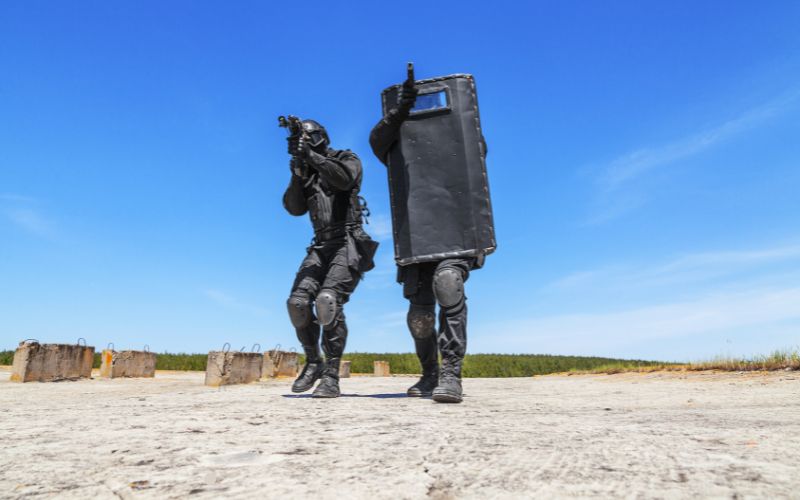
Active shooter events and public violence are on the rise, making ballistic shields essential to first responders. Ballistic shield training protects officers during high-risk events, such as active shooters, from incoming fire while assessing a situation and engaging a threat.
The main benefit of carrying a ballistic shield is that it allows officers to move about freely and confront suspects in real time without exposing them to immediate danger. This protection has greatly saved lives and enabled officers to respond effectively in life-threatening situations.
Ballistic shields are also increasingly used in counter-terrorism operations, where firearms and explosives are common threats. In these operations, shields protect officers’ steps: approaching suspects securely.
The Future of Ballistic Shields
With advancements in tactical gear technology, the future of ballistic shields appears promising. The designs will be lighter, stronger, and more versatile in the future. Material innovations can bring shields with superior protection that do not increase weight or compromise mobility.
Ballistic shields can also use smart technology. Upcoming shields can have sensors that can recognize gunfire or even reinforce their structure during firing, making them extremely protective.
These will evolve ballistic shields and continue providing better protection for military personnel, law enforcement officers, and first responders in the future.
Conclusion
Ballistic shields have become essential tools for both military and law enforcement agencies. Their evolution from heavy, cumbersome devices to lightweight, versatile shields has reshaped how officers and soldiers approach high-risk situations. These shields have enhanced safety, improved tactical strategies, and saved countless lives.
With technology continuously advancing, ballistic shields will continue to play an essential role in contemporary operations. Ballistic shields can provide greater protection and the ability to give more effective responses to threats.
Frequently Asked Questions
What is a ballistic shield made of?
Modernistic shields are usually made from powerful yet lightweight materials like Kevlar, polyethylene, and advanced ceramic plates. They are meant to absorb the force of bullets and shrapnel.
How do ballistic shields enhance police tactics?
Ballistic shields offer police officers additional protection in risky operations such as hostage rescues or active shooter situations. It enables officers to move toward suspects while minimizing exposure to gunfire.
Do ballistic shields stop all types of bullets?
While ballistic shields are effective against most handgun and rifle rounds, the shield’s protective capacity depends on the shield’s rating. The higher-rated shields will offer more protection, but no shield can stop every type of ammunition.
How effective are ballistic shields in protecting against rifle threats?
SWAT team shields offer level III or level IIIA protection, specifically designed to withstand rifle threats and assaults. The deployment of these shields allows personnel to engage in high-risk operations with increased confidence and safety.
Are there any body shield side effects?
While ballistic shields provide essential protection, factors such as fatigue and physical strain can impact performance during prolonged use. It’s critical to strike a balance between shield operator endurance and the need for optimal mobility and security during operations.