








Best Body Armor Levels for Home Defense

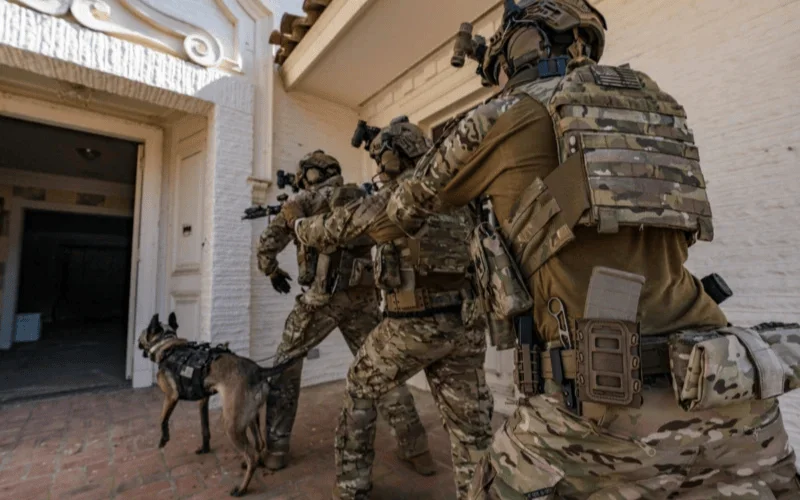
When choosing body armor for home defense, understanding the various protection levels is essential. You want to ensure you’re adequately protected without compromising your mobility. Should you opt for Level IIIA for its balance of protection and comfort, or is Level III necessary for added security against rifle threats? This decision hinges on evaluating specific risks and your personal comfort during extended wear.
?️ Premium Level III Multi-Curve Protection
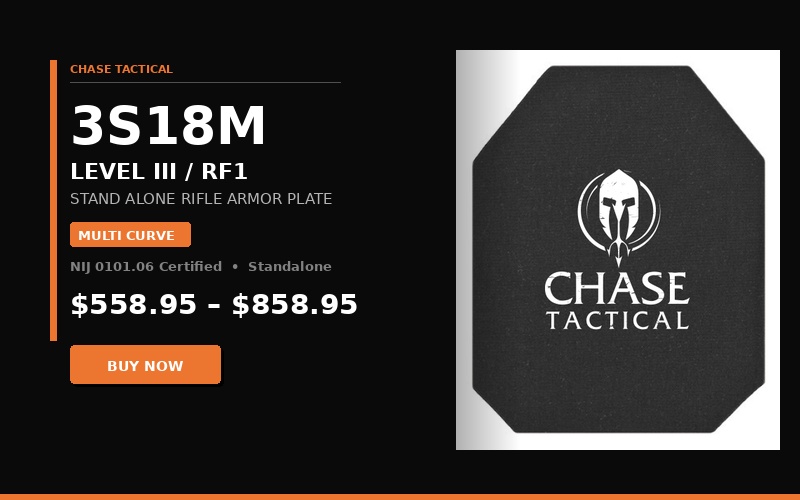
The Chase Tactical 3S18M Level III RF1 Stand-Alone Rifle Armor Plate provides NIJ RF1-certified protection against common rifle threats while maintaining exceptional comfort through its multi-curve ergonomic design. This plate balances maximum rifle protection with reduced weight and enhanced mobility, making it ideal for home defense scenarios where both protection and maneuverability are critical.
Understanding NIJ Body Armor Standards
The National Institute of Justice (NIJ) sets the benchmarks for ballistic resistance in the U.S. Following the .06 Standard, there are five levels: IIA, II, IIIA, III, and IV, with Level I being outdated. Each level addresses performance against specific ammunition types and velocities.
Soft armor, such as IIA, II, and IIIA, provides protection against handgun threats, while hard armor, such as III and IV, protects against rifle rounds. The new .07 standards update these classifications to ensure armor meets contemporary threats. Body armor must comply with performance standards and undergo rigorous testing to ensure reliability and safety.
Level IIIA: Ideal for Most Home Defense Scenarios

Level IIIA represents the optimal choice for most homeowners due to its perfect balance of protection, comfort, and practicality. This soft armor effectively addresses the most statistically common threats while remaining lightweight enough for immediate response situations.
Protection Against Common Handgun Threats
Level IIIA body armor provides practical home-defense protection by stopping common handgun rounds, including the .44 Magnum and .357 SIG. Understanding what Level IIIA armor protects against helps you make informed decisions about your home defense needs. It also protects against lower-velocity rounds like 9mm and .45 ACP and halts most shotgun rounds.
Rated by NIJ standards for multiple hits, it can withstand up to six .44 Magnum shots in the same area without failure. Level IIIA is commonly used by law enforcement and civilians for common threats, making it a proven choice for home protection.
Comfort and Concealability
This soft armor is lightweight, enhancing mobility for quick responses during home invasions. Level IIIA body armor is typically made from materials such as UHMWPE or Kevlar, using multiple layers of woven fibers compressed under high temperatures and pressures to form protective panels.
Weighing as little as 3.8 pounds and measuring only 5mm thick, it’s highly concealable and suitable for everyday wear, offering discreet, practical protection. It’s discreet enough for everyday use and can be easily stored around your home. However, it’s not designed to protect against rifle calibers or armor-piercing rounds.
Level III: Essential for Rifle Threat Protection
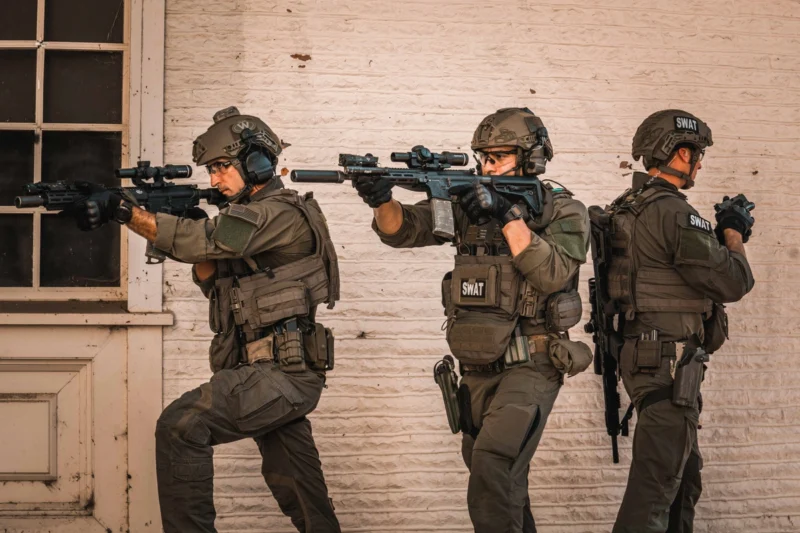
When facing high-powered rifle threats, Level III hard armor plates become essential. If you’re dealing with rounds like the 7.62×51mm M80 or the 5.56×45mm M193, Level III provides the protection needed to stop these threats effectively.
It’s the first tier recognized for rifle rounds per NIJ standards, crucial in home defense against rifles like the AK-47. Level III plates balance protection with mobility, making them suitable for extended wear without the burden of heavier armor.
With options like steel, ceramic, and polyethylene, you can choose based on weight and spall risk. For those considering layered protection strategies, Level III plates integrate seamlessly with soft armor for comprehensive defense.
Level IV: Maximum Protection for Serious Threats
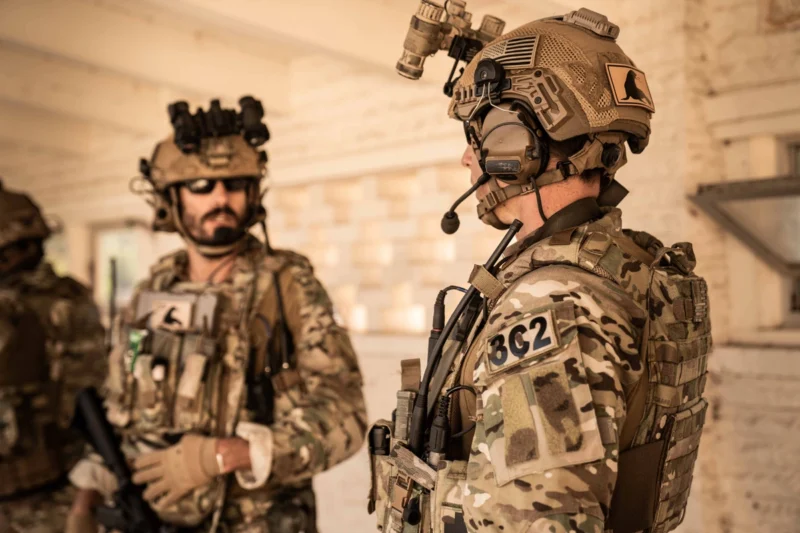
Level IV armor is the pinnacle of ballistic protection, designed for extreme-threat environments where armor-piercing rifle rounds are a concern. While often excessive for typical home defense, it provides unmatched security for high-risk situations.
Defeating Armor-Piercing Rounds
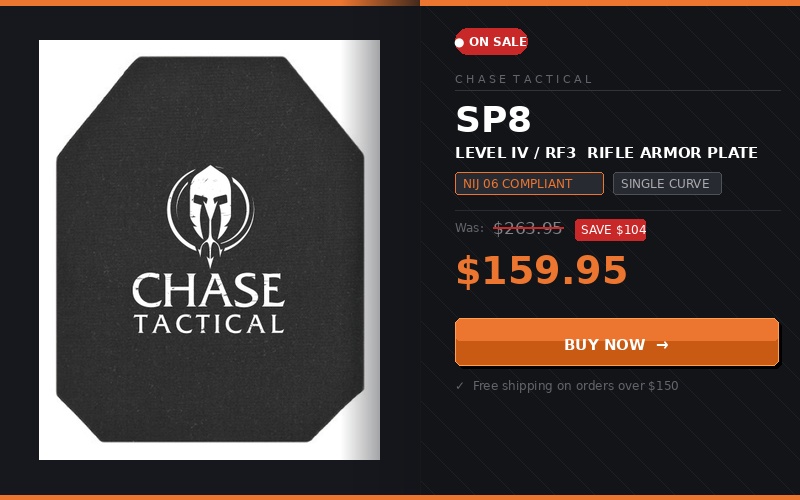
For those seeking the utmost protection against armor-piercing rounds, Level IV body armor offers the highest protection available under NIJ 0101.06 standards. It’s tested to stop a single .30-06 M2 AP round traveling up to 2880 ft/s without perforation or significant deformation.
Level IV armor effectively halts a variety of threats, including 5.56mm NATO SS109 green tip and 7.62×51mm M80 rounds. It’s designed to withstand a worst-case hit at 15 meters or less, demonstrating its capability.
Ceramic Construction Advantages
Ceramics combined with aramid fibers or polyethylene provide unmatched structural integrity. A crystalline ceramic strike face shatters upon bullet impact, dissipating kinetic energy and fragmenting the round to prevent penetration.
While it weighs moderately at 6-8 lbs per plate, it’s significantly lighter than steel options. Although ceramics are less durable than steel, modern plates endure up to six rounds. Additionally, ceramic armor reduces spall risk and doesn’t require a soft-armor backer—its waterproof polyurea coating ensures long-lasting ballistic integrity.
Weight and Mobility Considerations
Selecting the right armor weight is crucial for effective home defense, as excessive bulk can hinder your ability to navigate tight spaces and respond quickly to threats.
Lightweight Armor Benefits
Lightweight armor offers significant advantages: polymer plates weigh as little as 1.5 pounds, compared to 8-10 pounds for steel plates. This weight reduction is essential during extended wear, reducing fatigue and allowing you to move more freely.
Despite being lighter, materials like UHMWPE provide excellent protection, matching or exceeding that of heavier steel options. Materials like Kevlar and Dyneema offer flexibility, adapting to your body’s movements and improving comfort.
Mobility for Home Defense
Heavier armor, such as Level IV plates, can hinder your movement, slow your reaction time, and cause fatigue, especially during prolonged wear. This restriction is more pronounced in confined spaces where agility is essential.
Conversely, lighter armor, such as soft armor or Level III plates, reduces strain on the body and enhances endurance and agility, allowing you to respond quickly in dynamic home environments. Consider your expected activity level and home layout when choosing armor.
Material Comparison: Ceramic vs. Steel
Understanding the trade-offs between ceramic and steel materials helps you select armor that meets your specific home defense requirements.
Performance Differences
Ceramic plates are 37% lighter, improving mobility and comfort over extended wear. Despite being heavier, steel’s thinner profile can assist mobility in certain scenarios.
For protection, ceramic excels against high-velocity rifle rounds and minimizes ricochet, while steel is sufficient for handgun threats but carries ricochet risks. Steel offers extreme durability and multi-hit capability, while ceramic is brittle and prone to cracking under repeated impacts.
Cost Considerations
Cost-wise, steel is more affordable, offering a budget-friendly option, while ceramics have a higher upfront cost. Durability is also a consideration—steel is extremely durable and multi-hit capable, whereas ceramic is prone to cracking. Choose based on your protection needs and budget considerations.
Material Innovations in Modern Body Armor
Material innovations have truly transformed modern protective gear. Lightweight materials like nanomaterials and graphene enhance strength-to-weight ratios, reducing vest weight by up to 40%. UHMWPE, such as Dyneema SB301, offers superior strength with fewer defects, allowing seamless upgrades.
Advanced materials now account for nearly 80% of new body armor, surpassing steel in toughness and lightness. High-molecular-weight polyethylene and aramid fibers provide excellent ballistic resistance at reduced weight. Hybrid composites combine nanomaterials for unmatched strength, while adaptive systems stiffen on impact. These innovations ensure your armor is lighter, more flexible, and highly effective against threats.
Conclusion
When choosing body armor for home defense, focus on your specific needs and the most likely threats you might face. Level IIIA is excellent for stopping handgun rounds while ensuring comfort and mobility. If rifle threats are a concern, consider Level III or even Level IV for maximum protection. Material choices, such as ceramic or steel, significantly affect weight and comfort. Ultimately, choose armor that balances protection and practicality, ensuring you’re prepared without sacrificing ease of movement in your home.
Frequently Asked Questions
How long does body armor typically last before needing replacement?
Body armor typically lasts around 5 years before needing replacement. With proper care, soft armor can last 7-8 years, while hard armor, such as steel, can last up to 20 years with proper maintenance.
Can body armor be customized for personal fit and comfort?
Yes, you can customize body armor for personal fit and comfort. Adjust side panels and shoulder straps, choose plate shapes, and pick lightweight materials. These options ensure flexibility, proper weight distribution, and a snug fit without restricting movement.
Are there legal restrictions on owning certain levels of body armor?
You can own any level of body armor legally unless you’re a convicted violent felon. Federal law allows this, but some states, such as New York and Connecticut, impose additional restrictions; check your local regulations first.
What is the cost range for different levels of body armor?
You’ll find Level II armor costs $250-$500, Level IIIA $300-$950, Level III $134.39-$300, and Level IV $199.99-$1500. Prices vary based on material, protection level, and brand.