






What Do You Need for a Complete Tactical Loadout?

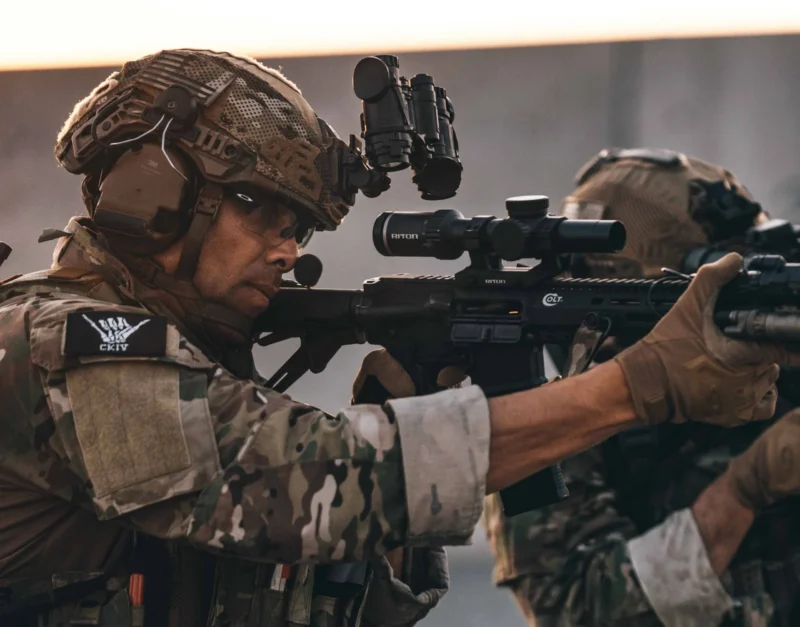
Building a complete tactical loadout involves more than grabbing the most impressive-looking gear. You need to balance protection, communication, navigation, and mobility to stay effective and safe during operations. Start with the right body armor and plate carrier, then layer in communication tools, reliable navigation equipment, and mission-appropriate footwear. This guide walks through every essential component so you can put together a kit that is genuinely mission-ready.
? Want the full picture before diving in? This is a supporting article. For a complete breakdown of how to build your entire tactical loadout from the ground up, including gear selection by role, environment, and mission type, read our comprehensive guide: How to Build a Complete Tactical Loadout: A Comprehensive Guide
Protection Gear Essentials
Protection starts with body armor. For most law enforcement applications, Level II and Level IIIA soft body armor provides effective coverage against handgun rounds. Military and high-threat operations require Level III or Level IV hard armor plates capable of defeating rifle rounds. All armor should be NIJ-certified to confirm it meets verified ballistic performance standards. For a full breakdown of protection levels, visit Chase Tactical’s Body Armor Levels guide.
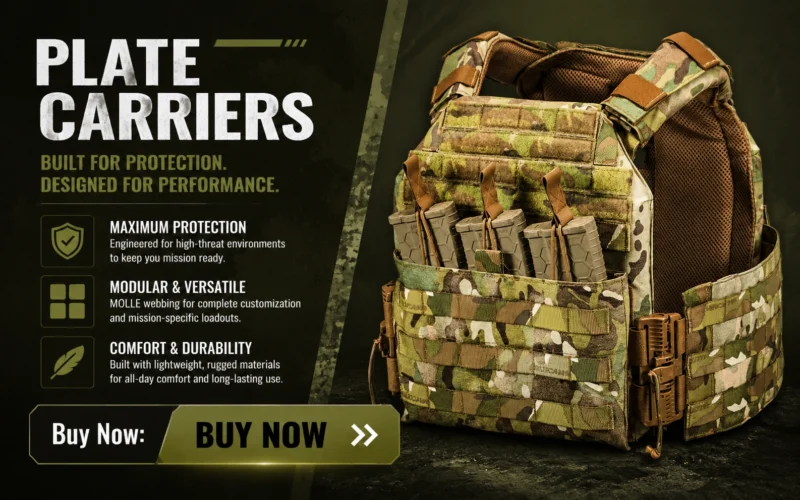
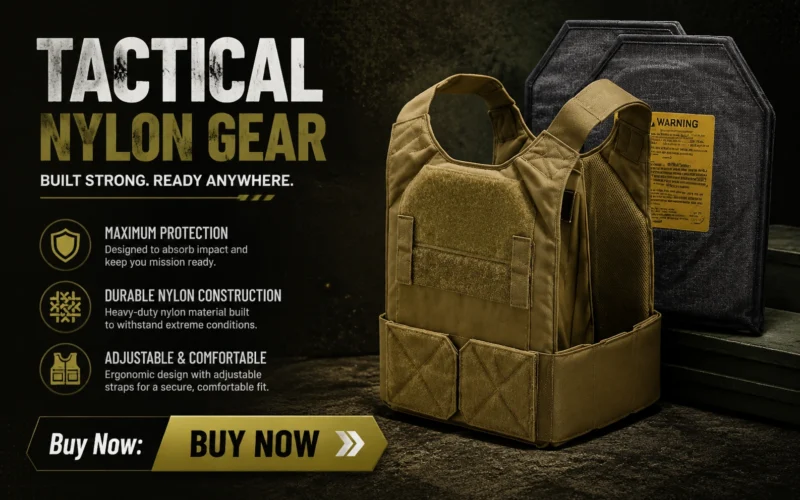
Pair your armor with a modular plate carrier featuring MOLLE-compatible webbing, allowing you to configure pouches, medical kits, and accessories to suit your specific mission requirements. A properly fitted carrier with adjustable straps and padded shoulders reduces fatigue and preserves mobility over extended wear.
Do not overlook your ballistic helmet. A quality tactical helmet protects against fragmentation and projectile threats, and modern designs include mounting rails for night vision devices and communication systems. Lightweight construction keeps the helmet comfortable during prolonged operations, and quick-release mechanisms allow fast removal when needed.
Communication Tools and Integration

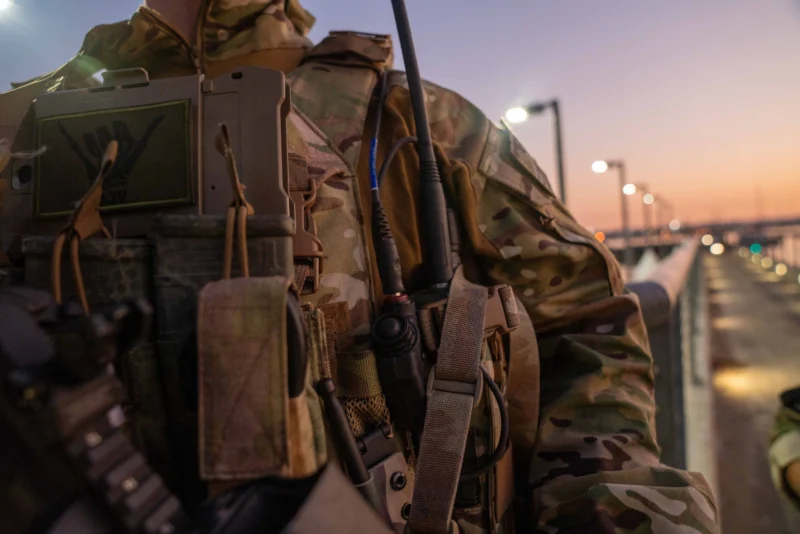
Effective communication is what keeps a team coordinated under pressure. Your core communication tool is a durable, encrypted radio transceiver with reliable power either long-life batteries or an extended-battery system. Antenna selection determines your transmission range, so match the antenna to your operational area.
For audio clarity in noisy environments, invest in a quality headset with noise-canceling microphones. These can integrate directly with your helmet system or attach to ear protection, keeping your hands free and your comms clean. For more details on building reliable field communication, see Chase Tactical’s guide on emergency communication methods.
Push-to-talk functionality allows instant team communication across channels without the need for multiple separate devices. For extended or remote operations, satellite communicators provide a global text-messaging backup that ensures you stay connected regardless of radio range limitations.
? Build Your Kit with Chase Tactical. Chase Tactical manufactures plate carriers, chest rigs, nylon pouches, medical kits, and tactical gear trusted by military and law enforcement professionals — all available to ship now.
Navigation Equipment and Organization
Reliable navigation starts with a quality compass and detailed topographic maps. A mirror compass with declination adjustment corrects the difference between magnetic and grid north, which is essential for accurate land navigation. Protect your maps with waterproof cases and carry map protractors and fine-point markers for precise plotting using UTM or MGRS grid systems.
Digital navigation tools, GPS watches, and smartphone-based mapping applications provide a capable backup layer, but should never fully replace physical navigation skills. Conserve GPS battery life by powering the device off when not in use.
Keep all navigation tools organized in a dedicated administrative pouch for fast access. Pace count beads help you track distance in terrain where GPS is unreliable or unavailable. Redundancy in navigation is not a luxury it is a requirement.
Enhancing Mobility With Tactical Gear
Mobility starts at the ground level. Tactical boots should provide durability, ankle support, and adaptability to terrain. High-quality materials and reinforced construction enable the boots to withstand harsh conditions over extended operations, while cushioned insoles and breathable fabrics make long-duration wear comfortable.
A functional tactical battle belt distributes the weight of equipment evenly across your hips, keeping frequently accessed items, such as magazines, a tourniquet, and a multitool, within immediate reach without restricting movement. Pair your belt with a plate carrier that offers modular configuration and even plate weight distribution, so your kit moves with you rather than against you.
Aim for a total combat load of approximately 35 pounds. Loads above that threshold begin to degrade mobility and increase fatigue at a rate that outpaces any benefit from additional gear. Strip anything that is not mission-essential before stepping out.
Optimizing Firepower and Ammunition Storage
Ammunition integrity depends on proper storage conditions. Maintain a temperature range of 55–65°F and keep humidity between 30–50% to prevent corrosion and degradation. Interior, climate-controlled storage spaces work well for this purpose.
Use waterproof, airtight containers; sealed metal ammunition cans are a reliable and proven option. Organize ammunition with color-coded labeling and rotate stock using a first-in, first-out system to keep your supply fresh. Store all ammunition in fire-resistant containers with built-in humidity control, and always verify local regulations for legal storage requirements.
For carrying ammunition in the field, MOLLE-compatible ammo pouches integrated into your plate carrier or belt kit keep magazines accessible and secure throughout the mission.
Medical Kits and Trauma Readiness
A well-stocked Individual First Aid Kit can save a life before a medic reaches you. At a minimum, your IFAK should include a tourniquet to control severe limb bleeding, bandages and hemostatic gauze for wound packing, chest seals for penetrating chest trauma, and medical shears and nitrile gloves for field use.
Mount your IFAK in a consistent, accessible location, the same place every time so that a teammate can retrieve it without instruction if you are incapacitated. Browse Chase Tactical’s full selection of medical kits and medical packs built for field use.
Basic trauma training is not optional. Gear you cannot use correctly under stress is gear that will not save a life when it matters.
Sustaining Long-Term Operations
Independent operational capacity is limited. Without resupply, most units can sustain themselves for only a few days on their basic load. Precision logistics positions forward support elements with agile supply chains to extend your reach and reduce the risk of running out of critical items to zero.
Hydration is the most commonly underestimated factor in long-duration operations. Integrated hydration bladders built into your plate carrier or backpack system keep water accessible without breaking your kit configuration. Dehydration degrades cognitive performance and physical output faster than almost any other field variable.
Establish a regular maintenance and readiness cycle. After every training session or operation, inspect all gear for wear, fraying, and functional issues. Check the elasticity of tourniquets and the expiry dates of medical supplies every six months. Store body armor flat and away from direct sunlight to preserve ballistic integrity over time.
Load-Bearing Equipment Considerations
A modular load-bearing system built around a MOLLE-compatible plate carrier, belt, and suspender combination gives you the flexibility to configure your kit for any mission type. Distributing weight across the torso and hips reduces the risk of injury associated with concentrated loading on the shoulders or back.
Place heavy items, armor plates, hydration, and ammunition close to your spine and center of gravity. Position frequently accessed items at the front and sides of your kit. Pair your plate carrier with chest rigs or utility pouches to increase capacity without sacrificing balance. Always tailor your load-out to the specific mission — what you carry on a 12-hour patrol is not what you carry on a 72-hour operation.
Balancing Comfort and Functionality
Operational effectiveness depends on the gear you can actually wear and move in for hours at a time. Choose materials like Cordura or ballistic nylon for durability without unnecessary weight. Ensure your plate carrier has adjustable straps and padded shoulders, which significantly reduce fatigue during extended wear. Quick-release mechanisms and MOLLE webbing provide accessibility and customization without adding bulk.
In hot environments, prioritize breathable materials and keep frequently accessed items in exterior pockets to minimize the time spent digging through your kit. A well-organized loadout reduces cognitive load under stress, thereby improving decision-making speed and operational outcomes.
Conclusion
A complete tactical loadout is not built in a single purchase; it is assembled deliberately, tested in training, and refined through operational experience. Start with NIJ-certified body armor and a modular plate carrier, then build outward through communication, navigation, medical, and sustainment layers. Prioritize fit, weight distribution, and accessibility at every step. The gear that keeps you mission-ready is the gear you can actually wear, move in, and use under pressure.
For the full system-level breakdown of how every component fits together by role, environment, and mission type, visit Chase Tactical’s comprehensive guide: How to Build a Complete Tactical Loadout.
Frequently Asked Questions
What are the most important items people forget in a tactical loadout?
Tourniquets and hydration systems are the most commonly overlooked essentials. Most operators focus on armor and ammunition while underestimating how quickly blood loss or dehydration can end a mission. A properly configured IFAK and an integrated hydration system are non-negotiable for any serious kit.
What are the legal considerations for carrying tactical gear?
Most tactical gear is legal for civilian use, but body armor has specific restrictions particularly for individuals with felony convictions. Regulations vary by state and jurisdiction. Always verify local and federal laws before purchasing or carrying body armor or other regulated equipment.
How do I maintain my tactical gear for long-term reliability?
Inspect all gear after every use for wear, fraying, broken buckles, and functional issues. Clean and lubricate your primary weapon on a set schedule. Check medical supply expiry dates and tourniquet elasticity every six months. Store body armor flat, away from direct sunlight, to preserve its ballistic integrity over time.
How do I train effectively with my tactical loadout?
Incorporate compound strength training and endurance work into your regular routine. Use high-intensity interval training for agility and reaction speed. Train with your full loadout regularly — rucking with your actual kit weight builds the specific conditioning required to operate effectively under load. Keep your training weight under 35 pounds to maintain realistic performance standards.
What are cost-effective options for building a loadout as a beginner?
Start with the highest-priority items: body armor, a plate carrier, and a basic IFAK. Choose MOLLE-compatible systems from the start so your initial investment scales with your gear as you grow. Prioritize function over aesthetics, and ensure every item you purchase serves a defined role in your kit.
What is the difference between a tactical loadout and a military loadout?
A tactical loadout typically refers to configurations used in law enforcement, civilian training, or enthusiast applications. A military loadout is designed for combat-ready deployment and must meet specific military standards for protection, interoperability, and durability under sustained operational conditions.