







Coast Guard Consolidates Elite Units Under New Special Missions Command

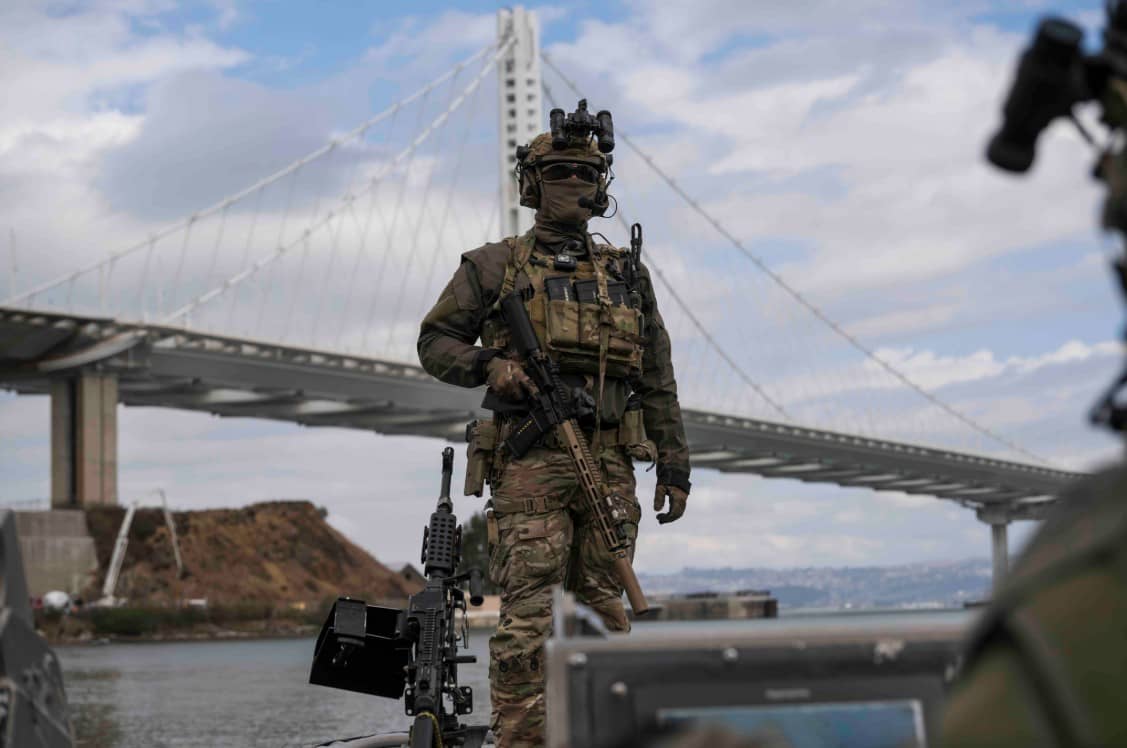
The U.S. Coast Guard has announced the formation of a new Special Missions Command, a significant reorganization designed to unify and strengthen its most elite maritime response units amid rising global demands for specialized operations. This move reflects the service’s evolving role in addressing complex threats ranging from terrorism and drug trafficking to environmental disasters and critical infrastructure protection.
The command is scheduled for formal establishment around October 1, 2026, and will be headquartered at the Coast Guard’s C5I Service Center in Kearneysville, West Virginia. By centralizing oversight, the Coast Guard aims to create a more agile and integrated force capable of responding rapidly to emerging challenges in an increasingly contested maritime environment.
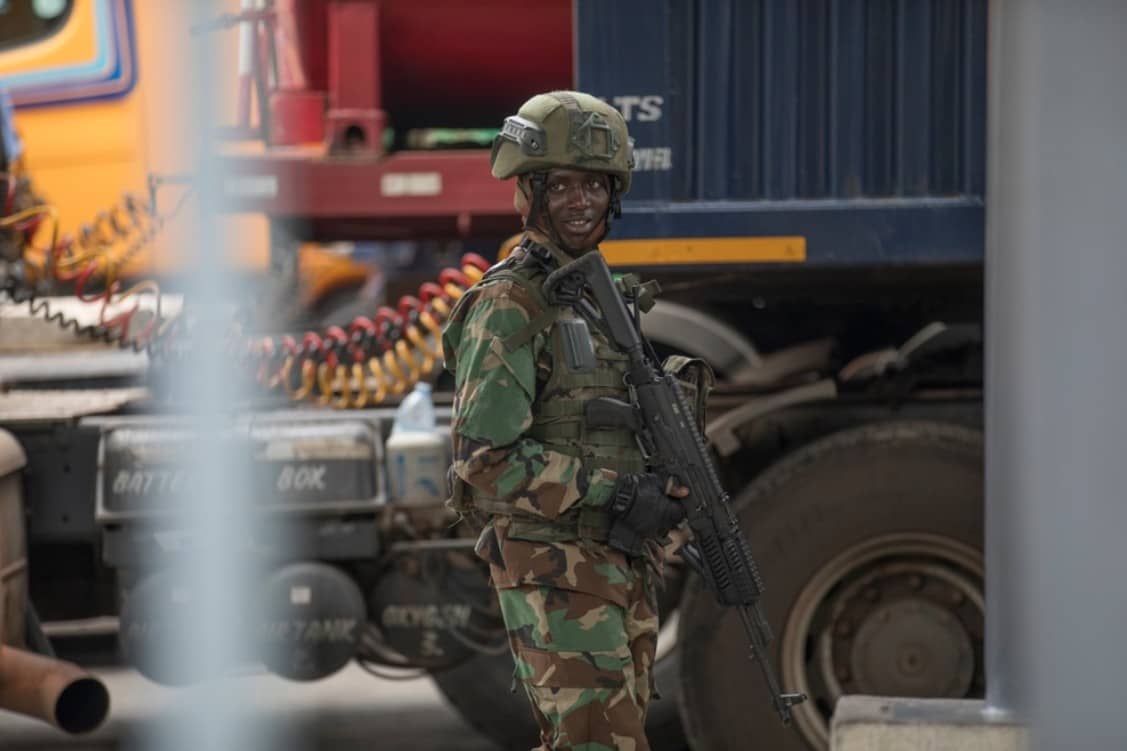
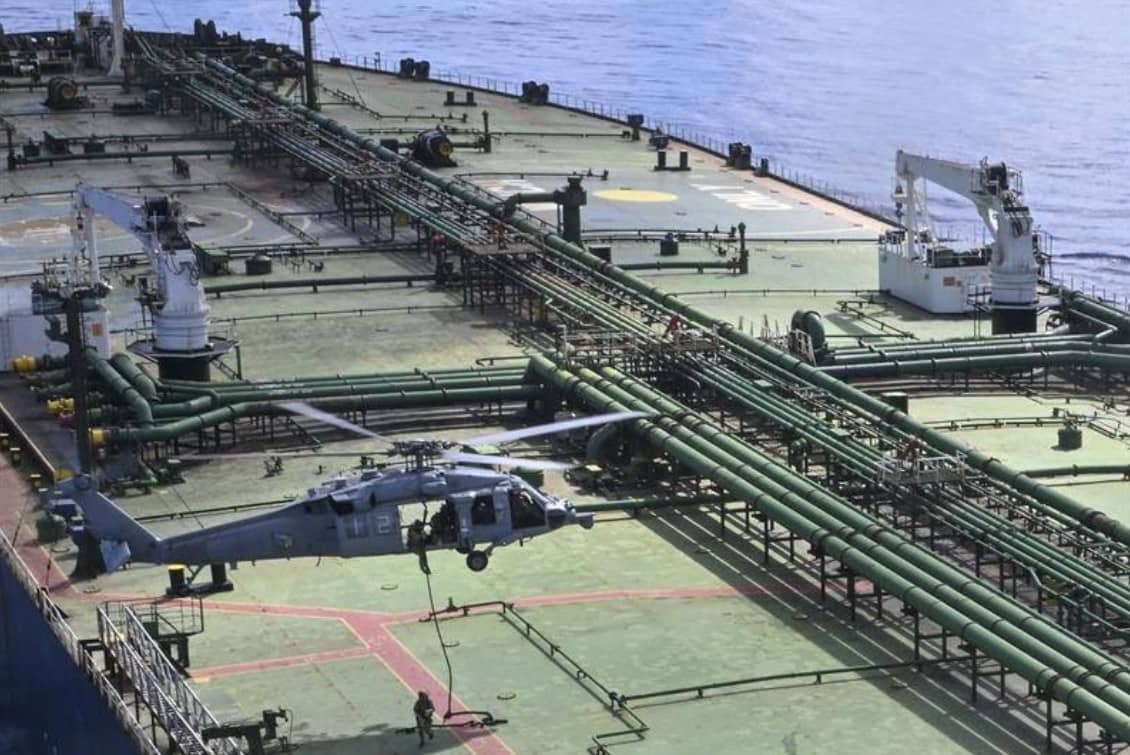
The Special Missions Command will bring together several premier units under one umbrella. At its core are the Maritime Security Response Teams (MSRTs), highly trained forces specializing in counterterrorism and high-risk maritime operations. These teams are equipped to handle complex scenarios involving hostile actors, hostage situations, and tactical assaults at sea. Complementing them are the Tactical Law Enforcement Teams (TACLETs), which focus on disrupting trafficking networks and maritime criminal enterprises, including drug interdiction and the enforcement of sanctions against adversarial nations.
Also included are the Maritime Safety and Security Teams (MSSTs), which provide rapid-response capabilities for port and coastal security. These units are often the first line of defense in protecting vital waterways, cruise terminals, and commercial harbors from potential threats. The command will further oversee Port Security Units responsible for safeguarding critical shipping infrastructure and high-value assets during contingencies, ensuring the uninterrupted flow of global commerce.
Additional components include the Regional Dive Lockers, specialized teams that conduct underwater security assessments, salvage operations, and maintenance on submerged infrastructure. Rounding out the structure is the National Strike Force, a renowned response organization that deploys to major disasters, oil spills, and incidents involving chemical, biological, radiological, or nuclear materials. Their expertise has proven invaluable in mitigating environmental catastrophes and supporting recovery efforts after large-scale incidents.
Currently, administrative and operational control of these specialized forces is divided between the Coast Guard’s two area commanders—Atlantic and Pacific. Officials emphasize that consolidating them under a single command will significantly improve readiness, streamline coordination, and enhance interoperability with partners across the U.S. military, federal law enforcement agencies, and international allies. This realignment is expected to reduce bureaucratic friction, foster standardized training protocols, and enable more effective resource allocation for high-priority missions.
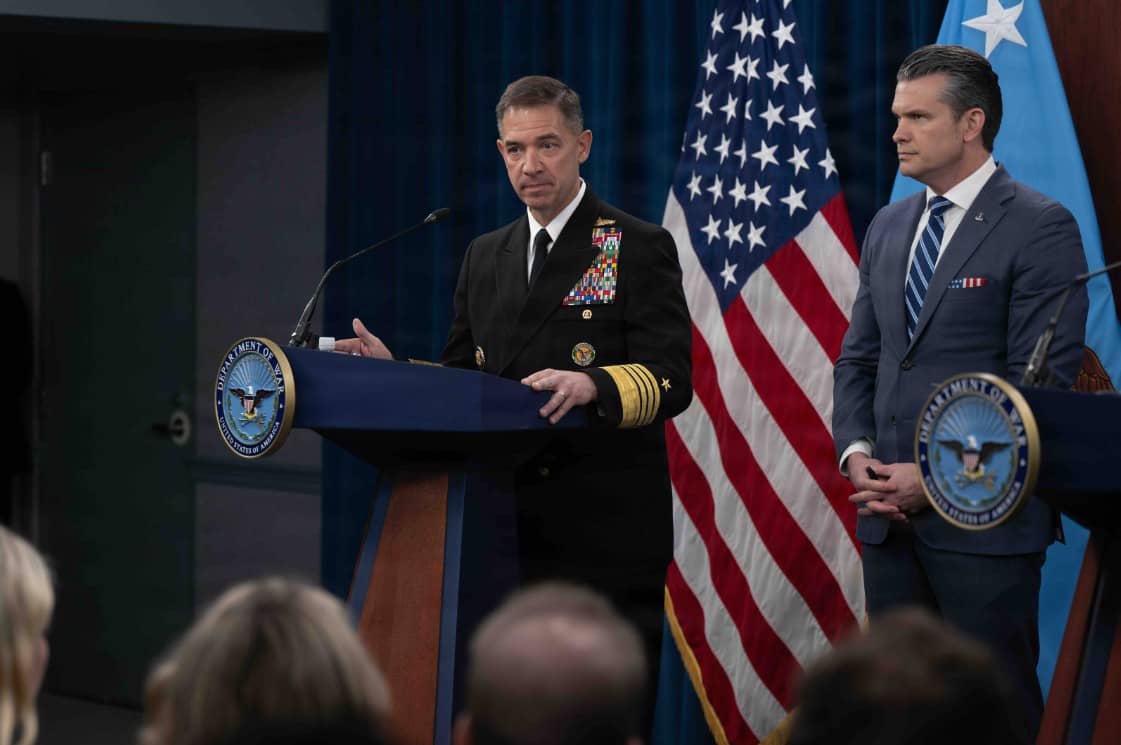
“The creation of the Special Missions Command is a vital evolution for our service,” Adm. Kevin Lunday, commandant of the Coast Guard, stated. “We are forging our most elite operators into a single, razor-sharp instrument of national power. The Special Missions Command is not an administrative change; it is an investment ensuring these elite teams are the best trained, equipped, and organized force possible, ready to protect the Homeland and support the Joint Force.”
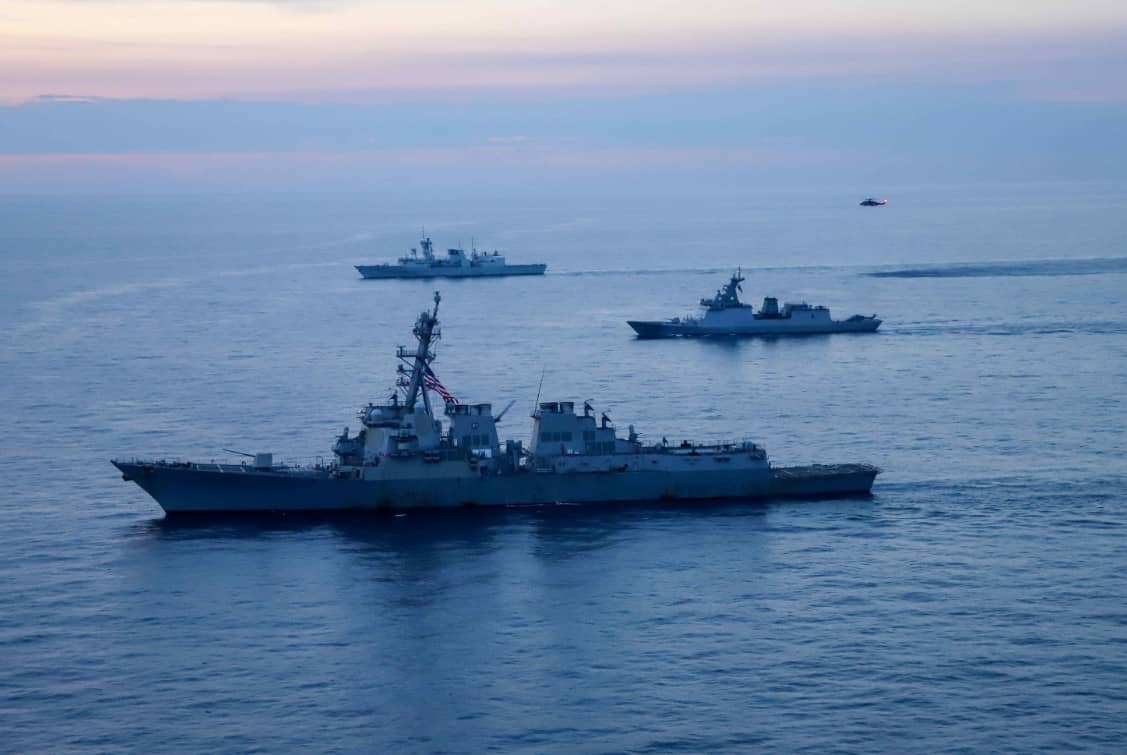
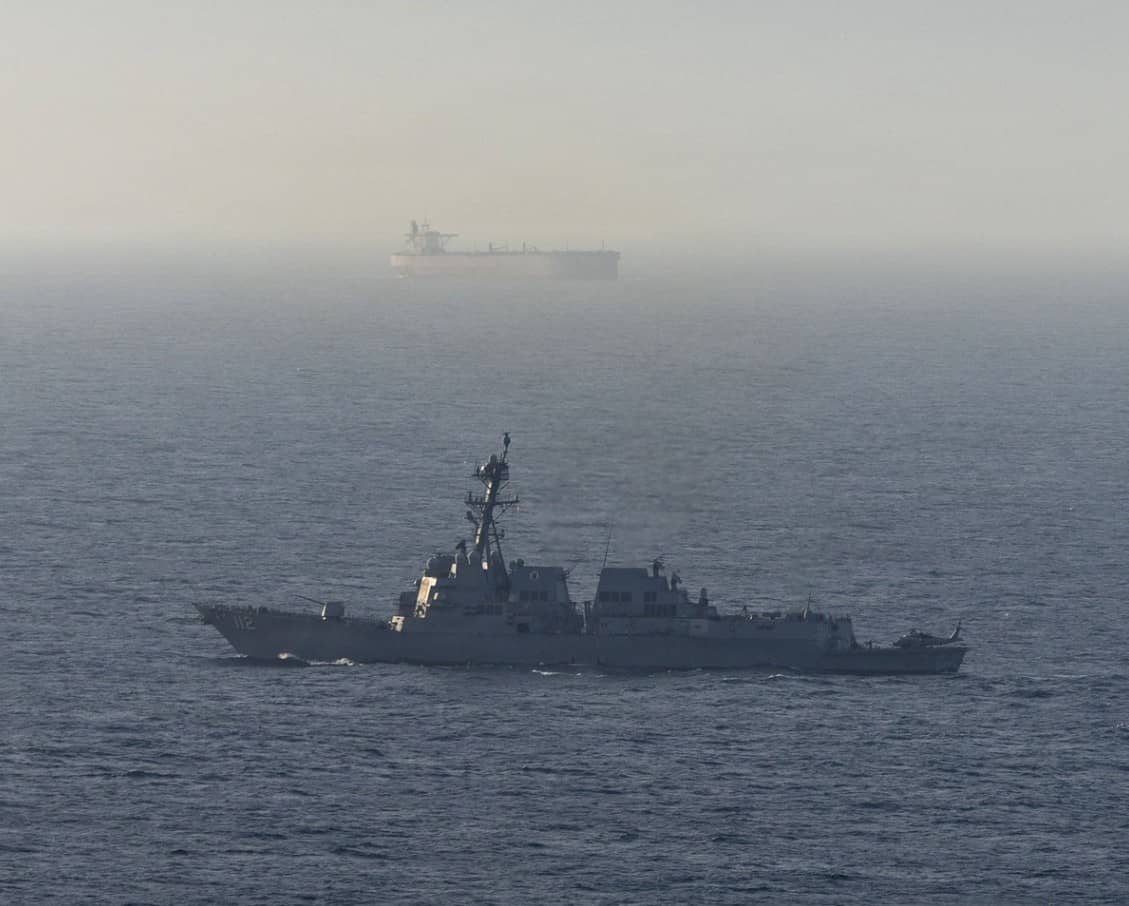
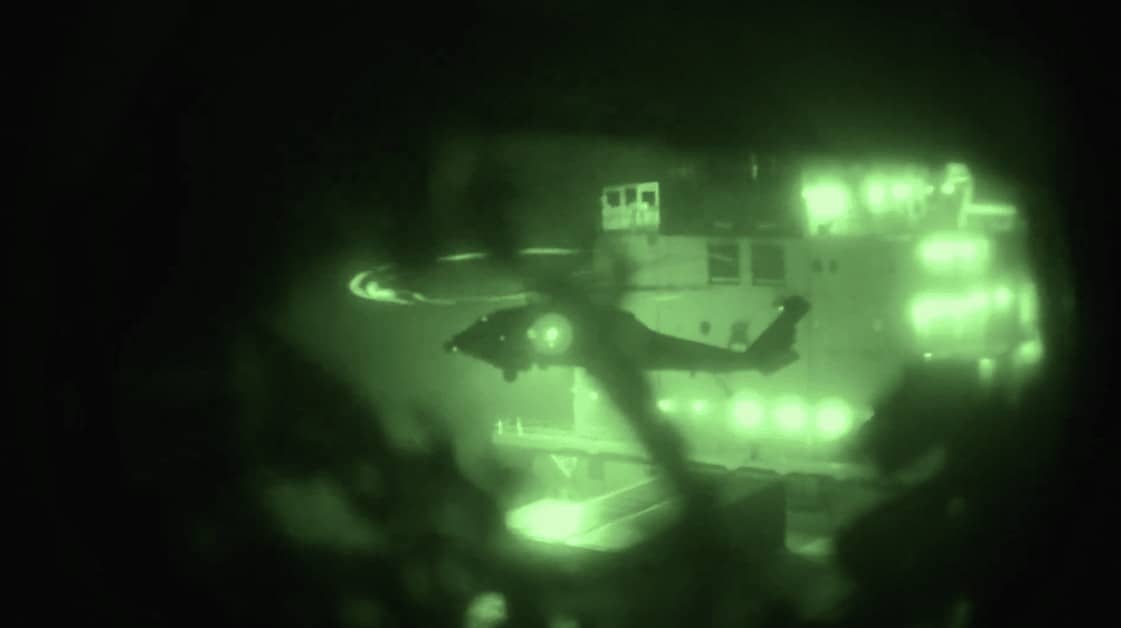
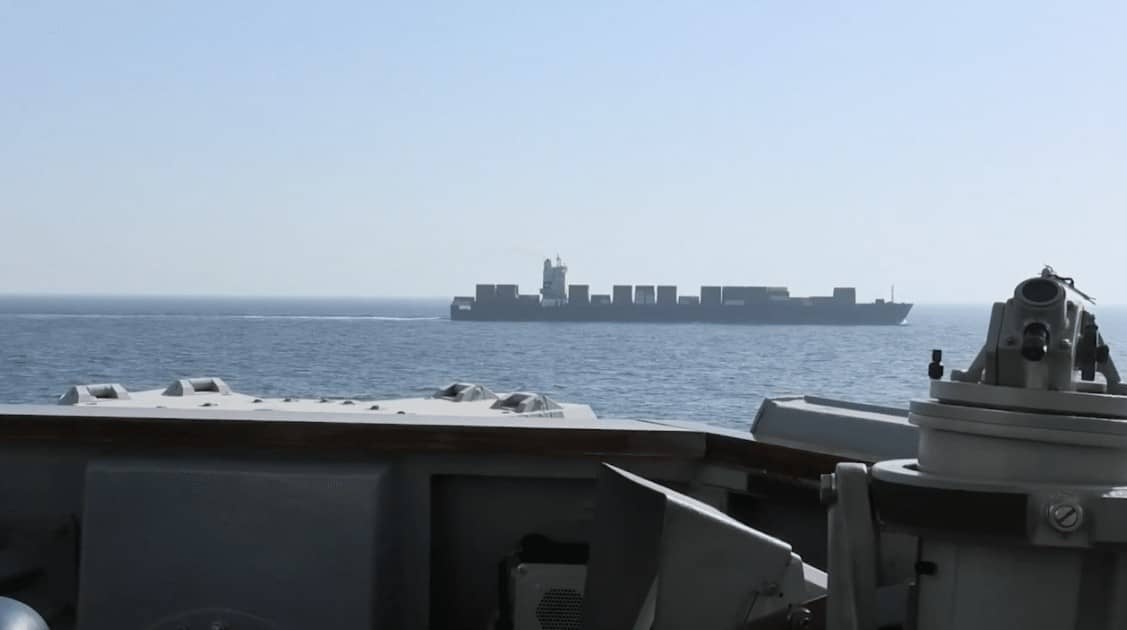
The timing of this announcement aligns with broader national security priorities under the Trump administration, which has increasingly leveraged Coast Guard capabilities for global ship interdictions and counter-narcotics operations. In recent months, specialized Coast Guard units have participated in several high-profile missions. These include operations targeting Iranian-linked oil tankers in the Indian Ocean aimed at enforcing sanctions and curbing illicit petroleum shipments. Additionally, teams pursued a sanctioned Russian tanker from the Caribbean across the Atlantic, demonstrating the service’s extended reach and ability to track vessels over vast distances.
Such deployments underscore the Coast Guard’s expanding role beyond traditional domestic missions. As great-power competition intensifies and transnational threats like narcotics smuggling and weapons proliferation grow, the service has become an indispensable partner in joint operations with the Navy and other agencies. The new command structure is expected to amplify this effectiveness by enabling faster deployment cycles and more cohesive operational planning.
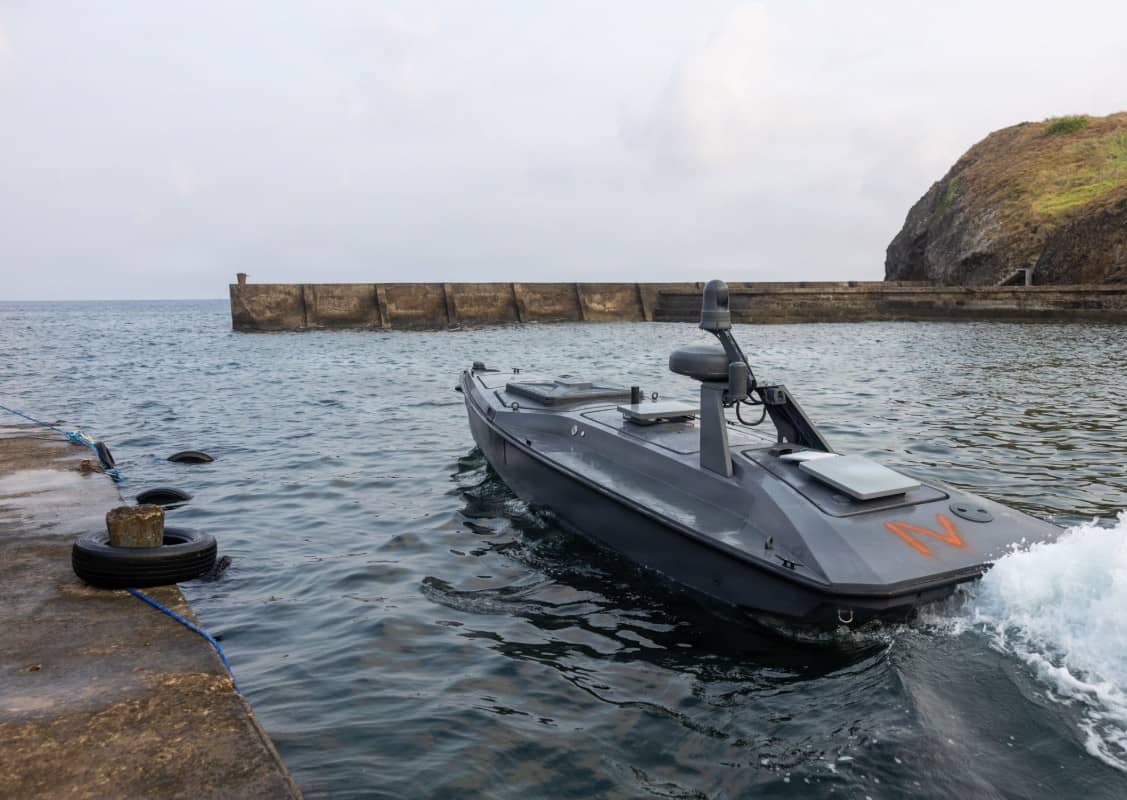
Looking ahead, Coast Guard leaders indicated that additional units and capabilities could be integrated into the Special Missions Command as needs evolve. Potential expansions might include enhanced cyber-maritime capabilities, advanced unmanned systems for reconnaissance, or specialized teams focused on emerging threats such as climate-related maritime incidents or hybrid warfare tactics.
This reorganization represents more than an internal adjustment—it signals the Coast Guard’s commitment to remaining a dynamic, forward-leaning service in an era of heightened maritime competition. By concentrating its premier forces under unified leadership, the Coast Guard is positioning itself to deliver decisive responses to threats wherever they emerge, safeguarding U.S. interests at home and abroad while reinforcing its reputation as one of the world’s most versatile and capable maritime forces.