







U.S. Warns Iran May Have Activated Sleeper Cells Worldwide

U.S. intelligence officials have issued a heightened warning that Iran may have transmitted an “operational trigger” to activate sleeper agents worldwide, amid the escalating conflict involving the United States, Israel, and Iran.
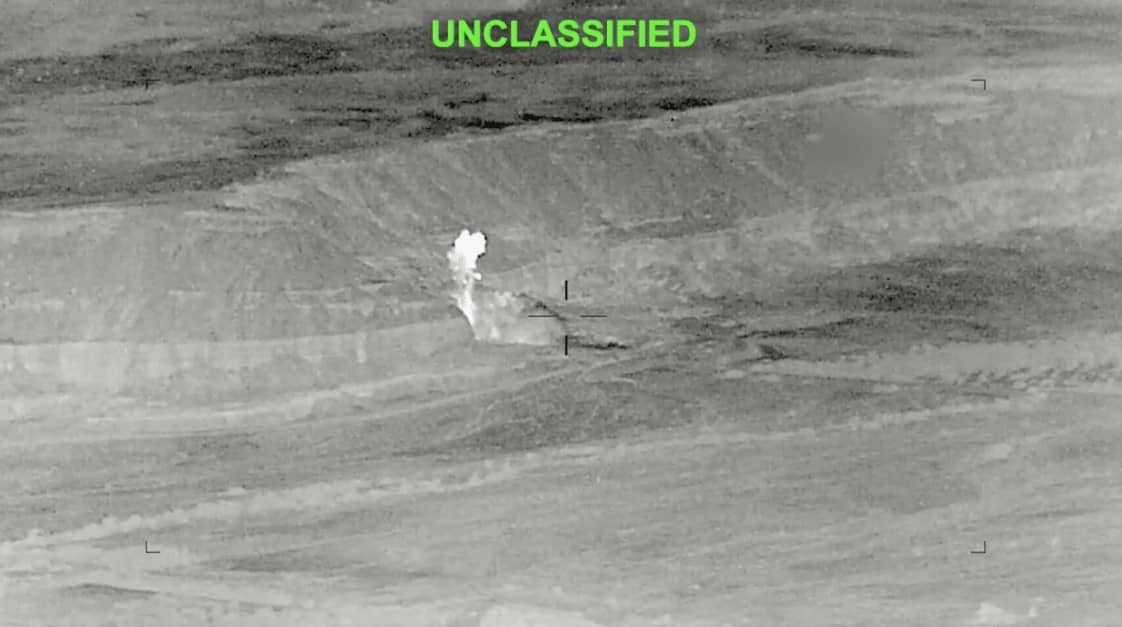
The alert follows the death of Iran’s Supreme Leader, Ayatollah Ali Khamenei, who was killed on February 28, 2026, in a joint U.S.-Israeli military strike. The operation, part of a broader campaign of airstrikes targeting Iranian leadership and infrastructure, marked a significant escalation in long-standing tensions. Khamenei’s death—confirmed by Iranian state media and U.S. officials—has left the Islamic Republic in disarray, prompting fears of desperate retaliatory measures.
According to a federal government memo distributed to law enforcement agencies and reviewed by ABC News, U.S. intelligence intercepted encrypted communications believed to originate from Iran shortly after Khamenei’s killing. Preliminary signals analysis indicated the transmission was “likely of Iranian origin” and was relayed across multiple countries via a new broadcast station exhibiting international rebroadcast characteristics.
The intercepted message appeared directed at “clandestine recipients” possessing the necessary encryption key. Such a setup is typical for covert instructions delivered without relying on internet or cellular networks, reducing the risk of interception. The alert explicitly stated that the communication “could be intended to activate or provide instructions to prepositioned sleeper assets operating outside the originating country.”
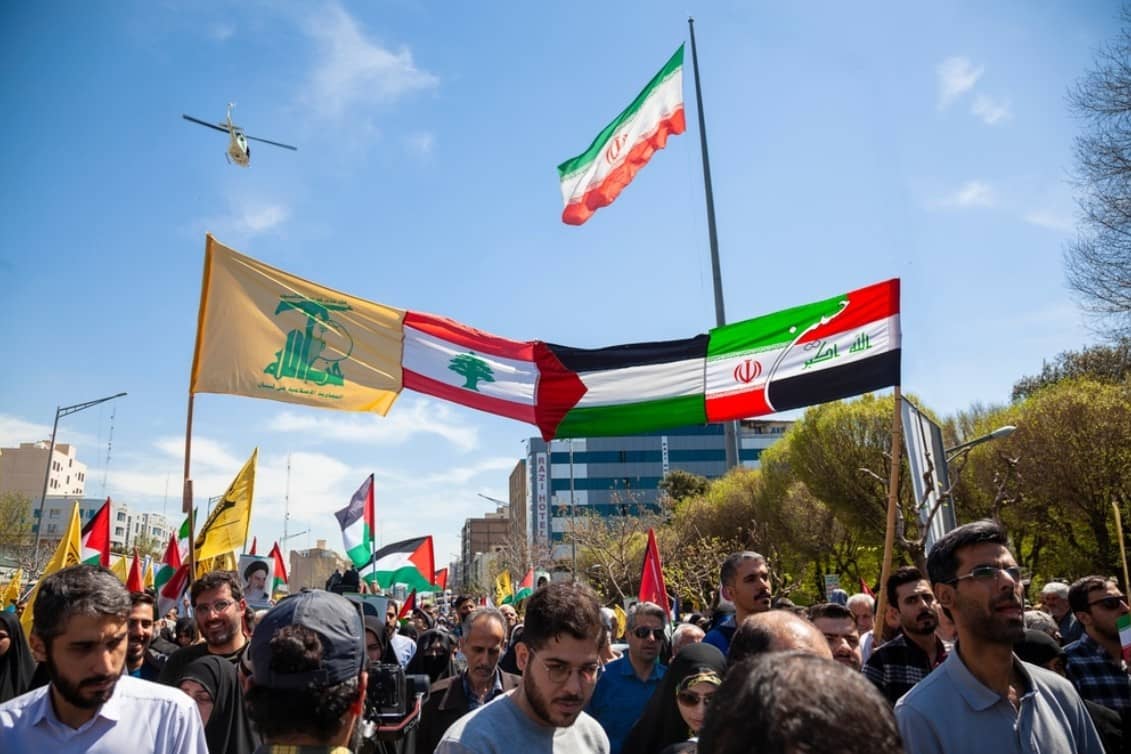
Sleeper assets, often referred to as sleeper cells, are operatives or groups embedded in foreign countries who remain dormant for years, blending into local societies until activated for missions such as espionage, sabotage, or terrorist attacks. Experts note that Iran has historically relied on proxies like Hezbollah and Hamas, as well as potential independent networks, to extend its reach beyond the Middle East.
While the memo stressed that no specific, credible threats have been identified to any particular location or target, it called for “heightened situational awareness” among federal, state, and local authorities. The sudden emergence of this encrypted signal, combined with the ongoing war, has elevated concerns about possible homeland attacks in retaliation for the strikes on Iran.
Counterterrorism specialists have echoed these worries. Chris Swecker, a former assistant FBI director, told Fox News early in the conflict that if Hezbollah or Hamas cells were ever to carry out violent acts on U.S. soil, “it’s now,” given the pressure on Iran’s allies and leadership vacuum. Former Homeland Security official Elizabeth Neumann added that overseas wars often carry a domestic threat component, with adversaries seeking asymmetric responses like proxy attacks or cyber operations.
In response, FBI Director Kash Patel has confirmed that the bureau’s counterterrorism and intelligence teams are operating on high alert. Agents are “working 24/7, as always, to address and disrupt any potential threats” within the United States, according to his statements. Resources have been mobilized to monitor for suspicious activity, including surveillance of known Iranian-linked individuals or groups.
The broader context of the conflict adds urgency to these precautions. The U.S. and Israel launched extensive airstrikes on February 28, targeting key military and leadership sites in Iran, which Iranian officials have vowed to avenge. With Khamenei’s elimination removing a central figure who embodied decades of anti-U.S. and anti-Israel policy, the power vacuum could push remaining hardliners toward aggressive retaliation.
Authorities continue to emphasize that while the intercepted transmission raises legitimate concerns, there are no immediate, actionable threats to the public. Law enforcement remains vigilant, urging the public to report any unusual activity while avoiding unnecessary alarm.
This development underscores the complex interplay between international military action and domestic security. As the situation in the Middle East evolves, U.S. officials are prioritizing prevention of any spillover violence onto American soil, drawing on lessons from past proxy conflicts involving Iranian-backed groups.