






What Is a Bump Helmet? Tactical and Recreational Uses

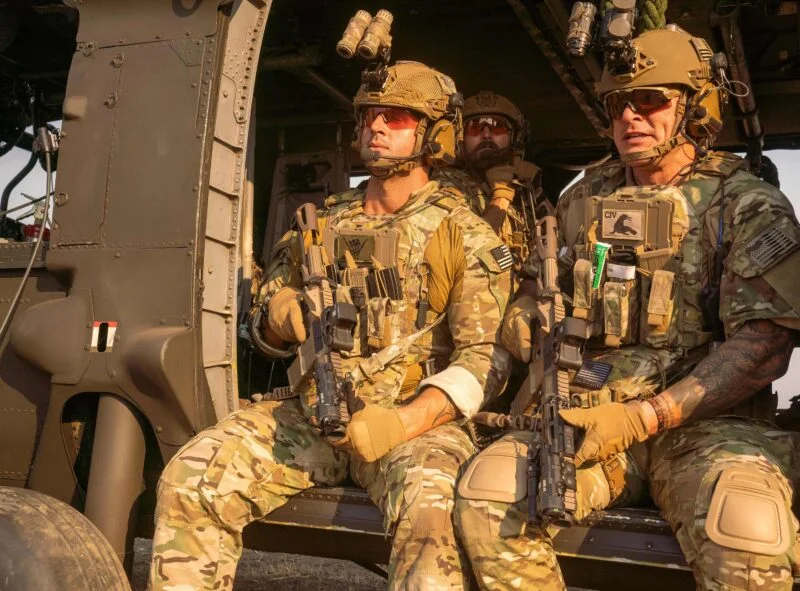
Bump helmets look like plain protective headgear, but they do a whole lot more than one realizes. Whether you’re training with a tactical unit or venturing out for a fun hike or airsoft outing, these helmets can be a lifesaver. Their lightweight, modularity, and comfort make them extremely sought after by professionals and hobbyists alike. Protect your head with the Chase Tactical Bump Helmet today!
What are the Different Types of Helmets?
It’s easy to get confused with all the helmet types out there, but they each serve a specific purpose:
- Bump Helmet: Lightweight, designed for protection against blunt force impacts. Ideal for non-ballistic, high-mobility scenarios like training, climbing, or airsoft.
- Tactical Helmet: A broad category that includes both bump and ballistic helmets. They’re built for military or law enforcement use and often include attachment points for gear.
- Ballistic Helmet: Heavier, reinforced with materials like Kevlar. These are made to stop bullets and shrapnel, commonly used in combat zones. For a full side-by-side breakdown, see our bump helmet vs. ballistic helmet comparison.
- Safety Helmet: Typically used in construction or industrial settings to protect from falling debris or tools. It is not designed for tactical or recreational environments.
Why bump helmets are essential, and what they are made of
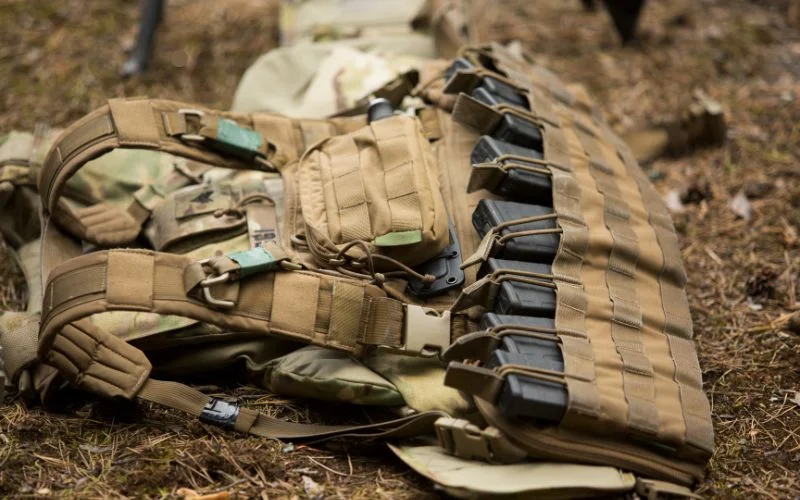
The primary purpose of a bump helmet is to protect the head from impacts, such as falls, bumps, or blunt force, not from bullets. These helmets are especially useful in environments where ballistic protection isn’t necessary, but head safety is still a top concern. They’re commonly used in low-risk tactical training, search and rescue missions, rock climbing, cycling, and airsoft games.
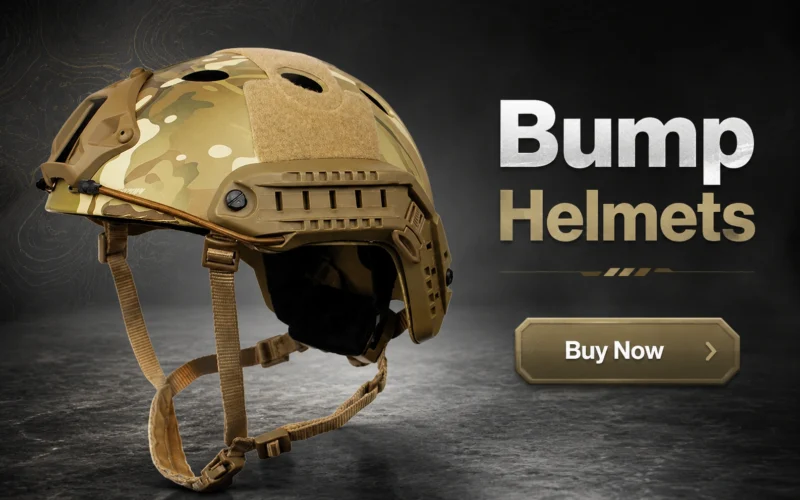
Bump helmets are usually built from a high-density, impact-resistant ABS polymer or carbon-fiber shell and weigh roughly 20 ounces (about 2 lb), far lighter than a ballistic helmet. That low weight reduces neck fatigue on long missions, and ventilation holes improve airflow so the helmet stays breathable in heat. One trade-off worth knowing: ABS shells can develop stress fractures after repeated high-impact drops, especially in cold weather, so they should be inspected and replaced periodically in line with ANSI/ISEA head protection standards.
Why Do Special Forces Use Bump Helmets?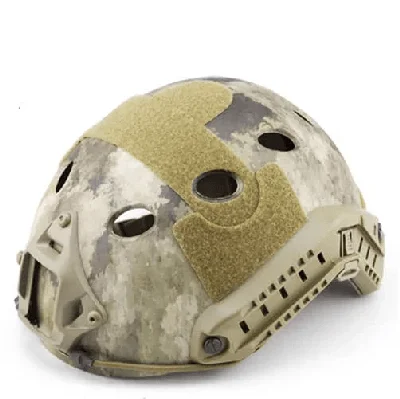
Special operations troops are most often deployed in high-mobility, high-velocity environments, where flexibility, vision, and speed are paramount. Bump helmets support them by offering protection for the head without sacrificing mobility. They are optimally used in training exercises, such as helicopter and urban warfare exercises, or in midnight recon with small ballistic threats, and in the kind of urban tactical operations where a lighter, non-ballistic military bump helmet is enough for the threat level.
Yet another important reason special forces favor bump helmets is their modularity. Most bump helmets already have built-in mounting systems, including NVG (Night Vision Goggle) shrouds and side rails. These enable operators to mount equipment, including communications equipment, infrared markers, flashlights, and cameras, as needed.
Military and Law Enforcement Uses of Bump Helmets
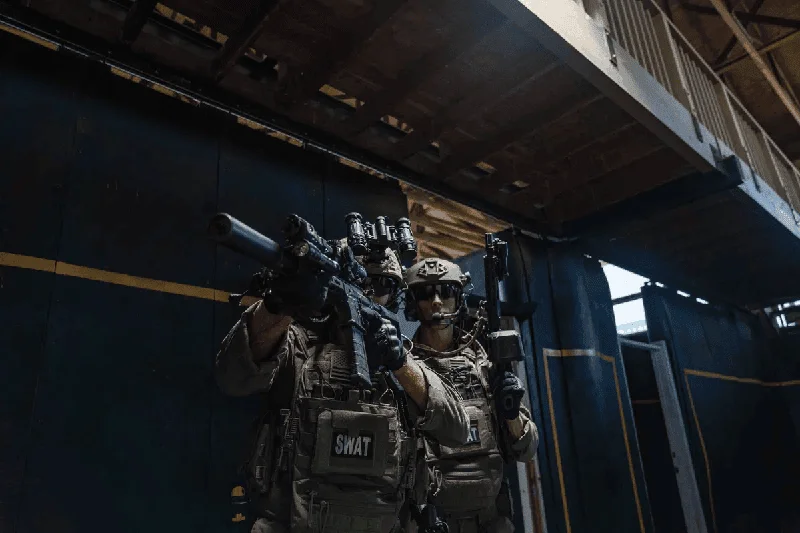
Beyond special operations, a military bump helmet shows up across regular Army, Marine Corps, National Guard, and law enforcement training programs wherever the mission calls for head protection without the weight of a full ballistic setup. Basic training, close-quarters battle drills, and range days are common examples: live rounds usually aren’t part of the exercise, so a lightweight bump helmet covers the realistic risk of falls, low doorways, and equipment strikes.
Law enforcement units use bump helmets in much the same way, particularly for defensive tactics training, active-shooter drills run with simunition instead of live ammunition, and K9 or perimeter work where mobility matters more than ballistic coverage. Departments that already issue ballistic helmets for patrol often keep a separate set of bump helmets on hand just for training, since it extends the service life of the more expensive ballistic gear.
Benefits of Wearing Bump Helmets
Mobility and protection are inextricably linked to tactical operations. Bump helmets provide the head the protection it requires without the additional bulk of ballistic helmets, making them perfect for missions that require quick movement or training. Reducing the risk of traumatic brain injury is a core reason head protection remains essential even in non-ballistic environments.
1. Ideal for Training and Simulation Exercises
The military and police commonly use bump helmets during training exercises. Since most drills don’t use live ammunition, a ballistic helmet isn’t necessary. Bump helmets offer a lightweight and practical option that protects against slips, falls, and bumps, especially in urban settings or obstacle courses.
2. Compatible with Tactical Accessories
Most tactical bump helmets have built-in rails and mounts. This is appropriate for attaching crucial gear, such as:
- Night vision gear
- Helmet cams
- Flashlights
- Communication headsets
- Strobe lights or IR markers
This capability is crucial for nighttime operations or working with large groups. The helmet is now a multi-purpose accessory platform that introduces efficiency without introducing size.
3. Improved Comfort for Extended Missions
Because they’re lightweight and well-ventilated, bump helmets reduce fatigue during long missions. Operators can wear them for hours without feeling weighed down, which is essential when every ounce counts. In humid or hot climates, the airflow also prevents overheating and improves overall comfort. Most also rely on adjustable straps and foam padding built into the suspension system, so the same shell fits a wide range of head sizes without hot spots or slippage.
Recreational Use of Bump Helmets
Bump helmets aren’t just for the battlefield. They’re great for weekend warriors and thrill-seekers too.Whether you’re in an airsoft match, exploring rugged trails, or ziplining through the woods, these helmets keep your head safe from sudden knocks or falls. Their sleek design and versatility also make them a favorite in the outdoor adventure community.
1. Popular in Airsoft and Paintball Games
For airsoft and paintball enthusiasts, bump helmets are more than just protective gear. They’re part of the experience. Players want to look the part while also staying safe. A good bump helmet adds realism and shields the head from minor impacts during fast-paced games.
2. Great for Outdoor Adventure Sports
If mountain biking, rock climbing, or zip-lining is your thing, bump helmets are the way to go for guaranteed head protection. Durable and comfortable, they’re a great option when you’re traveling at high speeds on bumpy terrain. Unlike heavier helmets, they remain snug and secure even through jumps and unexpected turns.
3. Rescue and Emergency Use
Search and rescue personnel, particularly those operating in disaster areas or wilderness settings, rely on bump helmets for their safety. Hazardous falling debris, falling tree branches, and uneven terrain are just a few of the dangers they face. A bump helmet provides essential impact protection without limiting mobility, just what responders require under stressful conditions.
How to Choose the Right Bump Helmet
Finding the best bump helmet for your use case comes down to a few practical factors:
- Purpose first. Match the helmet to the actual risk. Training, airsoft, cycling, and search and rescue call for a bump helmet; any credible risk of gunfire calls for a ballistic helmet instead.
- Fit and retention. Look for adjustable straps and a padded suspension system rather than a fixed liner, so the shell stays level and secure without pressure points during movement.
- Cut and coverage. Bump helmets come in high-cut, mid-cut, and full-cut profiles. Higher cuts leave the ears clear for headsets, while fuller cuts add coverage for rougher terrain.
- Mounting needs. If you plan to run NVGs, a helmet cam, or a light, confirm the helmet has a front shroud and side rails before you buy, not after.
- Shell material. ABS polymer keeps cost down; carbon fiber shaves weight and adds stiffness at a higher price point.
- Price and value. Bump helmets are generally less expensive than ballistic helmets, but price still varies by shell material, harness quality, and included mounting hardware, so weigh those features against the total cost rather than price alone.
Whatever your use case, it’s worth trying a helmet on, or checking a detailed sizing chart, before committing, since fit affects both comfort and how securely accessories stay mounted during movement. Browse the full Chase Tactical bump helmet lineup to compare shell materials, colors, and mounting options side by side.
Conclusion
Bump helmets will not stop bullets, but they’re essential for anyone who needs reliable, lightweight head protection. If you’re a soldier in training, a search-and-rescue worker, or an airsoft player, bump helmets provide the ideal combination of safety, comfort, and functionality. They are shock-absorbing, provide gear mounting, and you can wear them for hours without your head feeling tense.
Frequently Asked Questions
Can a bump helmet stop a bullet?
No, bump helmets are not bulletproof or designed for ballistic protection. They’re made to absorb impact from bumps, falls, or blunt force.
What’s the difference between a bump helmet and a ballistic helmet?
A bump helmet protects against falls, bumps, and blunt force using a lightweight ABS or carbon-fiber shell. A ballistic helmet is heavier and built with materials like Kevlar to stop bullets and shrapnel. Choose based on the actual threat level, not just weight or price.
Are bump helmets good for airsoft?
Absolutely! They provide head protection and allow players to mount accessories, such as cameras or communication gear.
What’s the best material for a bump helmet?
High-density polymers and carbon fiber are commonly used. Both offer durability and lightweight protection.
Can you attach night vision to a bump helmet?
Yes, most tactical bump helmets come with NVG mounts and side rails, making them compatible with night vision gear.
How do I choose the right size bump helmet?
Most bump helmets use an adjustable harness and padded suspension system, so one shell size fits a range of head sizes. Check the brand’s sizing chart, and make sure the retention system tightens evenly around the back and sides of your head for a secure, comfortable fit.
Do bump helmets expire?
While they don’t “expire” like food, materials can degrade over time. Replace your helmet every few years or after a major impact.