







Differences Between Tactical and Standard Firearms

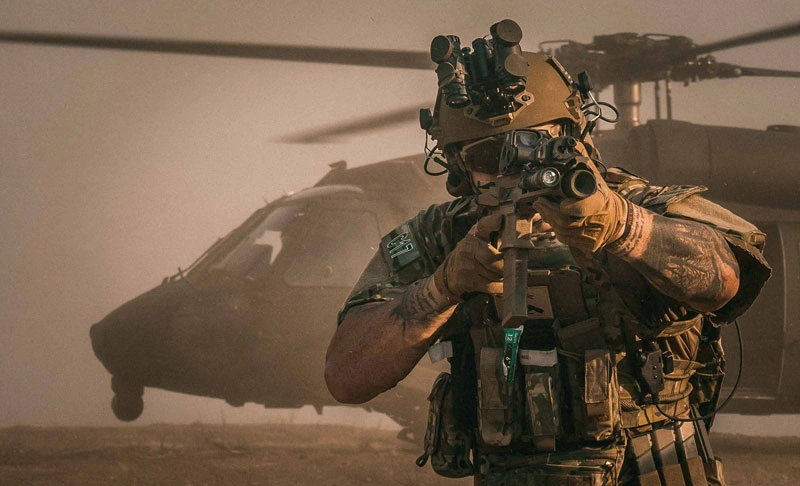
There are different classes of firearms meant for particular functions. Some of the most talked-about classes are tactical firearms and standard firearms. Both classes have their own specifications, features, and purposes. Understanding the distinction between these classes can guide gun enthusiasts, hunters, police officers, and soldiers in choosing the right firearm for their needs. This article covers the primary differences between tactical and regular firearms.
Looking to upgrade your loadout?
Browse Chase Tactical’s full lineup of tactical gear and accessories built for real-world performance.
What Are Tactical Firearms?
Tactical firearms are specifically created for combat, self-defense, and military action. Tactical firearms emphasize maneuverability, accuracy, and ease of use in stressful situations. A tactical firearm typically offers improved capabilities for quick response, stress-shooting accuracy, and flexibility in multiple environments.
Features Of Tactical Firearms

Tactical firearms usually feature advanced capabilities that differentiate them from conventional firearms. Some of the features include:
Picatinny Rails: Picatinny rails enable the mounting of accessories like scopes, lasers, flashlights, and foregrips, thus making the gun more adaptable to combat or defense situations.
Adjustable Stocks: Tactical rifles like the AR-15 come with adjustable stocks that allow for improved adjustment to the shooter’s body type and stance.
High-Quality Optics and Sights: Tactical weapons usually feature high-quality optics and sights, including red dots or scopes, that increase aiming precision during decisive moments.
Higher Capacity Magazines: Tactical weapons usually have larger magazine capacities, meaning more rounds can be shot before a reload is required. This is vital in combat and high-risk engagements.
Durability: Tactical weapons are constructed using tough materials that can endure extreme conditions, including extreme weather, grime, and heavy usage.
Quick Handling: Tactical weapon design focuses on ease of mobility, rapid aiming, and rapid response time. Many shooters also add supporting tactical gear like slings, holsters, and pouches to further speed up handling in the field.
What Are Standard Firearms?
Unlike tactical firearms, standard firearms are made for general use and are usually targeted at recreational shooters, hunters, and those seeking firearms for self-defense. They are usually less complex in design, emphasizing reliability and simplicity over combat preparedness.
Features Of Standard Firearms
Standard firearms are characterized by their simple features. They usually have:
Simple Design: Standard firearms tend to have a more straightforward, classic design. They don’t emphasize accessories or high-end optics, which makes them more accessible to new users.
Fixed Sights: Most firearms use fixed iron sights, which are sufficient for range shooting or self-defense but don’t offer the accuracy of tactical optics.
Standard Magazines: These guns typically come with smaller magazine capacities, which are enough for hunting, sport shooting, or self-defense.
Less Customization: Standard guns have fewer customization options. Although some may permit the addition of scopes or attachments, they are not built to accommodate the variety of accessories found in tactical guns.
Aesthetics Over Functionality: Most standard guns, particularly handguns and hunting rifles, are more concerned with aesthetics and tradition than functional flexibility in tactical situations.
Key Differences Between Tactical And Standard Firearms
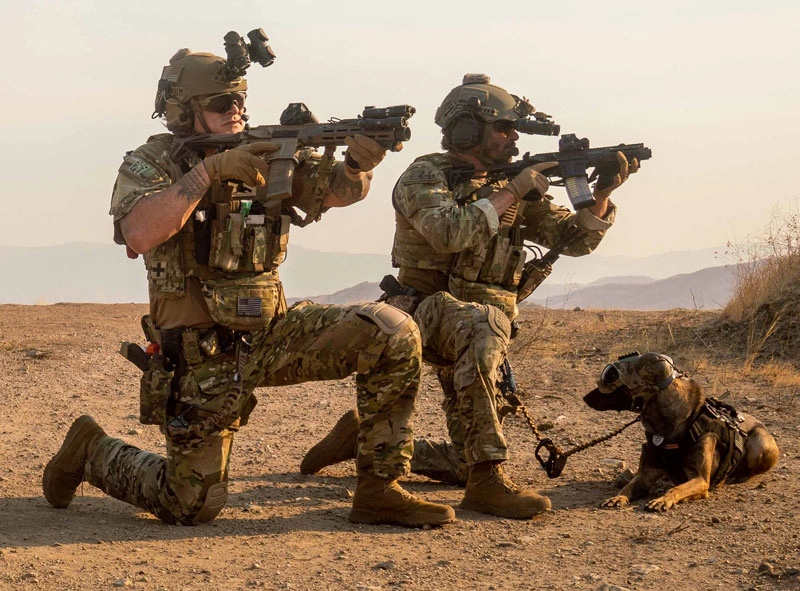
Tactical and conventional firearms have different purposes and are crafted with varying characteristics to address the needs of their unique users. Both are effective and optimized for different operations: tactical firearms are specialized for combat preparedness and responsiveness, while conventional firearms are optimized for general use, such as hunting or sport shooting. Understanding these differences is important when deciding what firearm to use for your purpose.
1. Purpose and Intended Use
The most significant distinction between tactical and conventional firearms is their purpose.
Tactical Firearms: They are designed for high-pressure, real-life situations such as military engagements, law enforcement, or home protection, where versatility and quick reaction are essential. The characteristics promote accuracy, precision, and usability in dynamic, high-risk environments.
Standard Firearms: These are more geared toward hunting, sport shooting, or basic self-defense. While they can be used in defensive scenarios, they are not designed for the precision and rapid action needed in combat.
2. Customization and Accessories
Another significant difference is the ability to modify and accessorize the firearm.
Tactical Firearms: Tactical firearms are unparalleled in adaptability due to their support for attaching diverse accessories. Examples include scopes, flashlights, bipods, grips, and suppressors. Customization improves functionality and personalizes the firearm to users’ needs.
Standard Firearms: Standard firearms lack similar customization opportunities. Although certain accessories, such as scopes, can be fitted to a rifle or shotgun, modifications are typically less extensive than tactical variations.
3. Design and Ergonomics
The design and ergonomics of tactical weapons are engineered for performance, frequently emphasizing elements that enhance fast handling and extended stress endurance.
Tactical Firearms: These weapons are lightweight and engineered to be handled optimally in tactical contexts. They may include adjustable stocks and grips to help users maintain control in high-stress environments.
Standard Firearms: These firearms are for traditional hunting or sporting shooting applications. They are heavier and less ergonomic, with less emphasis on adjustability.
4. Accuracy and Precision
Accuracy is necessary for tactical and standard firearms, but tactical guns are made with extreme precision.
Tactical Firearms: Tactical guns are designed with speed and precision in mind and optimized for rapid, accurate firing. Specialized optics and advanced manufacturing ensure the guns shoot true in demanding, stressful conditions.
Standard Firearms: Standard guns are highly precise but tend not to be built with the same precision as tactical models. Most standard guns utilize typical iron sights or rudimentary optics.
5. Firepower and Magazine Capacity
Firepower and magazine capacity are significant areas of differentiation.
Tactical Firearms: These weapons typically have higher-capacity magazines, often holding anywhere from 20 to 30 rounds (or more). This makes them suitable for combat situations where sustained fire is necessary.
Standard Firearms: Standard firearms generally have lower-capacity magazines, typically holding between 5 and 10 rounds. These weapons are designed for hunting and shooting scenarios where high-capacity magazines are not as essential.
Ready to build your setup?
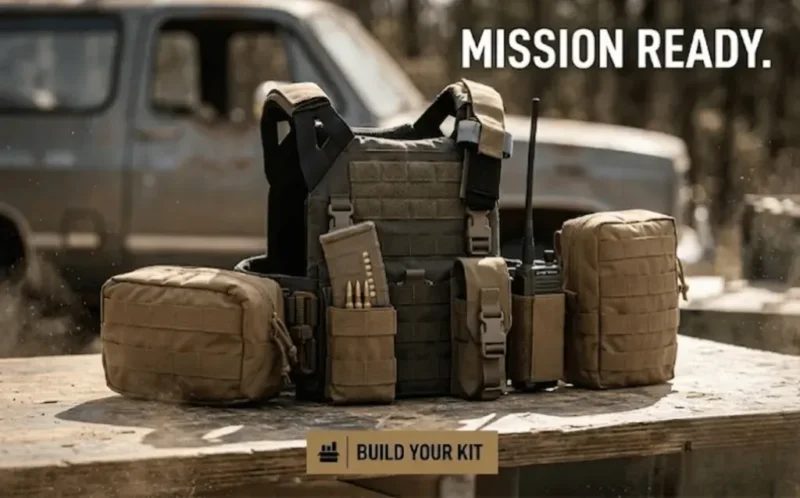
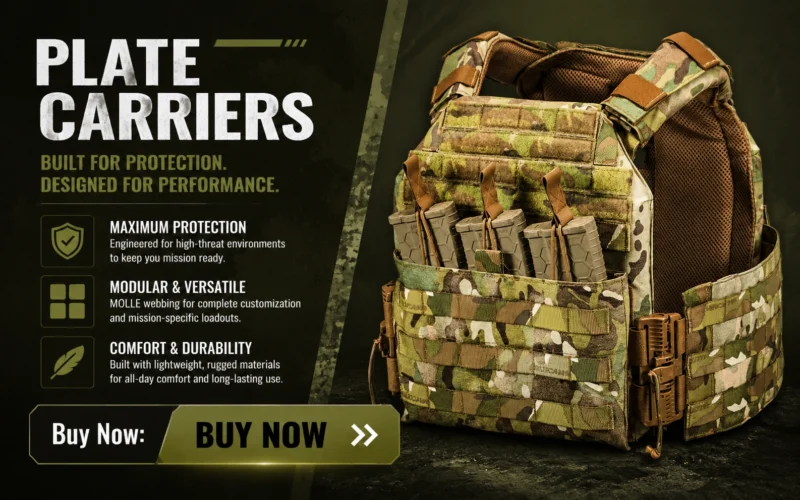
Check out our plate carriers and chest rigs, designed for tactical-grade durability and quick response.
Choosing Between Tactical And Standard Firearms

Choosing the right firearm depends on your requirements. Here are a few things to keep in mind:
- If you’re military or police, a tactical gun is probably the way to go, as it’s designed for the extreme requirements of those professions.
- For the self-defense enthusiast, both tactical and standard weapons can be used to their advantage, but tactical weapons might be more customizable and quicker on the draw.
- Hunters will likely use standard weapons, especially rifles and shotguns, for field accuracy and reliability.
- Sport shooters will probably use standard weapons because they are easy to use, while more skilled marksmen will find tactical rifles or handguns better suited for target shooting.
Conclusion
Tactical firearms are designed for high-pressure situations requiring quick response, versatility, and high-performance capabilities. On the other hand, standard firearms are standardized for everyday use, aiming to be simple, reliable, and accurate for tasks such as hunting and sport shooting. It all depends on how you plan to use the firearm, as both have pros and cons.
Frequently Asked Questions
Can a regular firearm be utilized tactically?
Yes, a regular firearm can be used tactically, but it will not have the accessories, magazine size, and precision capabilities of tactical firearms.
Are tactical firearms more difficult to use than regular firearms?
Tactical guns usually have features intended for advanced users. Nevertheless, most tactical guns, including AR-15 rifles, are made to be easy to use for beginners and advanced shooters alike.
Are tactical guns longer-lasting than regular guns?
Tactical guns tend to be constructed with tougher materials and greater durability, which makes them ideal for harsh conditions. Although both can last long if well maintained, tactical guns are more durable under extreme conditions.
Are tactical firearms legal for civilians?
Many tactical firearm features, such as adjustable stocks, rails, and semi-automatic actions, are legal for civilians to own, though specific rules vary by state and federal law. Some features and configurations are restricted or prohibited depending on local regulations, so it’s worth checking your state’s requirements before purchasing.
What calibers are common in tactical firearms?
Common calibers for tactical rifles include 5.56mm NATO and .223 Remington, while 9mm is standard for tactical handguns. The right caliber depends on the intended use, whether that’s home defense, duty carry, or range training.