







Trends In Tactical Gear For 2025: What’s Hot And What’s Not


As you explore the evolving landscape of tactical gear for 2025, you’ll notice a significant shift toward versatility and advanced technology integration. Gear made from materials like Cordura and nylon, along with modular systems for customization, is leading the pack. Additionally, the focus on environmental sustainability and eco-friendly materials is more prominent than ever. However, outdated features such as rigid configurations and a lack of tech integration are quickly falling out of favor. Are you curious about the latest innovations and what you should steer clear of? Let’s unpack the details and examine how these trends may influence your decisions.
Gear up with premium tactical equipment—shop now at Chase Tactical.
What Is the Latest Trend in Tactical Gear for Professionals?
The latest trend in tactical gear for professionals is the focus on versatility and advanced technology. Gear that integrates technology, such as smart fabrics and wearable devices, is revolutionizing how professionals in law enforcement, the military, and security operate. These innovations enhance performance monitoring and situational awareness, offering tactical advantages during missions. Additionally, customization remains a major driver, as MOLLE systems enable users to tailor their gear to specific tasks and requirements.
8 Trends In Tactical Gear For 2025
As we move into 2025, tactical gear is rapidly evolving with innovations tailored to meet the needs of military personnel, law enforcement, outdoor enthusiasts, and even urban professionals. This year’s trends focus on technological integration, enhanced modularity, and the pursuit of sustainable designs. Here’s an in-depth look at the latest must-have tactical gear trends for 2025.
1. Advanced Materials And Lightweight Durability
One of the standout trends in 2025 is the growing use of advanced, lightweight materials. Tactical gear is now being made with cutting-edge fabrics, such as Cordura and Ripstop nylon, designed to offer superior tear resistance and abrasion protection while maintaining a low overall weight. These materials are particularly beneficial in harsh environments where durability and mobility are equally essential.
In addition to the robust fabric choices, many tactical products now incorporate features such as moisture-wicking and antimicrobial properties. This ensures comfort and hygiene even during prolonged missions in extreme climates. Users can now rely on gear that performs under pressure while minimizing fatigue from carrying excessive weight.
2. Modularity And Customization
In 2025, tactical gear will be more customizable than ever. Modular designs enable users to tailor their equipment to specific missions or needs. For example, modular backpacks with MOLLE systems provide the flexibility to attach or detach pouches, gear, and accessories as required. This enables operators to carry only the essentials while maintaining the ability to expand their loadout when needed.
This trend is especially prevalent among law enforcement and military personnel who must quickly adapt their gear to different operational environments. However, it has also gained traction among outdoor enthusiasts who appreciate the versatility of modular systems for hiking, camping, or other adventures.
3. Wearable Technology And Smart Fabrics
One of the most exciting advancements in tactical gear is the integration of wearable technology and smart fabrics. In 2025, military and law enforcement units will increasingly utilize wearable devices, such as fitness trackers and smartwatches, to monitor real-time physical performance and health metrics. These devices track heart rate, hydration levels, fatigue, and mental focus, providing commanders and operators with invaluable data.
Additionally, smart fabrics are used in tactical clothing to monitor vitals, adjust temperature, or provide ballistic protection. This technology revolutionizes how military and tactical teams operate, providing enhanced awareness and improved decision-making capabilities in the field.
4. Discreet And Covert Tactical Gear
Urban tactical gear is making a big splash in 2025. As more people incorporate tactical functionality into their everyday lives, discreet tactical gear has become increasingly popular. From tactical backpacks with concealed carry compartments to low-profile clothing incorporating tactical features, urban survivalists and professionals can seamlessly blend into city environments while fully prepared.
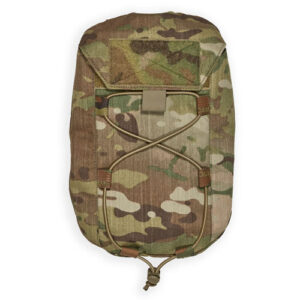
This trend appeals to professionals, such as plainclothes officers and civilians, who appreciate the functionality of tactical gear without the overtly military aesthetic. Discreet tactical products allow users to carry critical tools, weapons, or first-aid supplies without drawing unwanted attention.
5. Sustainability And Eco-Friendly Designs
Sustainability is becoming a critical consideration in the tactical gear industry. Many manufacturers are transitioning to more environmentally friendly production methods and materials. Recycled fabrics, environmentally conscious manufacturing processes, and long-lasting, durable designs will contribute to a more sustainable tactical gear market in 2025.
This growing trend meets the demands of environmentally-conscious consumers and aligns with the tactical industry’s broader focus on efficiency and innovation. Gear that lasts longer and performs better is less wasteful, reinforcing the commitment to sustainability without sacrificing functionality.
6. Enhanced Load-Bearing Equipment
Another trend shaping the tactical gear market in 2025 is the advancement of load-bearing equipment and technology. Tactical backpacks, belts, and vests are designed with improved ergonomics to distribute weight more evenly across the body, reducing fatigue during long missions. Modern tactical backpacks, for instance, feature customizable compartments, load-bearing frames, and more durable construction to handle large payloads, including weapons, helmets, and other critical gear.
These enhancements make it easier for military personnel, law enforcement, and outdoor enthusiasts to carry their gear over longer distances without sacrificing mobility or comfort.
7. First-Aid And Medical Gear
Medical readiness is also a growing focus in the development of tactical gear. Individual First Aid Kits (IFAKs) have become a staple of tactical setups, providing quick and easy access to medical supplies in emergencies. In 2025, manufacturers are producing more compact, durable, and user-friendly first-aid kits that integrate seamlessly into tactical chest rigs and backpacks.
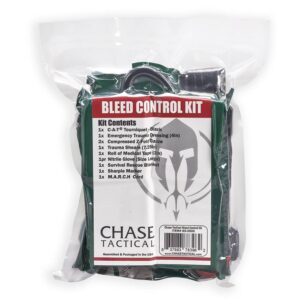
Providing immediate medical care in the field is essential for military operations. Still, it is also becoming increasingly important for outdoor enthusiasts who may find themselves in remote areas without immediate access to professional medical help.
8. Tactical Helmet Accessories: Innovations for 2025
The latest trends in tactical helmet accessories focus on versatility and enhanced functionality. This year, we’re seeing the integration of helmet-mounted cameras, night vision optics, and communication systems. These additions ensure that professionals have better visibility and connectivity in challenging environments. Additionally, many tactical helmets now feature advanced padding systems for enhanced comfort and protection, while customizable rails enable users to attach additional gear as needed.
Conclusion
To stay ahead in the 2025 tactical gear landscape, focus on versatile, lightweight, and tech-integrated options. Don’t overlook sun protection apparel, functional outdoor pants, utility jackets, and advanced tactical packs. Steer clear of outdated, inflexible gear that lacks customization and technology. Stay informed and make informed choices to meet the demands of modern tactical challenges.
Frequently Asked Questions
What Tactical Gear To Buy?
For gear recommendations, consider modular tactical gear with MOLLE systems for customization. Look for lightweight, durable materials like Cordura. Integrated tech for communication and GPS is essential. Modernized firearms and PDWs offer enhanced defensive performance.
What are the latest trends in tactical helmet accessories?
The latest trends in tactical helmet accessories focus on enhancing functionality and comfort. This includes the integration of helmet-mounted cameras, night vision optics, communication systems, and customizable rails for attaching additional gear. Improved padding systems and adjustable fit features are also becoming increasingly common, providing better protection and comfort during extended use.
Can Civilians Wear Tactical Gear?
Yes, you can wear tactical gear as a civilian. Be mindful of the legal considerations in your area. Tactical gear provides enhanced functionality, durability, and comfort, making it an ideal choice for various activities and personal defense.
Why Do People Wear Tactical Clothing?
You wear tactical clothing for personal protection, functionality, and comfort. It enhances your performance in challenging environments by offering durability, multiple pockets, and ergonomic fits, ensuring you’re prepared and ready for various outdoor or professional tasks.
What Does Tactical Gear Consist Of?
Tactical gear comprises various components, including backpacks, vests, belts, holsters, pouches, gloves, helmets, and protective eyewear. These gear components are designed for durability, functionality, and versatility to meet demanding missions and environments.