

Top Plate Carrier Choices to Maximize Efficiency

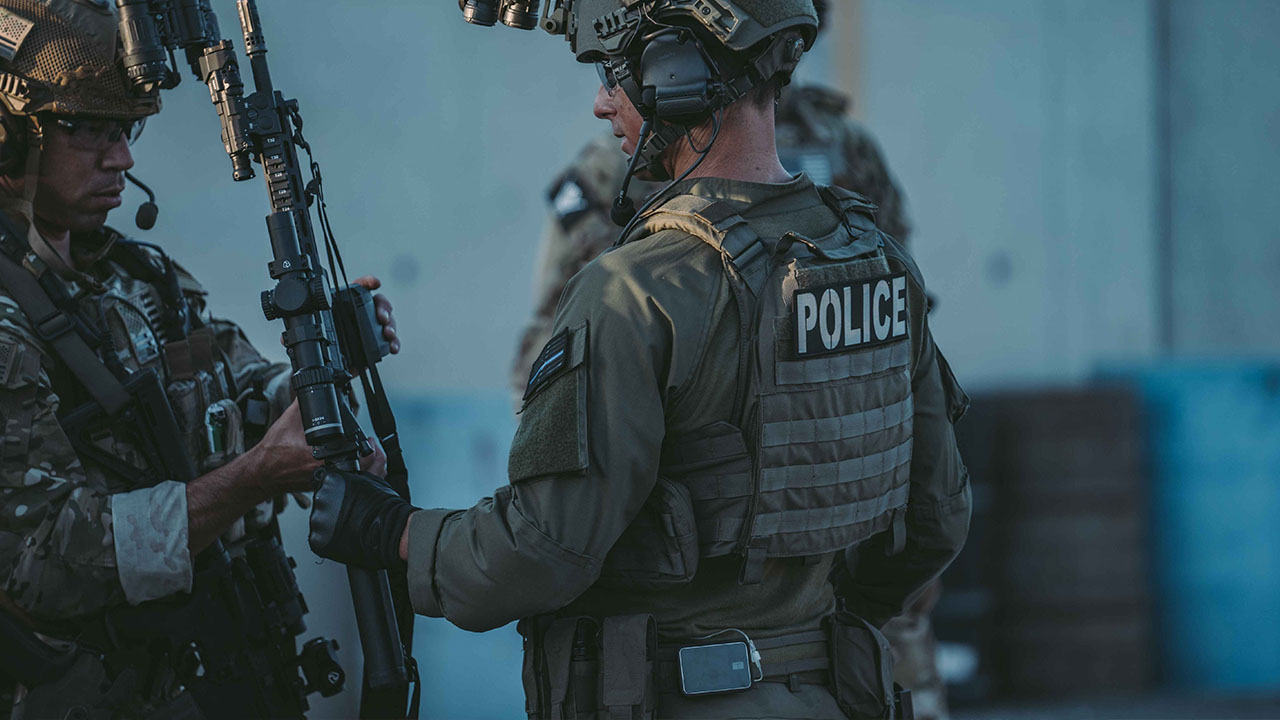
A good plate carrier changes how you work. It keeps your plates in the right place, spreads the load across your shoulders and torso, and puts your gear where your hands expect it. The best plate carriers do that without adding bulk, so you move faster and tire later. This guide compares the main types of tactical plate carrier and shows how the four Chase Tactical carriers differ, so you can match one to your job, your plates, and your gear load.
If you want a deeper walkthrough of sizing and plate cuts, see our guide on how to choose a plate carrier. If you want to start with a single carrier that is easy to wear, the Lightweight Operational Plate Carrier (LOPC) is a good place to begin.
What Is a Plate Carrier?
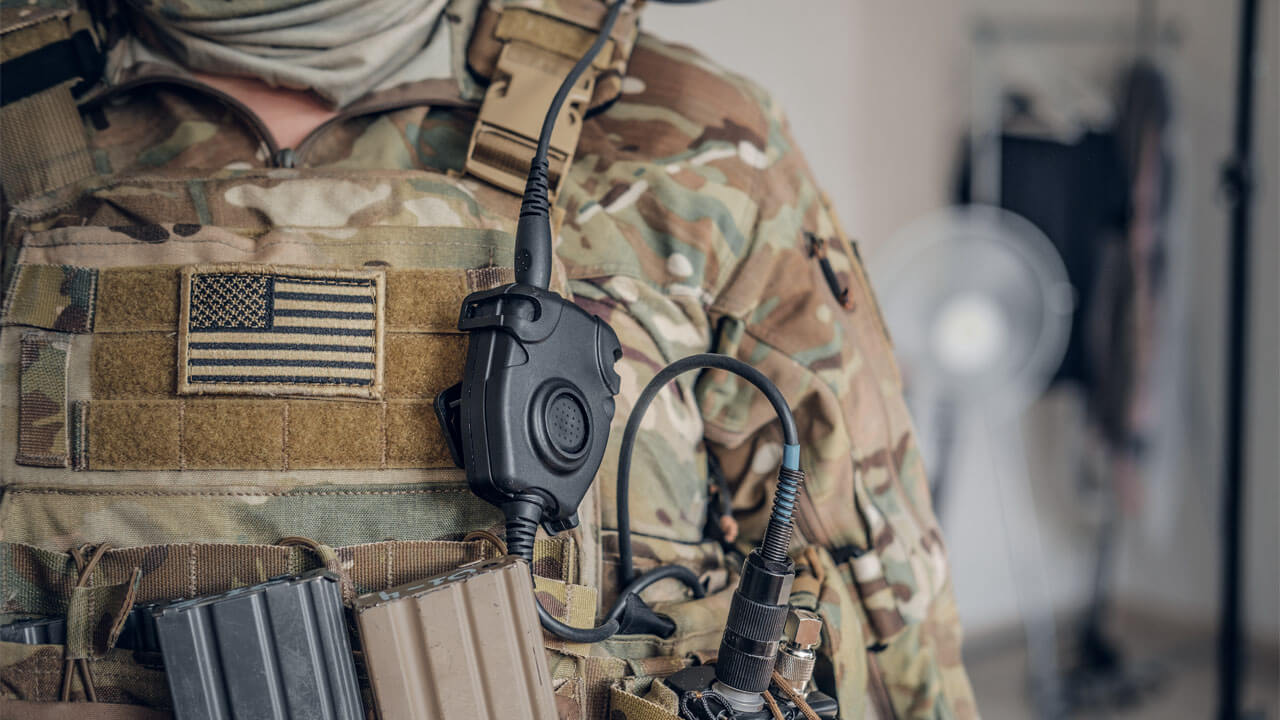
A plate carrier is a vest-like piece of protective gear that holds hard armor plates over your vital organs. Military and law enforcement personnel use plate carriers to carry ballistic plates for protection against gunfire, and first responders and civilians who need personal protection use them too. A good one is durable yet light enough to wear for long periods.
It is more than a plate holder. A well-chosen carrier also decides how comfortable you are and how well you can carry your gear in the field. The best CT plate carrier is ultimately the one that feels comfortable to wear and gives you the best options for carrying your equipment, like the Chase Tactical Low Visibility Plate Carrier.
Why a Plate Carrier Matters for Your Defense Needs
A plate carrier holds ballistic plates to protect vital areas from high-impact threats. Customizable carriers have adjustable straps, padded shoulder pads, and attachment points for ammunition and tactical equipment. The carrier itself does not stop bullets, so the plates you load into it set your level of protection.
Choosing the right size, fit, and features gets the most out of your carrier. Whether you pick one for operator performance or for heavy-duty defense use, durability and comfort come first. For a full list of the parts that make up a carrier, see our overview of plate carrier components and setup.
Common Types of Plate Carriers
Plate carriers come in several styles, and each one is designed for specific needs and preferences. These are the most common types.
1. Tactical Plate Carriers
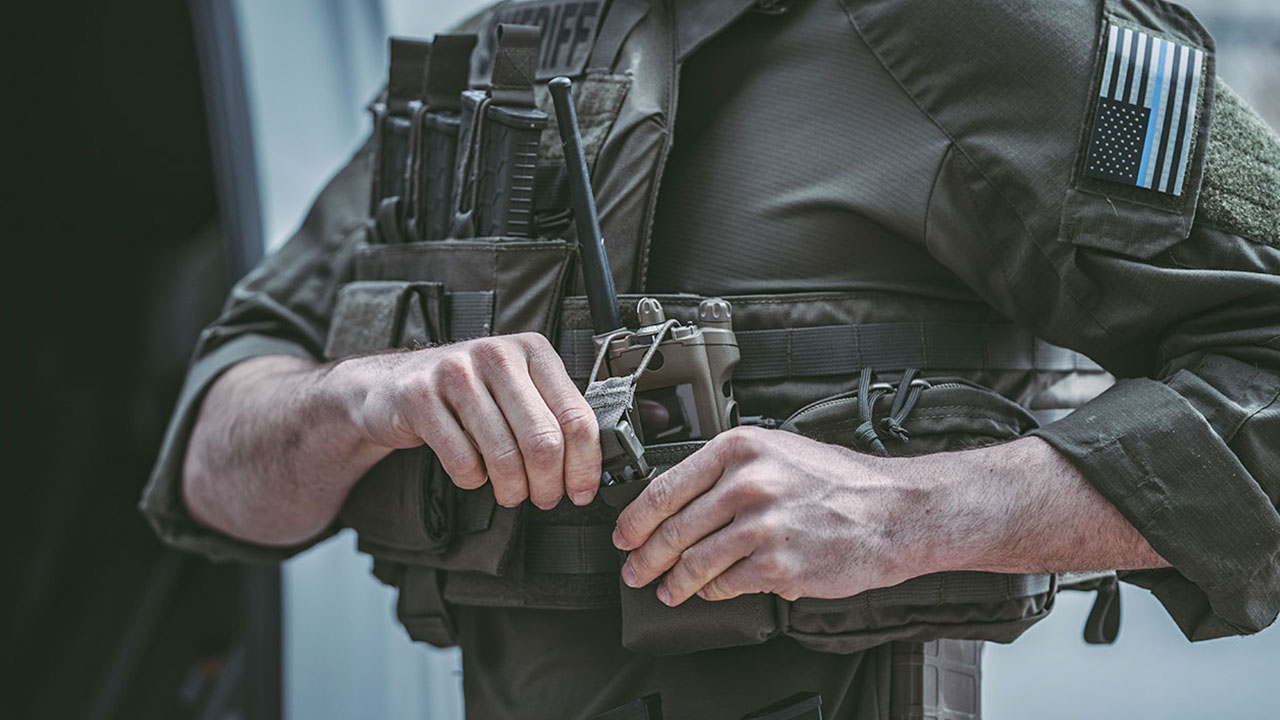
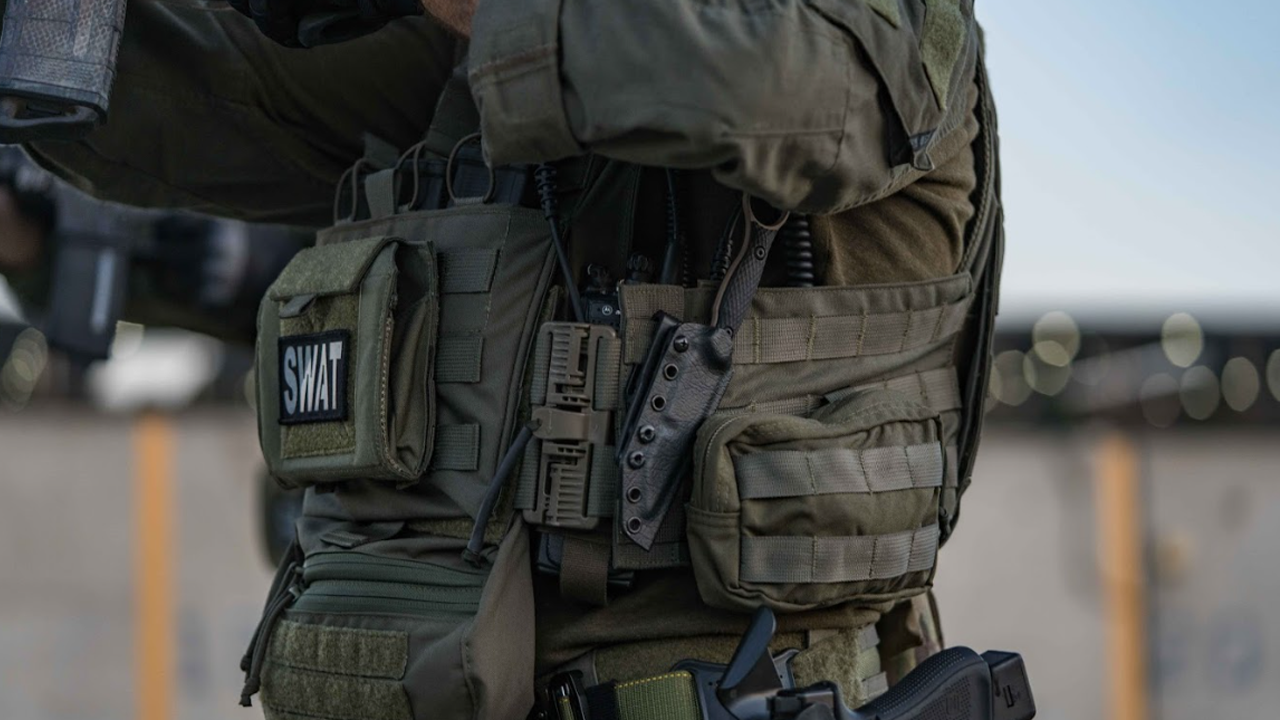
These are built for combat or law enforcement use and provide maximum protection and durability. They often have large amounts of MOLLE webbing for securing pouches, radios, and hydration bladders.
Best suited for high-risk missions, they offer complete coverage and carry heavy ballistic plates.
2. Lightweight Plate Carriers
Designed for agility and speed, these carriers cut bulk while still holding armor plates. They suit situations where maneuverability matters more than heavy load capacity. Although lighter, they keep a minimum of modularity and comfort for long wear.
3. Low-Profile Plate Carriers
These are thin, minimalist carriers worn under clothing or in concealed situations. They trade modularity for stealth, which makes them a fit for plainclothes work. Low-profile as they are, they can still hold soft or hard armor plates. Our comparison of low-profile and full tactical plate carriers covers the trade-offs in detail.
4. Modular Plate Carriers
Modular carriers are extremely adaptable, with removable panels, cummerbunds, and adjustable mounts. Users can change the configuration to suit the mission, whether that means medical equipment, ammunition, or tools. This flexibility has made them a popular choice among military and tactical operators. Our guide to a complete tactical loadout shows how these pieces fit together.
5. Female-Specific Plate Carriers
These are designed to fit the female body shape for better comfort and performance. They provide better plate positioning, weight distribution, and movement with use. The design minimizes fatigue and pressure points, particularly during longer missions.
The right type depends on the mission, the environment, and your own preferences. New materials and designs keep changing what is available, so check the current specs on any carrier you consider.

Chase Tactical Plate Carrier Choices

Chase Tactical Quick Response Plate Carrier (QRC)
The most the most functional and robust Quick Response Plate Carrier (QRC).
This guide compares four Chase Tactical plate carriers, and all four are built from Mil-Spec IR-treated 500D Cordura. They differ in weight, plate fit, and how much room they give you for gear. Here is how each one is built and who it suits.
Low-Vis Plate Carrier Elite (LVPC-E) for Concealment
The LVPC-E is a low-profile, slick carrier built for low visibility and concealment. It weighs 1.25 lbs and takes 10 x 12 inch shooter and swimmer cut plates, including SAPI S and M sizes. The removable cummerbund has three internal pouches on each side that can hold rifle magazines, tourniquets, or radios. Choose it when staying out of sight matters most.
Lightweight Operational Plate Carrier (LOPC) for Everyday Wear
The LOPC weighs 2.00 lbs and fits 10 x 12 inch shooter, swimmer, and SAPI S and M plates in one size. It has padded, fully adjustable shoulder straps, spacer mesh inside for breathability, and a removable cummerbund with MOLLE webbing on the inside and outside. A large hook-and-loop panel on the front takes placards. It suits long days, training, and first-time buyers, and our guide to the best plate carrier for beginners explains why.
Quick Response Plate Carrier (QRC) for Fast Donning
The QRC is a minimalist, lightweight carrier designed to be put on quickly. It weighs 2.5 lbs and comes in Regular for 10 x 12 inch plates and X-Large for 11 x 14 inch plates. It has front and rear MOLLE webbing, adjustable 2 inch shoulder straps, a waist strap with quick release buckles, and a drag handle. It fits rapid response, entries, and home defense.
Modular Enhanced Armor Plate Carrier (MEAC) for Changing Setups
The MEAC is a lightweight modular carrier for setups that change between missions. It weighs 2.5 lbs and comes in Regular for 10 x 12 inch plates and XL for 11 x 14 inch plates. A triple magazine panel with the standard Triple Kangaroo 5.56 mag insert sits on the front, and the internal triple 5.56 mag pouch can double as an admin pouch. The cummerbund is removable, so you can reconfigure the carrier as needs change.
How to Choose a Top Plate Carrier for Your Use
Start with how you will wear it, then match the carrier to that job. These pairings follow the stated purpose of each Chase Tactical carrier.
- Concealment or plainclothes work: the LVPC-E, because it is slick and low profile.
- Long shifts and training: the LOPC, because of its padded straps, spacer mesh, and 2.00 lb weight. Our duty guide to the best plate carrier for law enforcement covers what officers should look for.
- Rapid response: the QRC, because it is designed to be put on fast.
- Changing missions: the MEAC, because it offers the most room to reconfigure pouches.
Plates are a separate decision. Chase Tactical sells Level IV rifle plates such as the 4S17M Level IV rifle armor plate, so match the plate size to the carrier size before you order.
What Size Plate Carrier Do You Need?
Plate carrier size is really plate size. Pick the plate size first, then choose a carrier built to hold it. On all four Chase Tactical carriers, the Regular size takes 10 x 12 inch plates, which is the size most buyers need. The QRC and MEAC also come in an extra large size for 11 x 14 inch plates, which the QRC page calls the most uncommon size. The LOPC is a single size that fits most users, so there is no small or medium to choose.
Plate cut matters as much as size. Full cut plates give the most coverage. Shooter cut plates have angled upper corners, which makes them smaller and lighter while still protecting the vital area for most users. Swimmer cut plates are the lightest and most minimal option and favor mobility and speed. The carrier should hold the plate flat, with the top edge sitting high enough on your chest that you can slide about two fingers between the plate and your collarbone.
- 10 x 12 inch Regular: LVPC-E, LOPC, QRC, and MEAC, in shooter, swimmer, and SAPI S and M cuts.
- 11 x 14 inch XL: QRC and MEAC only.
- Adjustment: shoulder straps and the cummerbund fine tune the fit once the plates are in.
Plates for Your Plate Carrier: Level III, IIIA, and Level IV
A carrier is only half of a body armor setup. The armor plates you load into it set the protection level, so plan the plates and the carrier together. Soft armor rated Level IIIA is made for handgun rounds, and hard plates rated Level III, III+, or IV are made for rifle rounds. Always read the rating on the plate listing, and look for NIJ certification on the plates you buy.
Chase Tactical sells hard body armor rifle plates separately. The 4S17M Level IV rifle armor plate is listed as NIJ 0101.06 certified, DEA compliant, and multi curve, and it works as a stand alone plate. If you want one order for both parts, the LOPC Active Shooter Kit pairs the carrier with two Level IV 10 x 12 inch shooter cut plates.
Material changes weight. Ceramic plates can be rated Level IV, which steel plates cannot reach, and they carry less weight for the same level of protection. Our comparison of ceramic and steel armor plates goes through the trade-offs, including how each one behaves after a hit.
Best Minimalist and Quick-Donning Plate Carriers
If you want the least bulk, two carriers in this lineup stand out. The LVPC-E is the slim option at 1.25 lbs, with a slick front, a large hook-and-loop panel for placards, and adjustable shoulders. The QRC is the minimalist option built for speed, with a waist strap that has quick release buckles and a drag handle that secures down when you do not need it. Both come in Black, Coyote, MultiCam, and Ranger Green, so you can match your clothing or your team.
Trade-offs are simple. A thinner carrier holds fewer pouches, so decide which items must sit on your chest and which can ride on a belt or in a pack. Our guide to plate carrier setups for different environments shows how to adjust a minimal setup for close quarters, woodland, and other settings.
Best Plate Carriers for Law Enforcement, Military, and Civilians
The same carrier can serve different users, but each group puts weight on different features. Use these notes to shortlist the best plate carriers for 2026 by role.
Law Enforcement Officers and First Responders
Duty use rewards comfort and fast access. The LOPC has padded, fully adjustable shoulder straps, a lightweight breathable mesh cummerbund, and a removable MOLLE clip placard that holds front-worn gear. The tops of the shoulder straps have nylon and elastic webbing for routing items such as tourniquets, hydration tubes, radio antennas, and comm wires, which keeps the chest area clear.
Military and Combat Use
Military plate carriers focus on plate compatibility, load capacity, and durability. The QRC takes SAPI S and M plates and has front and rear MOLLE webbing, and the MEAC adds a triple magazine panel for rifle magazines. For a look at what the Army issues, read our guide to what plate carrier the Army uses and our overview of Army plate carriers for civilians.
Civilian Plate Carriers
Civilians buy a carrier for home defense, training, or preparedness. The QRC is designed to go on quickly for home defense, and the LVPC-E can be worn with concealment in mind. Whichever you pick, buy plates from a source that lists the certification, and size the carrier to fit you before you load it with gear.
How a Plate Carrier Vest Improves Efficiency
The best plate carrier vest improves efficiency in several ways. First, it lets you carry essential items conveniently, so you reach for gear less often. Second, a well-designed carrier spreads weight better, which reduces fatigue and builds endurance. Finally, the right tactical vest with plates keeps you mobile, so you can move quickly even in challenging environments.
Factors to Consider in Your Plate Carrier Setup
When you build a plate carrier setup, weigh four things: weight, fit, modularity, and storage. Weight affects your mobility and endurance. A good fit means the carrier does not interfere with your movement, and fully adjustable shoulder straps and a cummerbund help you reach it.
Modularity lets you customize the carrier for your needs, and enough storage means you can carry your gear efficiently. Padded plate carrier shoulder pads add comfort for heavy loads, and plate carrier accessories such as pouches and hydration systems finish the setup. For help matching attachments to your webbing, see our guide to MOLLE-compatible plate carriers.
Does Your Plate Carrier Need to Be Customized?
Not at first. A basic setup is enough to start: the carrier, a front and back plate, and one or two magazine pouches. Customize only when your role calls for more. Common additions are a medical kit and tourniquet you can reach with either hand, a radio pouch if you work with a team, and a hydration pouch for long days. Add them one at a time and wear the carrier loaded before you add more.
MOLLE webbing, also called PALS, makes this easy because pouches weave into the grid and stay put. The LOPC and QRC have MOLLE webbing, and hook-and-loop panels hold placards and patches on the front. The checklist in our plate carrier essentials guide lists what a full setup includes.
Why Choose a Chase Tactical Plate Carrier?
If you are comparing the Chase Tactical plate carrier lineup with other options, these are the facts on the product pages. All four carriers use Mil-Spec IR-treated 500D Cordura, and the fabrics, webbing, and plastic hardware are treated for a low infrared signature. Construction is bar-tacked and reverse-stitched for durability. Each carrier is covered by a limited lifetime warranty, with some products excluded, so read the warranty terms before you buy.
Chase Tactical describes itself as a veteran-owned, service-disabled small business, and its product pages list the carriers as US-made. Each carrier ships in Black, Coyote, MultiCam, and Ranger Green. Before you buy, check the plate size, the cut, and the stock status on the product page you choose.
Bottom Line
The top plate carrier is the one that fits your body, holds your plates, and carries your gear where you need it. Weigh adjustability, loadout options, and your specific use, whether that is duty, training, or home defense. Look for adjustable shoulder straps and a cummerbund for a secure fit, and for pouches or MOLLE space that match the gear you carry. If you want to compare the carriers side by side, the LVPC-E, LOPC, QRC, and MEAC cover concealment, lightweight wear, rapid response, and modular use.
Frequently Asked Questions
What is a tactical plate carrier?
A tactical plate carrier is a vest-style piece of gear that holds hard armor plates against your chest and back. It has adjustable shoulder straps and a cummerbund for fit, and most carriers add MOLLE webbing or hook-and-loop panels for pouches and placards.
What is the best plate carrier?
The best plate carrier is the one that matches how you will use it. For low visibility and concealment, the LVPC-E is built for that job. For lighter weight and everyday wear, the LOPC is the match. For fast donning, the QRC is designed for rapid response, and for setups that change from mission to mission, the MEAC offers the most modular layout.
Are plate carriers bulletproof?
No. A plate carrier by itself does not stop bullets. It only holds the plates that do. Protection comes from the ballistic plates you load into it, and every plate is rated to stop certain threats up to a stated level. The more accurate term is bullet-resistant, because no armor is bulletproof.
What size plates fit a plate carrier?
It depends on the carrier. The Chase Tactical LVPC-E and LOPC take 10 x 12 inch plates in shooter, swimmer, and SAPI S and M cuts. The QRC and MEAC come in a Regular size for 10 x 12 inch plates and an extra large size for 11 x 14 inch plates. Check the plate size on the product page before you buy plates.
What features should I look for in a law enforcement plate carrier?
Look for adjustable padded shoulder straps, a cummerbund that fits over a duty belt and radio, and quick access to your gear from the front. MOLLE webbing or hook-and-loop panels let you place magazines, a medical kit, and a radio where you reach them fastest. Weight matters on a full shift, so pick a carrier you can wear comfortably for hours.
What is the most comfortable plate carrier?
Comfort comes down to fit and padding. The LOPC has built-in padded, fully adjustable shoulder straps and breathable spacer mesh inside, with a removable cummerbund. The best test is to size it to your torso and wear it loaded, because a carrier that fits well feels lighter than one that does not.
Do plate carriers come with plates?
A carrier is sold as the carrier, and plates are chosen separately so you can match the plate level and cut to your needs. Chase Tactical also offers active shooter kits that pair a carrier with Level IV armor plates, such as the LOPC Active Shooter Kit, so you can buy both together.
Where can I buy a plate carrier?
You can buy a plate carrier from Chase Tactical. The carrier lineup covers low visibility, lightweight, quick response, and modular use, and the same store carries plates, pouches, and other accessories to complete the setup.
Is Chase Tactical legit?
Chase Tactical is a veteran-owned, service-disabled small business that sells plate carriers, armor plates, and tactical gear online. Its product pages list the carrier specs, plate sizes, materials, and the limited lifetime warranty, so you can check the details before you buy. As with any armor purchase, confirm the plate rating and certification on the listing.
Does my plate carrier need to be customized?
No. A basic setup of a carrier, front and back plates, and a magazine pouch or two is enough to start. Add a medical kit, a radio pouch, or a hydration pouch only when your role needs them, and wear the carrier loaded before you add more.