






The Role of Hemostatic Agents in Your IFAK Kit

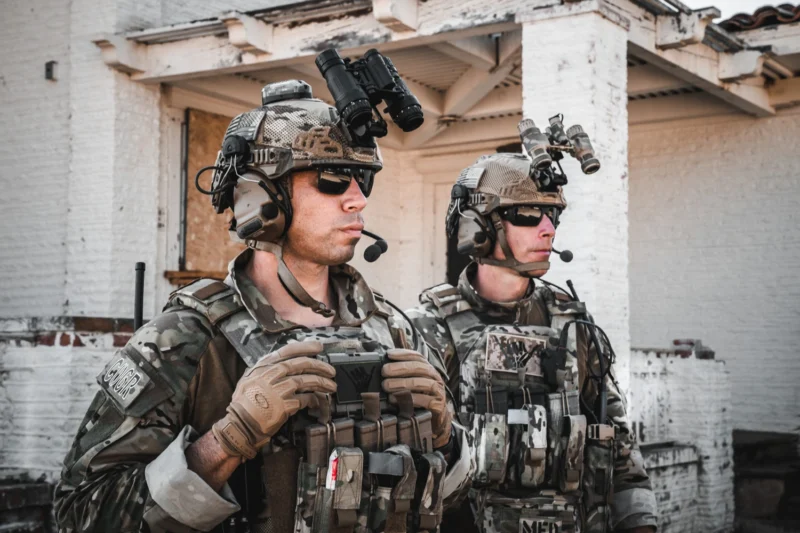
In any emergency, especially in tactical, combat, or remote environments, having the right tools in your Individual First Aid Kit (IFAK) can mean the difference between life and death. One of the most critical components of a well-stocked IFAK is the hemostatic agent. These life-saving substances are designed to stop bleeding quickly, giving victims a better chance of survival until they can reach definitive care.
Let’s explore what hemostatic agents are, why they’re so important in tactical operations, and how they play a vital role in your IFAK kit. When every second counts, make sure your IFAK gear won’t let you down.
What Are Hemostatic Agents in Your IFAK Kit?
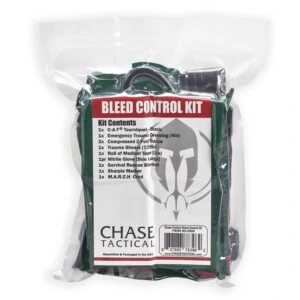
Hemostatic agents are specialized materials used to stop or control severe bleeding, especially from wounds where pressure alone is insufficient. They work by accelerating the body’s natural clotting process or by creating a physical barrier to block blood loss.
Understanding what these agents are is the first step in recognizing their vital role in your emergency response gear. Once you know how hemostasis functions, you can better appreciate its necessity in life-saving interventions.
Importance of Hemostatic Agents in Tactical Operations

In tactical or combat environments, the risk of injury from gunshots, shrapnel, or explosions is high. Severe bleeding can kill within minutes, even before emergency responders arrive. This is why quick, effective bleeding control is critical.
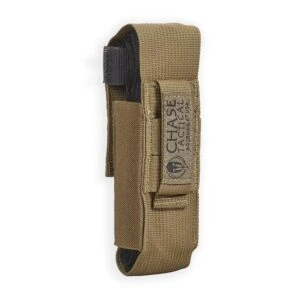
This section highlights the key reasons why hemostatic agents are especially important for military personnel, law enforcement, and first responders operating in high-risk situations. Their effectiveness in such environments underscores their essential place in every IFAK. Streamlined single kangaroo pouch for a single magazine, minimizing bulk while ensuring secure retention and quick reload readiness in the field.0
The Role of Hemostatic Agents in the IFAK Kit
Hemostatic agents are more than just first aid items; they are active tools in your mission to save lives. In this section, we’ll look at the specific ways these agents function within your IFAK kit.
Rapid Bleeding Control
Hemostatic agents are used to control arterial and venous bleeding, which can be difficult to stop with pressure alone. These agents, when applied directly to the wound, help form clots more quickly, significantly reducing blood loss. This is especially useful when tourniquets can’t be applied, such as in groin, shoulder, or neck wounds.
Easy to Use Under Stress
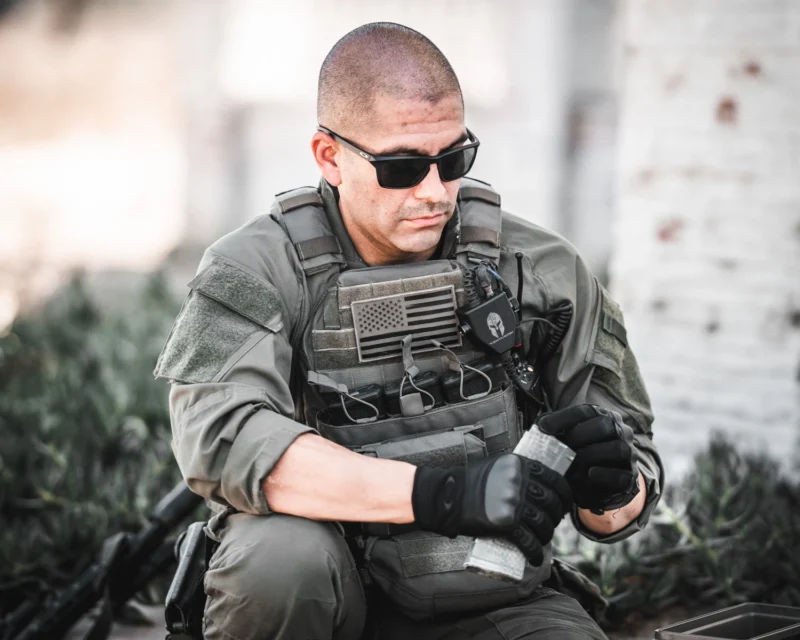
In high-stress environments, simplicity is key. Most hemostatic products are designed to be applied easily, even by someone with minimal medical training. You simply pack the gauze into the wound and apply pressure. In just a few minutes, the bleeding is often controlled, making it possible to move the victim or continue with other life-saving interventions.
Enhances Survival in Remote Locations
When professional medical help is far away, having a hemostatic agent can be the difference between life and death. Whether you’re in a rural area, hiking, deployed in combat, or involved in law enforcement operations, being able to control bleeding on-site dramatically increases the odds of survival.
Complements Other Life-Saving Tools
Hemostatic agents don’t work alone. They’re a critical part of the MARCH algorithm (Massive hemorrhage, Airway, Respiration, Circulation, Head injury/Hypothermia). When combined with tourniquets, pressure dressings, and airway tools, they make your IFAK much more effective. Having a complete kit boosts your confidence and ability to respond to traumatic events quickly and efficiently.
How to Properly Use Hemostatic Agents
Using hemostatic agents effectively requires both knowledge and practice. In this section, we provide a simple, step-by-step guide to ensure you’re prepared when it matters most.
To get the best results from your hemostatic agent, follow these basic steps:
- Expose the Wound: Cut away clothing to see the injury.
- Apply the Agent: Use the hemostatic gauze or powder directly into the bleeding wound.
- Pack the Wound: Push the gauze deep into the wound cavity.
- Apply Pressure: Hold firm pressure for 3-5 minutes to allow the clot to form.
- Wrap and Secure: Use a pressure bandage to keep the gauze in place until help arrives.
Always practice with training versions of these products before using them in real-world situations. Read and follow the manufacturer’s instructions.
Choosing the Right Hemostatic Agent for Your IFAK
With numerous options available, selecting the right hemostatic agent can be a daunting task. Here’s what you should consider to make an informed decision that fits your specific needs.
When selecting a hemostatic agent, consider the following factors:
- Shelf Life: Opt for products with a long shelf life to minimize the need for frequent replacements.
- Ease of Use: Gauze is generally easier to use than powders and has fewer risks of air embolism.
- Proven Effectiveness: Look for products that have been used in the military or clinical field, accompanied by supporting data.
- Compatibility: Ensure it integrates seamlessly with your existing IFAK setup and functions effectively alongside other tools.
Popular choices include:
- QuikClot Combat Gauze: Uses kaolin to speed up clotting. Very popular among military and law enforcement personnel.
- Celox Gauze: Made with chitosan derived from shellfish. Great for rapid clotting and minimal heat generation.
- HemCon Bandages: Effective and easy to apply, often used by EMS teams.
Does Hemostatic Agent Training Matter?
Having the right gear is only part of the equation. Without proper training, even the best tools can be ineffective. Here’s why hands-on practice is so important.
Owning a hemostatic agent is not enough. Proper training is essential to ensure you’re ready when the time comes. Many civilian and military organizations offer Tactical Combat Casualty Care (TCCC) or Stop the Bleed courses.
These hands-on programs teach you how to manage bleeding, apply tourniquets, and use hemostatic gauze effectively. Practicing these skills builds confidence and ensures you can act quickly during a real emergency.
Conclusion
Hemostatic agents are a must-have in any serious IFAK kit. Whether you’re a soldier, police officer, first responder, or just a prepared civilian, having and knowing how to use a hemostatic agent could one day save a life—maybe even your own. They are quick to apply, highly effective, and proven in both military and civilian emergencies.
When building or upgrading your IFAK, don’t overlook this critical component. It could be your best defense against life-threatening blood loss when every second counts.
Frequently Asked Questions
Can I use hemostatic agents on any wound?
Hemostatic agents are most effective on deep, severe bleeding wounds. They are not usually needed for minor cuts or surface wounds.
Are there any side effects to using hemostatic agents?
Most modern agents are very safe when used correctly. Some may cause a heat sensation when applied, and individuals allergic to shellfish should avoid chitosan-based products, such as Celox.
How long do hemostatic agents last in a kit?
Most have a shelf life of 2 to 5 years. Always check the expiration date and replace them as needed.