








Lightweight Armor Solutions for Urban Police Operations

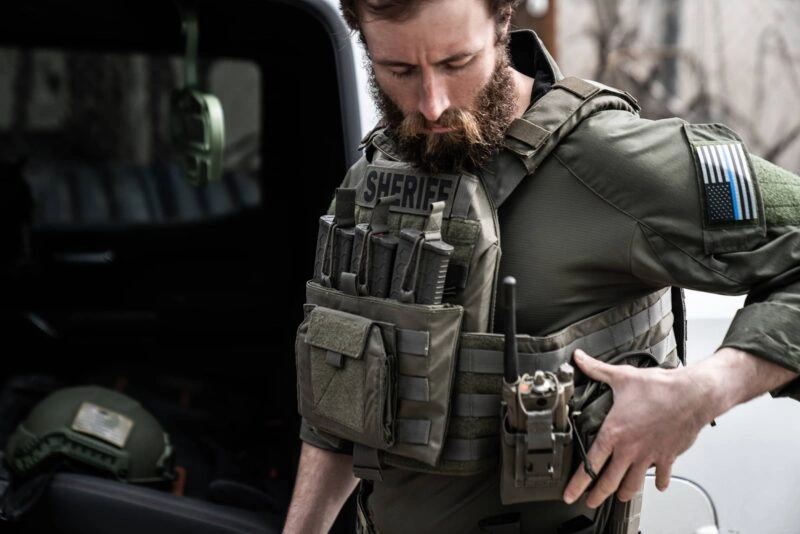
Urban policing presents many challenges for law enforcement officers. These challenges make their work both physically and mentally demanding. Body armor is one of the most valuable equipment in their toolkit. Heavy armor, while protective, usually restricts the mobility and comfort of an officer. Luckily, advancements in armor design and materials have produced lightweight solutions for urban police use. These technologies have transformed how law enforcement officials approach safety, enabling them to perform their job more effectively and remain agile and efficient. Shop lightweight armor for urban operations at Chase Tactical today!
The Role of Lightweight Armor in Urban Environments
Urban settings are naturally riddled with difficulties for law enforcement officers. The combination of city settings, which include congested streets, narrow alleys, and insecure encounters, requires specialized gear. Urban law enforcement demands that officers perform on-the-go, high-stress encounters, requiring quick movement, agility, and precision.

In such situations, law enforcement body armor should provide superior protection without compromising an officer’s maneuverability. Lightweight armor presents several key advantages when it comes to urban policing, such as:
Benefits of Lightweight Armor in Urban Operations
1. Increased Mobility: The ability to move rapidly is highly valuable in urban environments. Whether pursuing a suspect through narrow alleys or responding quickly to an unfolding situation, lightweight armor enables officers to maintain the mobility they need.
2. Extended Wearability: Officers are required to wear body armor for extended periods. Bulky, uncomfortable armor can be tiring, reducing officers’ willingness to wear it consistently. Lightweight armor offers greater comfort, enabling officers to wear it without compromising protection.
3. Enhanced Situational Awareness: Comfortable gear allows officers to focus fully on their environment and communication rather than the discomfort of heavy armor. This leads to better decision-making, particularly when handling high-risk situations.
4. Better Integration with Tactical Equipment: Modern lightweight vests and body armor plates are designed to integrate with accessories, such as radios, hydration packs, and body cameras, without adding unnecessary bulk. This ensures combat readiness while maintaining efficiency in urban operations.
How Do Officers Adapt to Lightweight Armor?
Introducing new body armor plates requires proper training and familiarization. Officers must learn to adjust modular components, understand NIJ ballistic ratings, and handle integrated technology efficiently.
Training also ensures that users recognize maintenance schedules and replacement intervals to retain full defense. Beyond the technical side, the transition to lightweight armor fosters a culture of readiness. When officers feel more comfortable and less restricted, compliance with armor-wearing policies improves, directly enhancing officer safety and endurance in the field.
What Materials Are Revolutionizing Lightweight Armor?
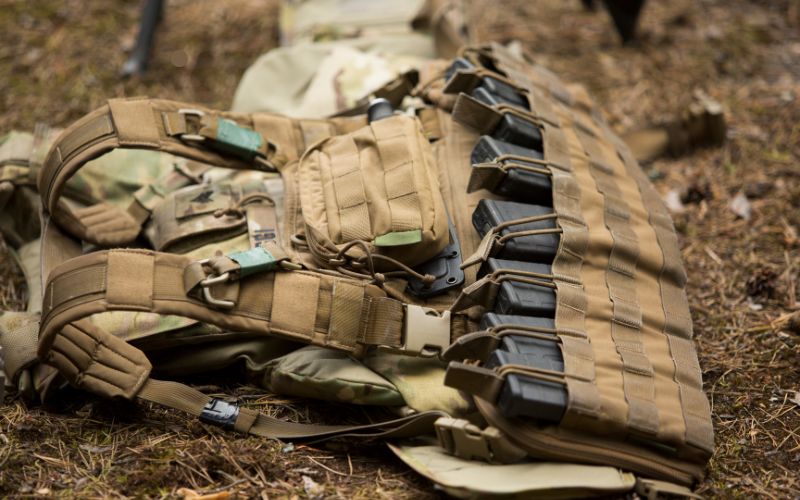
The evolution of lightweight armor solutions can primarily be attributed to advancements in materials science. Manufacturers and engineers have made significant advancements in developing materials that offer lightweight capabilities while providing optimal levels of protection. Some of the most innovative materials that are transforming the environment of armor technology are:
1. Spectra® Fiber
Spectra, developed by Honeywell, is a state-of-the-art ultra-high-molecular-weight polyethylene fiber with an exceptional strength-to-weight ratio. Armor manufactured using Spectra® is much lighter than conventional materials without compromising ballistic protection. Armor based on Spectra is up to 40% lighter than standard armor, making it an essential consideration for law enforcement personnel who require protection and mobility.
2. Dyneema® Force Multiplier Technology
Dyneema® is another groundbreaking material used in modern armor systems. Produced by DSM, Dyneema® fibers are being used in Point Blank Enterprises’ Alpha Elite Series vests. The technology provides lighter and thinner armor, making it more comfortable to wear without sacrificing performance. Dyneema® armor weighs 20-23% less and is 31% thinner than its predecessors, providing officers with greater mobility and less heat retention.
3. Kevlar®
Despite decades of proven material usage in law enforcement body armor, Kevlar 29 is primarily supported by law enforcement users. The bulletproof feature delivers increased ballistic safety with ease, along with a form-fitting nature. With officers enjoying the protections associated with historic body armor technology, combined with added features that increase flexibility for engagement in undercover tasks, where quick foot movement and a subtle demeanor prove valuable assets, new solutions are presented.
Design Innovations for Urban Warfare
Materials alone make up just part of the equation. Another important factor in the effectiveness of armor is design. Armor producers have made significant strides in adapting their designs to urban contexts over the past few decades. Some key innovations are:
1. Modular Plate Carriers
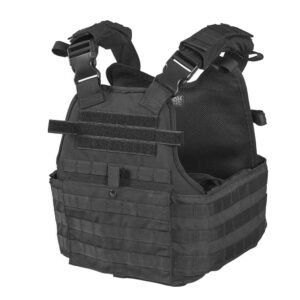
The modular plate carrier is one of the most valuable design elements in contemporary armor systems. Systems such as the MOLLE (Modular Lightweight Load-carrying Equipment) enable officers to individualize their body armor with pouches and attachments for such critical equipment, including ammunition, radios, and medical kits. The fact that the armor is adjustable to a specific operational context makes it versatile and easy to adapt, allowing officers to carry whatever they need for a given operation. This modularity is particularly effective in urban environments, where situations can change rapidly.
2. Concealable Armor
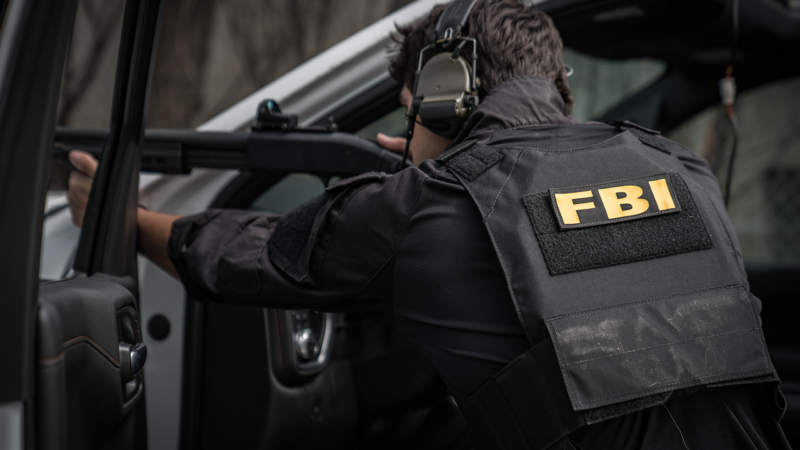
In city police work, discretion can sometimes be as valuable as protection. For undercover or plainclothes police, wearing armor unobtrusively is vital. Concealable armor vests are designed to be worn as outerwear, protecting the officer without drawing attention. They are light, comfortable, and unobtrusive, allowing officers to carry out their responsibilities in plain sight without sacrificing safety.
3. Integrated Communication Systems
Another innovative aspect of contemporary armor designs is the incorporation of communication systems within the vest. This can be in the form of built-in earpieces, microphones, or even radio systems. Incorporating communication technology into the armor enables officers to streamline their equipment, thereby minimizing the need for additional gear that may impede movement or be uncomfortable. Such incorporation enhances operational effectiveness, as officers can focus on their duties instead of managing their equipment.
Conclusion
Lightweight armor systems are revolutionizing urban police work by providing law enforcement officers with the necessary protection without compromising their performance. These new materials, designs, and functions enable officers to work more efficiently in dense urban settings while staying safe and comfortable. As technology continues to improve, we can look forward to even more innovation in armor design, ensuring that officers have the best possible protection as they serve and protect our communities.
Frequently Asked Questions
What is the primary advantage of lightweight body armor for urban police?
The main benefit is improved mobility, enabling officers to navigate complex urban environments more effectively, respond quickly, and pursue more easily.
Can lightweight armor provide the same level of protection as traditional heavy armor?
Yes. Developments in materials such as Spectra and Dyneema mean that light armor can equal or surpass the ballistic protection capabilities of traditional heavy armor without sacrificing comfort and mobility.
Are there options to customize lightweight armor?
Absolutely. Most contemporary armor systems incorporate modular designs that enable officers to configure their equipment to meet specific mission needs, making them adjustable to various operational requirements.
How does lightweight armor improve police officer performance in urban operations?
Lightweight armor enhances officer mobility, reduces fatigue, and improves situational awareness, enabling them to perform better in dynamic, fast-paced urban environments. This is critical when dealing with threats in densely populated areas.
Can lightweight armor withstand high-caliber threats?
Yes, many modern lightweight armor systems are designed to withstand high-caliber hits, meeting or exceeding NIJ protection standards while maintaining reduced weight for greater comfort. Level IIIA armor, for example, can stop a wide range of threats, making it a reliable choice for urban combat.