








The Best Workouts For Tactical Strength And Endurance


In a world where physical performance can mean the difference between success and failure, tactical athletes—those in the military, law enforcement, and other high-demand professions—need more than just a traditional workout routine. They require a fitness regimen that builds tactical strength and endurance, essential for handling the unique challenges of their roles. Whether you’re preparing for selection, aiming to pass a grueling physical test, or want to condition your body to be combat-ready, the right workout plan is crucial.
This blog will explore the best workouts for developing tactical strength and endurance and provide an in-depth guide to help you achieve peak performance.
What Is a Tactical Workout?
A tactical workout is a structured training program designed specifically for military personnel, law enforcement officers, firefighters, and first responders. Unlike conventional gym routines built around aesthetics, a tactical workout prioritizes functional fitness: the ability to perform under physical and psychological stress in unpredictable, real-world environments.
What makes a workout “tactical”? Three core principles separate these programs from traditional fitness regimens:
- Specificity: Movements mimic real operational demands — carrying loads, climbing, dragging, sprinting under kit.
- Durability: The goal is long-term resilience, not peak one-rep maxes that leave you broken.
- Adaptability: Programs are designed to accommodate shift work, deployment schedules, and varying equipment access.
Civilians, athletes, and anyone who wants to train with purpose, not just for appearance, can also benefit from this style of programming. The principles are universal; the application is elite.
Train Like You Operate
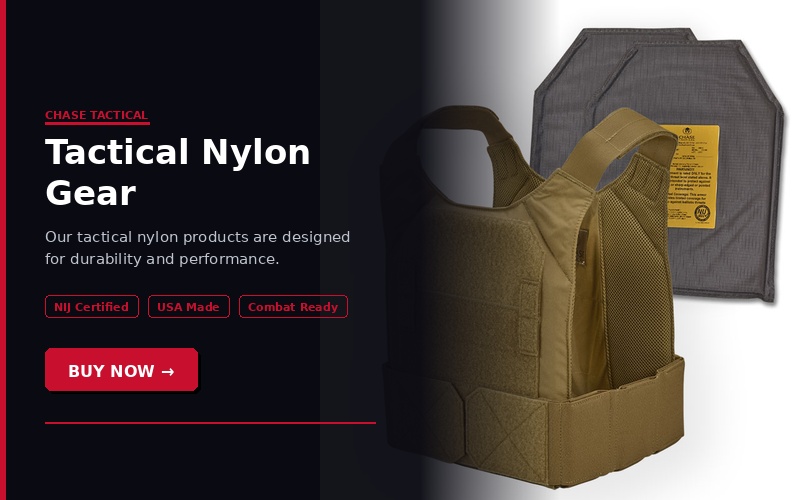
Chase Tactical plate carriers are built for loaded rucking, functional training, and real-world performance — not just the range.
How To Build Strength Through Community?
One of the strongest strategies of tactical training is the team mindset. Whether training with group members or virtual group members, having a community with a common objective aids accountability, motivation, and performance.
Numerous training programs offer online membership options with group support, progress monitoring, and access to expert knowledge. Seek options that fit your goal, experience, and the amount of time you’re willing to commit.
Tactical Strength And Endurance
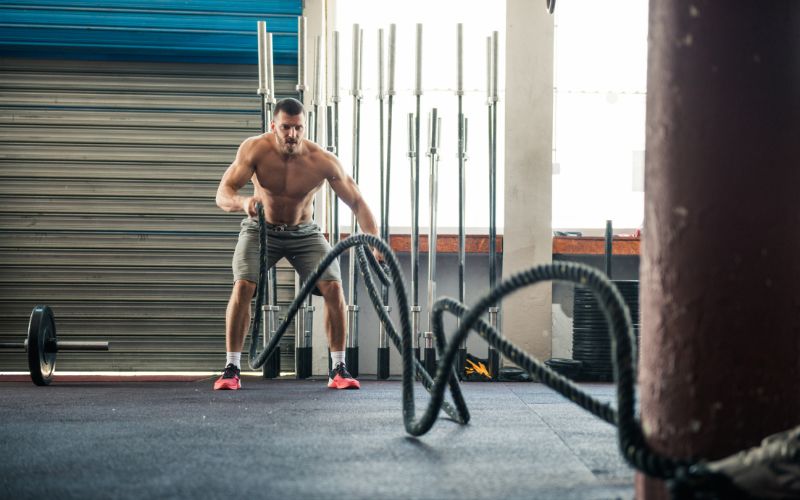
Before diving into the workouts, it’s essential to understand what tactical strength and endurance entail. Tactical strength isn’t just about lifting heavy weights; it’s about building functional strength that translates directly to real-world tasks—carrying heavy loads over long distances, scaling walls, or performing repetitive actions under stress. Similarly, tactical endurance goes beyond running a marathon; it’s about sustaining high-intensity efforts over extended periods, often with limited rest, in unpredictable conditions.
The Importance Of Functional Fitness
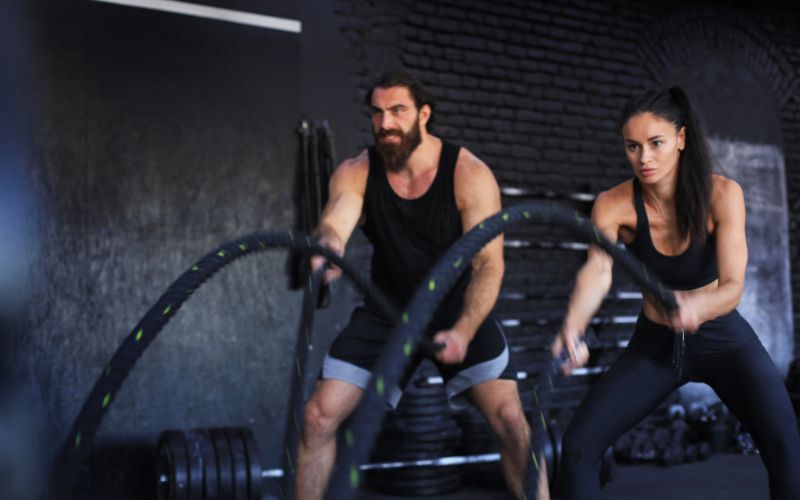
Functional fitness is the cornerstone of any tactical training regimen. Unlike traditional bodybuilding, which focuses on muscle size and aesthetics, functional fitness aims to enhance the body’s ability to perform everyday tasks. This is particularly vital for tactical athletes, as they must be ready to face physical challenges that mimic their operational environment. Workouts should target multiple muscle groups and energy systems, improving overall strength, agility, and endurance.
Core Components Of Tactical Training
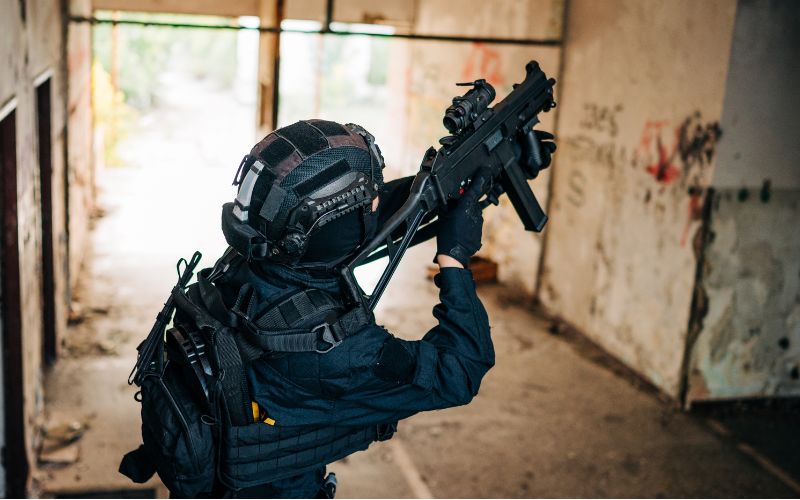
When designing a workout program for law enforcement officers, there are several key components to consider:
1. Strength Training
Strength is the foundation of any tactical athlete’s fitness. However, the focus should be on compound movements that mimic real-world tasks. Incorporating exercises like deadlifts, squats, and pull-ups builds the kind of raw power needed to perform under pressure with must-have tactical gear to survive. Here are some strength training exercises ideal for tactical athletes:
- Deadlifts: A crucial lift that engages the entire posterior chain, improving lifting and carrying ability.
- Squats (back and Front) are essential for building lower-body strength and for sprinting, jumping, and carrying loads.
- Pull-Ups: Pull-ups strengthen the upper body, particularly the back and biceps, which are critical for climbing and pulling movements.
- Overhead Press: Builds shoulder and core strength, which is important for pushing and holding heavy objects overhead.
- Push-Ups: A foundational bodyweight exercise that builds chest, shoulder, and tricep muscular endurance — directly measurable against military fitness standards.
- Kettlebell Swings: Develops explosive hip power and posterior chain strength, essential for rapid load movement and change-of-direction speed.
Pro Tip: Focus on lifting heavy weights with lower repetitions (3-5 reps per set). This will help you build maximal strength, which is essential for overcoming high-resistance situations. Track your baseline on key lifts every 4–6 weeks to measure progress and adjust your training programs accordingly.
2. Endurance Training
Tactical endurance goes beyond the average cardio session. It involves aerobic and anaerobic conditioning, ensuring you can perform at high intensities with essential law enforcement gear for extended periods. A balanced endurance routine should include:
- Interval Training: Incorporating high-intensity interval training (HIIT) or sprint intervals to build anaerobic capacity. For example, sprint for 30 seconds, rest for 30 seconds, and repeat for 10-15 rounds.
- Long-Distance Running: Incorporate long-distance runs (5-10 miles) into your routine to build aerobic endurance. This is vital for sustained operations over hours or days.
- Ruck Marching: Walking with a weighted pack (ruck) builds endurance and mental toughness, mimicking the demands of carrying gear over long distances.
- Zone 2 Cardio: Low-intensity, steady-state sessions (cycling, swimming, jogging at conversational pace) 2–3x per week build the aerobic base that supports all higher-intensity work. This is especially important for rucking performance and multi-day operations.
Pro Tip: Alternate between high-intensity sessions and longer, steady-state cardio workouts to develop comprehensive endurance.
3. Agility And Mobility Training
Agility and mobility are often overlooked but are critical for tactical athletes. The ability to move quickly and efficiently through various terrains and perform complex movements without injury is essential. Include the following exercises:
- Agility Drills: Ladder tactical drills, cone drills, and shuttle runs improve foot speed, coordination, and the ability to change direction quickly.
- Dynamic Stretching and Mobility Work: Incorporate exercises like hip openers, thoracic rotations, and shoulder dislocations to enhance flexibility and prevent injuries.
- Plyometrics: Box jumps, bounding, and other explosive movements improve power and agility, which is crucial for tasks requiring sudden bursts of speed or strength at different threat levels.
Pro Tip: Dedicate 10-15 minutes to agility and mobility exercises at the start and end of your workouts.
4. Core And Stability Training
A strong core is essential for maintaining stability and balance, especially when performing tasks under load or in unstable environments with heavy tactical tools. Core strength is vital in transferring power between the upper and lower body. Include these exercises in your routine:
- Planks: Improve overall core stability and endurance.
- Russian Twists: Enhance rotational strength, which is important for tasks that involve twisting motions.
- Medicine Ball Slams: Build explosive core power while boosting cardio.
- Farmer’s Walk: This simple yet effective exercise strengthens the core while improving grip strength and endurance.
Pro Tip: Incorporate core exercises into your strength and endurance routines rather than isolating them to ensure they are functional and relevant to your tactical goals.
5. Mental Toughness
Tactical strength and endurance aren’t just physical—they require significant mental resilience. High-pressure scenarios demand mental toughness, the ability to push through discomfort, fatigue, and fear. Incorporating mental conditioning into your physical training can make a substantial difference.
- Simulate Stress: Include stress-inducing elements in your training, such as performing workouts under time constraints or after exhausting your energy reserves.
- Cold Exposure: Activities like cold showers or ice baths can train your mind to stay calm and focused under stress.
- Visualization Techniques: Practice visualizing success in your physical tasks, which can enhance your mental preparedness and reduce anxiety.
Pro Tip: Consistently challenge yourself with new, difficult tasks to build mental toughness. This could include trying a new workout, increasing weights, or setting a personal record.
6. Recovery and Injury Prevention
Recovery is not optional for tactical athletes — it is part of the training program. Neglecting recovery leads to injury, declining performance, and burnout, all of which directly compromise operational readiness. Your muscles, joints, and nervous system need structured rest to adapt and grow stronger.
Key Recovery Strategies:
- Sleep: Target 7–9 hours per night. Sleep is when the body repairs muscle tissue, consolidates motor patterns, and regulates hormones critical to performance.
- Active Recovery Days: Replace full rest days with light movement — walking, swimming, or 20 minutes of yoga — to promote blood flow and reduce muscle soreness without adding training stress.
- Mobility Work: A daily 10–15 minute mobility routine targeting the hips, shoulders, knees, and ankles reduces injury risk and improves long-term range of motion.
- Nutrition Timing: Consume protein (20–40g) within 30–60 minutes post-workout to support muscle repair. Carbohydrates replenish glycogen for the next session.
- Load Management: Avoid increasing weekly training volume by more than 10% at a time. Sudden jumps in ruck weight, mileage, or training frequency are a leading cause of overuse injuries.
Pro Tip: If you experience joint pain (not muscle soreness) during or after training, reduce intensity immediately. Injuries that sideline you for weeks cost far more than a missed session.
Essential Equipment for Tactical Workouts
One advantage of tactical training is that you don’t need a fully equipped gym. The best tactical workout programs are built around functional tools that transfer directly to operational environments:
- Ruck / Weighted Backpack: The cornerstone of tactical endurance. Start at 20–30 lbs and progress to 45–55 lbs as fitness improves.
- Kettlebells: Versatile, space-efficient, and ideal for swings, carries, and pressing movements that build total-body strength.
- Pull-Up Bar: Essential for upper body pulling strength — one of the most common physical fitness tests across military and law enforcement branches.
- Sandbag: Mimics the awkward loads encountered in real operations. Bag carries, shouldering, and slams build functional strength that barbells alone cannot replicate.
- Running Shoes + Boots: Train in both. Running shoes for speed work; boots for ruck marches to condition feet and ankles to operational footwear.
Beyond physical tools, wearing and training in your actual gear plate carriers, tactical belts, and load-bearing equipment conditions your body to the specific weight distribution and movement restrictions you’ll face in the field.
Sample Tactical Workout Plan
Below is a sample weekly workout plan that incorporates all the components discussed. Adjust the workout intensity and volume based on your law enforcement fitness level and specific goals.
Gear Built for Tactical Athletes
From NIJ-certified body armor to MOLLE-ready plate carriers, Chase Tactical manufactures gear designed for those who train and operate at the highest level.

1. Monday: Strength And Core
- Deadlifts: 5 sets of 5 reps
- Pull-Ups: 5 sets to failure
- Overhead Press: 5 sets of 5 reps
- Planks: 3 sets of 60 seconds
- Russian Twists: 3 sets of 20 reps per side
2. Tuesday: Endurance And Agility
- Sprint Intervals: 10 x 200m sprints with 1-minute rest between sprints
- Ladder Drills: 5 minutes of continuous work
- Ruck March: 4 miles with a 30-40 lb pack
3. Wednesday: Rest And Recovery
- Dynamic Stretching: 20 minutes
- Cold Exposure: 5-10 minutes in an ice bath or cold shower
4. Thursday: Strength And Power
- Squats (Front or Back): 5 sets of 5 reps
- Medicine Ball Slams: 5 sets of 10 reps
- Farmer’s Walk: 4 sets of 50 meters
5. Friday: Endurance And Mobility
- Long-Distance Run: 6 miles at a steady pace
- Mobility Work: 20 minutes focused on hips, shoulders, and lower back
6. Saturday: Functional Fitness Circuit
Circuit (3 rounds, minimal rest between exercises)
- Push-Ups: 20 reps
- Box Jumps: 15 reps
- Pull-Ups: 10 reps
- Kettlebell Swings: 20 reps
- Ruck March: 2 miles at a moderate pace
7. Sunday: Active Recovery
- Light Jog or Swim: 30 minutes
- Yoga or Stretching: 30 minutes
Tactical Workout Modifications for Beginners
If you’re new to tactical training, the full 6-day plan above may be too demanding to start. Beginners should build their fitness base over 4–6 weeks before progressing to full volume. Here’s how to scale effectively:
Beginner Approach (Weeks 1–4)
- Reduce frequency: Start with 3 days per week — one strength day, one endurance day, one active recovery day.
- Lower ruck weight: Begin ruck marches at 15–20 lbs before progressing. Prioritize time on feet over speed or weight.
- Scale bodyweight first: Replace heavy barbell movements with bodyweight squats, push-ups, and ring rows until proper form is established.
- Shorter intervals: Replace 10 x 200m sprints with 6 x 100m sprints at 80% effort, with 90 seconds rest between each.
- Prioritize recovery: Beginners need more time to recover. Don’t sacrifice sleep or add training days to “make up” for missed sessions.
Tactical fitness programs reward patience and consistency over intensity. A sustainable 3-day routine performed for 12 months will outperform a burnt-out 6-day routine abandoned after 3 weeks.
How To Get Started with Right Tactical Training
Assess Your Current Fitness Level – Know your baseline and set realistic goals.
Choose a Program or Trainer – Pick a plan incorporating strength and endurance. Consider programs reviewed by certified tactical trainers or coaches with operational backgrounds.
Get the Right Equipment – Start simple: a kettlebell, a sandbag, a ruck, and running shoes.
Track Your Progress – Use a journal or app to monitor growth.
Stay Consistent – The real key to tactical success is discipline over time.
With the right mentality and approach, tactical strength and stamina aren’t the exclusive domain of elite operators.
They’re an option for anyone willing to accept the grind, invest, and unlock their full potential.
Conclusion: Preparing For The Tactical Demands
Building tactical strength and endurance requires a balanced approach incorporating strength, endurance, agility, core stability, and mental toughness. By focusing on functional fitness, you can prepare your body to handle tactical environments’ unpredictable and physically demanding nature.
Whether in the military, law enforcement, or simply looking to enhance your fitness, the right training program can make all the difference. Remember, consistency is key stay dedicated, push your limits, and you’ll be prepared for whatever challenges come your way.
Frequently Asked Questions
Should I become a gym member to train for tactical fitness?
No. Although a gym provides useful machinery, much tactical training can be performed using minimal equipment—rucks, sandbags, and bodyweight exercises are very effective.
How frequently should I train for tactical endurance and strength?
Shoot for 4–6 days weekly, alternating strength, endurance, and recovery sessions. Pay attention to your body and modify your programming as needed.
Can beginners start tactical training?
Yes. You can scale workouts to your ability, join a program with a supportive community, or work with a certified trainer to guide you.
What equipment do I need for a tactical workout?
You can build an effective tactical workout with minimal equipment: a ruck or weighted backpack, a pull-up bar, kettlebells, and a sandbag cover most training needs. As your fitness level advances, adding a barbell and bumper plates allows heavier compound work like deadlifts and squats.
How long is a typical tactical workout session?
Most tactical workout sessions run 45–75 minutes. Strength sessions tend to be shorter (45–60 min) due to rest between heavy sets, while endurance and circuit sessions can extend to 90 minutes when ruck marches are included. Time efficiency is a priority — quality reps and focused effort outperform marathon low-intensity sessions.
How are tactical workouts different from regular workouts?
Standard gym programs typically isolate muscle groups and optimize for aesthetics or a single metric (e.g., max bench press). Tactical workouts emphasize multi-joint, functional movements that mirror real-world demands — carrying loads, climbing, dragging, sustained running under fatigue. The result is a body that performs under stress, not just under ideal gym conditions.