








Ballistic Helmets vs Soft Armor: Understanding the Key Differences

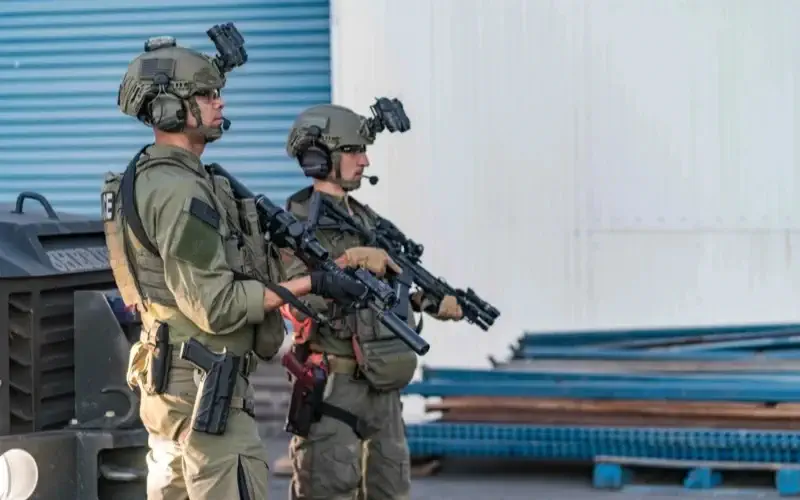
In high-risk environments, whether you’re a law enforcement officer, a military member, or someone working in a high-threat industry, personal protective equipment is a must. Among the most crucial pieces of gear are ballistic helmets and soft armor.
While these two types of protection gear serve different purposes, they are both vital to ensure comprehensive safety on the field. Understanding the unique benefits and different protection levels of both will help you choose the right protection for your needs.
What Makes Ballistic Helmets and Soft Armor Equally Important?
Both ballistic helmets and soft armor are designed to provide life-saving protection, but their roles differ. Ballistic helmets are designed to protect the head, one of the most vulnerable parts of the body, while soft armor focuses on safeguarding the torso. Each has its own strengths in different scenarios, making them complementary tools for maximizing protection in high-risk situations.
What is the Role of Ballistic Helmets & Soft Armor in Tactical Operations?
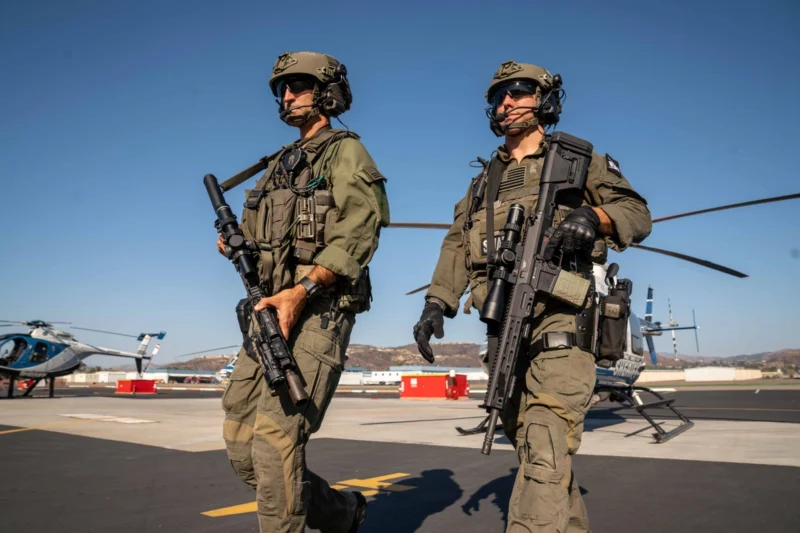
While ballistic helmets and soft armor may seem like two separate pieces of gear, they are both integral to personal protection. Let’s take a closer look at how each performs and why both are essential.
Ballistic Helmets
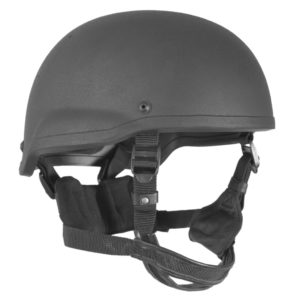
Ballistic helmets, like the Chase Tactical Striker Level IIIA ACH Mid Cut Ballistic Helmet, provide head protection against threats like bullets, shrapnel, and blunt force trauma. The helmet’s design ensures it withstands high-velocity impacts, offering comprehensive protection for one of the most critical areas of the body. It’s a must-have for situations where head threats are prominent, such as combat or close-quarters tactical operations.
Why Ballistic Helmets Matter in Tactical Operations?
- Head Protection: Designed to absorb the impact of projectiles and blunt force, preventing severe head injuries.
- Ballistic Protection: Tested to Level IIIA ballistic helmet standards to protect against handgun rounds and fragmentation.
- Comfort and Stability: Equipped with adjustable harness systems, making it wearable for extended periods without sacrificing mobility.
- Frag Protection: Provides additional protection against shrapnel, a crucial feature in explosive or combat environments.
These helmets are critical for protecting the head in environments where threats are expected to target the head and upper body. Whether in military operations or high-risk law enforcement missions, ballistic helmets like the ACH Mid Cut are designed to absorb impacts that could otherwise result in severe injuries.
Equip yourself with top‑tier protection and get the Level 3A Mid Cut Ballistic Helmet to stay mission‑ready
Soft Armor
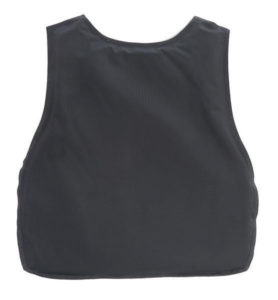
Soft armor, such as the Chase Tactical Level IIIA Soft Armor (SA3100), is designed to protect the torso, covering the chest, abdomen, and back. Soft armor is typically made from advanced materials such as Kevlar, Dyneema, or aramid fibers, which can effectively absorb and stop handgun rounds and other small projectiles. It is lightweight, flexible, and comfortable, making it ideal for extended wear, even in non-combat scenarios.
Why Soft Armor Matters?
- Torso Protection: Guards against handgun rounds, shrapnel, and other ballistic threats to the body.
- Lightweight and Flexible: Soft armor is designed for comfort, allowing wearers to move freely while still being protected.
- Multi-hit Capability: The armor can withstand multiple impacts, ensuring reliability over time.
- Water-Resistant: Many soft armor products feature water-resistant coatings to enhance durability in wet conditions.
Soft armor is a highly versatile piece of protective gear that is ideal for daily use in high-risk environments and operations. Whether it’s for law enforcement officers facing potential handgun threats or for security personnel in protective roles, soft armor protects critical body areas while maintaining flexibility and comfort.
Secure elite protection and grab the Level III‑A Soft Armor (SA3100) to stay prepared for whatever comes your way.
The Importance of Combining Soft Armor & Ballistic Helmet
While ballistic helmets and soft armor serve different functions, they complement each other perfectly. The key to complete protection in dangerous environments is not choosing one over the other, but rather integrating both into your gear.
Wearing a ballistic helmet protects your head, which is often the primary target in many violent terrorism encounters, while soft armor provides the necessary protection for your torso. Together, they form a full-body defense system that maximizes safety in combat zones, tactical missions, and other high-threat situations.
Why You Need Both?
- Head and Body Protection: The combination of both gear types provides 360-degree protection from the neck up to the torso. While a helmet protects against head impacts, soft armor guards the vital organs and arteries in the torso.
- Versatility: Whether you are a law enforcement officer, military member, or working in a high-risk civilian profession, having both ballistic helmets and soft armor ensures that you are ready for a wide range of threats. These two types of protection are designed to work together to keep you safe from multiple angles.
- Enhanced Mobility: Soft armor’s flexibility ensures your movements are not restricted, which is crucial when wearing other protective gear, such as a ballistic helmet. The lightweight design of soft armor means that you won’t feel weighed down, enabling you to stay agile in various situations.
Conclusion: Complementary Protections for Maximum Safety
Both ballistic helmets and soft armor play vital roles in personal protection. While a helmet is designed to protect your head from impacts and shrapnel, soft armor shields your vital organs and torso.
Together, they provide an all-encompassing protection system that safeguards against various threats. In high-risk situations, wearing both can be the difference between life and death, offering a well-rounded defense for law enforcement officers, military personnel, and others in danger zones.
Frequently Asked Questions
Why should I wear both a ballistic helmet and soft armor?
Wearing both offers comprehensive protection; ballistic helmets protect your head, while soft armor shields your torso from ballistic threats. Together, they form a complete defense system.
Can soft armor protect against rifle rounds?
No, soft armor is designed for protection against handgun rounds and shrapnel. To protect against rifle rounds, hard armor plates must be used in conjunction with soft armor.
Are ballistic helmets comfortable for long wear?
Modern ballistic helmets are designed with comfort in mind, featuring adjustable harness systems and padding. However, they can be heavier than soft armor, which might make them less comfortable for extended use.
How long do ballistic helmets and soft armor last?
Both types of armor typically have a lifespan of 5-10 years, depending on usage and environmental conditions. Helmets may need to be replaced after significant impacts, while soft armor may wear out from normal use.