







Ukraine Opens a Regulated Market to Recruit Foreign Fighters

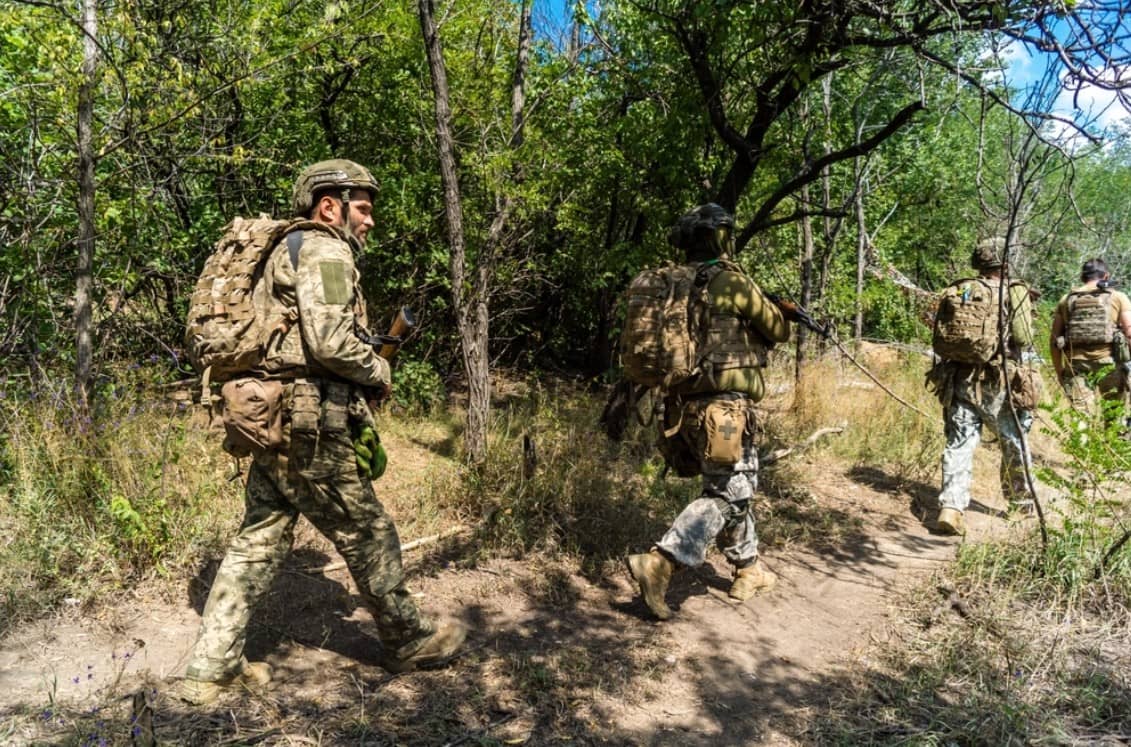
Ukraine has approved new rules to formally recruit foreign volunteers into its military, allowing only vetted, Ukrainian-registered companies to enlist candidates as it seeks to address manpower shortages after more than four years of war with Russia.
Under the new framework, the government will pay accredited companies up to 300,000 hryvnias (about $7,400) for each recruit they successfully bring into military service. The payments will be made in stages.
According to Ukrainian Prime Minister Yulia Svyrydenko, companies seeking accreditation must submit an application and the required documentation. Only those that meet the government’s eligibility criteria and provide a 5 million-hryvnia (about $123,000) security deposit will be added to the official registry.
Svyrydenko said the security deposit serves as a safeguard if a company violates the terms of its agreement. She added that companies will also be screened to ensure they are not subject to sanctions and have no ties to Russia before being added to the registry. The government will decide on applications within 10 business days.
Once accredited, the companies will guide foreign volunteers through every stage of the enlistment process, from initial recruitment to signing a contract with Ukraine’s armed forces. They will also assist with travel, documentation, insurance, housing and meals until recruits formally enter military service.
Svyrydenko said expanding the recruitment of foreign volunteers is a government priority.
“Fulfilling the President of Ukraine’s task of recruiting foreign volunteers is a priority for the government,” Svyrydenko said. “Ukraine’s Defense Forces already have experience integrating foreign volunteers into their ranks. We must scale this effort to the point where 30% to 50% of infantry and assault positions are filled by foreign volunteers.”
The decision comes after Ukraine last month unveiled a major overhaul of military compensation, introducing higher salaries, expanded combat bonuses and longer fixed-term contracts to attract more troops, including foreign volunteers.
Under the new package, infantry and assault troops can sign contracts lasting six to 14 months and earn an average monthly salary of 300,000 hryvnias (about $7,400), with pay rising to as much as 460,000 hryvnias (about $11,300), depending on the number of days spent on the front lines.
Defense Minister Mykhailo Fedorov described the package as the “highest salaries in the world for infantry.”
About 10,000 foreign volunteers from more than 70 countries have joined Ukraine’s armed forces since the war began, according to estimates by Ukrainian military publications.
The new recruitment framework builds on the existing International Legion of Defense of Ukraine, which has drawn fighters with diverse backgrounds ranging from former Western military personnel to civilians motivated by ideological support for Ukraine’s sovereignty. By formalizing the role of private recruitment companies, Kyiv aims to professionalize what has often been an ad hoc process plagued by coordination challenges, language barriers, and uneven training standards.
Proponents argue that outsourcing initial vetting and logistics to accredited firms will reduce administrative burdens on Ukraine’s overstretched military bureaucracy while expanding the talent pool.
Analysts suggest the financial incentives—both for companies and recruits—reflect the severity of Ukraine’s manpower crisis after more than four years of high-intensity combat. Ukrainian forces have suffered significant attrition, with estimates of daily casualties occasionally exceeding hundreds during intense fighting in eastern regions. Demographic pressures, including an aging population and emigration, further complicate domestic mobilization efforts. Reaching the stated target of 30-50% foreign staffing in infantry and assault units would represent a dramatic shift, effectively internationalizing large segments of Ukraine’s ground forces in a manner reminiscent of historical foreign legions, such as those in the French Army or earlier iterations of the Spanish Civil War.
However, the initiative is not without risks. Security experts caution that rapid scaling could strain integration systems, potentially compromising unit cohesion if cultural, linguistic, or operational differences are not adequately addressed. There are also concerns about vetting rigor: while the 5 million-hryvnia deposit and sanctions screening provide some safeguards, the profit motive for recruitment firms might incentivize corner-cutting. Western governments have expressed mixed reactions; while some NATO members quietly support efforts to bolster Ukraine’s defenses, others worry about their citizens joining a protracted conflict with uncertain outcomes and potential legal repercussions under domestic neutrality or anti-mercenary laws.
Economically, the program could inject modest foreign currency into Ukraine’s war economy through related spending on housing, equipment, and services. Long-term success will depend on whether higher salaries, structured contracts, and professional support prove sufficient to attract high-quality volunteers willing to endure the brutal realities of modern trench warfare. As Ukraine continues to innovate in recruitment and retention, this latest measure underscores a broader strategic pivot: supplementing domestic resolve with global manpower to sustain resistance against a numerically superior adversary. Whether it tips the balance remains to be seen, but the move signals Kyiv’s determination to explore every avenue for victory.