







Can Civilians Buy Body Armor? Laws and Restrictions Explained

The short answer is yes. In the United States, law-abiding civilians are legally permitted to purchase and own body armor. Whether you are a security professional, a firearms owner, an outdoor enthusiast, or simply someone looking to be better prepared for uncertain situations, body armor is available to you in most states with very few restrictions. That said, there are important legal details, state-specific rules, and practical considerations every buyer should understand before making a purchase.
This guide covers everything civilians need to know about legally buying body armor, including federal law, state restrictions, available armor types, and how to choose the right level of protection for your needs.
Is It Legal for Civilians to Own Body Armor?
Yes, it is legal for civilians to own body armor at the federal level. Under 18 U.S.C. Section 931, the primary federal restriction on body armor ownership applies to individuals who have been convicted of a violent felony. If you have a clean record, federal law places no barrier between you and the purchase of a ballistic vest, plate carrier, or any other type of body armor.
This means that civilians across 48 of the 50 states can purchase body armor online or in person and have it shipped directly to their home. The right to protect yourself and your family is recognized under federal law, and body armor is a legal tool for doing so.
Who Cannot Buy Body Armor?
Federal law bars anyone convicted of a violent felony from purchasing, owning, or possessing body armor. This restriction exists to prevent individuals with violent criminal histories from using protective gear to evade law enforcement during criminal activity. In addition to this federal rule, many states extend similar prohibitions to people on parole or probation for violent offenses.
Outside of those restrictions, body armor is available to the general public. You do not need a permit, a license, or any special credentials to buy it as a civilian in most jurisdictions.
State-by-State Restrictions You Need to Know
While federal law is permissive for most civilians, a small number of states have enacted additional regulations. Being aware of your state’s rules before buying is an important step.
Connecticut
Connecticut has the most restrictive body armor purchasing law in the country. Under Connecticut General Statute Section 53-341b, residents may not purchase body armor through online transactions. All purchases must be made face to face through a licensed dealer. This means online retailers cannot ship body armor to a Connecticut billing or shipping address. If you are a Connecticut resident, you will need to visit a local dealer to complete your purchase in person.
New York
New York has recently passed legislation that significantly limits civilian access to soft body armor. Under current state law, civilians in New York are prohibited from purchasing soft body armor unless they are employed in an approved profession. All transactions must also be made face-to-face. This is one of the most restrictive state-level policies in the country and affects a broad range of products, including concealable vests.
All Other States
In the remaining 48 states, law-abiding adults with no violent felony convictions can purchase body armor online or in person without additional restrictions. Products can be shipped directly to a home or business address.
| State | Civilian Purchase Allowed | Restriction |
| All 48 states (except CT and NY) | Yes | No violent felony conviction |
| Connecticut | Yes, with restriction | In-person purchase only, no online sales |
| New York | Limited | Approved professions only, in-person only |
What Types of Body Armor Can Civilians Buy?
Civilians have access to the same range of body armor available to security professionals and first responders. The two primary categories are soft armor and hard armor, each designed for different threat levels and use cases.
Soft Body Armor
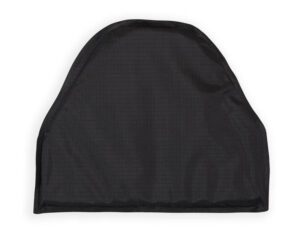
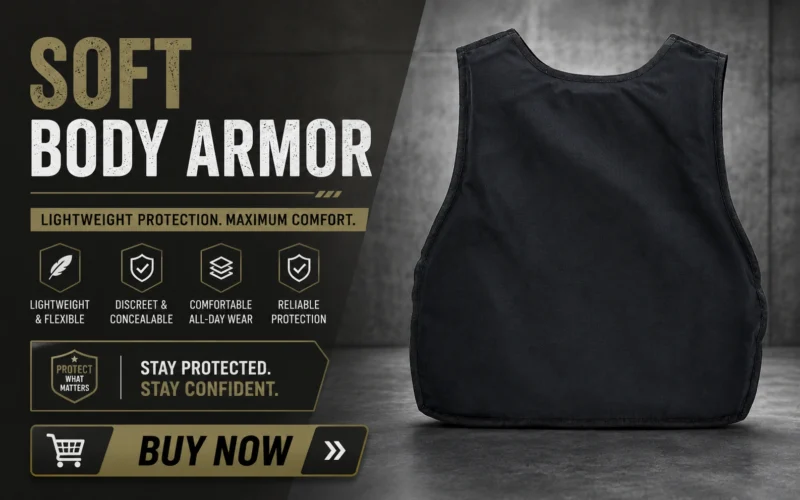
Soft body armor is the most common choice for civilians and everyday use. It is constructed from flexible ballistic panels made of high-strength para-aramid fibers, designed to stop handgun rounds while remaining lightweight and concealable under clothing. The most protective soft armor rating is Level IIIA, which is tested to stop .357 SIG and .44 Magnum rounds.
Chase Tactical’s NIJ-certified Level IIIA soft armor panels are currently used by law enforcement agencies and military units worldwide. They are available in multiple cuts, sizes, and configurations to suit different body types and carrier systems, and are certified to NIJ 0101.06 standards. For civilians seeking reliable daily protection without added bulk, soft armor is the practical starting point.
Hard Body Armor
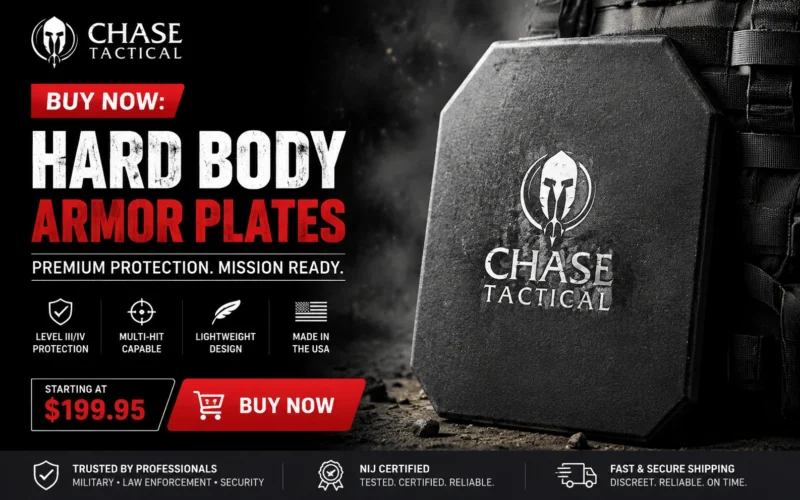
Hard armor plates are designed to stop rifle-caliber threats and are inserted into a plate carrier system. Level III hard plates are rated to stop 7.62mm FMJ rifle rounds, while Level IV plates provide protection against armor-piercing rounds. Civilians in high-threat environments, or those seeking the highest level of protection, commonly combine hard plates with a soft backer for comprehensive coverage.
Understanding NIJ Certification and Why It Matters
When purchasing body armor as a civilian, NIJ certification is the single most important factor to verify. The National Institute of Justice sets the performance standards that all certified armor must meet through independent laboratory testing. Certified armor has been tested under controlled conditions to confirm it will stop the threats its rating claims.
Uncertified armor may be cheaper, but there is no third-party verification of its performance. For an item that exists specifically to stop bullets, documented testing is not optional. Always verify that the armor you are considering carries current NIJ certification at the appropriate protection level before purchasing.
Who Should Consider Buying Body Armor as a Civilian?
Body armor is no longer limited to military and law enforcement use. A growing number of civilians purchase body armor for legitimate personal safety reasons, including the following.
Security professionals and armed guards often work in environments where personal protection is a practical requirement. Body armor provides the same level of protection for private security as it does for sworn law enforcement. Civilians who carry firearms legally for personal protection may also choose soft armor as a daily precaution, particularly those who live or work in higher-risk areas.
Preparedness-minded individuals and families choose body armor as part of a broader emergency preparedness strategy, similar to keeping a first aid kit or fire extinguisher at home. Others purchase hard plates and a plate carrier to keep at home in case of a home invasion or civil unrest, when quick escalation of protection is needed.
Can Civilians Wear Body Armor in Public?
In most states, wearing body armor in public is legal for civilians. However, wearing body armor while committing a crime significantly increases criminal penalties under both federal and state law. Some states also have specific statutes that restrict the wearing of body armor in certain locations such as schools or government buildings. Always check your local laws before wearing armor in public spaces.
Can Body Armor Be Shipped Internationally?
Exporting body armor outside the United States requires federal approval and is subject to export control regulations. It is illegal to ship body armor internationally without proper authorization from the relevant federal authorities. Regulations on ownership and use also vary significantly by country, and some nations classify body armor as a controlled item with severe penalties for unauthorized possession.
Conclusion
Civilians in the United States can legally purchase body armor in nearly every state, with limited exceptions for those with violent felony convictions and specific state-level rules in Connecticut and New York. Whether you are a security professional, a preparedness-focused civilian, or someone who simply wants reliable personal protection, NIJ-certified soft and hard armor is available to you.
Understanding your state’s laws, verifying NIJ certification, and choosing the right protection level for your threat environment are the three most important steps before you buy. Start with those and you will be well equipped to make a confident, informed decision.
Frequently Asked Questions
Can civilians buy Level IV body armor?
Yes. Level IV hard armor plates are available to law-abiding civilians in most states. They are the highest NIJ-rated protection available and are designed to stop armor-piercing rifle rounds. There is no federal restriction on civilians owning Level IV armor.
Do I need a permit to buy body armor?
No permit is required to purchase body armor in most states. The only federal restriction is that individuals convicted of violent felonies cannot own body armor. Connecticut requires in-person purchases, and New York limits purchases to approved professionals.
Can I buy body armor online?
Yes, in 48 states, civilians can purchase body armor online and have it shipped to their address. The exception is Connecticut, where all purchases must be made face-to-face. New York has additional restrictions based on profession.
What is the best body armor level for a civilian?
For most civilian use cases, Level IIIA soft armor is the recommended starting point. It stops all common handgun threats while remaining lightweight and concealable. Civilians in higher-risk environments or who want rifle protection can add Level III or Level IV hard plates to a plate carrier system.
Does body armor expire?
Yes. Most body armor has a manufacturer-recommended service life of five years. Ballistic panels can degrade over time, especially if exposed to moisture, heat, or physical damage. Always follow the manufacturer’s replacement guidelines and inspect your armor regularly.