








Police Officer Body Armor Requirements

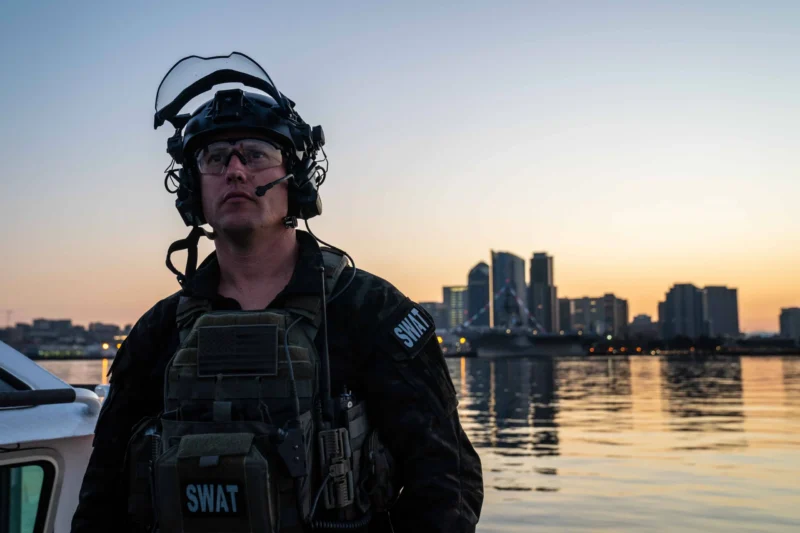
When considering the requirements for police officer body armor, it is vital to understand the diverse protection levels and standards that govern what officers can and should wear in the field. The NIJ 0101.06 standard is the primary guideline, ensuring officers are shielded against the full range of ballistic threats they may encounter. Proper fit is equally important; ill-fitting armor can hinder mobility and compromise safety. Legal aspects, such as restrictions on felons owning armor, also shape how and where body armor may be used. Understanding how these elements work together is essential for every officer, agency, and procurement decision-maker.
Types of Body Armor
When selecting body armor, officers will encounter several types, each designed for specific threats and operational scenarios.
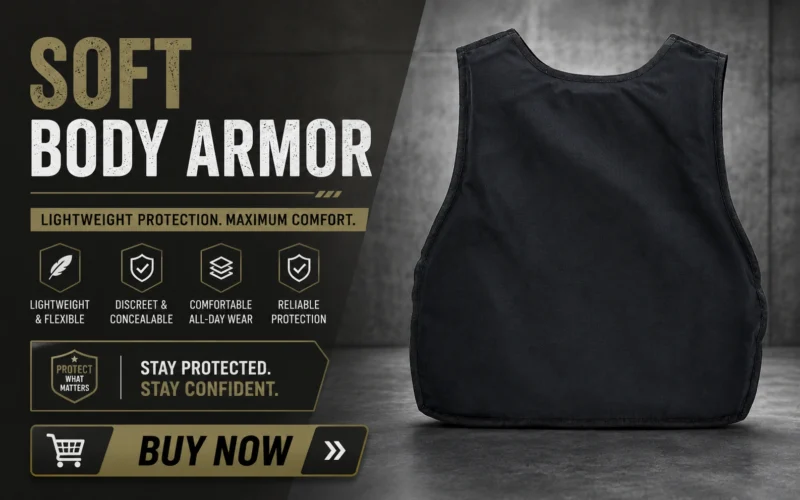
Soft armor offers flexible ballistic panels made from para-aramid fibers, providing reliable protection against handgun threats. It is popular among patrol officers for everyday use due to its flexibility and adaptability. Detectives often wear it in plainclothes settings to maintain a low profile, offering resistance against stab, slash, and blunt impacts.
Soft armor’s flexibility and adaptability make it ideal for patrol officers and undercover detectives, offering handgun and impact protection.
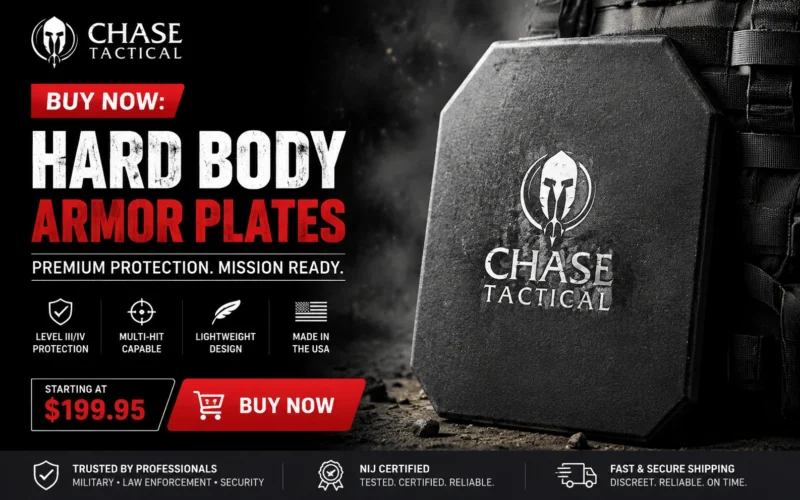
In contrast, hard armor is engineered for rifle-threat protection and incorporates metallic or ceramic composite components. It is bulkier and primarily deployed in active shooter situations, with plates inserted into carriers.
Concealable vests offer low-profile protection that can be worn under a uniform without drawing attention, maintaining a tactical advantage in routine interactions. Tactical vests provide full coverage for high-risk operations, and can be enhanced with additional throat, groin, and bicep armor where the mission demands it.
Protection Levels and Standards
Understanding armor types is just the beginning; knowing the NIJ body armor protection levels is essential for selecting the right gear.
The NIJ 0101.06 standard defines five protection levels: IIA, II, IIIA, III, and IV. Each level corresponds to the category of ballistic threat it is rated to resist:
- Level IIA — Designed to stop 9mm and .40 S&W rounds from short-barrel handguns.
- Level II — Handles more powerful rounds, including the .357 Magnum.
- Level IIIA — Offers the highest soft armor protection, stopping .357 SIG and .44 Magnum rounds.
- Level III — Rated for rifle threats, stopping 7.62mm FMJ rounds.
- Level IV — Provides maximum protection against armor-piercing .30-06 M2 AP rounds.
Always choose NIJ-certified armor to ensure documented, reliable performance in the field.
Usage Statistics
Body armor adoption among law enforcement agencies has expanded significantly over the past two decades. By 2013, 78.4% of agencies with 100 or more officers had implemented mandatory wear policies, up from only 59% in 2009. Compliance is high: 92% of officers report that their agencies require body armor during most field activities, and 88% follow those policies consistently. Despite this progress, comfort concerns and a lack of rigorous fit protocols remain barriers to full compliance. Research shows that 90% of officers consider body armor essential to their personal safety, underlining the importance of education around its benefits.
| Statistic | Percentage / Estimate |
| Agencies requiring mandatory wear (2013) | 78.4% |
| Officers required to wear armor at all times | 57% |
| Officers obeying agency policy all the time | 88% |
| Shift commanders estimating 100% compliance | 68.7% |
Historical Development
The 1970s marked a pivotal shift in officer safety with the introduction of advanced ballistic-resistant materials. During this decade, the development of lightweight para-aramid fiber dramatically increased protection for officers, leading to a significant reduction in firearm-related fatalities and establishing a global benchmark for ballistic resistance standards.
1970s Body Armor Advancements
When the 1960s brought a sharp surge in officer fatalities — with deaths doubling, primarily due to handgun violence — the pressing need for effective body armor became undeniable. The National Law Enforcement Officers Memorial Fund documents this period as one of the most dangerous eras in policing. In response, the Department of Justice tasked the National Institute of Law Enforcement and Criminal Justice (NILECJ) with developing lightweight, ballistic-resistant armor for everyday wear.
Researchers identified new high-strength para-aramid fiber materials, which were woven into ballistic panel prototypes and tested by urban police agencies. In 1975, 5,000 armor sets were distributed to officers across the country, marking the first documented save when a Seattle officer survived two gunshots to the chest. This success confirmed that soft body armor was practical for daily duty wear and began a lasting transformation in officer safety.
Over the following 45 years, these advancements have been credited with saving more than 3,000 officers’ lives, setting an enduring global standard for patrol-level protection.
Impact on Officer Safety
The decades that followed the 1960s spike in fatalities saw a dramatic turnaround in officer survival rates, driven by the widespread adoption of body armor.
In 1972, the first ballistic-resistant body armor standard was introduced, providing a framework for consistent performance testing. By 1975, field testing of 5,000 armor sets had begun, resulting in the first documented save shortly thereafter. The launch of compliance testing in 1978 ensured that all issued armor met a reliable minimum standard across jurisdictions nationwide.
Data from 2002 to 2011 shows that officers wearing body armor were 76% less likely to die when shot in the torso, underscoring the critical life-saving role armor plays in every patrol shift. Soft body armor alone has been credited with saving over 3,000 officers’ lives to date.
Fit and Comfort Considerations
Selecting the correct body armor type and certification level is only part of the decision. How the armor fits and how comfortable it is to wear for an entire shift directly determines whether officers will consistently wear it.
Proper Vest Sizing
Proper vest sizing is essential to ensure both fit and ballistic effectiveness. When being fitted, officers should wear their full duty attire to ensure an accurate measurement. Avoid artificially adjusting the duty belt or standing in an unusual posture during fitting.
Key sizing guidelines include:
- Vertical Positioning: Align the top front panel with the bottom of the suprasternal notch and the rear panel with the cervical vertebra. The vest should end approximately two inches above the navel.
- Horizontal Coverage: Panels should wrap around the torso with at least a one-inch overlap on the sides. Some agencies require a two-inch overlap for additional organ coverage.
- Length Considerations: Avoid a vest that is too long or too short. When seated, the bottom edge should rest at the point where the duty belt begins to prevent the vest from riding up.
Mobility and Flexibility
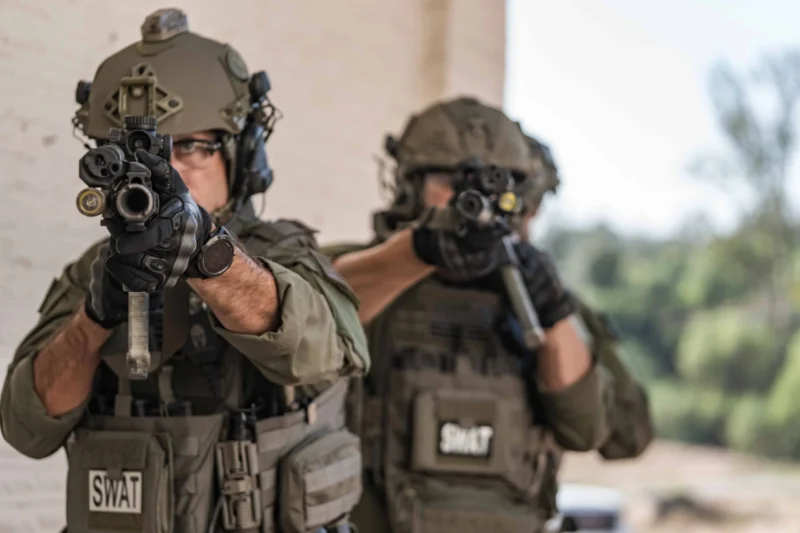
A well-sized vest distributes weight evenly across the shoulders and torso, reducing fatigue and enhancing overall performance during long shifts. Modern soft armor models leverage flexible materials such as para-aramid fibers and ultra-high-molecular-weight polyethylene (UHMWPE) to ensure comfort without unnecessary bulk, contouring to the body for unrestricted movement.
Adjustable shoulder straps and modular design features accommodate different body types and equipment configurations. Quick-release mechanisms add an important safety layer in emergencies. Mobility testing during the fitting process ensures the armor does not hinder critical actions such as drawing a weapon, running, or entering a vehicle.
Plate carriers provide an additional layer of structural support when hard plates are required, and should be selected with the same care for fit and range of motion.
Concealment and Discretion
For plainclothes and patrol officers alike, concealment and discretion are critical factors. Officers need a low-profile design that maintains a professional appearance and avoids drawing attention during routine interactions.
Effective concealment depends on three factors:
- Proper Fit Specifications: The vest should extend from the sternal notch to two inches above the navel, with no gaps in the side panels to ensure essential organ protection.
- Comfort Material Innovations: Moisture-wicking fabrics and ventilation channels help keep officers cool and reduce chafing during extended wear.
- Clothing Concealment Techniques: Wearing shirts one size larger, choosing heavier fabrics, and layering with jackets or other outer garments help effectively conceal the armor profile.
Legal and Regulatory Aspects
Understanding the legal and regulatory framework surrounding police body armor is as important as understanding the technical specifications.
The National Institute of Justice (NIJ) sets and maintains the performance standards for body armor, including NIJ 0101.06 for ballistic protection and NIJ 0115.00 for stab resistance. All agency-issued armor must comply with these standards to ensure a documented level of protection.
At the federal level, OSHA classifies body armor as personal protective equipment (PPE), which means employers, including law enforcement agencies, are required to provide it at no cost to officers. Under 18 U.S.C.A. Section 931, felons are prohibited from purchasing, owning, or possessing body armor, with limited exceptions for lawful occupational use.
Agency policies generally mandate that officers wear NIJ-compliant armor during all field activities, with narrow exceptions. State laws vary in their specific requirements; for example, Connecticut requires body armor to be purchased in person rather than online. Officers should always verify that their issued armor meets current NIJ certification and their jurisdiction’s specific legal requirements.
Conclusion
Selecting the right body armor requires an understanding of protection levels, NIJ certification standards, proper fit, and the legal framework that governs officer equipment. Soft armor remains the daily standard for patrol use, while hard armor steps in for elevated threat environments. A properly fitted vest that meets your agency’s mandated protection level is the single most important piece of equipment an officer carries. Stay informed about your jurisdiction’s specific requirements and replace armor on schedule to ensure maximum protection on every shift.
Frequently Asked Questions
How often should police body armor be replaced?
Police body armor should be replaced every five years under standard NIJ guidance. However, replacement should occur sooner if any damage, delamination, or visible deterioration is identified during routine inspections. Always follow the manufacturer’s specific replacement guidelines.
What materials are commonly used in police body armor?
Para-aramid fibers, ultra-high-molecular-weight polyethylene (UHMWPE), ceramic composites, and high-strength steel are the most common materials used in modern ballistic armor. Each material offers a different balance of protection, weight, and flexibility suited to the intended threat level.
Are there maintenance tips for extending the lifespan of body armor?
Clean body armor panels with a damp cloth and mild soap. Inspect the vest monthly for damage, delamination, or wear. Store it flat or hung, never folded, to prevent stress on the ballistic panels. Avoid harsh chemicals and always follow the manufacturer’s care instructions.
Can police officers customize their body armor for specific needs?
Yes. Officers can adjust armor sizing for personal comfort, add supplemental hard plates in elevated-threat environments, and attach modular accessories such as tactical pouches or side-panel upgrades. All modifications should comply with department policies and maintain NIJ certification.
What advancements are expected in future body armor technology?
Future body armor development focuses on integrating smart sensors and health-monitoring capabilities, improving adaptability through flexible, lightweight composite materials, and incorporating IoT connectivity for real-time situational awareness. These advances aim to deliver stronger protection with significantly less weight and greater officer comfort.