








Rifle Armor Plates for Training and Duty Use

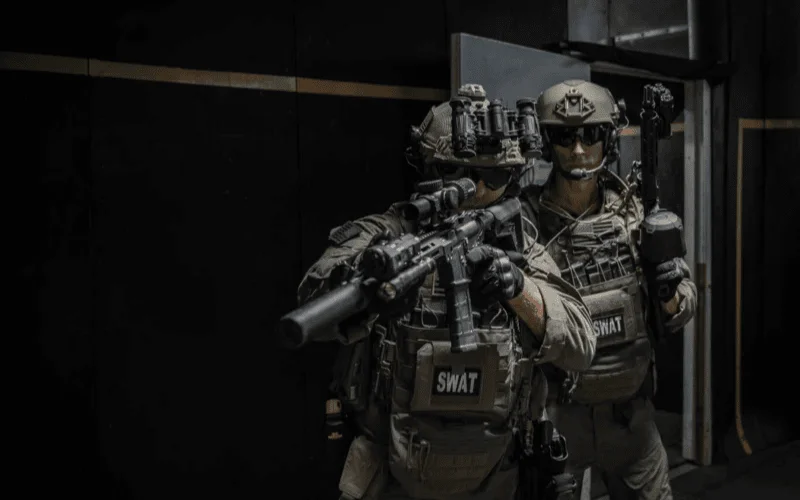
When selecting rifle armor plates for both training and duty, understanding the nuances is essential. You’ll need to weigh the benefits of different materials, like ceramic or steel, and how they affect your mobility and protection. It’s not just about stopping bullets; it’s about ensuring your gear fits right and performs under pressure. Making the right choice can significantly impact your effectiveness and safety in the field.
?️ Professional-Grade Multi-Curve Protection
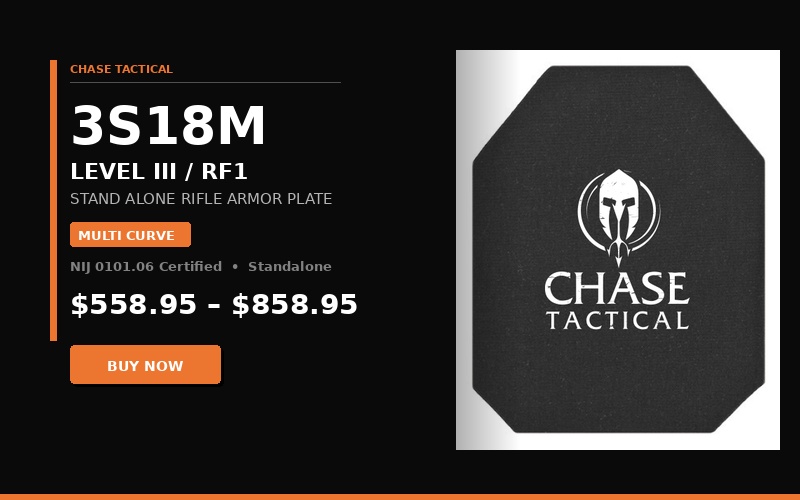
The Chase Tactical 3S18M Level III RF1 Stand-Alone Rifle Armor Plate delivers NIJ RF1-certified protection against common rifle threats and features superior multi-curve ergonomics. Designed specifically for law enforcement and tactical professionals, this plate balances rifle-stopping capability with reduced weight and enhanced mobility for extended training sessions and operational duty.
Understanding Protection Levels
The National Institute of Justice (NIJ) classifies armor into five levels: IIA, II, IIIA, III, and IV. Level IIA and II are soft armors designed for handgun threats like 9mm and .40 S&W, but they’re not suitable for rifle protection. Understanding what Level IIIA armor protects against helps establish the baseline for handgun protection.
For rifle protection, Level III hard plates stop 7.62×51mm NATO rounds, balancing weight and mobility, making them ideal for law enforcement and training applications. Level IV offers the highest level of protection, capable of stopping .30-06 armor-piercing rounds, though it is heavier and typically reserved for extreme-threat scenarios.
Intermediate Level III+ addresses specific threats, such as M855 green tip 5.56mm rounds. Armor plates are critical for law enforcement, military, security teams, and civilians, significantly impacting survival in dangerous situations. Each level serves distinct needs, ensuring you select armor that aligns with the specific threats you might face during training and duty.
Material Types and Their Applications
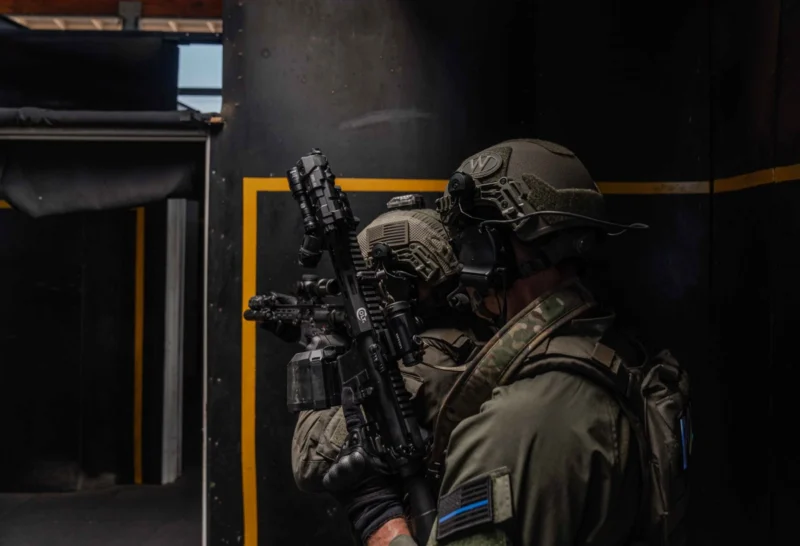
Steel Plates for Training
Steel plates like AR500 or AR550 are excellent for durability-focused civilian training, offering affordability and exceptional multi-hit capability. These plates weigh 8–10 lbs each, which can impact mobility during extended wear. Steel plates provide reliable protection for training environments where cost-effectiveness and durability are priorities. However, the added weight can cause fatigue during long training sessions.
Ceramic Plates for Duty Use
Ceramic plates provide high ballistic performance and protection against armor-piercing rounds, making them ideal for military and law enforcement duty use. They’re lighter at 5–7 lbs but have limited multi-hit capability. Level IV plates primarily consist of ceramic composites such as boron carbide or aluminum oxide, designed to shatter and disperse armor-piercing rounds, minimizing blunt trauma to the wearer.
Polyethylene Plates for Extended Missions
Polyethylene plates are the lightest option, perfect for daily patrols and extended missions where weight reduction is critical. However, they’re less effective against high-velocity armor-piercing threats compared to ceramic alternatives. These plates excel at stopping lead and mild steel-core rounds while providing maximum comfort during extended wear.
Hybrid Plates for Dynamic Operations
Hybrid plates combine ceramic and polyethylene, offering a balanced solution against advanced threats with better mobility and reduced weight. These are suitable for dynamic training scenarios and operational environments requiring both protection and agility. Hybrid designs optimize ballistic performance while maintaining reasonable weight profiles.
Plate Shapes and Cuts for Optimal Fit
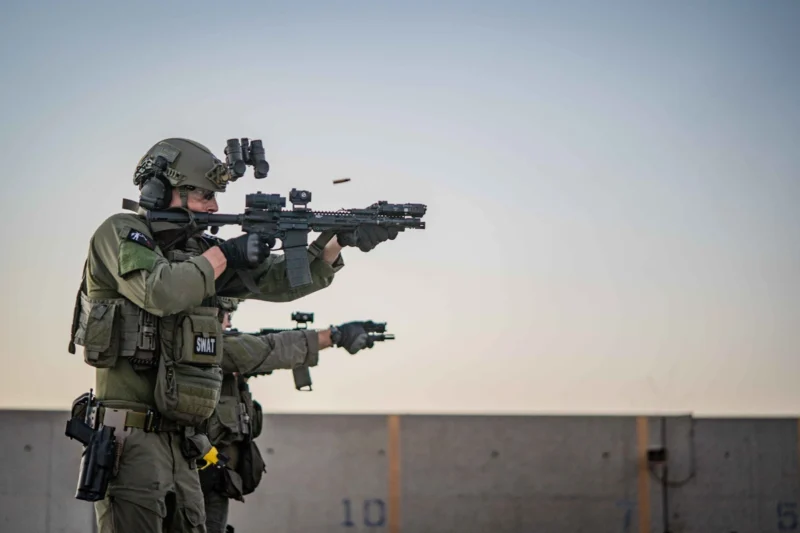
Full Cut Design
Full cut offers the broadest coverage, which is perfect for static positions, but it limits shoulder mobility. This design provides maximum protection for vital organs but may restrict arm movement during dynamic activities like weapon handling or close-quarters maneuvering.
Shooters Cut Design
For a balance between protection and movement, the shooters’ cut is ideal, with angled top corners that make it perfect for tactical scenarios. This cut allows for better weapon shouldering and arm mobility while maintaining essential coverage over your cardiac box. It’s become the standard for tactical applications.
Swimmers Cut Design
If you need greater arm mobility, like in disaster relief operations or water-based activities, the swimmers cut provides that flexibility at the cost of slightly less coverage. This design significantly improves range of motion for overhead movements and extended arm activities.
SAPI Cut Design
For military-grade protection, the SAPI cut offers extensive coverage with its standardized design. It’s crucial to understand plate cuts before making a purchase to ensure the armor meets your operational needs. This design provides compatibility across military carrier systems.
Plate Curvature Options
Understanding the differences between single-curve vs multi-curve armor plates helps you appreciate how curvature affects comfort and coverage. Single-curves provide basic comfort and ergonomic fit, while multi-curves offer a snug fit that conforms to your body, enhancing mobility and reducing coverage gaps. Multi-curve designs distribute weight more evenly and improve overall comfort during extended wear.
Sizing Standards and Considerations
Standard Plate Sizes
For most adults, 10″ × 12″ plates are common and effectively cover about 75-80% of users. If you’re larger, consider 11″ × 14″ plates to ensure complete coverage of vital organs, while smaller builds might find 8″ × 10″ plates more comfortable without sacrificing essential protection.
Proper Plate Positioning
The front plate should rest at your sternal angle—the point where your ribs meet at the center of your chest. The back plate should sit 1-2 vertebrae below your vertebra prominens, the prominent bone you can feel at the base of your neck. Ensure plates don’t dip below 1-3 inches above your belly button to maintain mobility and comfort during extended wear.
Measuring for Proper Fit
Ensure your armor effectively protects the vital organs in the cardiac box by accurately measuring the width from nipple to nipple and the height from the sternal notch to the bottom edge. If you’re between sizes, choose larger for coverage, but mind mobility constraints. Avoid plates that extend to the beltline, as this compromises comfort and range of motion.
For comprehensive protection, consider layering soft armor with plate carriers to maximize coverage and comfort during training and operational duty.
Performance Traits for Training and Duty
Ceramic Performance Characteristics
Ceramic plates offer lightweight construction with high ballistic performance, effectively stopping high-velocity rounds. They excel in operational environments where weight reduction is critical, though their multi-hit capability may be limited after initial impacts in close proximity.
UHMWPE Performance Characteristics
UHMWPE plates excel against lead and mild steel-core rounds, providing a lightweight and impact-resistant option. These plates are ideal for extended training sessions and daily patrol duties where reduced fatigue is essential for maintaining operational effectiveness.
Steel Performance Characteristics
Steel plates, though heavier, are cost-effective, offer superior multi-strike capabilities, and reduce backface deformation. They’re excellent for training environments where plates may be subjected to repeated impacts without compromising protective integrity.
NIJ Rating Considerations
When considering NIJ ratings, RF1 and RF2 provide protection against most rifle threats, while RF3 is designed for armor-piercing threats. Hard armor plates typically range in thickness from 0.75″ to 1.25″, which influences their protective capabilities and weight. While ceramics might compromise after impacts, steel alloys guarantee unmatched multi-hit performance. Choosing the right plate involves balancing protection, weight, and durability for your specific training and operational needs.
Conclusion
When choosing rifle armor plates for training and duty, prioritize protection levels that match your specific operational needs. Consider the advantages of different materials—ceramic for lightweight defense, steel for training durability, or hybrid designs for balanced performance. Ensure the plate shape and cut provide a suitable fit that maintains mobility while protecting crucial areas. By carefully evaluating sizing, material selection, and performance characteristics, you’ll enhance both your safety and operational effectiveness in training and field environments.
Frequently Asked Questions
How do I maintain and clean my rifle armor plates?
Wipe your armor plates with a damp cloth and mild soap for tough stains. Use cold water, dry thoroughly, and avoid submersion. Inspect monthly for damage, store in a cool, dry place, and consult the manufacturer’s instructions for specific care guidelines.
What is the lifespan of a typical armor plate?
A typical armor plate’s lifespan varies, ranging from 5 to 20+ years depending on the material, usage, and storage. Regularly inspect for damage, store properly, and replace if compromised. Steel lasts longest, while ceramic and polyethylene need careful handling.
Can rifle armor plates be used underwater?
Yes, you can use rifle armor plates underwater, but buoyancy varies by material. UHMWPE plates float, aiding mobility, while ceramic plates don’t. Short-term water exposure doesn’t degrade their integrity, but avoid prolonged submersion.
Are there any legal restrictions on purchasing rifle armor plates?
You can buy rifle armor plates in most states if you’re 18 or older. However, check your state’s laws, as some states, such as Connecticut and New York, have specific restrictions. Convicted felons cannot possess them in several states.