








What Rifle Threats Does Level IV Armor Stop? Complete Protection Guide

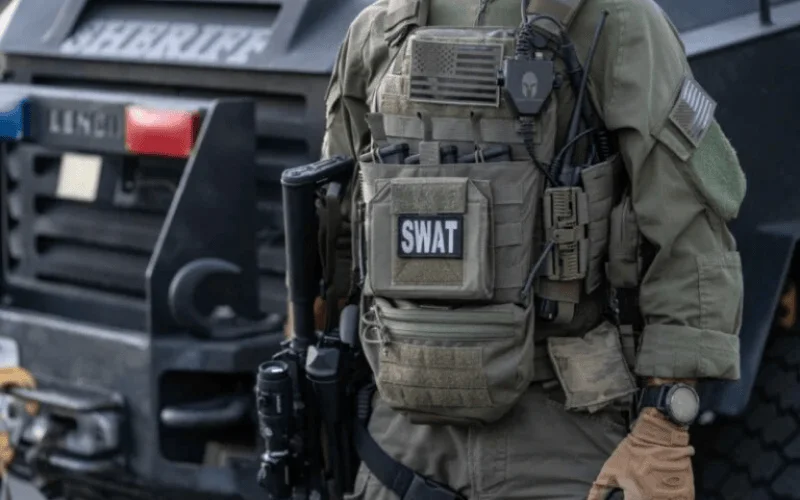
When considering protection against high-caliber rifle threats, Level IV armor stands out as the highest level of ballistic defense available. It effectively stops .30 caliber M2 armor-piercing rounds and other common ammunition like 7.62×51mm NATO M80 and 5.56×45mm rounds. Understanding the specifics of what Level IV can handle is essential for anyone operating in high-threat environments.
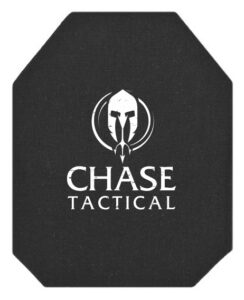
The Chase Tactical SP8 Level IV RF3 Rifle Armor Plate delivers NIJ 0.06 compliant protection against the most dangerous rifle threats, including .30-06 M2 AP rounds at 869 m/s. This single-curve plate combines advanced ceramic technology with lightweight design, offering the highest level of ballistic protection for military, law enforcement, and security professionals.
Understanding NIJ Level IV Rating
The NIJ Level IV rating, also known as RF3 in the latest NIJ draft, indicates armor capable of stopping a single hit from a .30 caliber M2 AP (.30-06) round traveling at 869 m/s. This represents the pinnacle of hard armor protection, specifically designed to stop armor-piercing rifle threats.
Level IV plates provide the highest level of ballistic protection recognized by the NIJ, making them crucial for scenarios involving high-velocity rifle rounds. While the certification ensures protection against the .30-06 M2 AP round, Level IV armor is generally expected to stop any less powerful rounds, including common rifle calibers like 5.56×45mm and 7.62×39mm. Additionally, Level IV surpasses all handgun round protection, ensuring comprehensive ballistic defense against high-caliber threats.
Key Features of Level IV Armor
Highest Rifle Protection Level
Level IV armor’s unmatched protection starts with strict adherence to NIJ standards, ensuring it’s tested against high-velocity projectiles at 2880 ft/s ± 30 ft/s. The ceramic and aramid fiber blend forms its core, offering edge-to-edge coverage and ergonomic comfort with multi-curve or single-curve designs.
You’ll appreciate its multi-hit capacity, allowing it to absorb multiple impacts effectively. Ballistic tests demand it stops a .30-06 APM2 at muzzle velocity, providing full protection against threats below Level IV. Its superior performance, even against lighter armor-piercing rounds, makes it indispensable for law enforcement, military, and security personnel operating in high-risk environments.
Armor-Piercing Threat Resistance
Level IV armor meets the NIJ Level IV requirement by defeating a .30-06 M2 AP round traveling at approximately 2,880 ft/s. This isn’t just about stopping the bullet but ensuring no penetration occurs and backface deformation stays within safe limits.
Key features include an ultra-hard ceramic strike face that breaks and blunts AP cores on impact, composite or UHMWPE backing that captures fragments and prevents perforation, and energy absorption design that balances crack containment and energy absorption. Level IV armor effectively handles 7.62×51mm NATO, 7.62×39mm, and many 5.56mm variants.
Protection Against Common Rifle Rounds
Although Level IV armor is primarily designed to stop the formidable .30-06 M2 AP round, its capabilities extend well beyond this single threat. When facing common rifle rounds, Level IV armor offers robust protection.
It can effectively stop 7.62×51mm NATO M80 FMJ rounds, which are less penetrative than the .30-06 M2 AP. You can also rely on it to handle popular 5.56×45mm rounds, including M193 and M855, as well as the enhanced M855A1. For intermediate threats like the 7.62×39mm PS Ball, Level IV armor has you covered too.
Many plates even claim multi-hit performance, ensuring a higher degree of safety. This broad protection makes Level IV armor a reliable choice against a wide range of rifle rounds. For comprehensive protection, consider layering Level IV plates with soft armor for maximum coverage.
Comparing Level IV to Level III Armor

When comparing Level IV and Level III armor, it’s crucial to understand the trade-offs between weight and protection. Level IV plates, weighing 7–8 lb each, offer superior protection but can hinder mobility and increase fatigue. In contrast, Level III plates, weighing 4–6 lb, provide a balance that favors mobility, making them suitable for many scenarios.
Level III’s lighter weight aids long patrols and training, while Level IV’s heft can slow you down but provides maximum protection. Level III suits mid-level threats, while Level IV is essential for high-threat scenarios.
Construction Differences
Level III’s steel or polyethylene construction lasts longer under rough use, while Level IV’s ceramic stops armor-piercing rounds more effectively. Level III is more affordable, easing budget constraints for teams, while Level IV represents a premium investment for maximum protection.
Multi-Hit Performance Insights
Understanding the multi-hit performance of armor is critical in high-threat environments where repeated impacts are likely. Level IV armor must stop a .30-06 M2 AP round without significant deformation.
Ceramic plates, while lighter, may lose effectiveness after several hits due to material compromise. However, modern ceramic composites ingeniously combine UHMWPE and ceramics, offering impressive multi-hit capabilities without spalling or penetration.
In contrast, steel plates excel in multi-hit scenarios, maintaining structural integrity despite their heavier weight and spall generation. Testing and real-world demonstrations have shown that quality Level IV plates, like the Chase Tactical SP8 Level IV RF3, can withstand multiple hits, even from rounds exceeding standard certification.
Construction and Materials
Strike-Face Materials: The primary strike-face materials include alumina, silicon carbide, and boron carbide. These ceramics are harder than the projectiles, shattering upon impact to dissipate energy and fragment bullets.
Ceramic strike faces are brittle, so they’re bonded to a ductile backing like aramid fibers or UHMWPE, catching fragments and reducing deformation. The combination forms durable, lightweight plates compared to heavy steel alternatives.
Material Selection: While boron carbide offers the lightest option, it’s costly. Conversely, alumina is affordable but heavier. Ultimately, the choice of materials balances weight, cost, and performance, ensuring you’re protected against the toughest threats.
Operational Use and Considerations
In high-risk deployment scenarios, Level IV armor serves as an essential line of defense against potent threats like armor-piercing ammunition. You can rely on its proven capability to stop .30-06 M2 AP rounds, ensuring your safety in combat.
The armor’s multi-hit capability allows you to sustain extended engagements without compromising protection. Modern Level IV plates can withstand 5-7 M2AP rounds and perform reliably under varied environmental conditions while minimizing back face deformation and trauma during impacts.
Armor Weight Considerations
Level IV armor plates weigh between 5.5 to 7.5 pounds per 10×12 inches, affecting your agility and endurance. Lightweight materials like ceramic/UHMWPE composites offer substantial reduction in weight, enhancing performance during dynamic tasks.
Consider your mission profile when selecting armor heavier plates for high-threat scenarios and lighter options for prolonged patrols. Multi-curve designs improve comfort and weight distribution, while lighter armor in hot climates minimizes thermal load and fatigue.
Real-World Applications
Level IV armor is the standard in active combat for military units dealing with high-threat rifle protection, defending against rounds like 7.62×51mm NATO and .30-06 M2 AP. In urban warfare, it provides significant protection against surplus AP ammunition.
Law enforcement deploys it during high-risk operations, offering essential defense for SWAT teams encountering rifle or AP threats. Civilians seeking maximum protection choose Level IV for personal defense, especially in volatile situations. For static security, it shields guards at sensitive sites from potential stand-off rifle attacks.
Conclusion
If you’re looking for top-tier protection, Level IV armor stands out by stopping high-caliber and armor-piercing rounds, including the formidable .30-06 AP. It doesn’t just handle common threats like the 7.62×51mm NATO and 5.56×45mm rounds; it also excels in multi-hit scenarios. While it’s heavier than Level III armor, the Chase Tactical SP8 Level IV RF3 provides NIJ-certified protection you can trust. Choose Level IV when you can’t compromise on safety in high-threat environments.
Frequently Asked Questions
How does Level IV armor perform against underwater rifle shots?
Level IV armor’s effectiveness against underwater rifle shots is limited. Water rapidly decelerates bullets, reducing their threat. However, close-range, high-velocity shots may still penetrate if they hit before losing speed or fragmenting.
What is the shelf life of Level IV armor plates?
Level IV armor plates usually have a shelf life of 5–10 years. Ensure proper storage to maximize lifespan. Avoid dropping them, and protect from moisture and extreme temperatures. Regular inspections and following manufacturer guidelines help prolong their effectiveness.