






Light-weight Military Gear for Weight Reduction During Operations

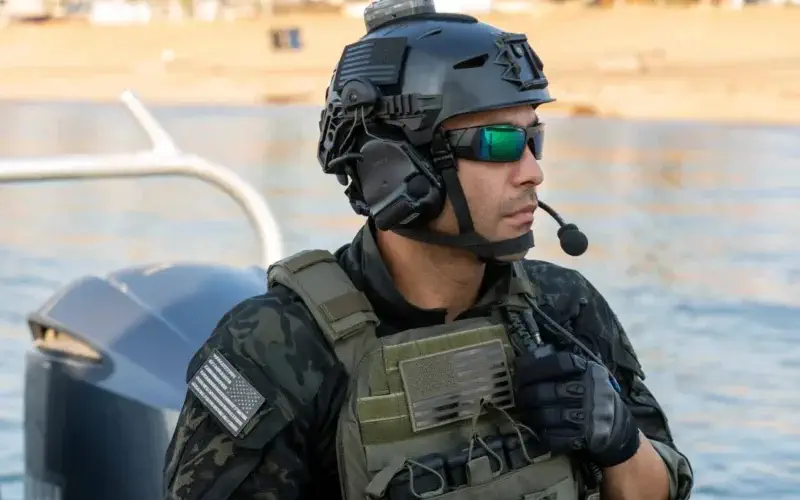
Every ounce counts in military activities. Heavy equipment can significantly affect a soldier’s performance, making them tired, slower, and less effective—excessive weight results not only in reduced stamina but also reduced mobility and endurance. Therefore, the ability to eliminate any redundant weight is crucial for maintaining high performance. Smart, lightweight military gear, such as lightweight body armor, reduces this burden and allows soldiers to accomplish their mission without being weighed down by excessive baggage.
Gear up smart with Chase Tactical’s lightweight and heavyweight military gear, built for performance and endurance.
How does lightweight military gear reduce the burden on soldiers?

Lightweight military gear is meant to minimize the essential gear without leaving anything important behind. Limiting unnecessary weight allows soldiers to retain energy and maintain mobility throughout their operations. The key to this is functional design gear that emphasizes utility and portability, ensuring soldiers can carry what they need without adding superfluous weight.
Lightweight gear distributes weight more evenly, reducing strain on specific muscles and joints to help avoid injuries during extended military operations. Lighter gear will optimize efficiency and heighten performance in the field.
How to Avoid Unnecessary Military Gear Weight During Operations?
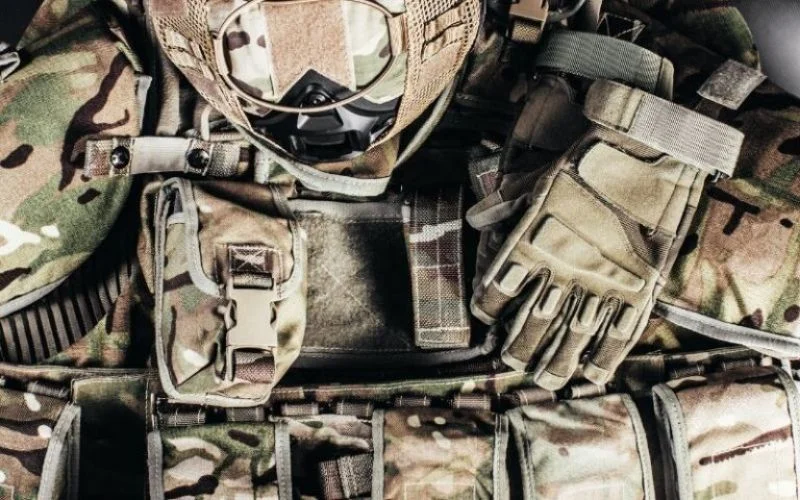
In military operations, reducing unnecessary weight is not just a luxury but a necessity. Examples of military gear to lighten the load without compromising on performance include:
Lightweight Tactical Backpacks
While tactical backpacks are important in military operations, their conventional design adds unnecessary weight. Chase Tactical backpacks focus on durability and weight reduction. The construction uses lightweight materials such as nylon or Cordura, reducing bulk and enhancing the backpack’s strength. They have adjustable straps and a load distribution system that evenly distributes the weight to avoid unnecessary strain on the equipment operator.
Advanced Body Armor
While body armor is paramount for protection, earlier models were usually bulky and cumbersome, compromising mobility. Lighter materials have been used in modern body armor to provide a higher level of security while keeping the weight as low as possible, including Kevlar and ceramic composites. These make it easier for the soldier to move and remain agile while still being protected from various threats such as gunfire and shrapnel.
Lightweight Sleeping Systems
In the field, the recovery and rest of a soldier are crucial. Traditional sleeping systems were bulky, but modern, light solutions exist to save space and weight. Compact sleeping bags and bivy sacks use lightweight, yet strong materials that allow soldiers to rest without the extra weight. This facilitates greater mobility and enables soldiers to recover effectively during extended operations.
Minimalist Tactical Apparel
Modern tactical wear features lightweight, flexible, and breathable fabrics. With materials such as moisture-wicking polyester and ripstop nylon, military uniforms have ceased to be heavy, overbearing garments. These materials help keep soldiers cool and comfortable, reducing fatigue without compromising durability or protection.
Compact Communication Devices

Communication is indispensable for coordinating operations, but bulky devices can add significant weight quickly. Today, compact and lightweight radio communication gear with radio pouch ensures that soldiers remain connected without adding extra burden. These are optimized to be as lightweight as possible, helping soldiers stay in touch without carrying unnecessary equipment.
Lightweight Hydration Systems
Hydration in the field is critical, but numerous heavy water bottles or packs add a lot of weight. In light of this, soldiers use Chase tactical small hydration pack to stay hydrated while keeping weight to a minimum. These systems are often attached to a backpack, making access to water easier without the hassle associated with large containers.
Portable Solar Chargers
In contemporary operations, soldiers depend on power to run their devices. Traditional batteries are heavy, whereas portable solar chargers offer a lightweight option. Compact solar panels allow a soldier to recharge their device without added bulk, providing the power they need without the weight of traditional battery packs.
Conclusion
There’s a whole new dimension of military operations opened up through the concept of reducing unnecessary weight. Lightweight gear means soldiers carry only what’s necessary, thereby making them more efficient and quicker, with better stamina. Everything, from lightweight tactical backpacks to hydration systems, was designed to minimize weight without sacrificing functionality in modern military gear. Smart and efficient gear not only enhances performance in the field but can also serve as a model for weight-reduction strategies in other areas.
Frequently Asked Questions
What materials make military gear lightweight?
Other materials commonly used in today’s military gear include nylon, Cordura, Kevlar, and ceramic composites. These provide durability while drastically reducing weight.
Is lightweight military gear only for soldiers?
While intended for military use, lightweight gear is also popular among hikers, outdoor enthusiasts, and fitness enthusiasts who want efficient, durable equipment without unnecessary weight.
How much weight reduction can I expect by using lightweight gear?
Soldiers can expect to lose several pounds of unnecessary weight, depending on their gear. This weight reduction will improve their mobility and help reduce fatigue.
Does using lightweight gear pose any risks?
Poorly fitted or badly used lightweight gear may cause discomfort or muscle imbalance. It is imperative that the gear is fitted well and used correctly for maximum benefit.