








Alternatives to shoulder pads for comfort


When you carry important gear, like a plate carrier, radio pouch, hydration pack, or rifle sling, comfort becomes essential. It’s not just a luxury; it’s a necessity. The strain of gear pressing into the shoulders can slow reaction time, create fatigue, and even lead to injury.
For military and law enforcement officers, replacing bulky shoulder pads with lighter, flexible ones can improve endurance and performance. Let’s explore what works, what doesn’t, and how you can upgrade your load‑carriage for superior comfort without sacrificing functionality.
Why are traditional shoulder pads sometimes ineffective?

Traditional shoulder pads are a standard feature in many tactical gear setups, but they aren’t always the solution to long-term comfort. While they provide cushioning, they come with their own set of problems.
- They can add unnecessary bulk, limiting mobility.
- Rigid pads often concentrate pressure in one spot rather than evenly distributing it.
- Over time, they can trap heat, causing discomfort or chafing.
- For tactical users, any discomfort or restriction in movement may compromise performance and mission effectiveness.
Understanding these limitations is the first step toward finding shoulder pads designed for tactical use or alternatives that enhance comfort without sacrificing performance.
What are the alternatives to shoulder pads for comfort?
When traditional shoulder pads don’t meet your needs, several alternatives can provide superior comfort and functionality. These solutions focus on better weight distribution, increased mobility, and reducing fatigue, while still supporting the demanding nature of tactical operations.
Modular plate‑carrier systems with ergonomic shoulder architecture
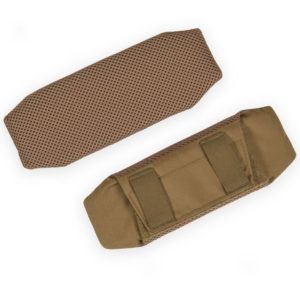
For those using plate carriers, choosing a system with an ergonomic design can make a huge difference. These plate carriers feature contoured shoulder straps and webbing that follow the body’s natural curves, minimizing pressure and allowing greater freedom of movement. Some designs even include ventilation to keep the shoulders cool, which helps reduce sweat and skin irritation during intense physical activity.
Load‑management harnesses & cross‑straps
Rather than relying on bulky shoulder pads, consider harness systems that better redistribute weight across the torso and shoulders. These systems use webbing or straps that spread the load horizontally, reducing pressure on the shoulder joints. This setup is ideal for long-term wear, as it prevents gear from digging into the shoulders and reduces fatigue over extended use.
Gel or memory‑foam removable shoulder inserts
For those who don’t want to overhaul their gear completely, removable gel or memory foam inserts provide a more comfortable solution. These inserts fit into existing shoulder straps and provide a cushioned, adaptive fit. Gel and memory foam are both effective at absorbing shock and pressure, keeping operators comfortable even when carrying heavy loads. Plus, these inserts are often low-profile, meaning they won’t add unnecessary bulk to your setup.
Expanded strap width + high‑density padding
An easy and effective upgrade is to opt for wider straps with high‑density foam padding. By distributing weight over a larger area, wide straps help prevent pressure points from forming on the shoulders. The high-density foam prevents the padding from compressing over time, providing consistent support. This modification not only improves comfort but also enhances your range of motion during operations.
Off‑body weight relocation strategies
Instead of burdening the shoulders with all the weight, consider systems that help offload the load elsewhere. For example, moving some of the gear to the waist, hips, or back can relieve strain on the shoulders. Chest rigs and belt systems are commonly used to shift weight lower on the body, thereby reducing the load on the shoulder straps. This method can significantly improve overall comfort, especially when worn for extended periods.
Conclusion
Comfort under load is essential for military and law enforcement professionals. The alternatives to traditional shoulder pads, such as harness systems, gel inserts, ergonomic plate carriers, and off‑body weight strategies, can help distribute weight more evenly, reduce strain, and improve overall mobility. By upgrading your gear with these alternatives, you can enhance your performance, reduce fatigue, and stay focused on the mission at hand.
Frequently Asked Questions
Can I just stick thicker shoulder pads on my carrier and call it good?
Thicker pads can actually create more discomfort by restricting movement and adding unnecessary bulk. It’s more effective to focus on wider straps and better padding material, which can provide the right balance of support and flexibility.
Are gel inserts compatible with all tactical carriers?
Not all carriers are designed to accommodate inserts, so it’s important to check the straps’ compatibility. Look for carriers with removable or adjustable padding to use these inserts.
Will switching to a harness or wider strap system require changing all my gear?
Not necessarily. Many harness systems and wider strap options are modular and can be integrated with your existing setup. You can start with a simple upgrade and expand as needed.
How important is material and construction in shoulder comfort gear?
Material quality plays a significant role in the durability and comfort of shoulder gear. Look for high-quality, breathable materials like closed-cell foam or moisture-wicking fabrics to prevent overheating and discomfort during long shifts.
For law‑enforcement duty wear, do shoulder pad alternatives still matter?
Absolutely, even lighter-duty rigs benefit from ergonomic designs and weight-distribution strategies. Comfort and mobility are crucial for law enforcement professionals who spend long hours on the move.