







Sudan Offers Russia Red Sea Base in Exchange for Arms


In a bold geopolitical maneuver amid its escalating civil war, Sudan has offered Russia access to a strategic naval base on the Red Sea in exchange for advanced weaponry. The proposal, reported by the Wall Street Journal, marks a dramatic shift in alliances for Khartoum, which is desperate to counter the Rapid Support Forces (RSF)—a powerful paramilitary group that Russia once backed. This deal could reshape power dynamics in the Horn of Africa, granting Moscow its first permanent military foothold on the continent and providing Sudan with critical arms to reclaim lost territory.
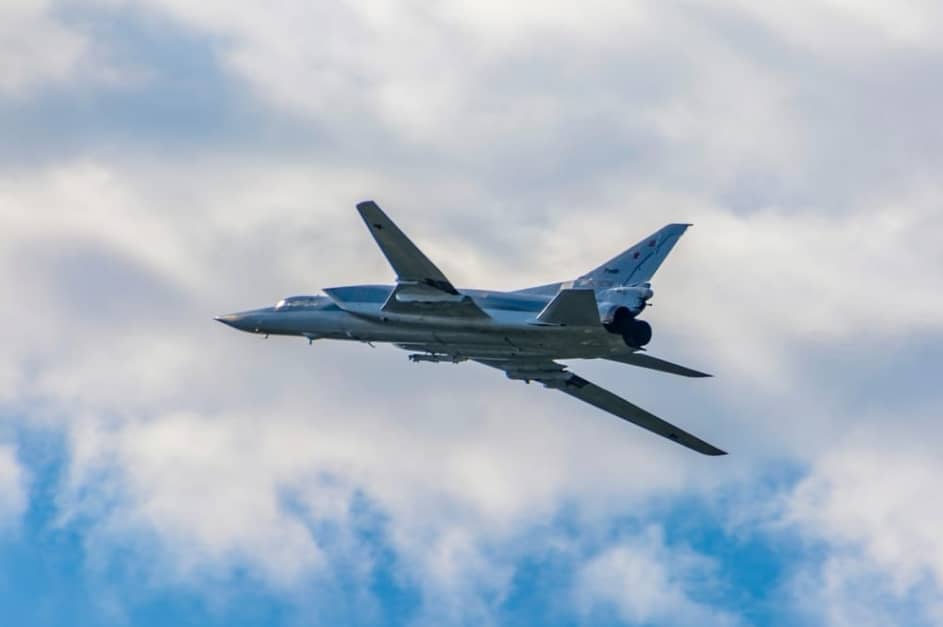
The offer centers on Port Sudan, a vital gateway for the country’s oil exports and humanitarian aid. Sudan is dangling the base as a carrot to secure preferential access to Russian military hardware, including sophisticated anti-aircraft systems and fighter jets like the Su-30 and Su-35. In return, Russia would gain lucrative mining concessions in Sudan’s resource-rich interior, tapping into gold, uranium, and other minerals that have long fueled the nation’s conflicts. According to Military Watch Magazine, these jets would significantly enhance Sudan’s air superiority, allowing the Sudanese Armed Forces (SAF) to challenge RSF dominance in aerial operations.
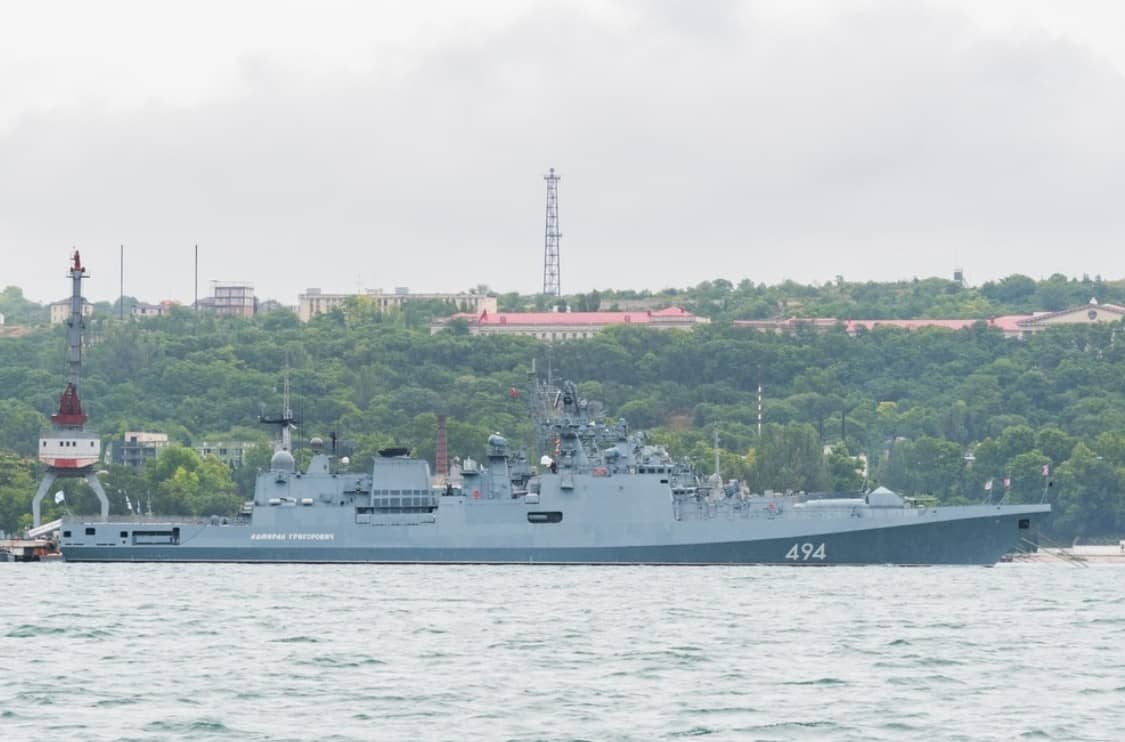
This revival of ties echoes a 2017 agreement struck under Sudan’s ousted dictator Omar al-Bashir, who promised Russia a logistics center at Port Sudan capable of hosting up to 300 personnel and four warships. That pact envisioned a 25-year lease with automatic 10-year extensions, positioning Russian vessels just miles from key shipping lanes connecting Europe, Asia, and the Middle East. However, the 2019 popular uprising that toppled Bashir led Sudan’s transitional military council to shelve the deal amid Western pressure for democratic reforms. Now, with the SAF locked in a brutal stalemate against the RSF, pragmatism has trumped ideology.
The catalyst for this renewed courtship is the RSF’s lightning capture of El-Fasher in late October 2024. As the last major SAF stronghold in Darfur, its fall handed the militia control over vast swaths of western Sudan, including gold mines that fund their insurgency. The RSF, splintered from Bashir-era janjaweed militias, has been accused of ethnic atrocities reminiscent of the 2003 Darfur genocide. Sudan’s de facto leader, General Abdel Fattah al-Burhan, views Russian support as a lifeline. “We need partners who understand our fight,” a Sudanese military source told reporters, underscoring the urgency.
For Russia, the base represents a strategic coup. Denied access to its former Tartus facility in Syria due to regional instability, Moscow seeks to project power across the Indian Ocean. The Red Sea’s chokepoint status—through which 12% of global trade flows—makes it ideal for monitoring Western naval movements and securing energy routes. Analysts warn this could accelerate Russia’s pivot to Africa, where it has already deployed Wagner mercenaries (now rebranded as Africa Corps) in nations like Mali and the Central African Republic.
Yet, the deal carries profound risks. It would inflame tensions with the United States and European Union, both of whom have sanctioned Russia over Ukraine and view its African expansion as a neo-colonial threat. Washington, already strained by Houthi attacks in the Red Sea, might respond with aid cuts to Sudan or targeted sanctions. The EU, focused on migration flows from the Horn, could see this as undermining stabilization efforts. Moreover, Sudan’s overture risks alienating Gulf allies like the UAE, accused of arming the RSF, and complicating peace talks brokered by Saudi Arabia and Egypt.
Humanitarian stakes are dire. The war, erupting in April 2023, has displaced 10 million people and killed tens of thousands, with famine looming in Darfur. A Russian arms influx might prolong the carnage, as both sides dig in. Critics argue Khartoum’s gamble prioritizes regime survival over reconciliation, potentially inviting more foreign meddling.
As negotiations unfold, the world watches a fragile nation barter its sovereignty for survival. Sudan’s Red Sea gambit underscores a grim truth: in the shadow of great-power rivalry, local wars become global chessboards. Whether this pact materializes could tip the balance in Sudan’s blood-soaked struggle—or ignite broader conflagration.