







How To Train Like A Tactical Operator: Tips And Techniques

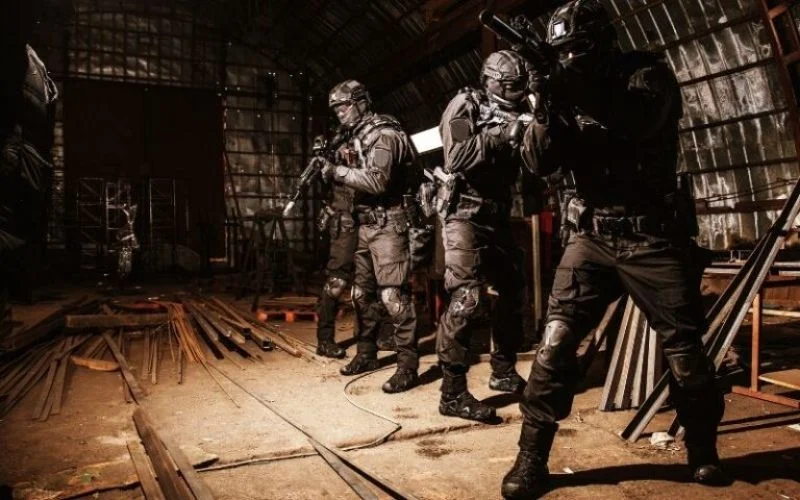
Tactical operators, whether military personnel, law enforcement officers, or special forces, require a fitness level beyond conventional workouts. Their training must prepare them for extreme physical and mental demands, including combat situations, heavy lifting, endurance challenges, and high-pressure decision-making. Unlike regular fitness enthusiasts, tactical athletes need to develop a well-rounded combination of strength, endurance, mobility, and mental toughness to thrive in their field.
This guide breaks down how to build a complete tactical workout program from the ground up, covering everything from essential equipment and warm-up protocols to strength training, endurance work, agility drills, and mental conditioning. Whether you are preparing for a career in a tactical profession or simply want to train at a higher level, these methods are field-tested and built around real operational demands.
What Is a Tactical Workout?
A tactical workout is a structured fitness program designed to prepare military personnel, law enforcement officers, firefighters, and first responders for the physical demands of their profession. Unlike conventional gym routines built around aesthetics, a tactical workout prioritizes functional fitness: the ability to perform under physical and psychological stress in unpredictable, real-world environments.
What separates a tactical workout from a standard fitness program comes down to three core principles:
- Specificity: Movements mimic real operational demands: carrying loads, climbing obstacles, dragging teammates, and sprinting under kit.
- Durability: The goal is long-term resilience, not peak one-rep maxes that leave the body broken. Injury prevention is built into every program.
- Adaptability: Tactical workout programs are designed to work around shift work, deployment schedules, and varying access to gym equipment.
The term “tactical athlete” reflects this distinction. These individuals must perform at a high level not just during scheduled training sessions but at any moment, under any conditions, with minimal recovery time. That demands a more complete approach to fitness than bodybuilding or recreational sport training can provide.
Why Is It Important To Train Like A Tactical Operator?
Before diving into specific techniques, it’s important to understand why tactical training is so effective and unique. Tactical athletes do not train to look fit; they train to be operationally ready and to develop practical survival skills. Every movement is designed to mimic real-world situations, enhancing the ability to perform under stress. Their fitness training focuses on the following:
- Functional Strength: The ability to easily lift, carry, and move in unpredictable environments.
- Endurance: Stamina to sustain physical exertion over prolonged periods.
- Agility and Mobility: Quick movements and transitions that help avoid injury and enhance performance.
- Mental Toughness: Staying composed and performing well under stress or fatigue.
Key Components Of Tactical Training
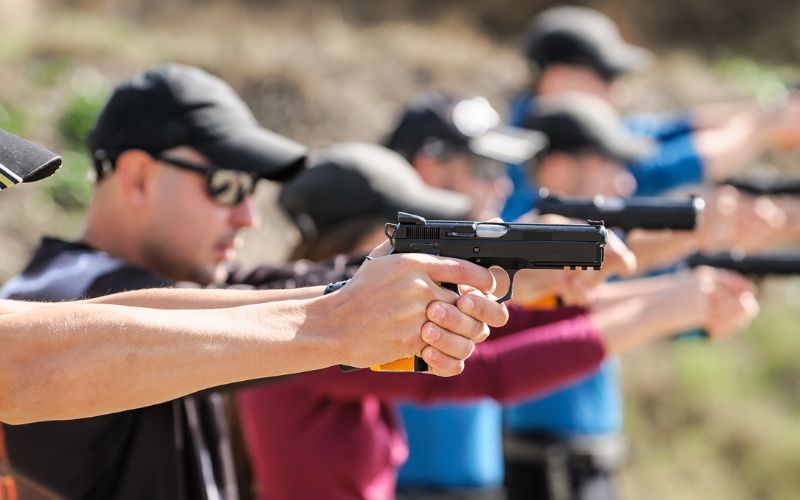
Training as a tactical operator requires balancing several components. The most effective approach integrates strength, cardiovascular fitness, mobility, and mental resilience into a single cohesive program rather than training each in isolation. Let’s break down each area in detail.
1. Strength Training
Tactical operators must develop functional strength to handle physical challenges like lifting heavy objects, pulling, climbing, and carrying tactical gear over long distances. Here’s how you can build functional strength effectively:
Compound Movements
Tactical athletes focus on compound movements that target multiple muscle groups simultaneously, mimicking the types of lifts and carries they’ll encounter in the field. Prioritize exercises like:
- Deadlifts simulate lifting heavy equipment, carrying a person, or even carrying military equipment. Deadlifts develop posterior chain strength, which is critical for rucking and load carries.
- Squats: Strong legs are critical for tactical operators who often move quickly under load. Back squats and goblet squats both transfer well to field performance.
- Pull-ups: Excellent for developing upper body strength, a necessity for climbing and pulling movements. Weighted pull-ups are a staple in military fitness programs worldwide.
- Push-ups: A full-body movement that also builds core stability and upper-body endurance. They require no equipment and can be performed anywhere, which is a key advantage for tactical athletes with unpredictable schedules.
Load Bearing
Tactical operators often train with added weight. Incorporating rucking—walking or running with a weighted backpack—is a great way to build strength while improving cardiovascular fitness.
Rucks develop the muscles, joints, and connective tissue needed to sustain performance under load across extended distances. Start with 15–20 lbs and increase weight gradually over several weeks. Sandbags are another low-cost tool that simulates the awkward, shifting loads common in operational environments.
Work capacity, the ability to sustain high output over time, is a direct product of consistent load-bearing training. It is one of the most important physical qualities for any tactical athlete and one of the most neglected by those coming from a traditional gym background.
Unilateral Exercises
Tactical operators frequently use one side of their body to perform movements, such as holding a weapon or pulling a teammate to safety. To mimic this, incorporate unilateral exercises like single-arm presses, lunges, and single-leg deadlifts and Bulgarian split squats to build balance and correct left-to-right strength imbalances. These movements also reduce injury risk by ensuring that neither side of the body compensates for the other during high-load activities.
2. Endurance Training
While strength is critical, endurance plays a major role in tactical fitness. The ability to perform physically demanding tasks over extended periods without fatigue is essential. Tactical endurance differs from marathon training; it must function alongside strength, not in its place.
High-Intensity Interval Training (HIIT)
Tactical situations often involve bursts of intense activity followed by periods of lower intensity. HIIT workouts are perfect for simulating these conditions. In HIIT, you alternate between short bursts of intense effort and recovery periods. Some examples include:
- Sprint intervals (30 seconds of all-out effort, followed by 1-minute rest)
- Circuit training with exercises like burpees, kettlebell swings, and sprints
- Assault bike or rowing machine intervals (20 seconds max effort, 40 seconds rest, 8–10 rounds)
HIIT builds the anaerobic capacity needed when a mission suddenly demands a sprint, a climb, or a carry, without warning and without time to pace yourself.
Steady-State Cardio
While HIIT is excellent for anaerobic endurance, steady-state cardio is also necessary to develop aerobic capacity, particularly at varying threat levels that demand prolonged readiness. Long-distance running, swimming, or cycling can help build the stamina required for extended physical exertion during these differing threat levels.
Aim for at least one long weekly cardio session, focusing on maintaining a steady pace for 30-60 minutes. Rucking at a moderate pace counts as steady-state cardio and doubles as load-bearing training, making it the most time-efficient endurance tool in the tactical athlete’s toolkit.
3. Agility And Mobility Training

Tactical operators must be able to move efficiently and quickly. Agility allows them to change direction rapidly, while mobility ensures their bodies can move through a full range of motion without restrictions. Here’s how you can improve your agility and mobility:
Plyometrics
Plyometric exercises—such as box jumps, bounding, and lateral jumps train your body to generate force quickly. These movements simulate quick direction changes and explosive movements often required in tactical situations. Depth jumps and broad jumps are particularly effective for developing the lower-body power and precision that translate directly to field performance.
Ladder Drills
Agility ladder drills improve footwork, coordination, and speed. Performing drills like high knees, lateral runs, and in-and-out foot movements develops both coordination and agility. These drills also reinforce discipline in movement patterns, a quality that matters when performing under fatigue.
Flexibility and Mobility
Tactical operators focus on mobility exercises and stretching to prevent injury and maintain optimal movement patterns while carrying heavy tactical tools. Incorporate the following mobility practices into your routine:
- Dynamic stretching before workouts (e.g., leg swings, arm circles)
- Foam rolling to reduce muscle tightness and improve blood flow
- Yoga or mobility flow routines to enhance overall flexibility and body awareness
- Hip flexor and thoracic spine work: two areas commonly restricted in tactical athletes who spend time in low or static positions
4. Mental Toughness And Resilience
Tactical operators face extreme stress, fatigue, and pressure, which require immense mental toughness. Developing mental resilience will help you push through discomfort and stay focused when your body is exhausted. This is not a soft skill; it is a trainable physical attribute that is built through deliberate, repeated exposure to discomfort during training.
Cold Exposure
Training under harsh environmental conditions, such as cold exposure, forces your body and mind to adapt to discomfort. Practices like cold showers or ice baths can increase stress tolerance and improve focus.
Consistency matters more than duration; brief daily cold exposure builds the mental discipline needed to push forward when conditions deteriorate.
Visualization Techniques
Many tactical operators use visualization to mentally rehearse their performance under high-pressure situations. Before a workout or challenging event, take a few minutes to visualize yourself completing the task successfully, imagining how you will overcome obstacles. Elite military selection programs consistently cite mental preparation as a differentiator between candidates of equal physical ability.
Breathing Exercises
Controlled breathing reduces stress, maintains focus, and improves performance under pressure. Box breathing (inhale 4 seconds, hold 4, exhale 4, hold 4) is a technique used across military and law enforcement training programs. Practicing it during rest periods in your workouts, not just at rest, teaches the body to recover faster under real operational conditions.
Essential Equipment for a Tactical Workout
One advantage of tactical training is that it does not require a fully equipped gym. Most tactical workout programs are designed to be performed using a small kit that you can carry with you. Here is what you need at each level:
Minimal Setup (Home or Field)
- Weighted ruck or backpack: The single most important piece of equipment for tactical fitness. Load it with weight plates, sandbags, or books and use it for rucking, step-ups, and farmer carries.
- Pull-up bar: A doorframe pull-up bar covers pull-ups, hanging knee raises, and rows. Non-negotiable for upper-body pulling strength.
- Kettlebell (35–53 lbs): Covers swings, Turkish get-ups, goblet squats, and presses. One kettlebell and a backpack can run a complete tactical program.
- Jump rope: Lightweight, cheap, and highly effective for conditioning and footwork training.
Gym-Based Setup
- Barbell and plates: Enables deadlifts, squats, bench press, overhead press, and rows: the compound movement foundation of any serious strength program.
- Dumbbells: Support unilateral training and accessory work. A set ranging from 20 to 60 lbs covers most needs.
- Sandbag: Mimics the awkward, shifting loads common in real-world tactical tasks. Carries, cleans, and shoulder drills with a sandbag transfer directly to field performance.
- Assault bike or rowing machine: Both provide the high-intensity cardio conditioning that running alone cannot replicate, with lower impact on joints under heavy training loads.
Whether you train at home or in a gym, the priority is always movement quality and progressive overload, not equipment complexity. Some of the most effective tactical fitness programs in history have been built entirely around bodyweight, a ruck, and open ground.
Building A Tactical Operator Training Plan

A complete tactical workout program needs to be balanced across all physical qualities, not weighted toward any single component. Here is the weekly structure that reflects what Page 1 tactical fitness programs recommend:
- Strength Training: 3-4 weekly days, focusing on compound movements and functional strength exercises.
- Endurance Training: 2-3 days per week, incorporating HIIT and steady-state cardio sessions.
- Agility and Mobility Work: 2 days per week, using plyometrics, agility ladder drills, and mobility exercises.
- Recovery and Flexibility: 1-2 days per week, focusing on active recovery, foam rolling, yoga, or stretching.
- Mental Toughness Drills: 2–3 times per week: cold exposure, visualization, or breathing exercises integrated into existing sessions.
The total training frequency should be 4–6 days per week for most tactical athletes, with at least one full rest day per week. More is not always better; recovery is when adaptation happens, and tactical athletes who skip rest days accumulate injuries that pull them off training entirely.
Example Tactical Operator Weekly Training Plan
Monday: Strength Training (Upper Body)
- Pull-ups: 3 sets of 8-10 reps
- Deadlifts: 4 sets of 5 reps
- Push-ups: 4 sets of 12-15 reps
- Single-arm dumbbell press: 3 sets of 8 reps per side
- Barbell bent-over rows: 3 sets of 8 reps
Tuesday: HIIT + Agility Drills
- Sprint intervals: 10 x 30-second sprints, 1-minute rest
- Agility ladder drills: 3 rounds
- Box jumps: 3 sets of 10
- Lateral bounds: 3 sets of 10 per side
Wednesday: Strength Training (Lower Body)
- Squats: 4 sets of 5 reps
- Lunges: 3 sets of 10 reps per leg
- Step-ups with weight: 3 sets of 12 reps
- Kettlebell swings: 3 sets of 15 reps
- Single-leg deadlifts: 3 sets of 8 reps per side
Thursday: Steady-State Cardio
- 45-minute moderate-paced run, swim, or 60-minute weighted ruck (25–35 lbs). Rucking is the preferred option for most tactical athletes as it simultaneously builds endurance and load-bearing capacity.
Friday: Strength Training (Full Body)
- Farmer’s carries: 3 sets of 30 meters
- Push press: 3 sets of 8 reps
- Plank: 3 sets, hold for 1 minute
- Turkish get-ups: 3 sets of 5 per side
- Bench press or floor press: 3 sets of 8 reps
Saturday: Mobility and Flexibility
- Yoga flow or dynamic stretching routine for 30 minutes
- Foam rolling
- Hip flexor and thoracic spine mobility work: 15 minutes
Sunday: Active Recovery
- Light stretching, walking, or swimming for 30-45 minutes
- Breathing practice: 10 minutes of box breathing or diaphragmatic breathing
Warm-Up and Recovery for Tactical Athletes
How to Warm Up Before a Tactical Workout
A proper warm-up is not optional; it is part of the training session. Skipping it increases the risk of injury and reduces performance, particularly during high-intensity programming. A tactical warm-up should take 8–12 minutes and include:
- General warm-up (3–5 min): Light jogging, jumping jacks, or row machine at low intensity to raise core temperature and increase blood flow to working muscles.
- Dynamic stretching (3–4 min): Leg swings, arm circles, hip circles, inchworms, and walking lunges. Dynamic movement prepares joints through their full range of motion.
- Movement-specific activation (2–3 min): Glute bridges before lower body sessions, band pull-aparts before upper body work, or bodyweight squats before a loaded squat session.
Recovery: The Component Most Tactical Athletes Neglect
Recovery is not passive. It is an active process that determines how much of your training the body can actually absorb and convert into performance gains. For tactical athletes training 4–6 days per week at high intensity, recovery practices are not optional extras; they are part of the program.
- Sleep: 7–9 hours is the single most powerful recovery tool available. Sleep deprivation degrades strength, reaction time, decision-making, and injury resistance: all qualities a tactical athlete cannot afford to lose.
- Nutrition timing: Consuming protein and carbohydrates within 30–60 minutes of training accelerates muscle repair and glycogen replenishment. Aim for 0.7–1g of protein per pound of bodyweight daily.
- Active recovery sessions: Light movement on rest days, such as walking, swimming, or yoga, promotes circulation and reduces soreness without adding training stress.
- Soft tissue work: Foam rolling and mobility work on rest days keep muscles, tendons, and joints healthy through high-volume training blocks.
Injuries are the leading cause of lost training time for tactical athletes. A disciplined recovery protocol is the most effective injury prevention strategy available.
Conclusion
Training as a tactical athlete requires a balance of functional strength, cardiovascular endurance, agility, mobility, mental toughness, and disciplined recovery. Whether you are preparing for a tactical career or simply want to train at a higher level, this program provides the structure to build physical and psychological resilience that translates into real-world performance. Implement the tactical workout plan above consistently, track your progress over 8–12 week cycles, and you will build a body and a mindset ready for whatever comes next.
Frequently Asked Questions
What is a tactical workout?
A tactical workout is a fitness program designed for military, law enforcement, firefighters, and first responders. It prioritizes functional strength, cardiovascular endurance, and mental toughness over aesthetics; it trains the body to perform under physical and psychological stress in real-world conditions.
How does a tactical workout differ from a regular gym program?
Regular gym programs typically optimize for appearance or sport-specific performance. A tactical workout is built around operational demands: load-carrying, sustained exertion, rapid direction changes, and performance under stress. It combines strength, endurance, and mental conditioning in a way traditional bodybuilding or cardio-only programs do not.
What equipment do I need for a tactical workout?
A weighted ruck or backpack, a pull-up bar, and a kettlebell cover most tactical training needs. Adding a barbell, dumbbells, and a sandbag enables the full range of compound strength work. Most effective tactical programs are designed to be run with minimal equipment, at home or in the field.
What’s a typical tactical training regimen?
A balanced tactical fitness program combines 3–4 strength sessions, 2–3 endurance sessions, and 2 agility and mobility sessions per week. Programs are structured around high-volume, functional movements that mimic real-world mission demands: rucking, carries, compound lifts, and sprint intervals.
Are tactical workouts good for beginners?
Yes, with appropriate scaling. Most tactical workout movements (push-ups, pull-ups, squats, and rucking) can be modified for any fitness level. Beginners should start with lighter loads, shorter distances, and lower intensity, building volume and intensity progressively over 8–12 weeks before moving to advanced programming.
Do I need to warm up and cool down?
Yes. Warm-ups boost performance and reduce injury risk. Cool-downs and active recovery sessions aid adaptation. Skipping either affects long-term results, particularly under the high-intensity, high-volume demands of tactical programming.
How long does a typical tactical workout session last?
Most tactical workout sessions run 45–75 minutes, including warm-up and cool-down. High-intensity sessions may be shorter (35–45 minutes) while strength days and ruck sessions can run longer. Consistency over months matters far more than session length.
Is bodyweight training enough?
For foundational fitness, yes. Bodyweight training is standard in many tactical programs and can be highly effective when performed at intensities and volumes comparable to loaded training. Adding a ruck and a pull-up bar significantly expands what bodyweight programming can achieve.