








Body Armor And Self-Defense: Ethics for Civilians

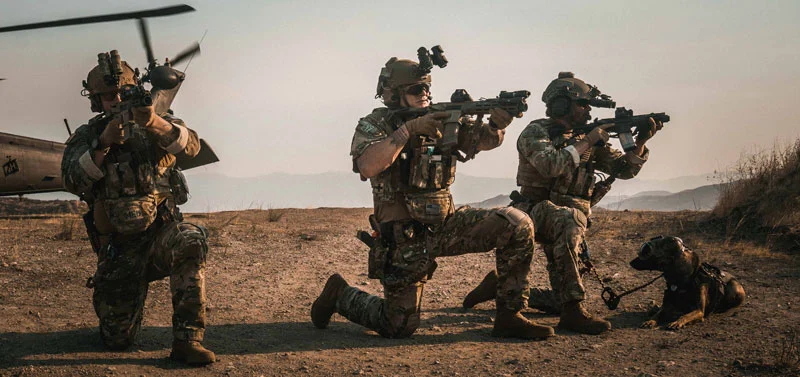
In a society where personal security is continually increasing, most civilians opt for body armor as a form of self-defense. Although body armor offers added protection, this guide will help you understand civilian body armor options, protection levels, legal requirements, and how to choose the right defense armor for your needs.
Why Are Civilians Turning To Body Armor?
As safety concerns rise, people seek more advanced ways to protect themselves. Once exclusive to law enforcement and military personnel, body armor has become a viable option for civilians. Understanding the practical applications and choosing the right protection level is essential for making an informed decision.

Best Body Armor for Civilians: Protection Levels Explained
Choosing the right body armor starts with understanding NIJ (National Institute of Justice) protection levels. Each level is designed to stop specific types of threats, and civilians should select based on a realistic risk assessment.
Understanding NIJ Protection Levels
Level IIIA (Soft Body Armor) is the most popular choice for civilians. Level IIIA body armor stops handgun rounds up to .44 Magnum, which represents the vast majority of civilian threats. It’s lightweight, concealable under clothing, and comfortable for extended wear.
Level III (Hard Armor Plates) is designed to stop rifle rounds, including 7.62mm NATO. This level is appropriate for civilians in high-risk professions, such as private security or journalism in conflict zones. It requires a plate carrier and adds significant weight.
Level IV (Maximum Protection) stops armor-piercing rifle rounds. This is the highest protection level but comes with considerable weight, typically 7-8 pounds per plate. Most civilians don’t need this level unless working in extremely high-risk environments.
Soft Body Armor is made from flexible materials like Kevlar or UHMWPE and is designed for concealment and comfort against handgun threats. Hard Armor Plates are made from ceramic, steel, or polyethylene, providing rifle protection but with added bulk and weight.
For comprehensive information, visit our body armor levels guide to find the level that best matches your needs.
Riot Gear and Defense Armor: What Civilians Can Own
Beyond traditional body armor, civilians may consider riot gear for personal protection, especially during civil unrest or emergency preparedness scenarios.
Civilian-Legal Riot Gear Components
Riot Helmets can be legally purchased by civilians in most jurisdictions, providing head protection from blunt force trauma and projectiles. Riot Shields made from transparent polycarbonate are legal for civilian ownership in most areas. Protective Gear, including knee pads, elbow pads, and shin guards, is fully legal and can be part of a comprehensive self-defense strategy.
Riot gear is primarily designed for impact protection against blunt-force trauma, while tactical body armor focuses on ballistic threats. For civilian-appropriate tactical equipment, explore self-defense gear that balances protection with everyday practicality.
Responsible Body Armor Use and Training
Body armor is defensive equipment designed to protect against threats, not to enable risky behavior. Responsible civilians who wear armor should also invest in situational awareness training, conflict de-escalation skills, and an understanding of local laws regarding protective equipment.
Wearing body armor can affect mobility and performance. Anyone choosing to wear armor should practice movement, understand its limitations, and never rely solely on equipment for personal safety. Proper self-defense training is essential.
The Legal Body Armor Limits: What’s Allowed And What’s Not?

Though body armor is legal in most locations, there are important restrictions. Convicted felons are generally banned from owning body armor under federal law. Some states, like Connecticut, require face-to-face purchases, while New York has additional restrictions. Always verify your local and state regulations before purchasing defense armor.
Cost and Quality Considerations
Level IIIA soft armor typically ranges from $300-$800, making it accessible for most civilians. Hard armor plates (Level III/IV) range from $150-$400 per plate, plus the cost of a plate carrier ($100-$400). Always purchase NIJ-certified body armor from reputable manufacturers. Body armor is life-saving equipment where quality should never be compromised.
Quick Reference: Choosing Your Body Armor
Everyday Civilian Protection: Level IIIA soft armor – Concealable, comfortable, stops handgun threats
High-Risk Profession: Level III hard plates – Rifle protection for security work or journalism
Maximum Protection: Level IV plates – For extreme high-risk scenarios only
Budget Option: Start with Level IIIA soft armor, upgrade to plates if risk assessment changes
Conclusion: The Ethics of Body Armor in Civilian Life
Body armor provides additional protection in hostile environments, yet its use raises ethical questions about personal responsibility, public safety, and society. As civilians are entitled to defend themselves, it is imperative to consider the broader consequences of body armor and its potential impact on society. The balance lies between personal protection and the ethical duty of utilizing equipment that works for all.
Frequently Asked Questions
Is body armor legal for civilians to wear?
Yes, it is legal for civilians to own and wear body armor in most countries, including the United States. However, there may be restrictions under local laws, such as prohibitions on felons owning it.
What is the best body armor level for civilians?
Most civilians choose Level IIIA soft body armor as it stops handgun threats while remaining concealable and comfortable. For higher-risk situations, Level III or IV hard armor plates provide rifle protection but add considerable weight.
Can civilians buy riot gear for self-defense?
Yes, civilians can legally purchase riot helmets, shields, and soft body armor in most jurisdictions. However, regulations vary by state. Always check your local laws before purchasing.
What’s the difference between defense armor and tactical body armor?
Defense armor refers to civilian-grade protective equipment for personal safety, while tactical body armor is military- or law-enforcement-grade with additional features such as MOLLE webbing and plate carriers.
Where can I buy self-defense body armor?
Reputable tactical gear companies like Chase Tactical offer NIJ-certified body armor for civilians. Always verify NIJ certification and confirm your state’s specific regulations before purchasing.