








Backpack Armor Inserts for Ballistic Protection: A Complete Buyer’s Guide


In today’s world, where safety and security are paramount, individuals explore ways to enhance their protection. One of the most innovative and practical solutions in this domain is the use of backpack armor inserts. These life-saving accessories are designed to be discreet and effective, ensuring that users are equipped to face unforeseen threats without compromising on style or convenience.
Backpack armor inserts are an excellent choice for those seeking a portable and discreet way to protect themselves in public spaces, schools, workplaces, or while traveling. With the increasing number of violent incidents worldwide, many are seeking ways to bolster their defense without carrying bulky or noticeable body armor. These inserts fit easily into everyday backpacks, turning an ordinary bag’s compartment into a personal shield.
What Is A Backpack Armor Insert?
A backpack armor insert is a plate or sheet that fits inside a regular backpack or bag. It’s designed to provide ballistic protection, shielding the wearer from potentially life-threatening threats such as bullets or knives. These concealed panels are typically made from high-quality materials, such as polyethylene, Kevlar, or ceramic, which are renowned for their durability and protective properties.
The idea behind these inserts is simple: they allow you to carry a protective armor layer without compromising your comfort. Whether walking through a crowded mall, commuting to work, or attending a public event, a backpack armor insert offers peace of mind by ensuring you’re prepared for the unexpected.
Types Of Backpack Armor Inserts
When choosing a backpack armor insert, it’s essential to understand the different types available. The materials and construction will determine their protection level, weight, durability, and comfort. Here are the most common types:
1. Soft Armor Inserts
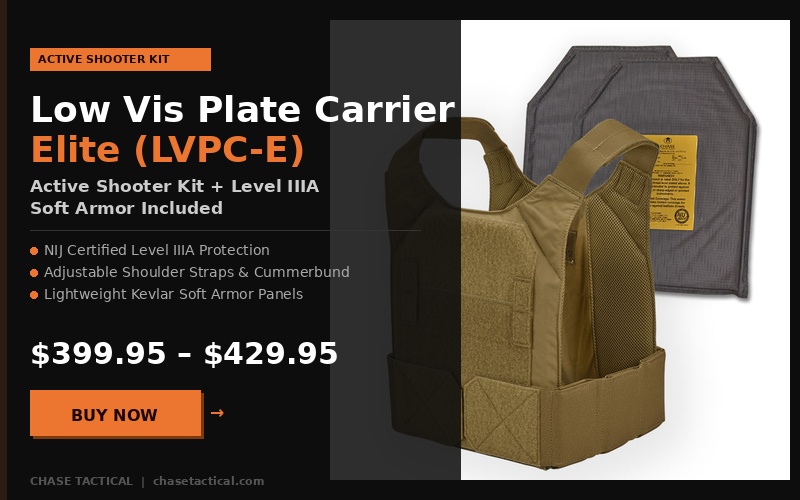
Soft armor inserts are composed of layers of high-strength fibers such as Kevlar, Dyneema, or polyethylene woven or laminated to form a lightweight, flexible panel. Soft armor is highly effective against lower-velocity threats such as handgun rounds, making it the most common choice for everyday carry and school use. It is discreet, comfortable, and light enough to be carried by children and adults alike.
2. Hard Armor Inserts
Hard armor inserts are made from ceramic, steel, or composite materials such as ultra-high-molecular-weight polyethylene (UHMWPE). They stop high-velocity rifle rounds and armor-piercing ammunition that soft armor cannot handle. Hard plates are heavier and less flexible, but are the correct choice for military personnel, law enforcement officers, or anyone operating in high-threat environments.
3. Hybrid Armor Inserts
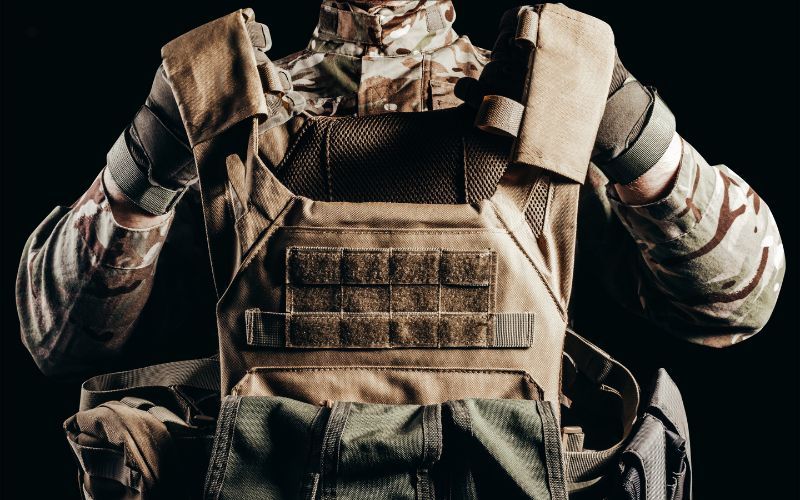
Hybrid inserts combine a soft aramid backer with a hard plate strike face, offering a balance of protection and mobility. They provide more coverage than soft armor alone while being lighter than full hard plates, a practical middle ground for users who need rifle-rated protection without a maximum weight penalty.
| Type | Materials | Stops | Typical Weight | Best For |
| Soft (IIIA) | Kevlar, Dyneema, UHMWPE | Handguns up to .44 Mag | 0.5 – 1.5 lbs | Students, everyday carry, civilians |
| Hard (III / III+) | Ceramic, UHMWPE, steel | Rifle rounds (5.56, 7.62) | 3 – 6 lbs | Law enforcement, tactical use |
| Hard (Level IV) | Ceramic / composite | Armor-piercing rifle (.30-06 M2 AP) | 5 – 8 lbs | Military personnel, high-threat environments |
| Hybrid | Soft backer + hard strike face | Handgun + rifle threats | 2 – 4 lbs | Users needing multi-threat coverage |
NIJ Protection Levels Explained
| NIJ Level | Threats Defeated | Insert Type | Common Use |
| Level IIA | 9mm, .40 S&W | Soft | Light everyday carry |
| Level II | 9mm, .357 Magnum | Soft | Concealable protection |
| Level IIIA | 9mm, .357 Magnum, .44 Magnum | Soft | Most common backpack insert level |
| Level III | 5.56mm M193, 7.62mm NATO | Hard | Rifle-rated protection |
| Level IV | .30-06 M2 AP at 2,880 FPS | Hard | Maximum protection; military / LE use |
Level IV specifics: Per NIJ standard 0101.06, a Level IV plate must defeat a single .30-06 M2 armor-piercing round fired at 2,880 feet per second from 51 feet. It is the highest civilian-available NIJ protection rating and is typically ceramic or a ceramic/composite combination. Note that the rating covers a single hit at that threat — armor should be inspected or replaced after any ballistic impact.
NIJ 2024 Standard Update: The NIJ is phasing in a new rating scale — HG1 and HG2 replace the old handgun levels (IIA/II/IIIA), while RF1, RF2, and RF3 replace the rifle levels (III/IV). When shopping, look for products that reference both the legacy level and the new HG/RF designation to confirm they meet current standards.
Understanding the threat levels you are most likely to face will help you choose the right protection. A Level IIIA soft armor insert is sufficient for most civilian handgun threats. A Level III or IV hard insert is appropriate for rifle threats or high-risk environments.
Backpack Insert Size Guide
Not all backpack compartments are the same. Measure your bag’s interior pocket before ordering most inserts are designed to fit in the laptop compartment. Standard sizing breaks down as follows:
| Insert Size | Best Fit | Coverage |
| 10″ × 12″ | Children’s and smaller backpacks | Core torso coverage |
| 11″ × 14″ | Standard adult backpacks | Full back coverage |
| 11″ × 15″ / 12″ × 16″ | Large packs and plate-carrier-style bags | Extended torso coverage |
When the insert is worn on the back, position it so it sits against the spine side of the bag for maximum coverage. The panel can also be shifted to the front compartment if needed for facing-forward scenarios.
Top Features To Look For In Backpack Armor Inserts
Weight and Comfort
The weight of the armor insert is crucial, especially if you plan to carry it for extended periods. Soft armor inserts tend to be lighter and more flexible, but sacrifice protection against rifle rounds. Hard armor inserts are heavier but offer superior protection against high-velocity threats. Consider your daily activities, how long you’ll carry the bag, and whether the wearer is a child or adult before choosing a protection level.
Durability and Longevity
A good armor insert should withstand wear and tear over time. Check the manufacturer’s warranty, the material’s lifespan, and how well it holds up under stress. For example, ceramic body armor may crack after a ballistic impact, while polyethylene or Kevlar inserts absorb impacts without significant degradation. As a general rule, soft armor panels should be replaced every 5 years under normal use; hard plates should be inspected and typically replaced after stopping any round.
Size and Fit
Not all backpacks are the same size. Measure the interior of your bag and compare it to the insert dimensions before purchasing. Most manufacturers offer a range of sizes. If you’re between sizes, size up — a slightly larger panel provides more coverage without meaningfully increasing weight.
Metal Detector Transparency
Soft armor panels (Kevlar, UHMWPE) and most polyethylene plates are non-metallic and should not trigger standard metal detectors. Steel hard plates will trigger detectors. If the insert will be used in schools, airports, or courthouses, confirm the material type before purchasing.
Backpack Armor Inserts from Chase Tactical
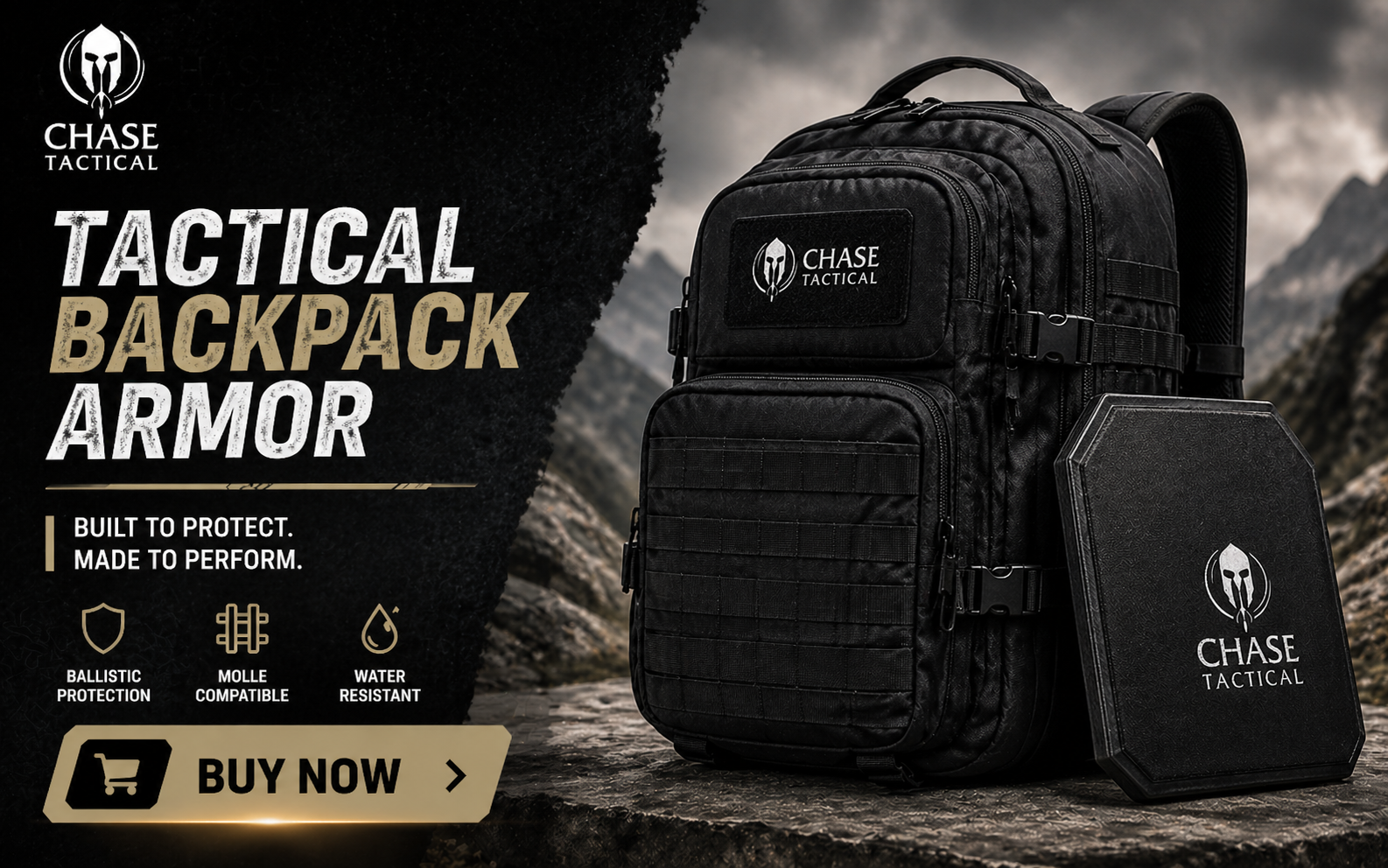
Chase Tactical offers backpack armor in both soft and hard configurations, designed for civilian, law enforcement, and military use. Below is a breakdown by use case:
Level IIIA Soft Insert (Everyday Carry / School Use)
The Low-Vis Active Shooter Kit includes a Level IIIA soft-armor panel that fits inside a standard backpack or plate-carrier pocket. Rated to defeat 9mm, .357 Magnum, and .44 Magnum, it is lightweight, flexible, and suitable for students, commuters, and civilians seeking discreet protection against handgun threats.
Hard Armor Inserts (Level III / IV — Rifle-Rated)
For users who need rifle-rated protection, Chase Tactical’s hard armor collection includes ceramic and composite plates that can be inserted into backpacks with plate pockets. Level IV ceramic plates stop armor-piercing rifle rounds up to .30-06 M2 AP — the highest available civilian protection level. Ideal for law enforcement officers, military personnel, and security professionals.
Who Should Use Backpack Armor?
| User | Recommended Level | Reason |
| Students / Children | Level IIIA soft | Lightweight, non-metallic, discreet; addresses the most common school shooting threats |
| Commuters / Civilians | Level IIIA soft | Everyday carry in public spaces; addresses handgun threats without bulk |
| Law Enforcement Officers | Level III / III+ | Rifle-rated protection when a plate carrier is not worn; off-duty or plain-clothes use |
| Military Personnel | Level III+ / IV | Maximum protection against rifle and armor-piercing threats in combat and field environments |
| Security / High-Risk Professionals | Level IIIA – IV (threat-dependent) | Use case determines level; consult with a ballistic expert when requirements are unclear |
Legal Considerations
Backpack armor inserts are legal to own and purchase in all 50 U.S. states for law-abiding civilians. A small number of states — including Connecticut — restrict the purchase of body armor online and require in-person transactions. Felons are federally prohibited from owning or purchasing body armor. Always verify your state’s current regulations before ordering. For law enforcement officers and military personnel, there are no additional civilian-side purchase restrictions.
How To Use Backpack Armor Inserts Effectively
To maximize the effectiveness of your backpack insert, follow these guidelines:
- Proper Placement: For optimal coverage, ensure the insert is positioned correctly within the backpack, ideally against your back.
- Use in Conjunction with Other Protection: While a backpack armor insert offers excellent protection, it is always best to combine it with other safeguard measures, such as situational awareness and personal security practices.
- Regular Maintenance: Check your insert periodically for signs of damage, wear, or degradation. If it has been compromised, replace it.
- Keep It Dry: Many soft panels are sealed in a waterproof bag. If yours is not, store it away from moisture and check the cover regularly for signs of delamination.For a deeper look at Level III and Level IV body armor, including standalone vs. ICW plate ratings, see our full breakdown. You can also review the complete NIJ armor protection levels guide, or explore Level IV armor for law enforcement applications.
Conclusion
Choosing the right backpack armor insert comes down to matching your protection level to your realistic threat environment. For most civilians and students, a Level IIIA soft panel provides reliable, lightweight, everyday protection. For law enforcement officers, military personnel, and high-risk professionals, Level III or IV hard armor provides rifle-rated, armor-piercing protection. Whatever level you choose, verify the NIJ rating, confirm the size fits your bag, and replace the panel on schedule.
Frequently Asked Questions
How effective are backpack armor inserts?
Backpack armor inserts are highly effective at protecting against handgun threats and lower-velocity rounds. However, heavier, bulkier, hard armor inserts can also significantly protect against rifle rounds.
Can backpack armor inserts stop all types of bullets?
No, backpack armor inserts are designed to protect against specific types of ammunition based on their protection level. Soft armor typically protects against handguns, while hard armor offers protection against rifles.
How do I know which level of armor is right for me?
Consider the types of threats you are most likely to face. If you’re concerned about handgun threats, a Level IIIA soft armor insert may be sufficient. For higher-risk environments or protection against rifles, a Level III or IV hard armor insert is recommended.
What does Level IV backpack armor stop?
Per NIJ standard 0101.06, Level IV armor is rated to stop a single .30-06 M2 armor-piercing round fired at 2,880 feet per second. It also defeats most common rifle threats at lower velocities, including 5.56mm and 7.62mm rounds. Level IV plates are typically ceramic or ceramic/composite and weigh between 5 and 8 lbs depending on size and construction.
What size backpack armor insert do I need?
Measure the interior of your bag’s back or laptop compartment. The 10″ × 12″ size suits most children’s backpacks; the 11″ × 14″ size fits standard adult bags. If you’re between sizes, choose the larger option for broader coverage.