








Integrating Plate Carrier Accessories with Tactical Gear

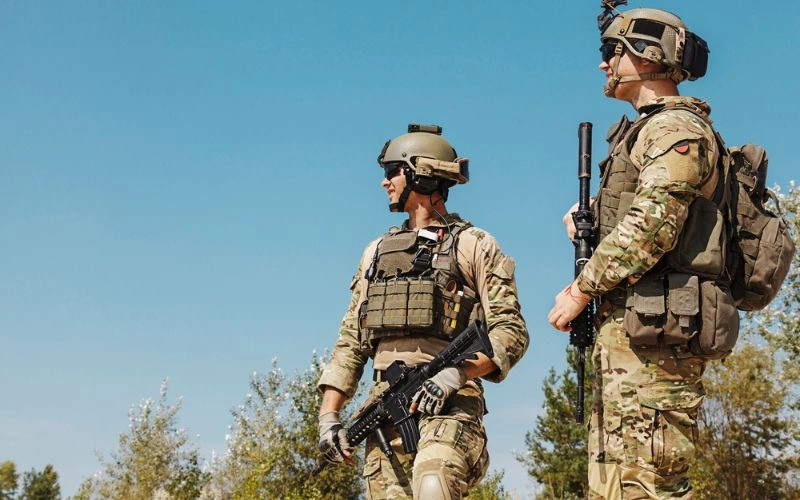
Tactical gear makes military personnel, law enforcement officers, and security professionals more effective in high-stress environments. Among the most important pieces of tactical gear is the plate carrier, a foundational element designed to protect the wearer from ballistic threats. However, it’s not just about the plate carrier itself; it’s about integrating it effectively with various accessories to optimize performance, comfort, and functionality.
This article explores how to integrate plate carrier accessories with other tactical gear to ensure your setup is effective and efficient across a wide range of operations.
Understanding Plate Carriers And Their Importance
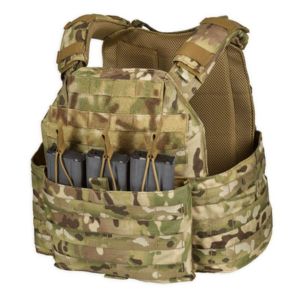
A plate carrier is a vest that holds ballistic plates to protect against bullets, shrapnel, and other projectiles. It is a modular system designed to meet specific mission needs. Plate carriers are lightweight but robust, ensuring mobility and comfort while guaranteeing the wearer’s safety in hostile environments.
While plate carriers provide critical protection, their real strength lies in customization with various accessories. When properly integrated with other tactical gear, these accessories significantly improve operational efficiency.
Key Accessories For Plate Carriers
Before delving into the integration process, it would be best to know the commonly used accessories, which are generally added to a plate carrier setup:
Pouches and Mag Pouches: These are among the most essential accessories for any tactical plate carrier. They vary in size and design to carry a range of items, from ammunition to medical supplies, tools, radios, and other necessities.
Hydration Systems: Hydration bladders or pouches are usually attached to the plate carrier so one can carry water without removing their gear.
First Aid Kits (IFAK): Any combat-ready plate carrier will feature a specific pouch for medical supplies. An IFAK can be attached to the side or front of the carrier, making it quick to access bandages, tourniquets, and other key tools.
Radio Holders: Any operation requires clear communication. Some plate carriers include integrated radio pouches or holders to carry radios, preventing disruptions in communication.
Holsters and Weapon Retention: Some plate carriers include holsters or attachments to secure sidearms and ensure they are readily available in combat.
Ballistic Armor Plates: These are plates designed to protect against high-velocity projectiles. They are either soft or hard; therefore, their integration is critical to the plate carrier’s effectiveness.
Dump Pouches: Dump Pouches serve to store a magazine, expended shells, or any other object that may require quick disposal while in the act of operations.
For a comprehensive selection of mission-critical components, explore our complete range of plate carrier accessories designed for professional operators.
Plate Carrier Attachments: Essential Components
Effective plate carrier attachments transform a basic vest into a mission-specific loadout. Understanding attachment systems ensures compatibility and optimal performance across different operational environments.
MOLLE Webbing Integration
MOLLE (Modular Lightweight Load-carrying Equipment) webbing remains the industry standard for attaching pouches and accessories. The webbing consists of horizontal rows of 1-inch nylon stitched onto the plate carrier at regular intervals. Quality attachments use reinforced stitching and durable materials to withstand repeated mounting and dismounting during training and operations. When selecting plate carrier accessories, verify MOLLE compatibility to ensure secure integration with your existing setup.
Hook-and-Loop (Velcro) Systems
Hook-and-loop systems provide quick-attachment solutions for patches, placards, and light accessories. Front-panel placards enable rapid reconfiguration between different mission profiles. Quality hook-and-loop attachments maintain grip strength through multiple attachment cycles and environmental exposure.
Direct Mounting Hardware
Certain attachments require direct mounting through grommets, D-rings, or specialized mounting points. Radio antennas, hydration tubes, and cable management systems often use these secure connection methods. Verify your plate carrier includes appropriate mounting hardware locations before purchasing accessories that require direct attachment points.
Integration Of Plate Carrier With Other Tactical Gears
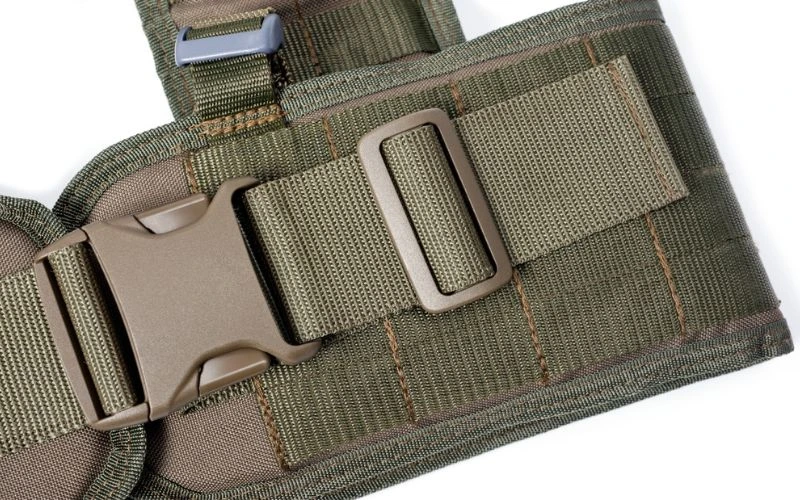
Integrating plate carrier accessories with other tactical gear aims to create a cohesive, efficient, and functional system that supports the wearer’s operational needs. Below are several key areas to consider when integrating your plate carrier with other tactical gear:
1. Tactical Belts and Harnesses
A tactical belt or harness can be paired with a plate carrier. The weight distribution through a belt may offset the weight of the plate carrier, especially if carrying heavy equipment. Tactical belts have pouches for sidearms, flashlights, or multi-tools, which are commonly added gear. The belts blend with the plate carrier, distributing the weight across the wearer’s body and preventing fatigue during prolonged operations.
Meanwhile, a harness can be worn over or under the plate carrier. It will help distribute the load from the front and back panels of the carrier, ensuring the plate carrier sits comfortably. A harness may also help integrate heavy gear like radios or hydration packs. When selecting pouches for belt integration, consider utility pouches that complement your plate carrier configuration without creating redundancy.
2. Backpacks and Rucksacks
This is where the combination of a plate carrier and a backpack allows the wearer to carry ballistic protection and necessary supplies. When integrating these two, the balance and accessibility of each piece of gear should be considered. A hydration pack or backpack hydration system can be integrated with the backpack while ensuring that the plate carrier does not hinder access to water.
Additionally, the weight should be distributed carefully when combining a plate carrier with a backpack. Avoid loading the backpack with too much gear, as this can pull the plate carrier out of position, impairing mobility and comfort. Keep heavy items in the backpack’s lower section to maintain balance. For extended operations requiring substantial gear transport, explore our selection of backpacks and gear bags engineered to integrate with plate carrier systems.
3. Comms and Electronics Gear
Plate carriers often accommodate radios and earpieces as part of communication systems. Most carriers have pouches or sleeves for radios and antennas. For optimal load distribution, pair your carrier with quality tactical belts that integrate seamlessly with your plate carrier system. When integrating comms systems, cable management and accessibility should be considered. Cables should be tucked into channels or clipped so they do not become entangled or obstruct movement.
In addition, other accessories, such as GPS devices or tactical lights, must be secured so they do not hinder the user’s movements or visibility.
Plate Carrier Pouch Setup Configuration
Strategic pouch placement optimizes accessibility while maintaining balance and mobility. A well-configured setup reduces reaction time and prevents equipment interference during critical operations.
Front Panel Organization
The front panel typically houses magazines, medical supplies, and essential tools requiring immediate access. Place magazine pouches on your dominant side for natural draw motion. Position IFAK pouches centrally or on the support side for access by either hand or a teammate. Avoid overloading the front panel, as excessive weight can pull the carrier forward and restrict movement. Browse the best plate carrier accessories for 2025 to identify current options that balance functionality with ergonomic design.
Side Panel and Cummerbund Setup
Side panels accommodate administrative pouches, additional magazines, or utility items. Distribute weight evenly between both sides to maintain balance during movement. Radio pouches work well on the support side, allowing easy access while keeping primary magazines on the dominant side. Side panel pouches should remain low-profile to avoid interference when going prone or maneuvering in confined spaces.
Rear Panel Configuration
The rear panel typically carries less frequently accessed items such as hydration systems, communication equipment, or sustainment supplies. Mount hydration bladders high on the back panel for optimal weight distribution and tube routing. Consider adding medical supplies or survival gear that teammates can access if you become incapacitated. Rear panel loads should not extend beyond the plate carrier’s footprint to avoid snagging on vehicle interiors or doorways.
Conclusion: The Importance of Customization
Integrating plate carrier accessories with other tactical gear requires a careful balance of function, comfort, and safety. Plate carriers’ modular design allows for highly customizable configurations, making them versatile and adaptable to any mission.
Choose your accessories wisely, and integrate them well with belts, backpacks, comms devices, and protective equipment for a setup that enhances your performance in the field. Remember that no two missions are alike and that your gear should reflect the specific needs of the task.
Frequently Asked Questions
Can you wear a plate carrier and a chest rig together?
Yes, you can wear a plate carrier and chest rig together. Verify the plate carrier’s compatibility and optimize your chest rig integration to make this tactical gear combination not only versatile but also efficient. Ensure they fit you right for comfort and functionality.
Do the Special Forces Use Plate Carriers?
Yes, you will find that special forces extensively use plate carriers. They offer great benefits, like protection and versatility, but they also have drawbacks. Compatibility with chest rigs and strategies for determining mag capacity is essential for mission success.
How Many Mags Should I Carry on My Plate Carrier?
Consider your best capacity for magazine selection based on your mission—balance weight distribution for comfort. Typically, 3-4 mags allow quick access and reload efficiency. Adjust as needed to maintain mobility and effectiveness.
What’s the difference between plate carrier accessories and attachments?
Plate carrier accessories include add-on items such as pouches, medical kits, and hydration systems, while attachments describe the connection methods and mounting hardware used to secure them. Both terms are often used interchangeably in the tactical gear community.
Can I mix different brands of MOLLE accessories on my plate carrier?
Yes, MOLLE is a standardized system allowing cross-compatibility between manufacturers. However, verify that accessories use genuine MOLLE attachment methods rather than proprietary systems, and test attachment strength before field use.
How often should I reconfigure my plate carrier setup?
Reconfigure your setup when mission requirements change, after training exercises reveal inefficiencies, or when integrating new equipment. Many operators maintain multiple configuration templates for different mission types rather than constantly adjusting a single setup.