








Choosing Rifle Protection for Field Use

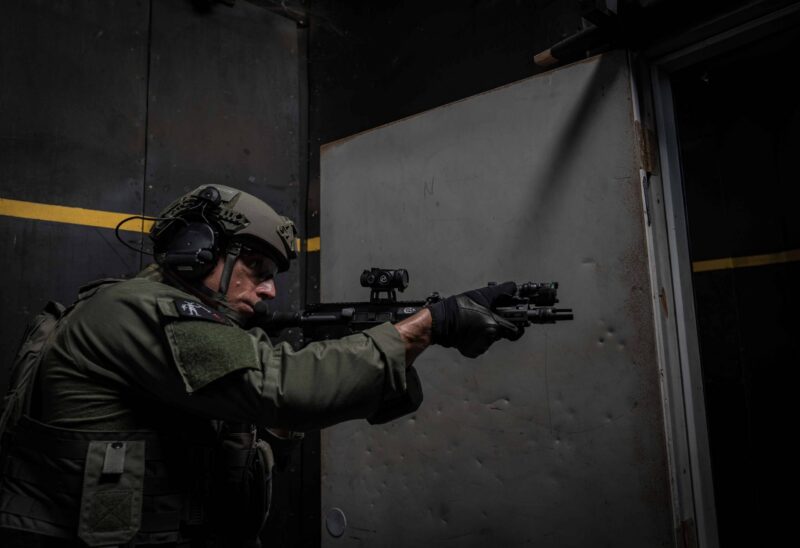
When lives are on the line, rifle protection is not an area where compromise is acceptable. High-velocity rifle rounds and armor-piercing threats demand more than soft armor alone — they require a deliberate approach to plate selection, carrier configuration, and protective geometry. Whether you’re in law enforcement, military, or building a serious personal protection kit, this guide breaks down every core component of rifle protection, from Level III and Level IV ballistic plates to hybrid systems, so you can build a setup that fits your mission and threat environment.
Understanding Ballistic Plate Levels
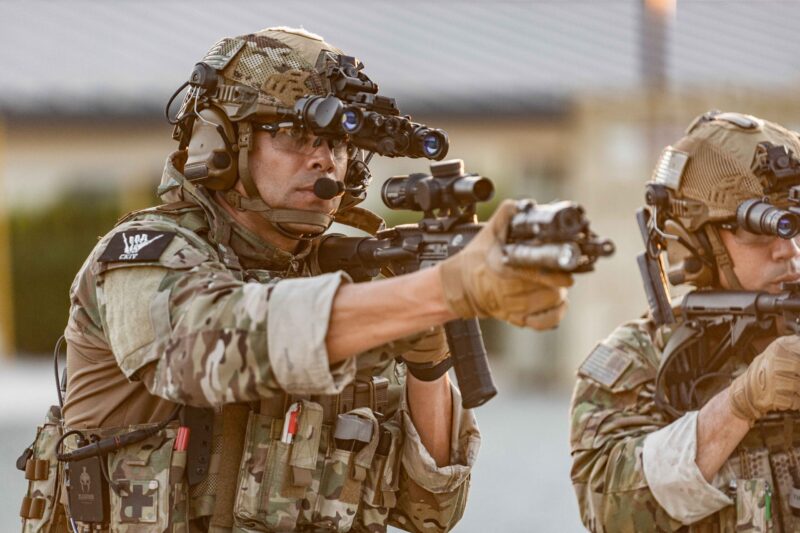
The NIJ 0101.06 standard classifies armor from Level IIA through Level IV, each designed for a specific threat category.
Levels IIA and II address common handgun calibers like 9mm and .357 Magnum using soft armor. Level IIIA, the highest soft armor rating, defends against high-velocity handgun rounds up to .44 Magnum but does not stop rifle threats.
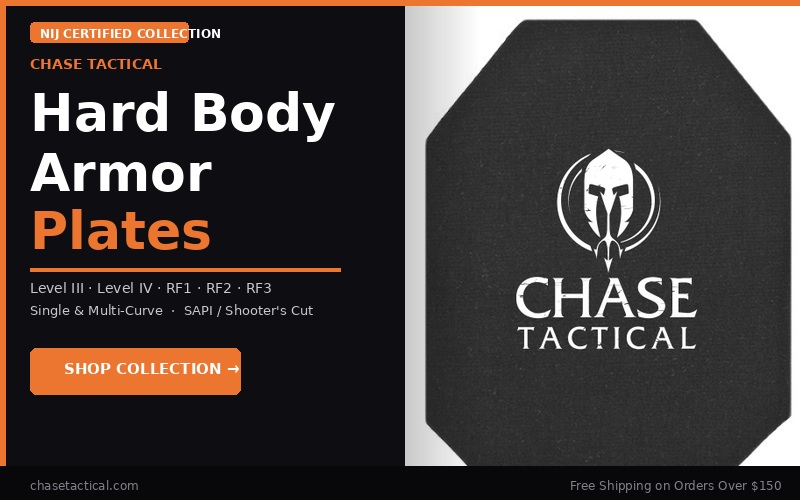
For rifle protection, Level III plates stop 7.62mm FMJ rounds, whether composite or metal, making them a practical choice for law enforcement and field use. Level IV offers the highest available protection, stopping .30 caliber armor-piercing rounds. Matching your protection level to your actual threat environment is critical — over-speccing adds unnecessary weight, while under-speccing creates dangerous gaps in coverage.
Selecting the Right Plate Carrier
The right plate carrier depends on the missions you’ll undertake and the gear you need to carry.
Tactical plate carriers with MOLLE webbing are well-suited for quick-response missions where accessory attachment is a priority. Full-cut designs maximize coverage, while shooter’s and swimmer’s cuts reduce weight and improve mobility for speed-focused operations.
Look for carriers with hybrid cummerbunds and well-padded shoulder systems that distribute weight evenly across the torso. Placard compatibility, interchangeable panels, and MOLLE integration allow the carrier to be configured for mission-specific requirements. Materials like nylon and laminate ensure durability, and quick-release buckles allow for rapid removal when needed. Browse Chase Tactical’s full range of plate carriers to find a system built for your operational needs.
Evaluating Soft Armor Vests
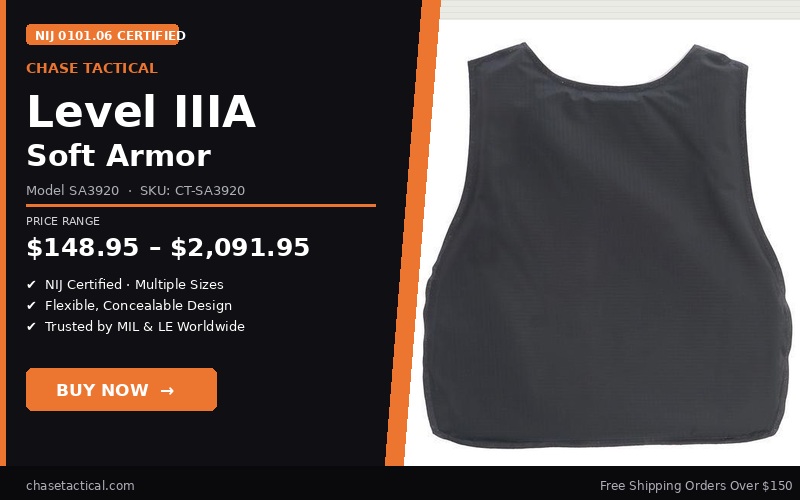
Soft armor vests cover NIJ Levels IIA through IIIA, stopping handgun threats across a wide range of calibers. Level IIIA — the highest soft armor rating — provides protection against rounds up to .44 Magnum.
Construction materials like Kevlar and Dyneema provide strength approximately 15 times greater than steel at equivalent weight. Modern soft armor panels are flexible and thin — some Level IIIA options measure as little as 0.19 inches — making them well-suited for daily use, undercover operations, and concealed carry. Moisture-wicking fabric, adjustable straps, and lightweight construction enhance comfort during extended wear. All reputable soft armor vests are tested to NIJ standards, with backface deformation strictly controlled to minimize blunt-force trauma. Explore Chase Tactical’s soft body armor collection for NIJ-certified options across all protection levels.
Exploring Plate Types and Geometry
Plate cut and geometry directly affect both coverage and mobility, so choosing the right configuration is essential.
The SAPI cut is the standard military profile, offering extended coverage while balancing protection and movement. It suits operators who need reliable coverage without prioritizing maximum agility. The Shooter’s Cut reduces material around the upper arms and shoulders, improving the range of motion for users who regularly shoulder rifles. Fit and quality can vary between manufacturers, so inspect before purchasing. The Swimmer’s Cut maximizes maneuverability by further reducing coverage, making it the lightest option — best for high-mobility scenarios where speed takes priority over full coverage.
Plate sizing is equally important. SAPI sizes range from XS to XL to accommodate different body types. Correct sizing ensures the plate remains positioned over vital organs during movement, preventing dangerous gaps in coverage. For a full comparison of plate materials and construction, see our ceramic vs. steel plates guide.
Assessing Additional Protection Options
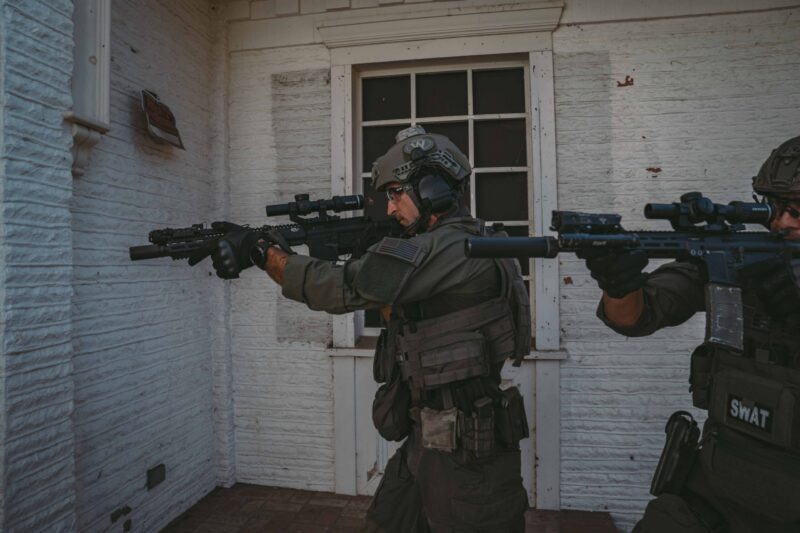
Hybrid armor systems offer flexible solutions for operators who need protection adaptable to varying threat levels.
Flexible Rifle Armor (FRAS) bridges the gap between soft and hard armor categories. FRAS standalone plates stop common rifle threats, including M855, M193, and 7.62×39 rounds on their own, or can be paired with soft armor for enhanced performance against a broader threat range. This approach allows hard armor plates to be quickly inserted into existing soft armor carriers without replacing the entire system — a practical solution for operators who need to scale their protection rapidly based on mission requirements. Pairing FRAS with Level IIIA soft armor also provides continuous coverage against high-velocity pistol rounds when hard plates are not in use. For a complete overview of how protection levels stack against different threats, see our body armor protection levels guide.
Conclusion
Effective rifle protection in the field requires matching the right components to your specific mission. Level III and IV plates address rifle and armor-piercing threats, respectively, while the plate carrier and cut geometry determine how comfortably and efficiently you can operate. Hybrid systems and soft armor integration add flexibility for environments where threats vary. Getting each decision right — from protection level to carrier fit to plate geometry — is what separates armor that performs from armor that compromises you when it counts.
Frequently Asked Questions
How do different environments affect plate durability?
Moisture, extreme heat, cold, UV exposure, and chemical contact all degrade plate materials over time. Keeping plates dry, shaded, and away from harsh substances is the most effective way to preserve their protective integrity and extend service life.
Can plates be reused after taking a hit?
No. Plates — especially ceramic — must be replaced after any impact. Even damage that is not externally visible can compromise the plate’s structural integrity, significantly reducing protection against future threats.
What is the lifespan of a ballistic plate?
Ceramic plates last 10–15 years, steel plates up to 20 years, and polyethylene plates typically 10–15 years. Composite plates have a shorter lifespan of 5–10 years. Proper storage and careful handling extend performance across all material types.